
Interior of the Great Temple at Paestum — History & Facts
The remnants of grandeur linger in the air, whispering tales of glory while grappling with the inevitability of decay. Isaac Weld captures this duality in a haunting stillness, where ancient pillars stand like sentinels against the passage of time, each crack and crevice a poignant reminder of what once was. Look to the left at the towering columns, their textured surfaces revealing the erosion of centuries. The warm hues of ochre and muted earth tones blend seamlessly, creating a rich tapestry of history.
Notice how the light spills through the open space, casting delicate shadows that dance across the stone floor, highlighting the play of light and dark. The balance of harmonious proportions speaks to the architectural grandeur, even as the encroaching decay lays bare the fragility of beauty. Delve deeper into this scene, where the interplay between strength and vulnerability reigns supreme. The juxtaposition of the temple’s majestic stature against its crumbling state evokes a profound sense of loss and nostalgia.
Each detail, from the chipped edges to the fractured stones, serves not only as a testament to the passage of time but also as a reflection on human aspiration and the impermanence of creation. In 1818, Weld painted this evocative work during a period of personal exploration and artistic awakening. Traveling through Italy, he was captivated by the ruins of Paestum, a site that merged classical beauty with poignant decay. This era was marked by a growing fascination with the sublime in nature and antiquity, prompting artists to grapple with themes of impermanence, making this piece a resonant reflection of its time.
More Artworks by Isaac Weld
Browse all →
View of Mount Vernon, the seat of General Washington
Isaac Weld

Caernarvon (Castle)
Isaac Weld

View of Niagara Falls with Two Figures Sitting on a Rock Center Foreground
Isaac Weld
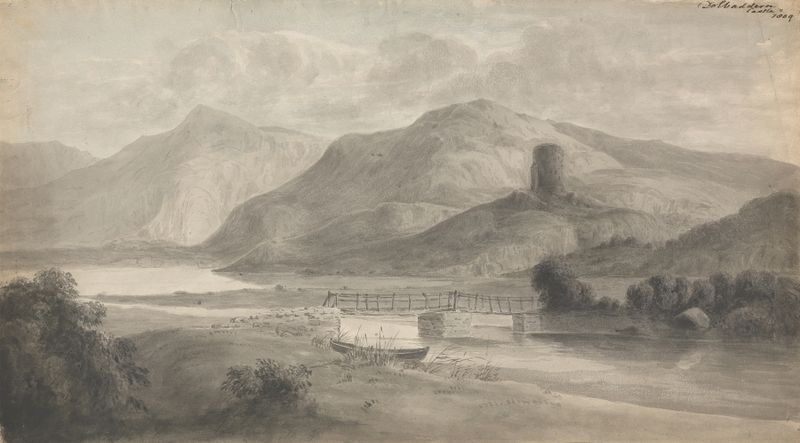
Dolbadarn Castle (North Wales)
Isaac Weld

View of Niagara Falls with Two Figures on Rock in Right Foreground
Isaac Weld
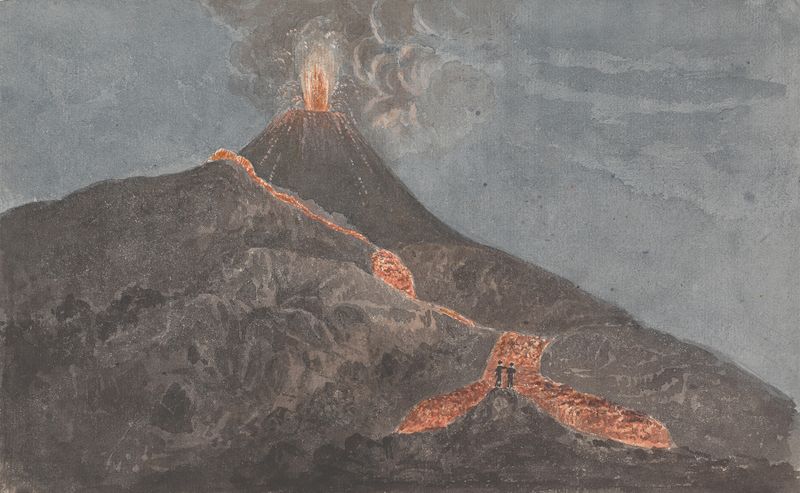
Vesuvius in Eruption
Isaac Weld
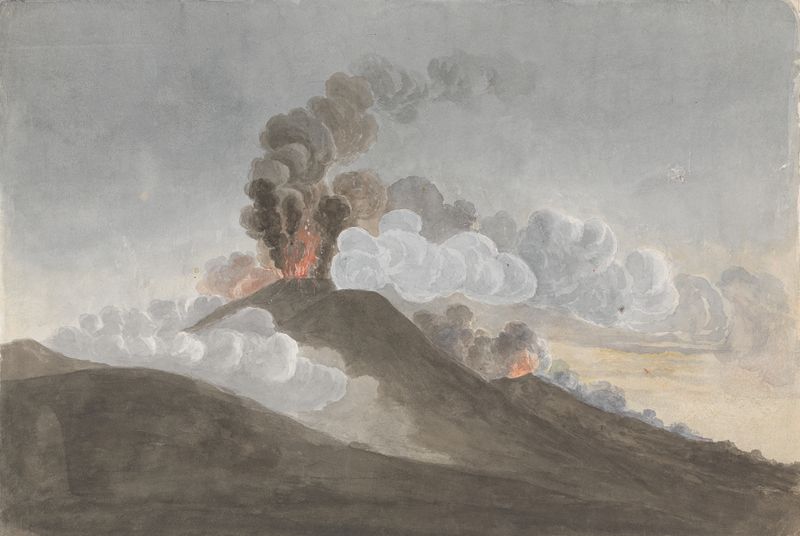
Vesuvius in Eruption.
Isaac Weld
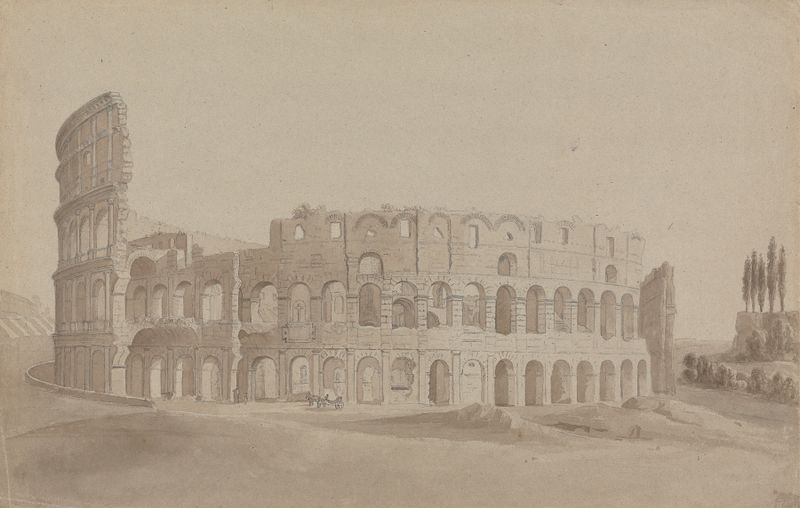
The Colosseum, Rome
Isaac Weld
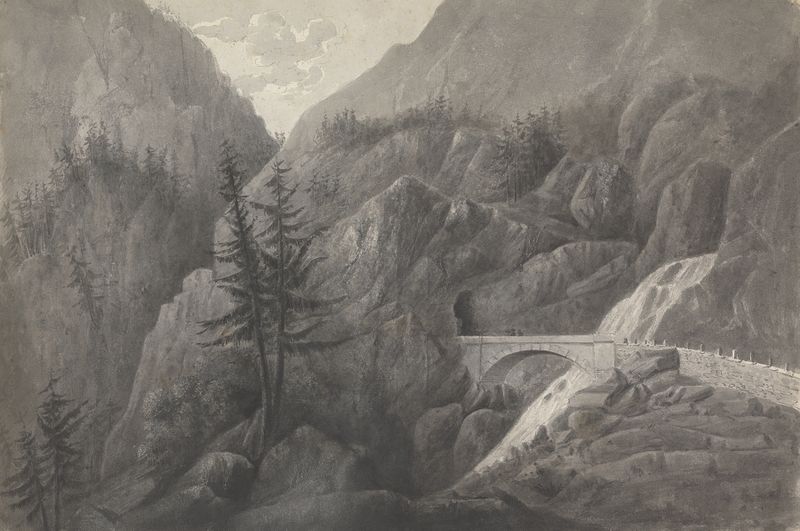
Simplon (Switzerland)
Isaac Weld
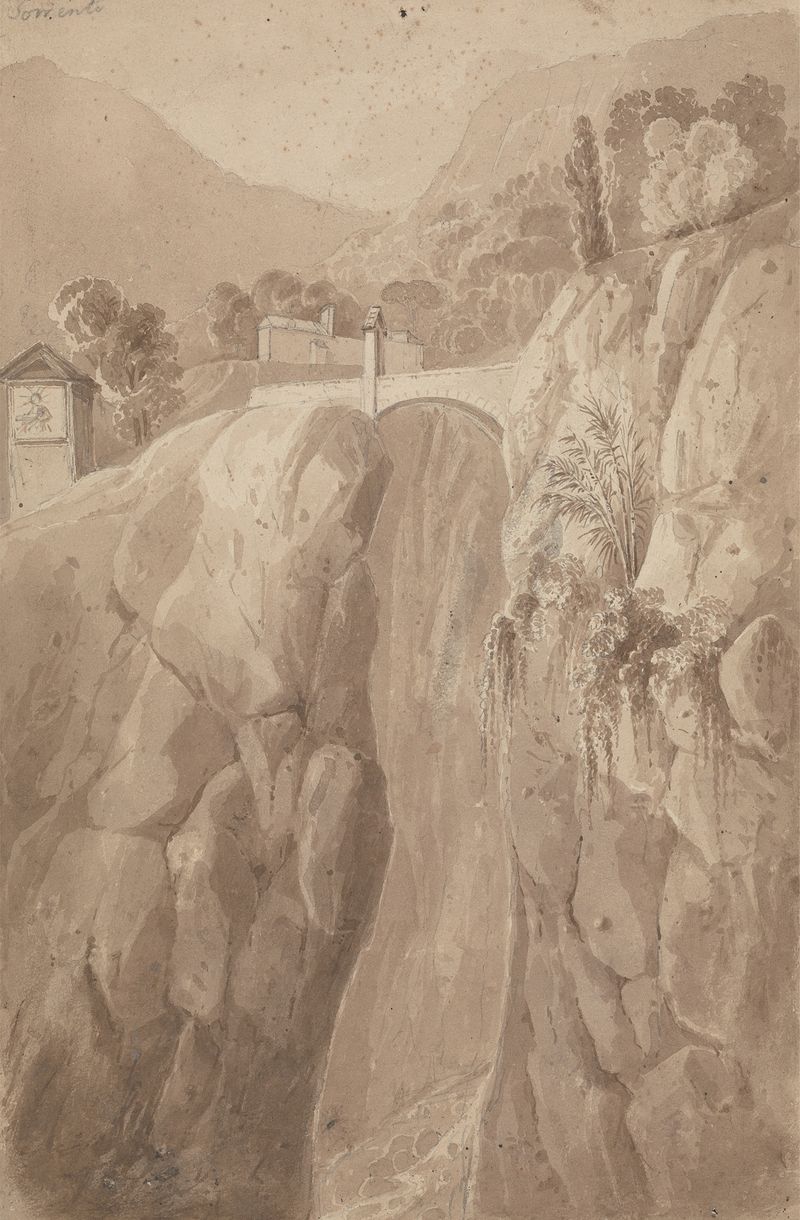
Sorrento
Isaac Weld
More Architecture Art
Browse all →
The statue of Liberty
Frédéric Auguste Bartholdi

View of Houses in Delft, Known as ‘The Little Street’
Johannes Vermeer

View of Houses in Delft, Known as ‘The Little Street’
Johannes Vermeer

The Cathedral in Rouen. The portal, Grey Weather
Claude Monet

The yellow house
Vincent van Gogh

The Church in Auvers-sur-Oise, View from the Chevet
Vincent van Gogh