
Interlaken La Jungfrau et l’hotel Ritschard — History & Facts
Can beauty exist without sorrow? In Interlaken La Jungfrau et l’hôtel Ritschard, Jean Jacottet invites us to ponder this profound question as we gaze upon a breathtaking alpine vista. Look to the center of the canvas, where the majestic peaks of the Jungfrau loom against a vibrant azure sky. The crisp whites of the snow-capped mountains contrast with the soft greens of the valley below, creating a tapestry of color that feels almost ethereal. Notice how the delicate brushstrokes convey the swirling clouds, hinting at the ever-changing nature of the landscape.
The hotel stands in the foreground, an elegant structure that anchors the scene yet feels dwarfed by the grandeur of the mountains behind it. Within this serene landscape lies a tension between permanence and transience. The towering mountains embody timelessness, witnesses to the passage of ages, while the hotel represents human endeavor—fragile and fleeting. The tranquility of the scene disguises an underlying melancholy, as the beauty of the moment is juxtaposed with the inevitability of change and mortality.
The viewer is left to reflect on the delicate balance between appreciating beauty and acknowledging the sorrow that often accompanies it. At the time Jean Jacottet painted this piece, he was immersed in the Romantic movement, which sought to celebrate nature's sublime power and humanity's place within it. The exact date remains elusive, but his work reflects a burgeoning interest in capturing the majesty of the natural world amid the growing industrial landscape of the 19th century. This painting epitomizes the tension between nature's everlasting beauty and the ephemeral nature of human existence.
More Artworks by Jean Jacottet
Browse all →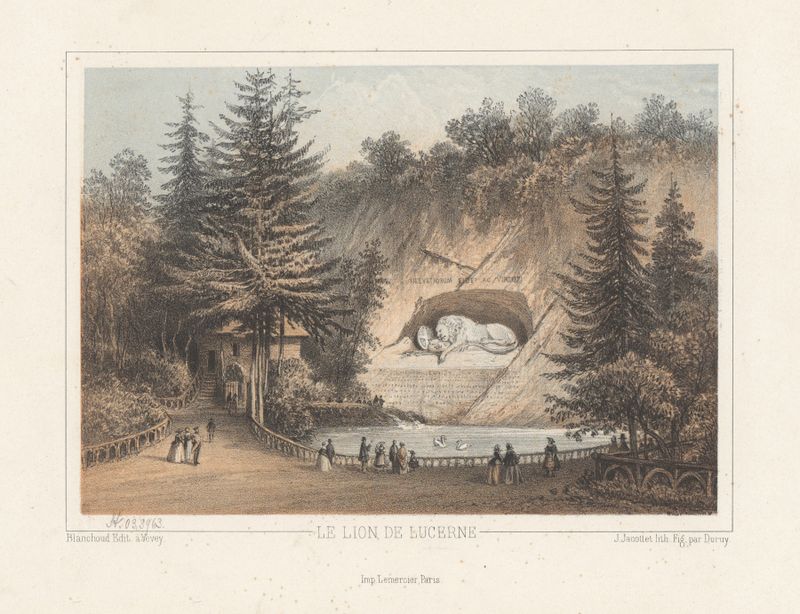
Le lion de Lucerne
Jean Jacottet
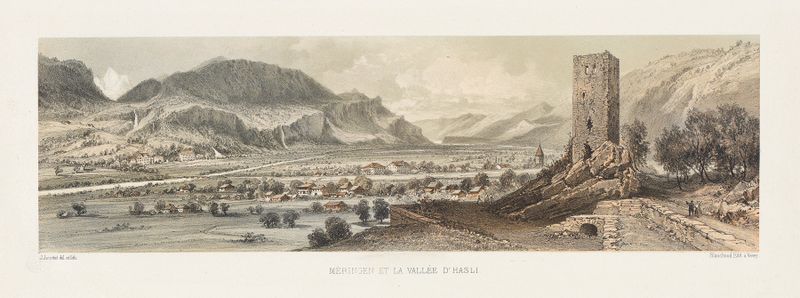
Méringen et la vallée d’Hasli
Jean Jacottet
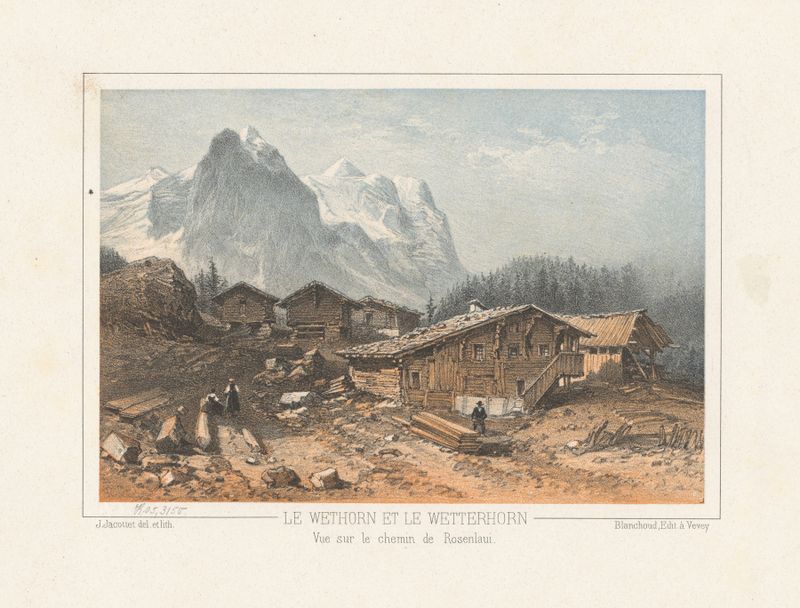
Le Wethorn et le Wetterhorn Vue sur le chemin de Rosenlaui
Jean Jacottet
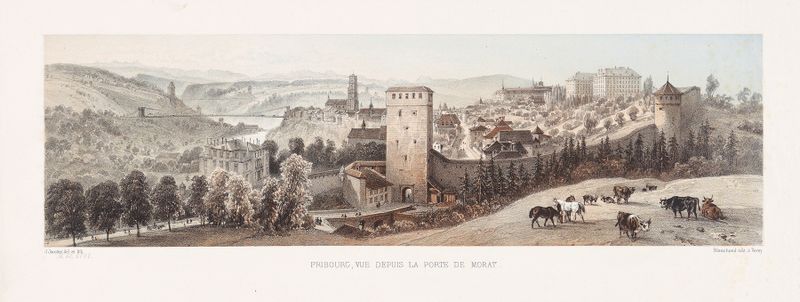
Fribourg, vue depuis la porte de Morat
Jean Jacottet
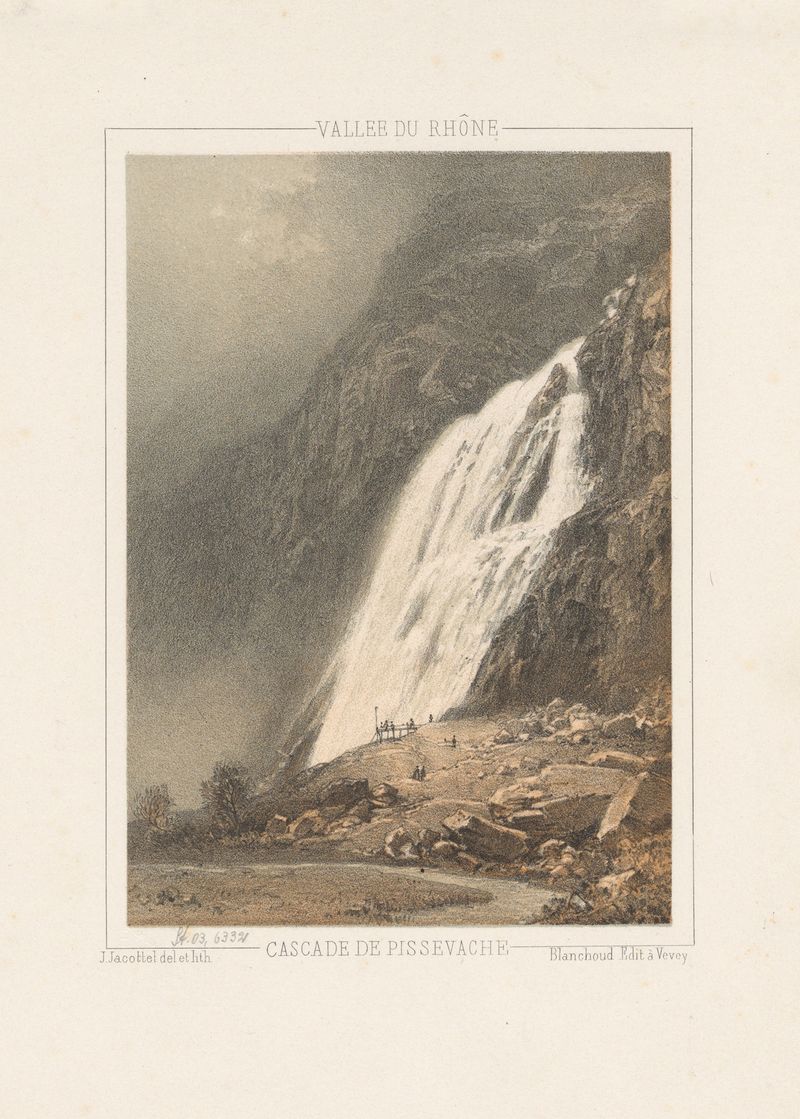
Cascade de Pissevache
Jean Jacottet
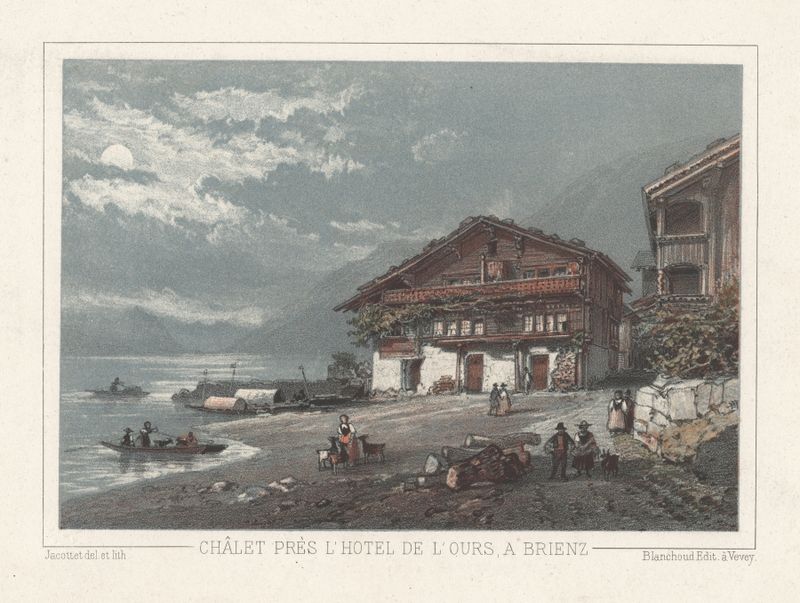
Châlet près l’Hotel de l’Ours, a Brienz
Jean Jacottet
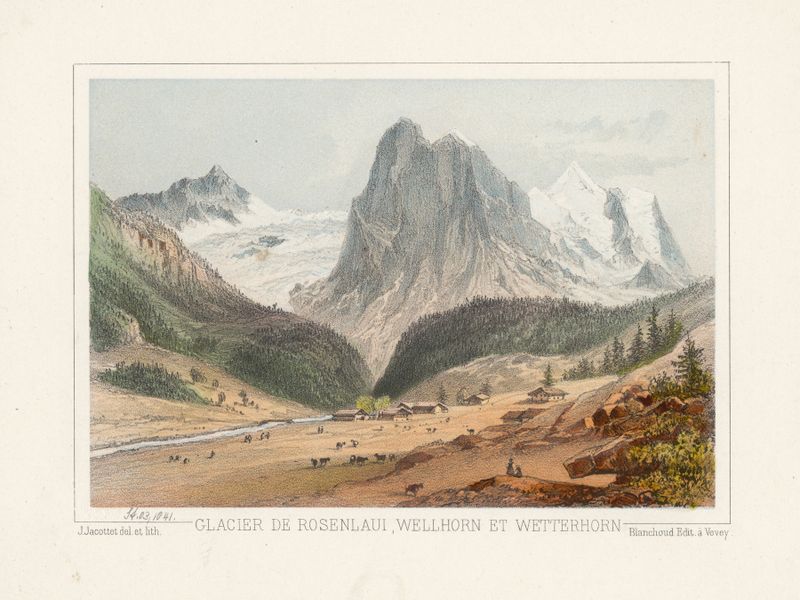
Glacier de Rosenlaui, Wellhorn et Wetterhorn
Jean Jacottet
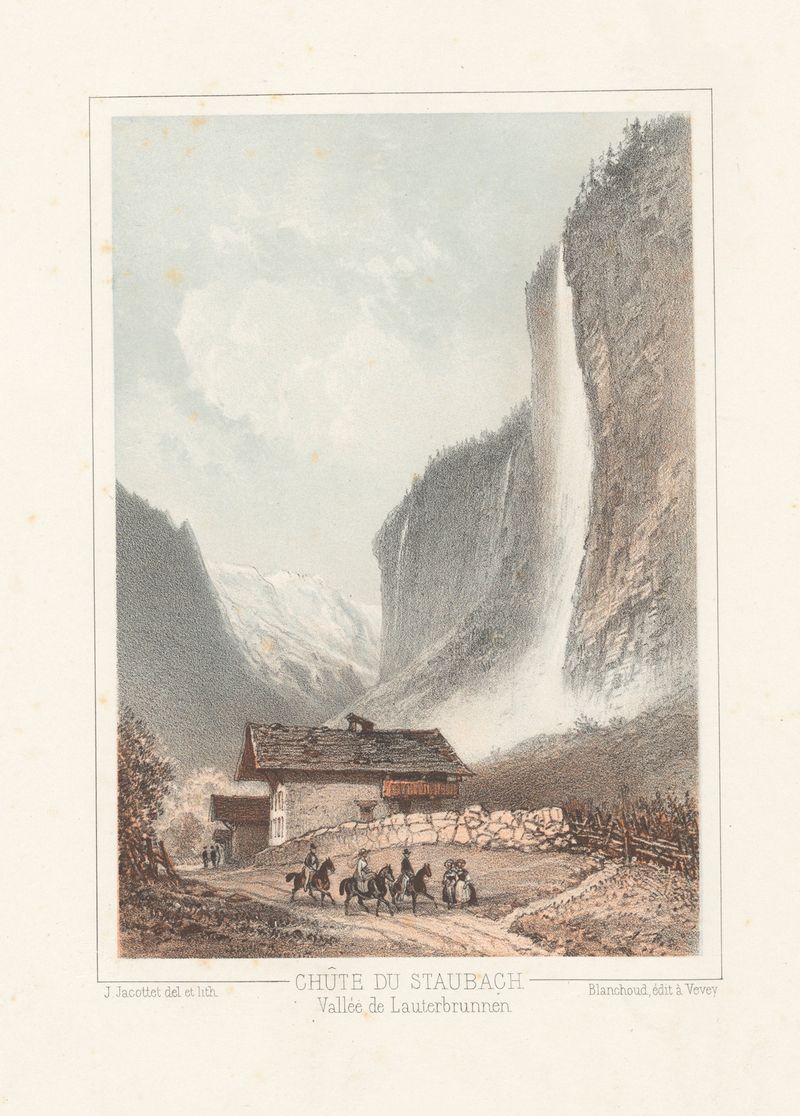
Chûte du Staubach Vallée de Lauterbrunnen
Jean Jacottet
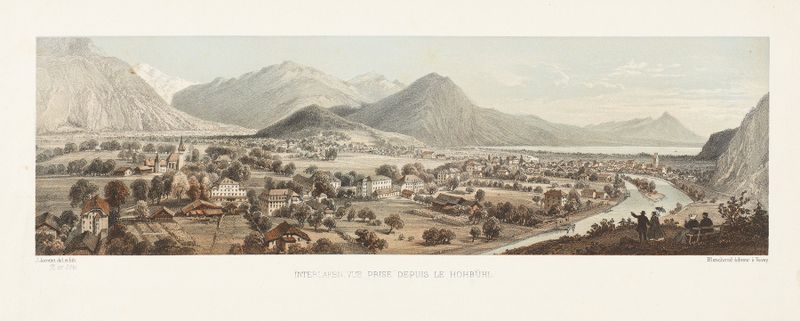
Interlaken, vue prise depuis le Hohbühl
Jean Jacottet
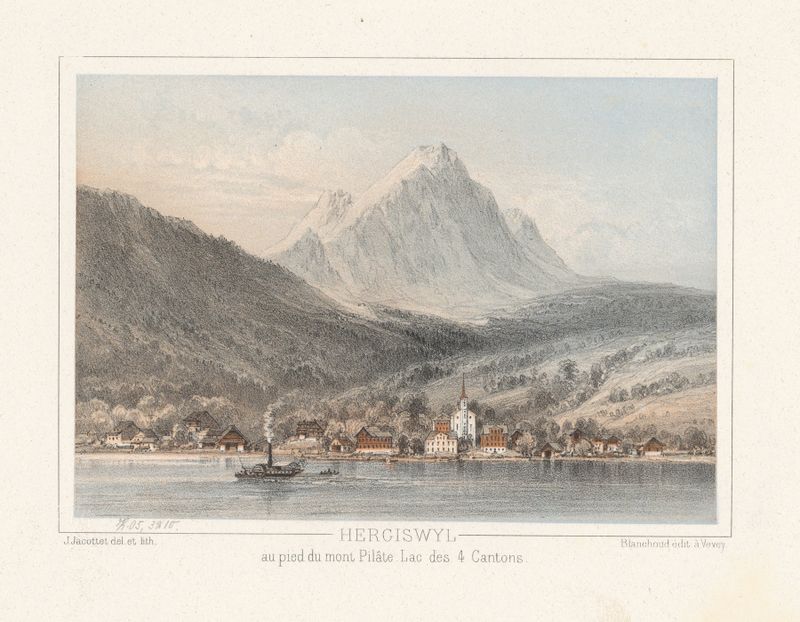
Hergiswyl au pied du mont Pilâte. Lac des 4 Cantons
Jean Jacottet





