
Iselle from Mount Pilatus — History & Facts
Did the painter know this moment would outlive them? In Iselle from Mount Pilatus, a fleeting scene of serene beauty immortalizes the whispers of nostalgia, inviting viewers to reflect on the delicate interplay between nature and remembrance. Focus first on the hazy contours of the mountains, where soft brushstrokes blend shades of azure and lavender to evoke a tranquil sky. The foreground draws your eye to the vibrant, verdant grass that sways gently, illuminated by dappled sunlight breaking through the clouds. This harmonious composition balances the rugged peaks with the tender touch of a blooming meadow, creating a visual dialogue between the wild and the cultivated. Within this peaceful landscape, a subtle tension lies beneath the surface.
The juxtaposition of the towering Mount Pilatus against the delicate flora symbolizes the passage of time and the enduring power of nature. The cool and warm tones interact, inviting contemplation of the ephemeral quality of beauty and life itself. Each stroke captures a moment that, while fleeting, carries the weight of memory, as if the artist sought to freeze a tranquil afternoon for generations to experience. In 1870, during his time in Switzerland, Sargent was navigating the early stages of his career, influenced by the Impressionist movement while still honing his distinctive style.
This period marked a pivotal exploration into capturing light and atmospheric effects, a shift that would define much of his oeuvre. The world of art was evolving rapidly, with Sargent poised to leave an indelible mark as he traversed the delicate balance between tradition and innovation.
More Artworks by John Singer Sargent
Browse all →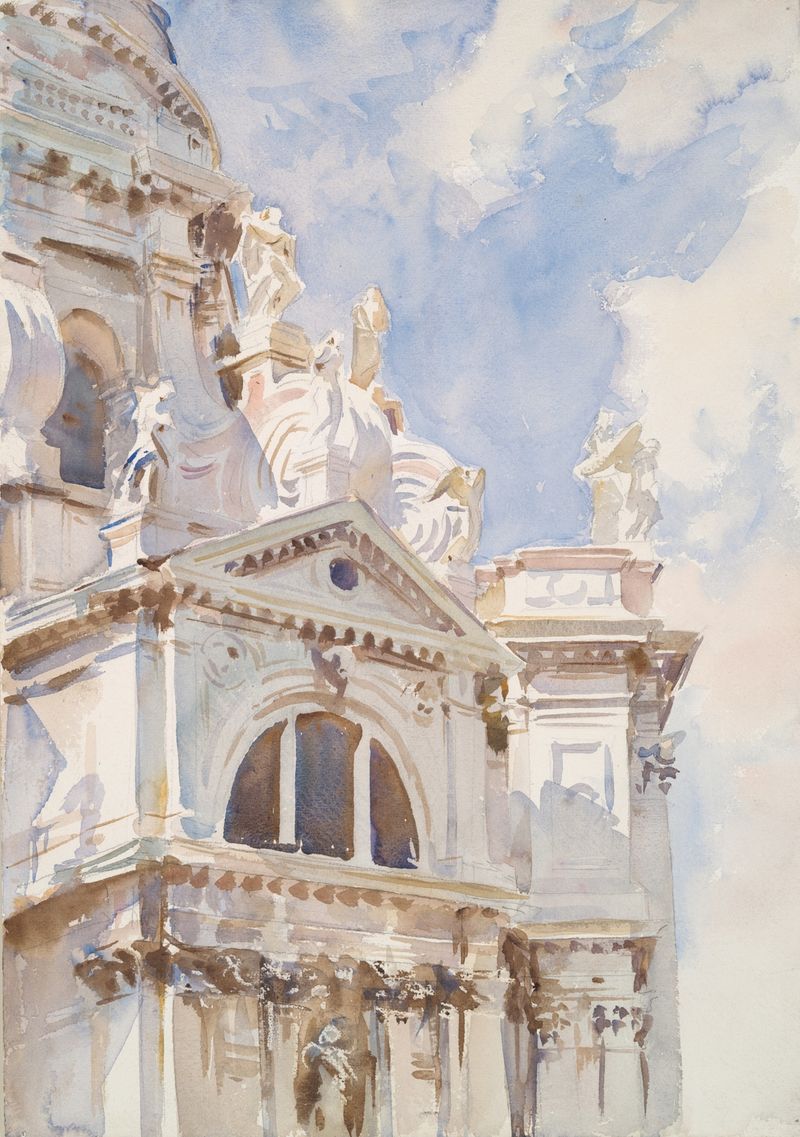
The Salute, Venice
John Singer Sargent

Mrs. Charles Deering (Marion Denison Whipple)
John Singer Sargent
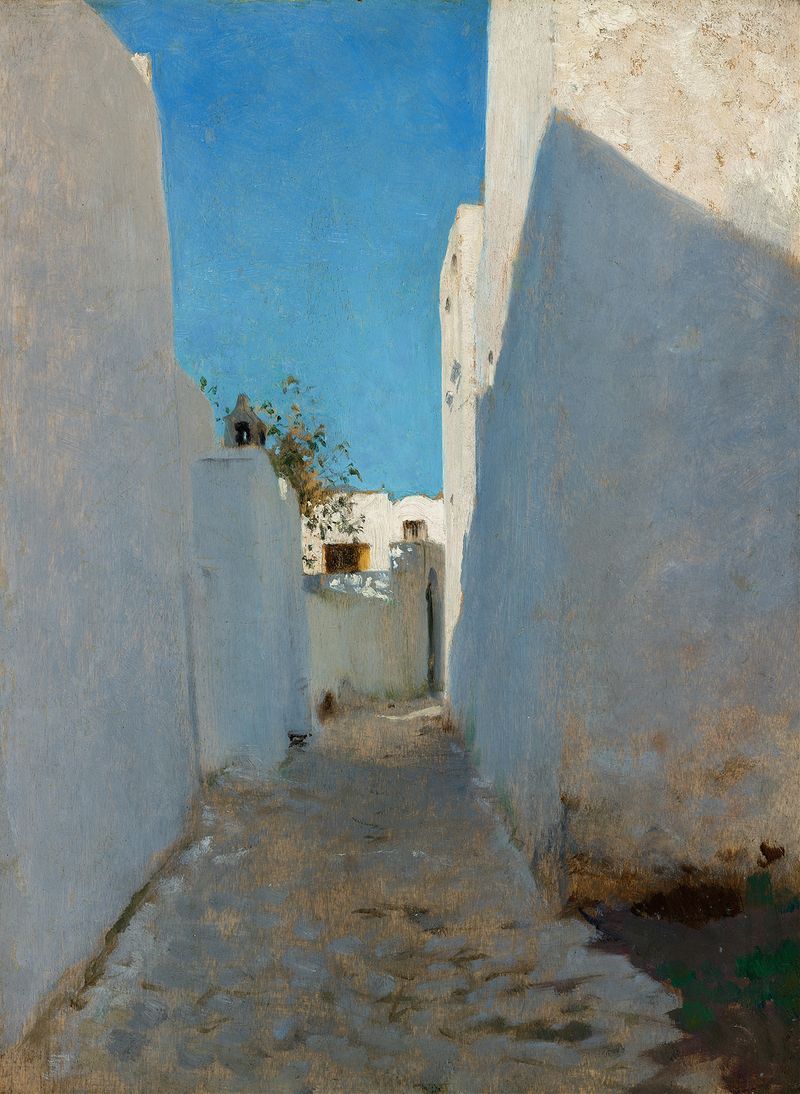
A Moroccan Street Scene
John Singer Sargent
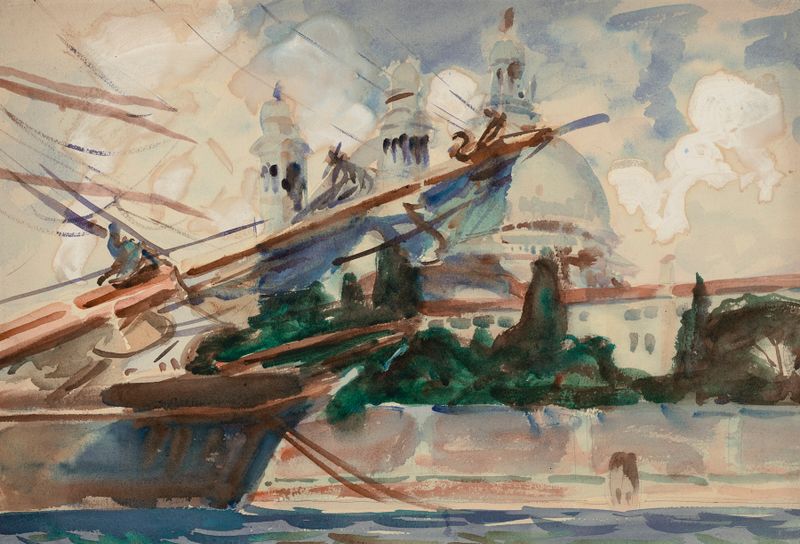
The Salute, Venice
John Singer Sargent
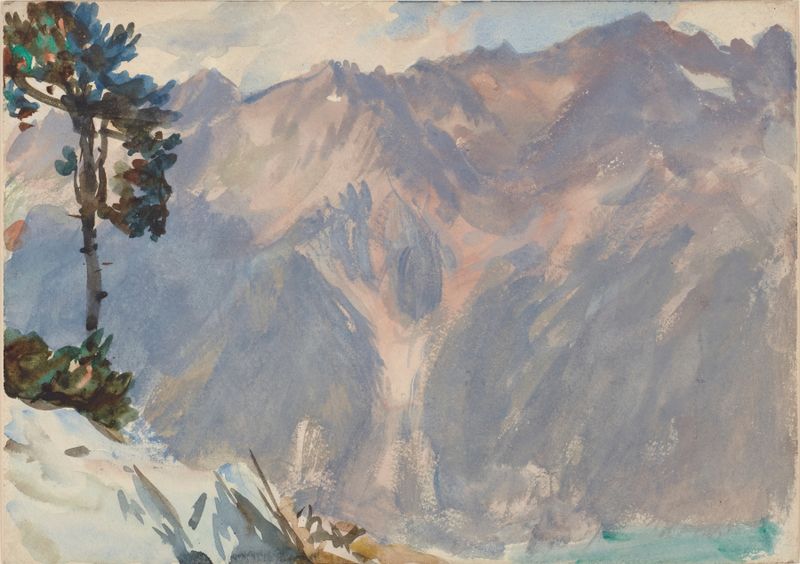
Tyrol
John Singer Sargent
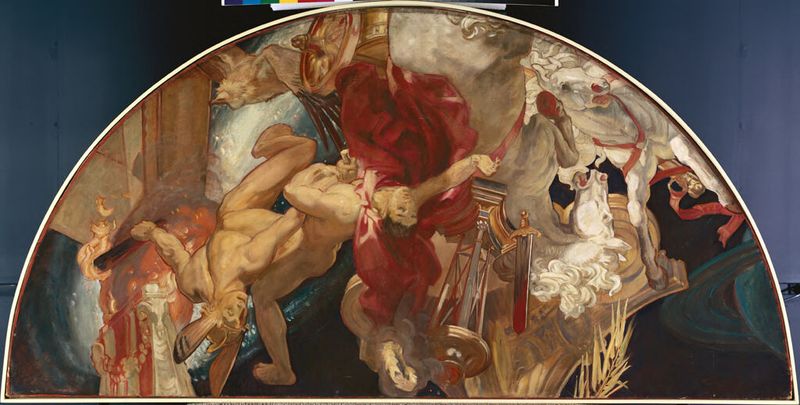
Study for "Gog and Magog," for the Boston Public Library
John Singer Sargent
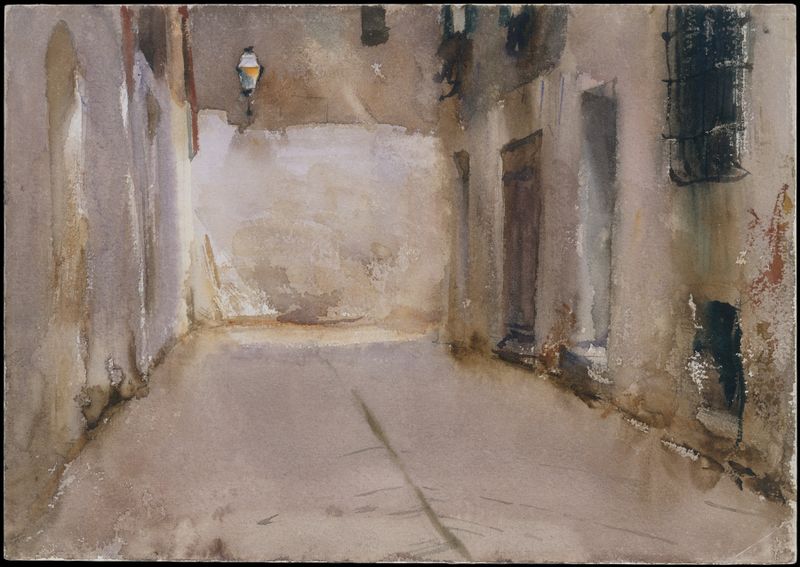
Venice
John Singer Sargent
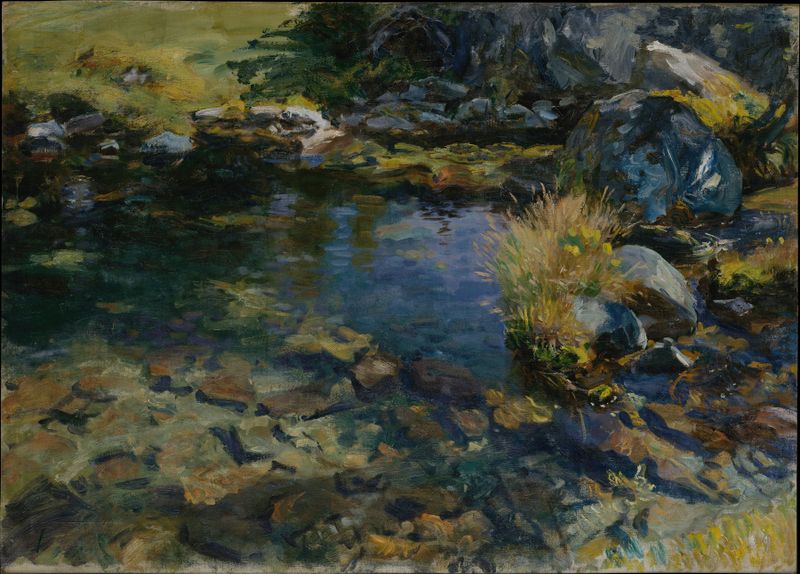
Alpine Pool
John Singer Sargent
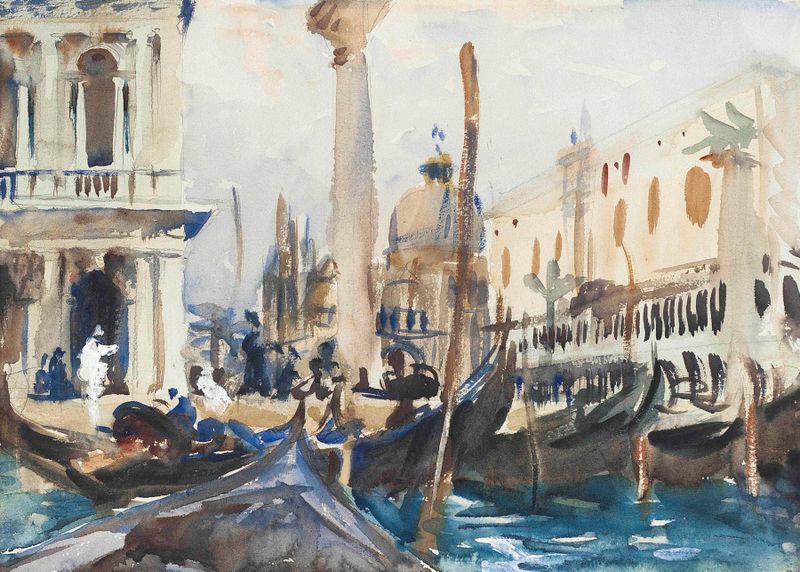
The Piazzetta with Gondolas
John Singer Sargent
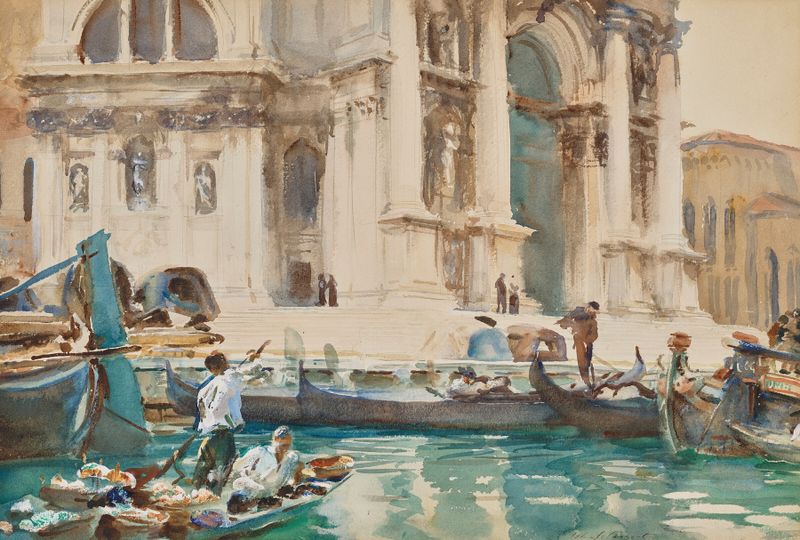
The Façade of La Salute, Venice
John Singer Sargent





