
Italialainen rosvo — History & Facts
What first seizes the eye in Italialainen rosvo is the commanding stance of its subject: a lone figure, half-shadowed against a sun-bleached rock face, his gaze fixed somewhere beyond the viewer. The careful tilt of his head and the casual grip on his musket suggest a man both alert and at ease in this rugged landscape. His costume—brimmed hat, crimson vest, blue trousers—signals not just regional identity, but a flair for drama, heightened by the painter’s lively brushwork.
Each fold of his brown cloak catches the light, drawing us into the story of a man who is both part of his wild surroundings and set apart from them. The palette, all earth and sky, sets a mood of adventure tinged with danger. Painted in 1870 by Albert Edelfelt, this work belongs to a moment when artists across Europe were captivated by the romance of the Italian bandit—a figure seen as both outlaw and folk hero. Such images were popular souvenirs for travelers on the Grand Tour, and they often blended observation with fantasy, reflecting a wider fascination with the picturesque and the exotic.
While little is recorded about the specific history of this painting, it now resides in a Finnish collection, a reminder of how far these romantic visions traveled. The world that produced Italialainen rosvo was one of shifting borders and restless curiosity, and the painting invites us to linger, to imagine the stories that might unfold just out of view.
More Artworks by Albert Edelfelt

The Day of Rest
Albert Edelfelt
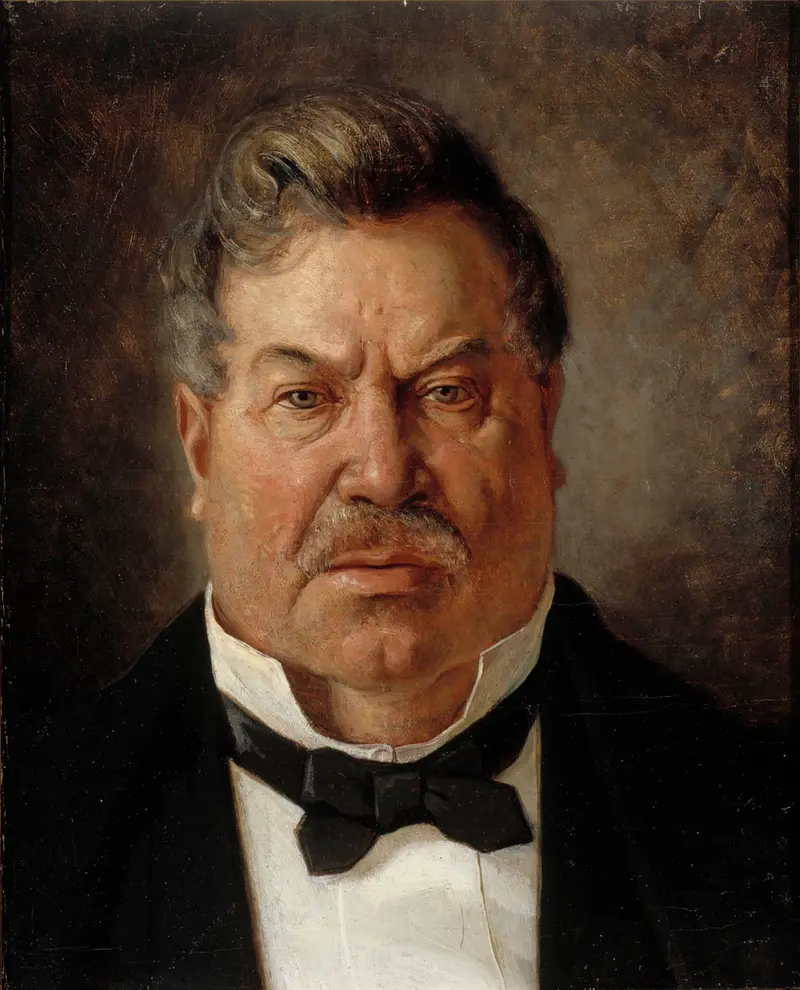
Portrait of August Streng
Albert Edelfelt
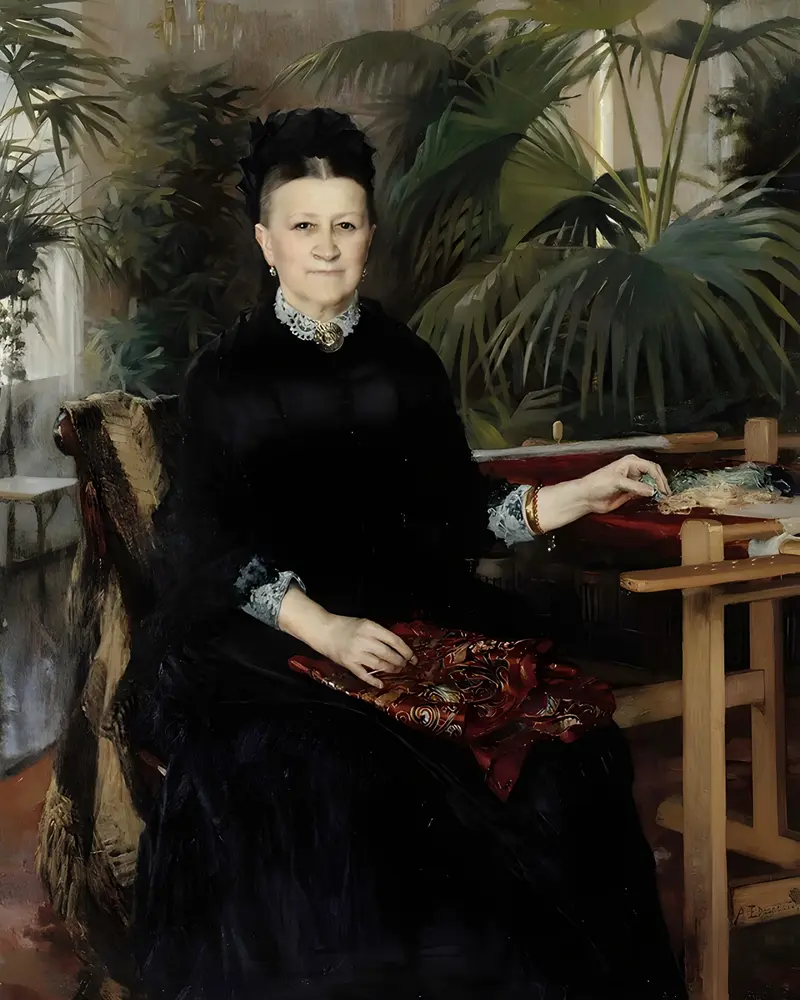
Portrait Of Mrs. Anna Sinebrychoff
Albert Edelfelt

The Poet, Larin Paraske
Albert Edelfelt

Parisian lady in a Peignoir
Albert Edelfelt
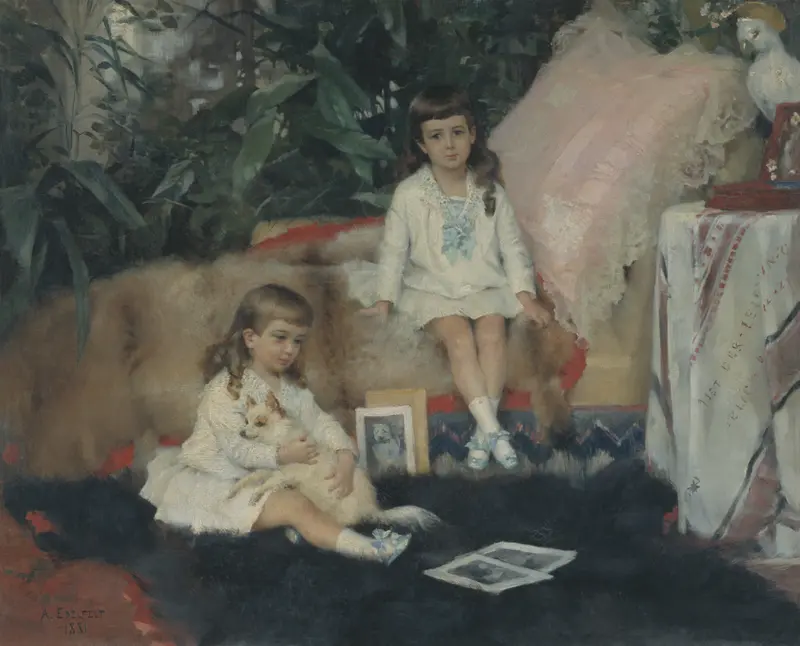
The Grand Dukes Boris and Kirill Vladimirovich as Children
Albert Edelfelt
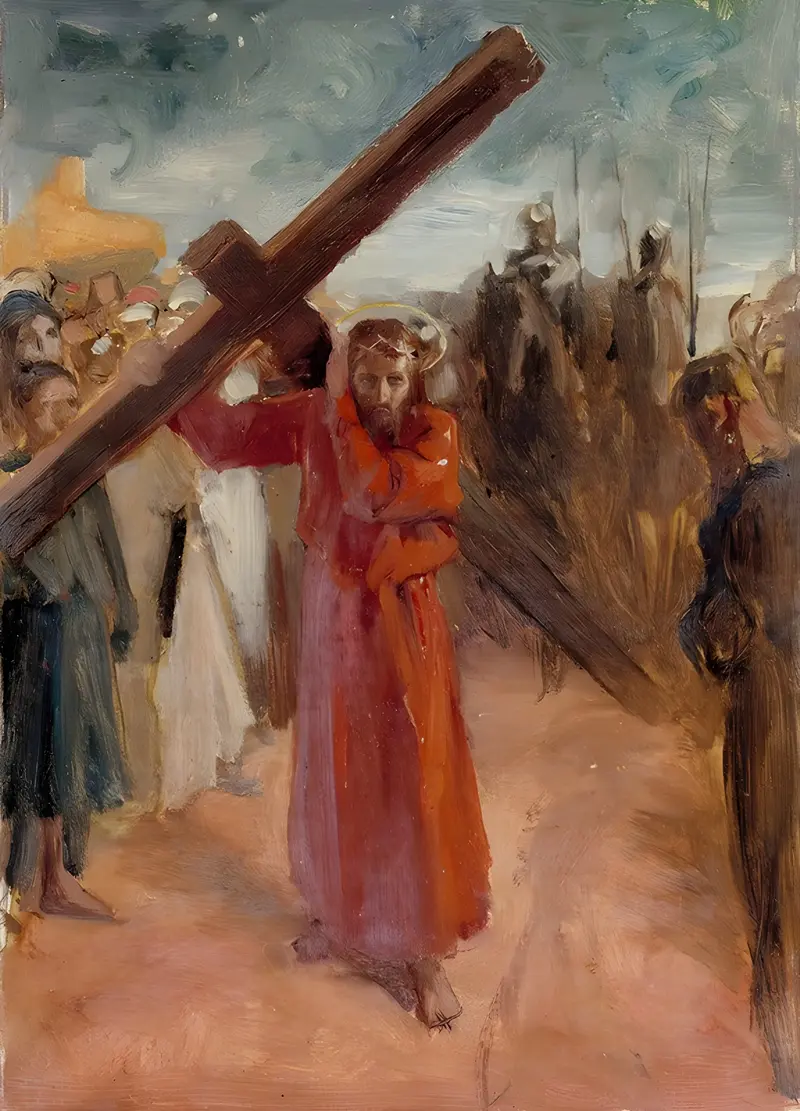
Christ Bears The Cross
Albert Edelfelt
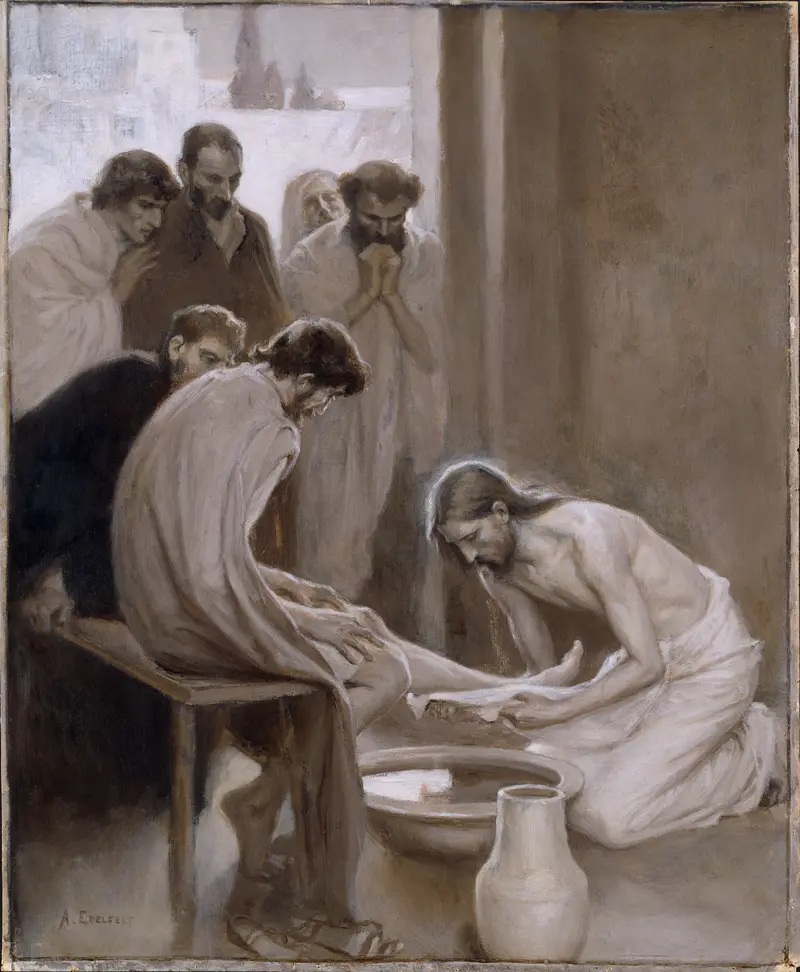
Jesus Washing the Feet of his Disciples
Albert Edelfelt

Larin Paraske with Kantele
Albert Edelfelt
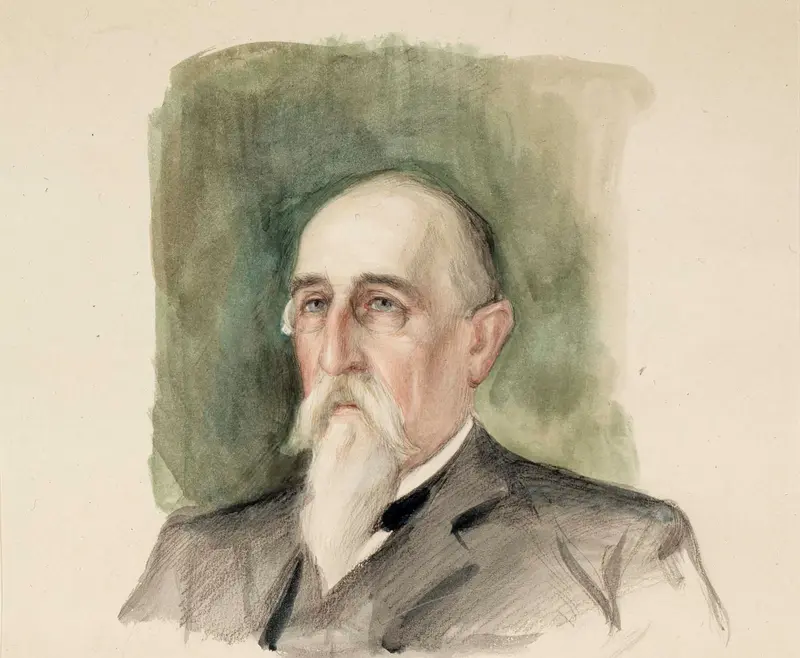
Leo Mechelin, Portrait Study
Albert Edelfelt
More Genre Scene Art

Banquet of the Officers of the St George Civic Guard
Frans Hals

Rembrandt and Saskia in the Scene of the Prodigal Son
Rembrandt van Rijn

Bal du moulin de la Galette
Pierre-Auguste Renoir

Quadrille at the Moulin Rouge
Henri de Toulouse-Lautrec

A Burial at Ornans
Gustave Courbet

When Will You Marry?
Paul Gauguin