Italian city view — History & Facts
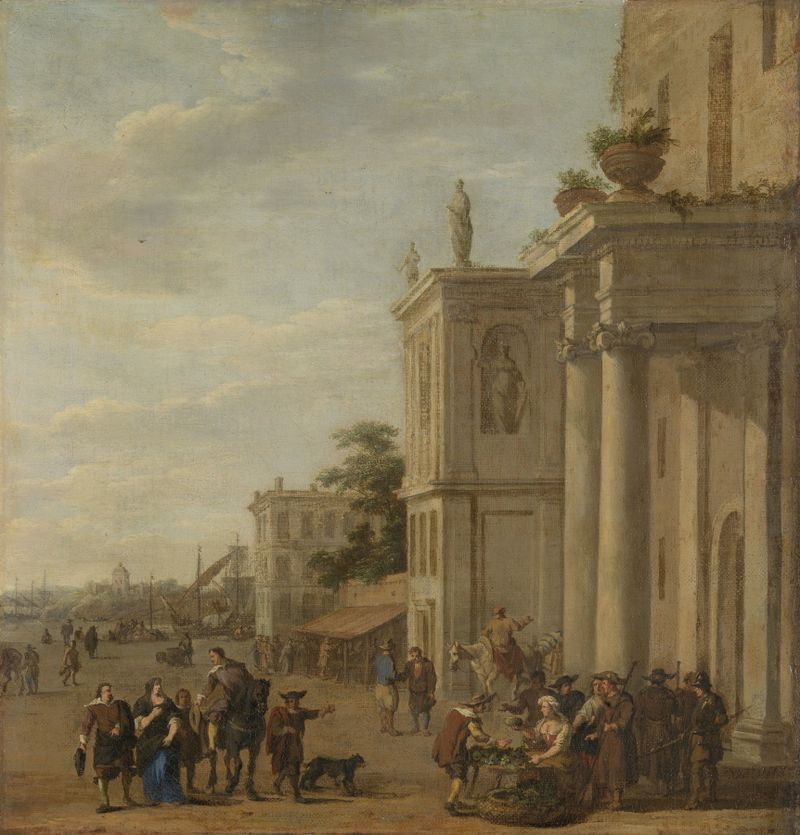
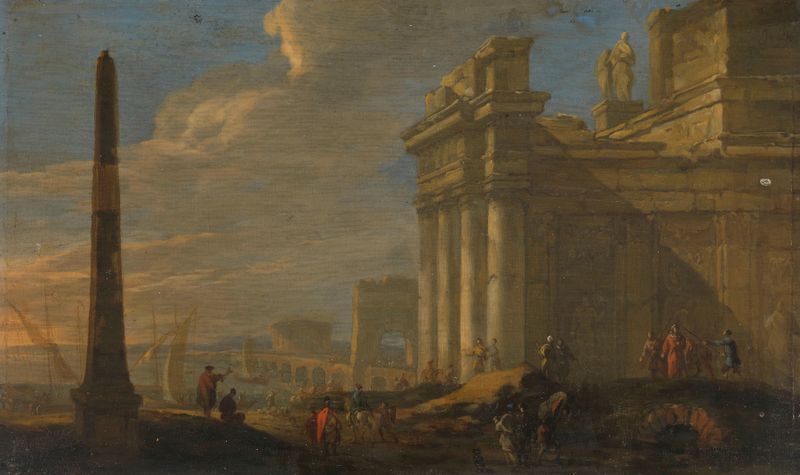
Could a single brushstroke hold eternity? In the delicate interplay between light and shadow, longing drips from every corner of the canvas, inviting the viewer to linger in its quiet beauty. Look to the right at the soft ripples of the water reflecting the sky's pastel hues, each stroke conveys a sense of gentle flow. Notice how the light falls upon the aged architecture, illuminating the intricate details of ancient buildings while casting soft shadows that whisper of time passing. The horizon, a blend of warm and cool tones, draws the eye into a serene world that feels both tangible and dreamlike. The painting captures a moment suspended in time, filled with the tension of nostalgia.
The stark contrast between the bustling city life and the silent, reflective water evokes a profound sense of yearning for what once was. Each building stands as a testament to history, while the water mirrors not only the physical surroundings but also the emotional currents that run beneath the surface. Created between 1650 and 1689, this piece reflects Jacob van der Ulft's deep connection to the Italian landscape, a time when he was immersed in the vibrant art scene of the Dutch Golden Age. His works often conveyed a longing for the classical beauty of Italy, mirroring the desires of many of his contemporaries who sought to capture the essence of a world steeped in history and culture.