Italian marketplace — History & Facts
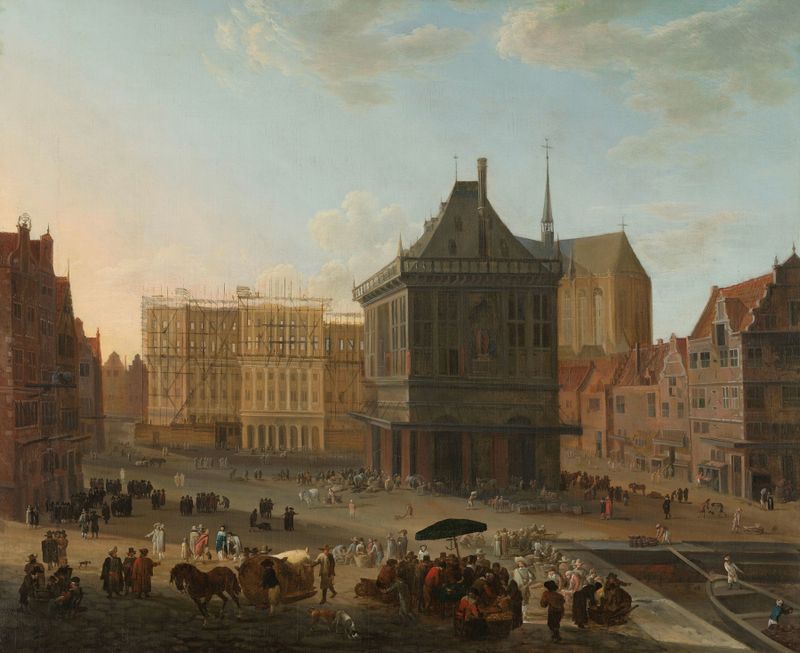
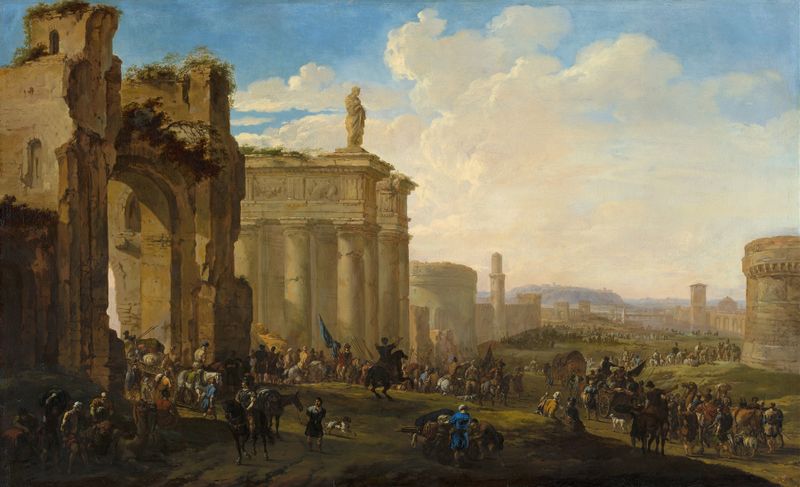
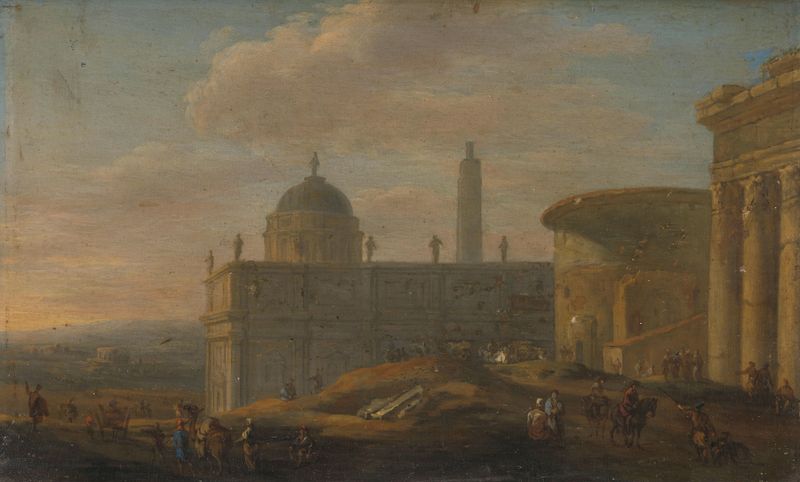
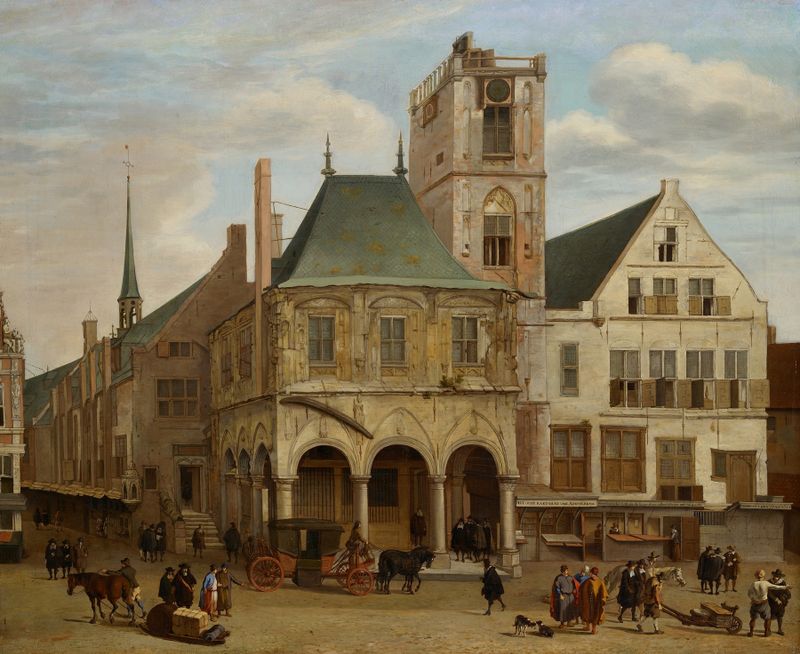
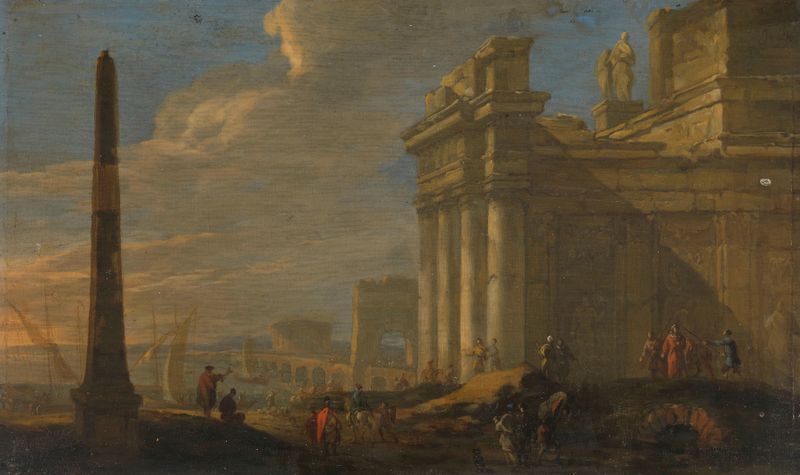
In Jacob van der Ulft’s Italian Marketplace, the vibrant chaos of life unfurls, capturing the delicate balance between abundance and loss. Look to the foreground, where lively figures barter and trade, their animated gestures creating a symphony of movement. Notice the warm, earthy tones that dominate the scene, each brushstroke breathing life into the bustling stalls adorned with fresh produce and vibrant textiles. The sunlight filters through the canvas, casting a soft glow on the merchants and their wares, emphasizing the beauty of this moment amidst the underlying tension. Yet, amid this lively exchange, a subtle melancholy weaves through the fabric of the painting.
The fleeting expressions of the figures hint at transient joys, suggesting that even in abundance, there lies an unspoken awareness of impermanence. The juxtaposition of the crowded marketplace with the empty spaces in the background invites contemplation on what is left unpursued or lost in the haste of daily life. Each detail—a discarded fruit, an absent gaze—echoes the bittersweet nature of existence. Jacob van der Ulft painted this work between 1650 and 1689, a period when he was well-established in Italy, immersing himself in the rich culture of Dutch and Italian art.
The marketplace scenes he created at this time reflect the economic prosperity and social interactions of the era, while also hinting at the broader existential themes emerging in the art world, where beauty often masks an underlying fragility.