Italian harbor view — History & Facts
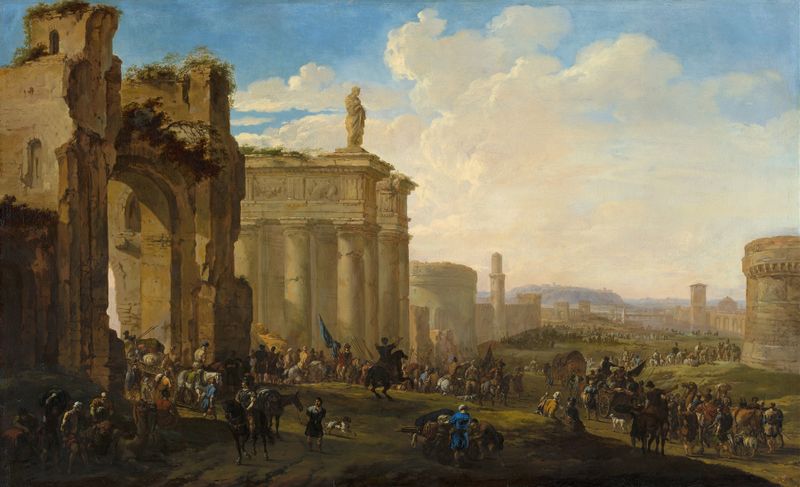
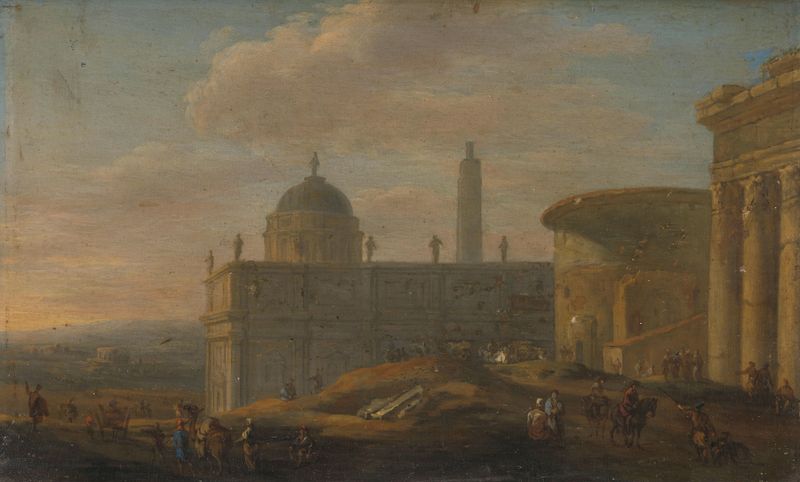
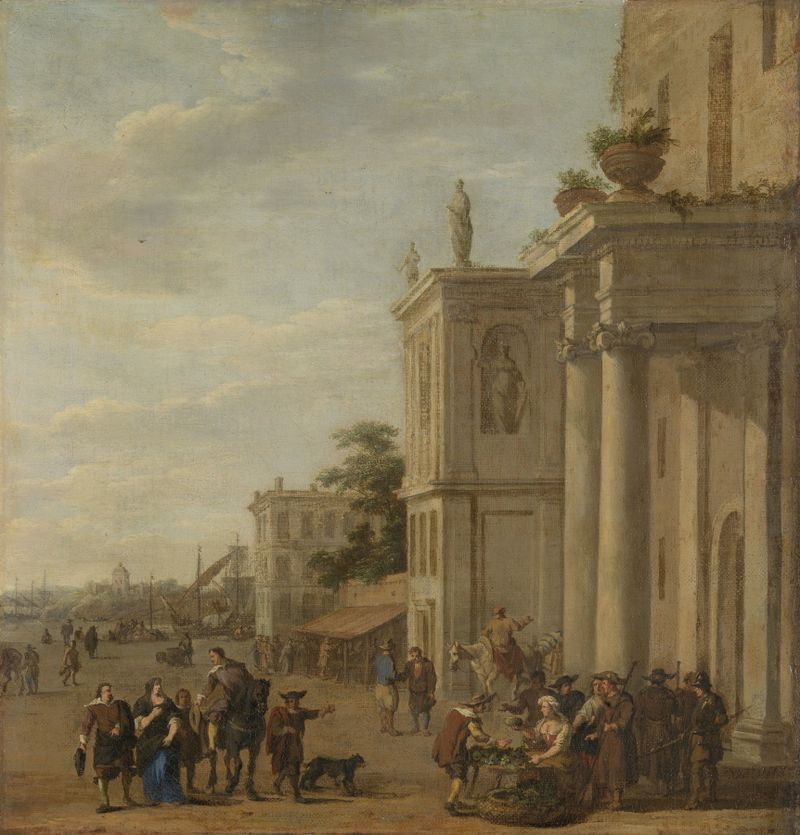
In a world often rushed and distracted, the quiet moments captured in a painting can reveal our deepest destinies. Look towards the horizon where the calm water meets the vibrancy of the sky, a tapestry of soft blues and warm golds swirling together. Notice how the gentle ripples reflect the crumbling architecture of Italian harbor buildings, their aged facades rich with stories of time and the lives once lived within them. The meticulous brushwork invites you to trace each line, while the interplay of light and shadow breathes life into the scene, creating a palpable sense of tranquility amidst the whispers of history. Deeper insights emerge in the convergence of land and sea, where the boats—small yet resilient—seem to float between worlds.
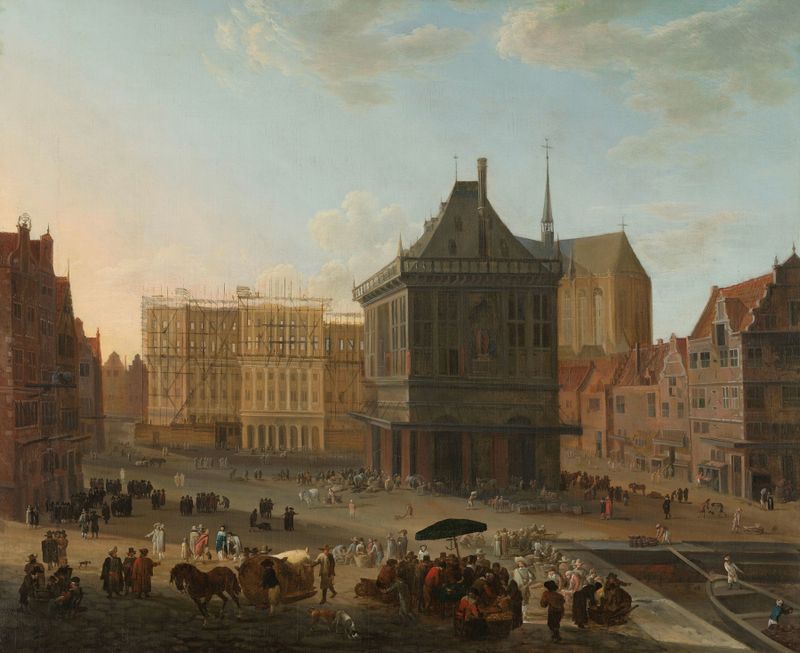
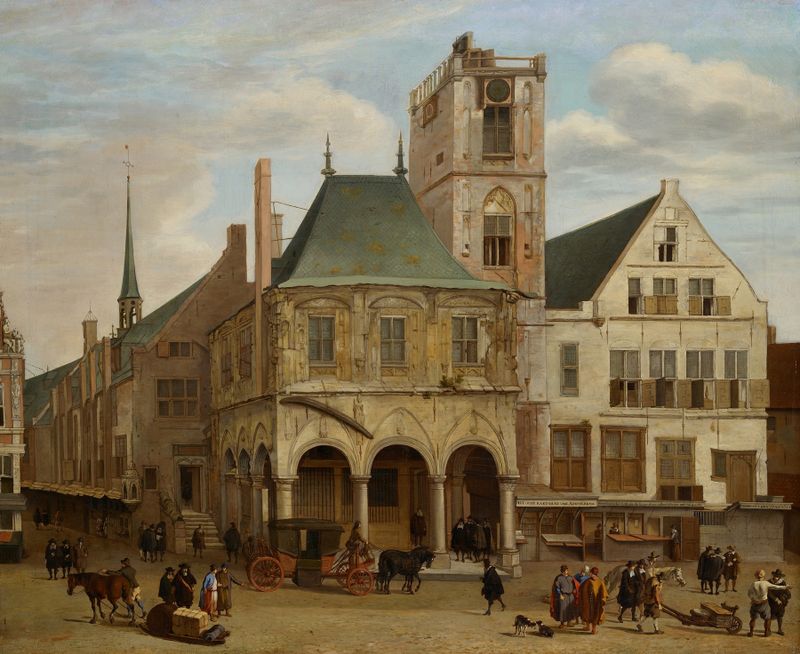
A single figure stands near the water's edge, their solitary stance suggesting a moment of introspection or a decision that may alter the course of their life. This juxtaposition of stillness against the backdrop of an expansive, bustling harbor speaks volumes about the nature of human existence and the unseen currents that guide our destinies. Jacob van der Ulft painted this captivating harbor view between 1650 and 1689, during a time when Dutch artists were increasingly drawn to the allure of Italian landscapes. His life straddled the vibrant artistic exchanges between Northern Europe and Italy, a world marked by exploration and evolving artistic techniques.
In this work, he not only captures a picturesque scene but also reflects the broader themes of life’s journey and the complexity of fate.