
Jacques and the Wounded Stag- ‘As You Like It,’ Act II, Scene I — History & Facts
Who listens when art speaks of silence? In Jacques and the Wounded Stag, a poignant exploration of desire unfolds amidst a quiet yet charged tableau. The emotional weight of the scene invites contemplation on the complexities of longing and empathy, urging us to tune into the unspoken narratives that lie within. Look to the left, where Jacques stands, his posture one of languid contemplation against a backdrop of lush greenery. The soft brushwork captures the delicate interplay of light filtering through the leaves, creating a dappled effect on the forest floor.
Notice how the stag, wounded and vulnerable, is rendered with exquisite detail, its dark eyes reflecting pain and innocence. The color palette of earthy greens and browns imbues the work with a sense of natural harmony, yet the tension between Jacques and the creature hints at deeper emotional currents. The themes of desire and compassion resonate through the nuanced interactions within the painting. Jacques's gaze, heavy with introspection, suggests a profound connection to the stag—a mirror of his own internal struggles.
The contrast between the serene woodland setting and the tragic fate of the creature serves as a haunting reminder of the fragility of life and the burdens of desire. Each leaf, each shadow, echoes the weight of unfulfilled longing. William Hodges created this work during a period in which he was deeply engaged with the themes of nature and humanity. Working in the late 18th century, a time of exploration and colonial expansion, he sought to capture the essence of the sublime in the natural world.
This piece reflects his ongoing fascination with emotion and the human condition, highlighting the poignant intersection of life, death, and desire in a rapidly changing world.
More Artworks by William Hodges
Browse all →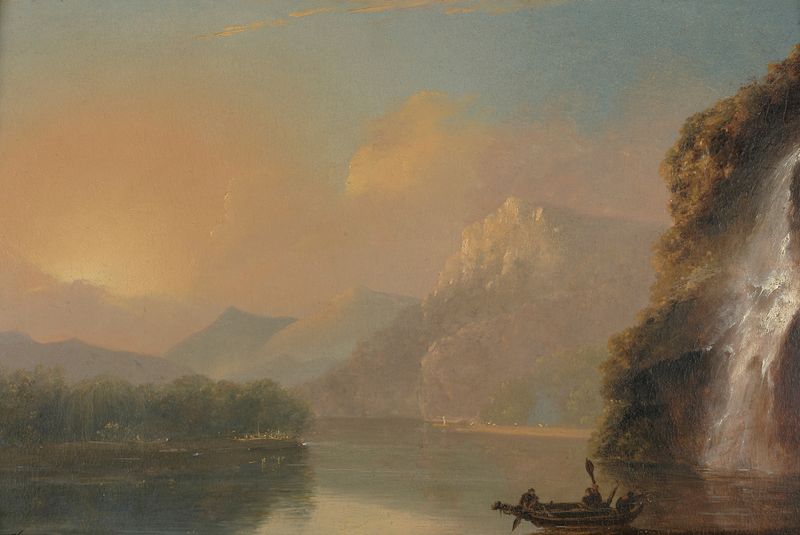
Waterfall in Dusky Bay with Maori canoe
William Hodges
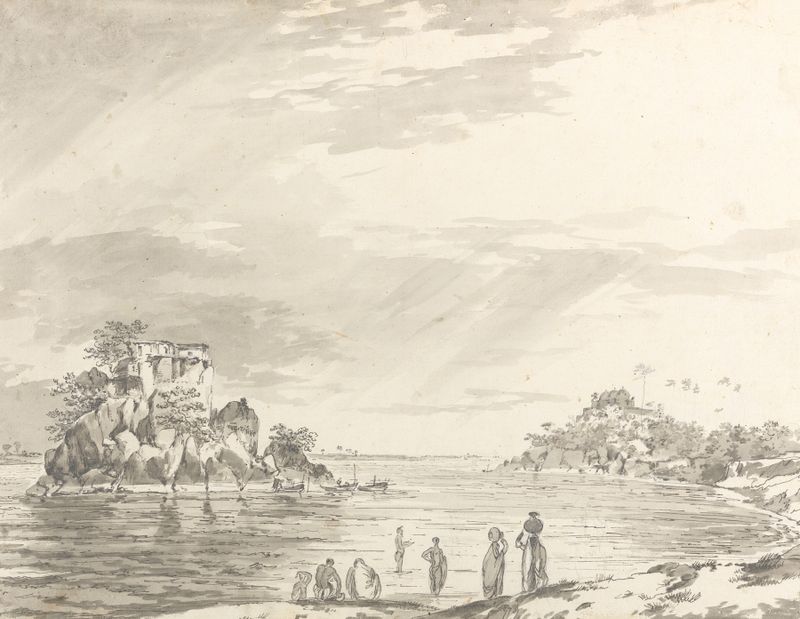
Original Drawings for Choix de Vues de L’Inde and Others Pl.15
William Hodges
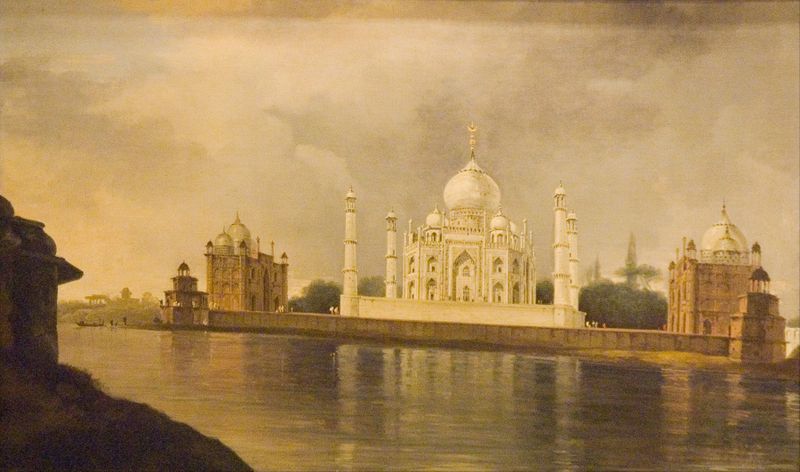
The Taj Mahal
William Hodges
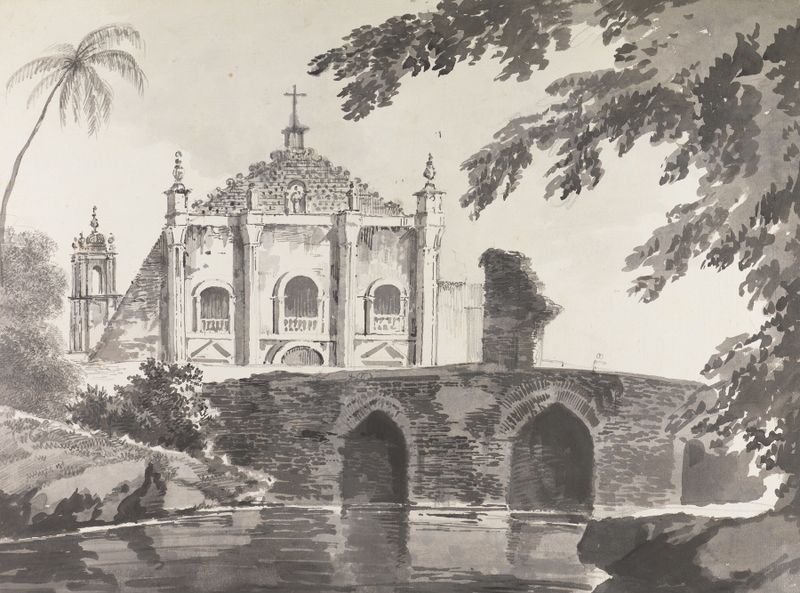
Original Drawings for Choix de Vues de L’Inde and Others Pl.50
William Hodges
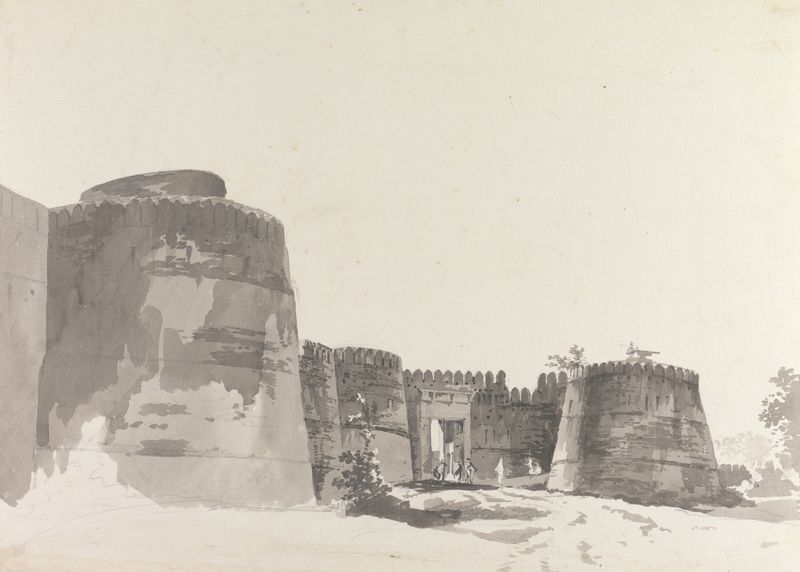
Original Drawings for Choix de Vues de L’Inde and Others Pl.34
William Hodges
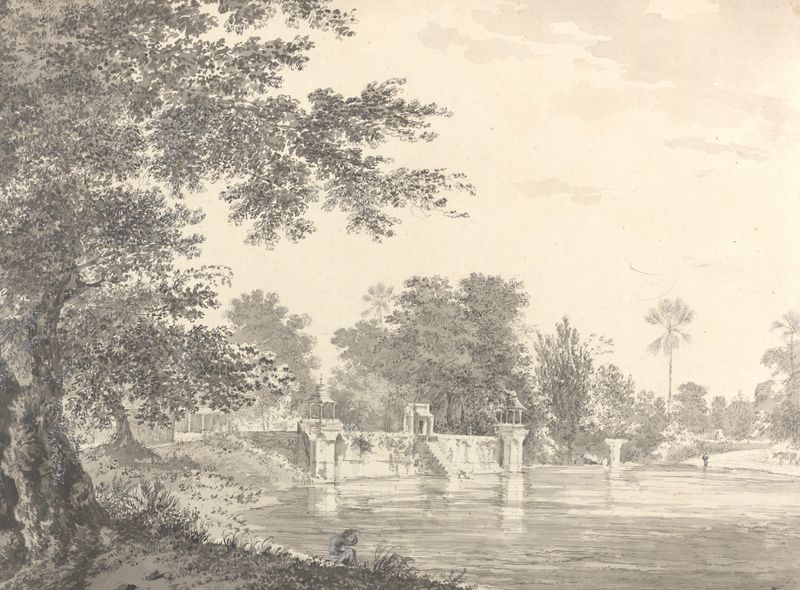
Original Drawings for Choix de Vues de L’Inde and Others Pl.03
William Hodges
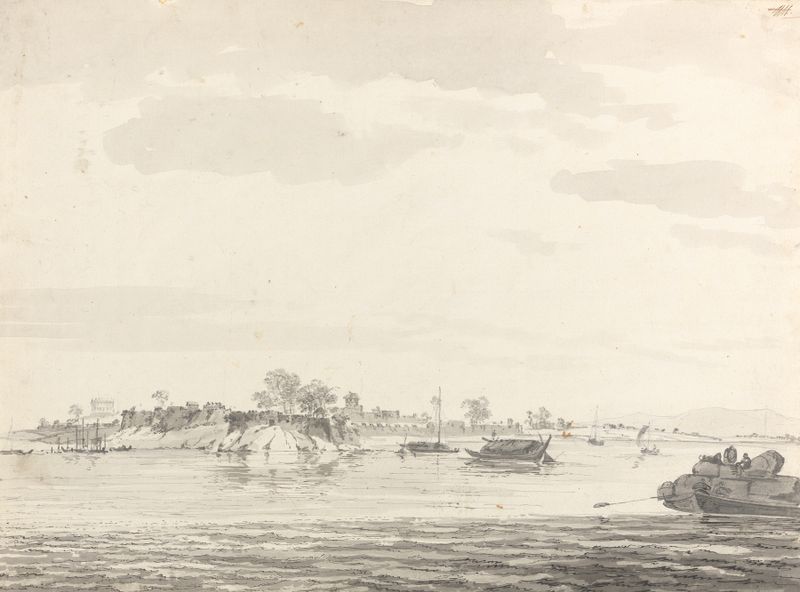
Original Drawings for Choix de Vues de L’Inde and Others Pl.18
William Hodges
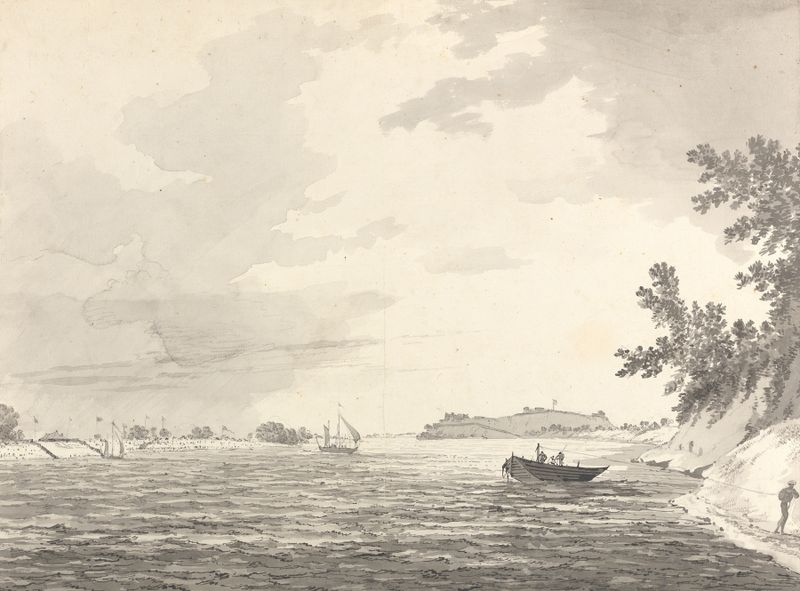
Original Drawings for Choix de Vues de L’Inde and Others Pl.10
William Hodges
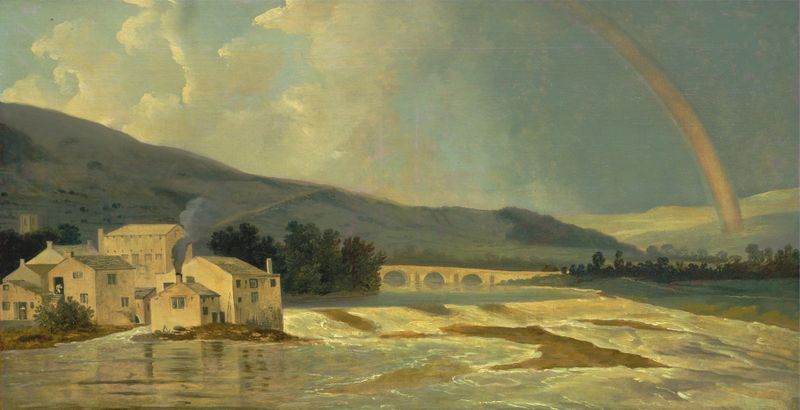
Otley Bridge on the River Wharfe
William Hodges
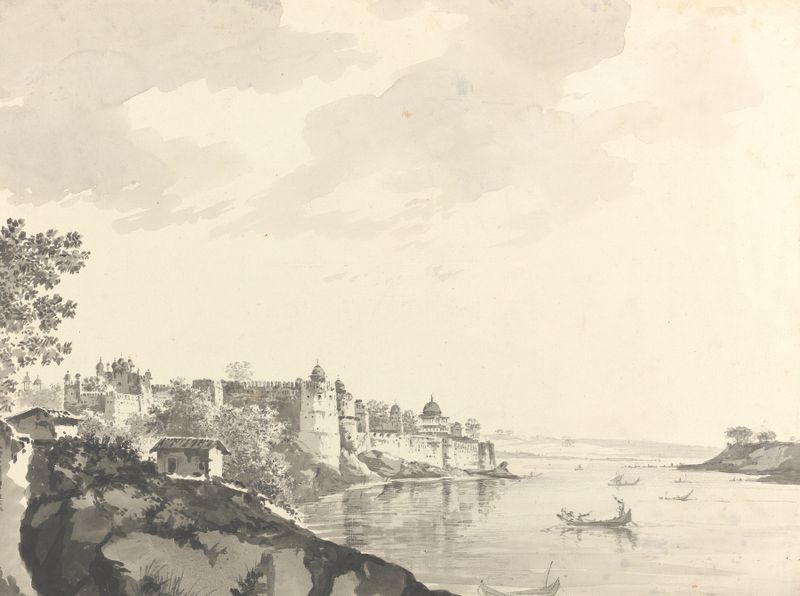
Original Drawings for Choix de Vues de L’Inde and Others Pl.08
William Hodges





