
Janowitz castle — History & Facts
What if beauty was never meant to be finished? The fragments of a dream linger in the air, teetering between reality and madness, beckoning the viewer to lose themselves in its embrace. To appreciate the essence of this work, look to the imposing structure on the left, where stone battlements seem to emerge from a swirling fog. Notice how the sky, painted in tumultuous hues of grey and blue, contrasts with the intricate details of the castle, highlighting its majesty amid chaos. The artist employs soft brushstrokes to convey movement in the clouds, while sharper lines define the architecture, creating a tension that anchors the viewer’s gaze. Delve deeper into the depths of the canvas where the shadows lurk—each crevice and fissure whispers secrets of the past.
The wild vegetation at the base of the castle speaks to nature's resilience, almost claiming it as its own, while hints of light filtering through the clouds suggest a fleeting hope. This juxtaposition of decay and grandeur captures an emotional turbulence that mirrors the madness of existence—beauty intertwined with imperfection. In 1875, Friedrich Ernst Morgenstern found inspiration in the landscapes of Germany, a nation wrestling with its cultural identity. This piece emerged during a period of Romanticism, where artists sought to express the sublime through nature and architecture.
Amidst a backdrop of industrial change, Morgenstern painted Janowitz Castle, echoing both a yearning for the past and a grappling with the unpredictable future.
More Artworks by Friedrich Ernst Morgenstern
Browse all →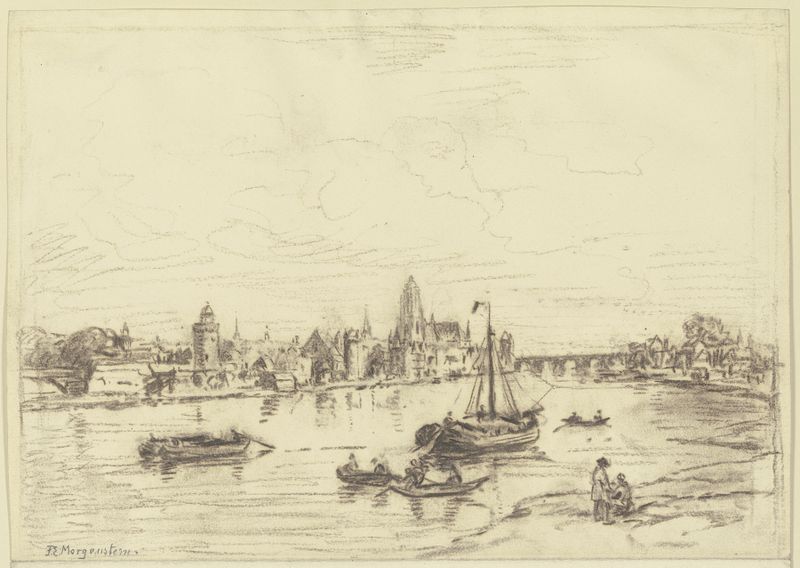
View of Frankfurt
Friedrich Ernst Morgenstern

On the Scheldt near Veere
Friedrich Ernst Morgenstern
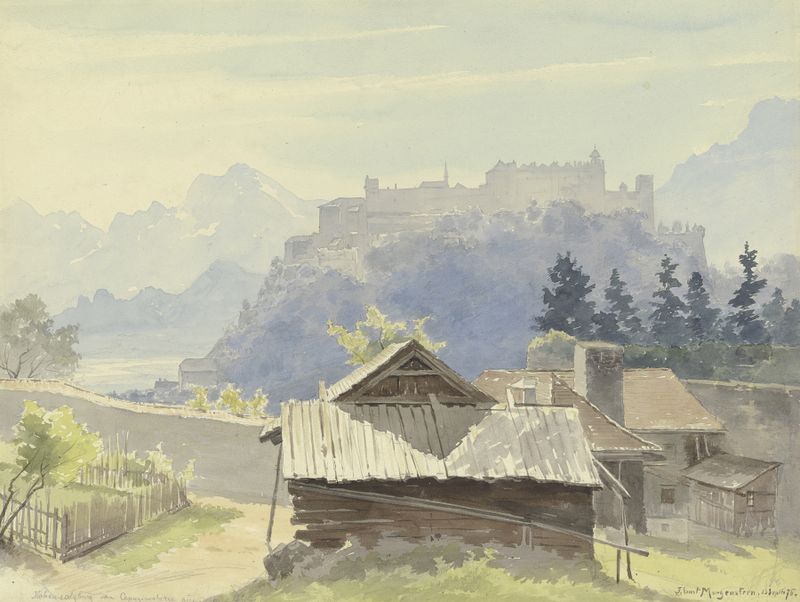
Hohensalzburg vom Kapuzinerberg aus gesehen
Friedrich Ernst Morgenstern
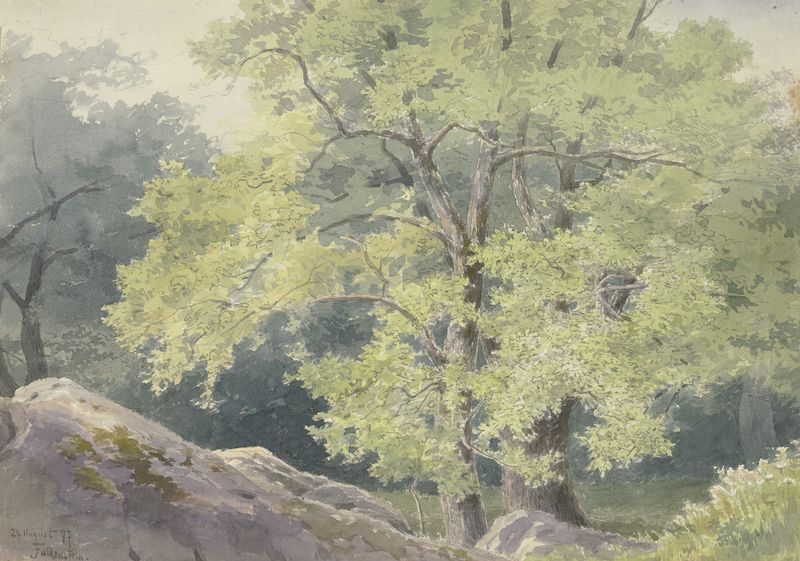
In the forest near Falkenstein
Friedrich Ernst Morgenstern
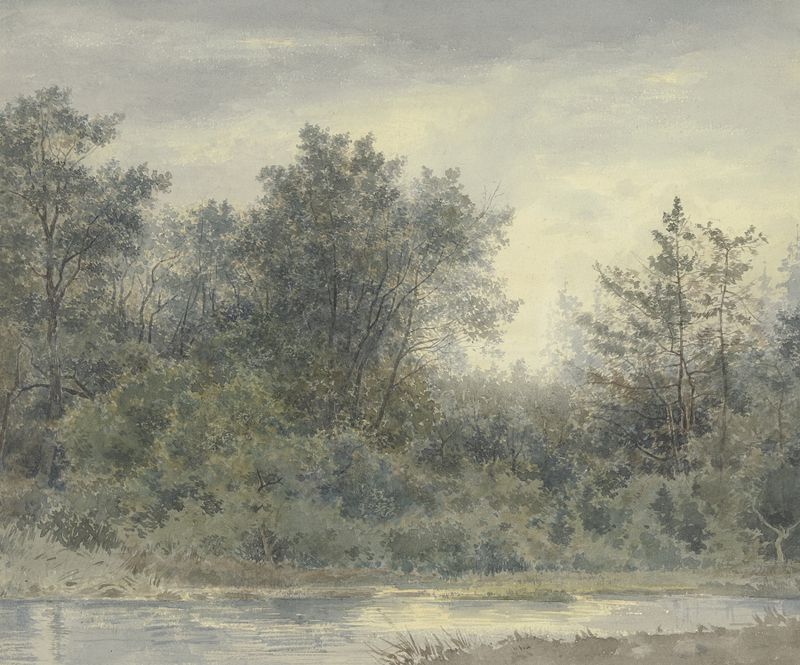
Wood by the water
Friedrich Ernst Morgenstern
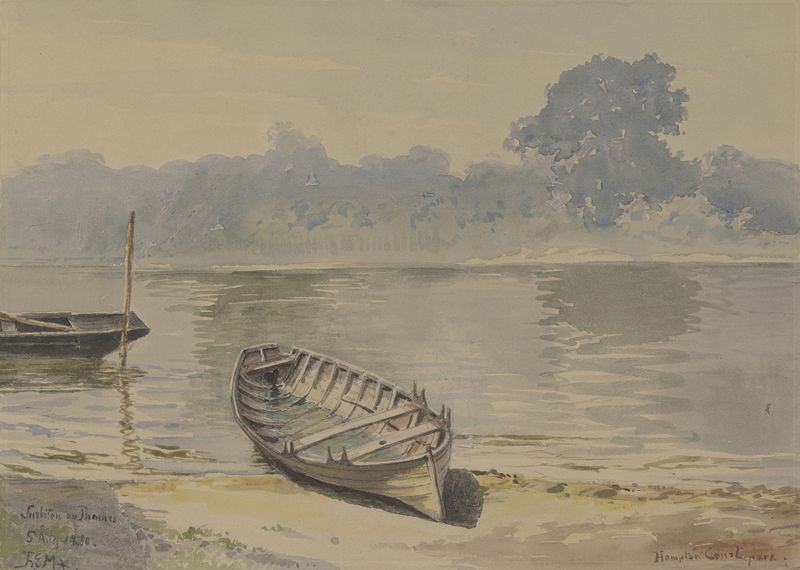
From Hampton Court Park
Friedrich Ernst Morgenstern
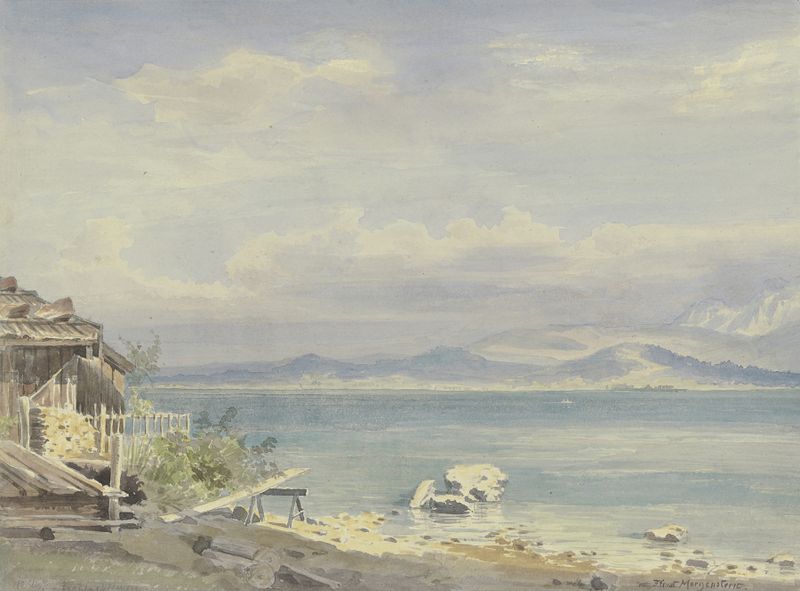
Frauenchiemsee
Friedrich Ernst Morgenstern
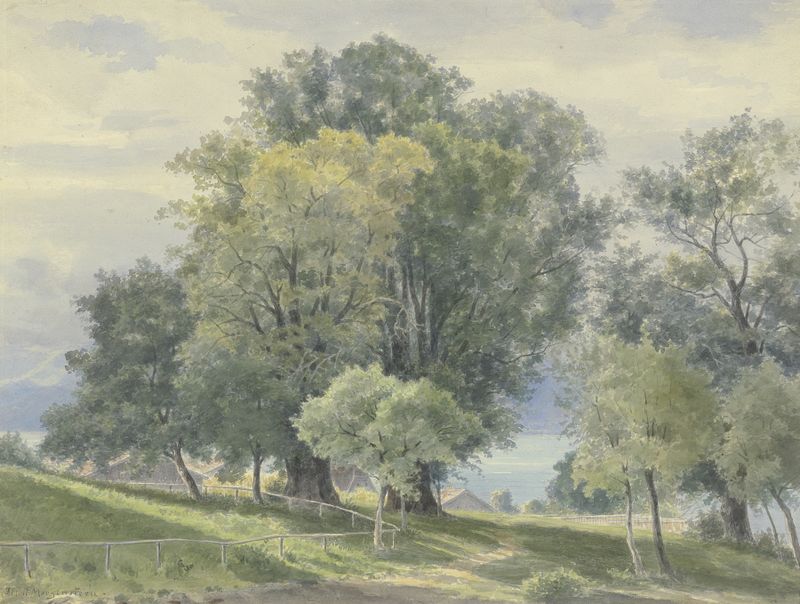
Frauenchiemsee
Friedrich Ernst Morgenstern
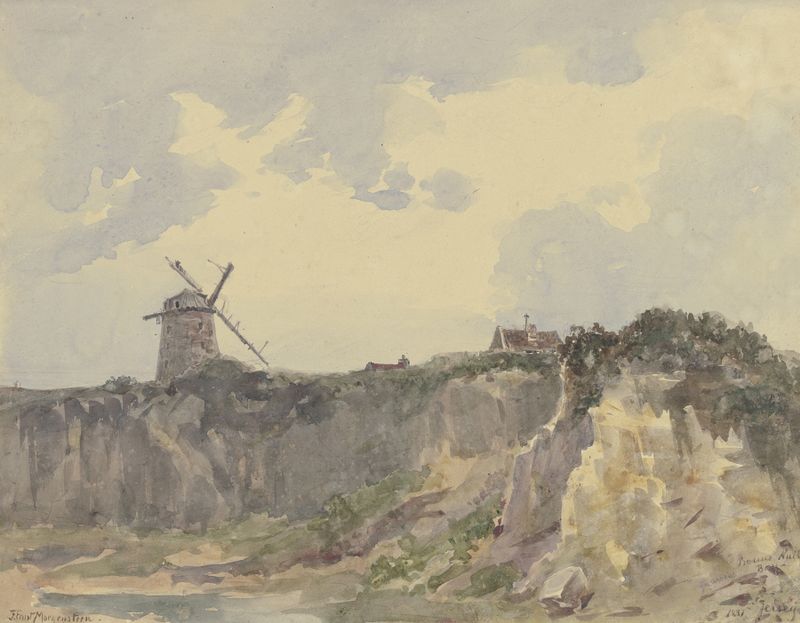
Küstenlandschaft der Bonne Nuit Bay
Friedrich Ernst Morgenstern
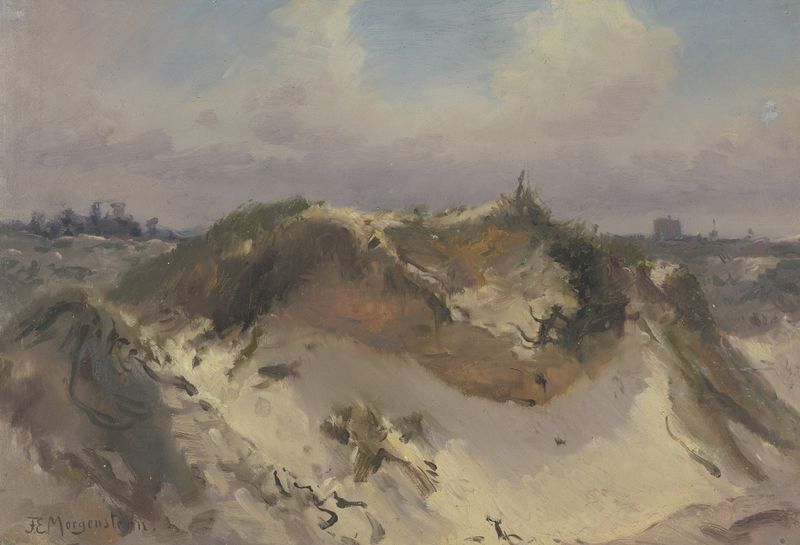
Dune near De Panne
Friedrich Ernst Morgenstern
More Architecture Art
Browse all →
The statue of Liberty
Frédéric Auguste Bartholdi

View of Houses in Delft, Known as ‘The Little Street’
Johannes Vermeer

View of Houses in Delft, Known as ‘The Little Street’
Johannes Vermeer

The Cathedral in Rouen. The portal, Grey Weather
Claude Monet

The yellow house
Vincent van Gogh

The Church in Auvers-sur-Oise, View from the Chevet
Vincent van Gogh