Japon van citroengele ripszijde geborduurd met zijde met ranken en paarse bloemen, bestaande uit een overjapon (a), een tablier (b), een devant-de-gorge (c) en een losse metrage zijde (d) — History & Facts
The very essence of a revolution unfolds in the delicate threads of this textile masterpiece. Each stitch whispers stories of artistry, defiance, and cultural transformation, reflecting a world in flux. Look closely at the rich interplay of color and texture; the vibrant yellow silk catches the light at the forefront, drawing your eye immediately. Notice how the intricate embroidery of purple flowers and curling vines begins to weave a narrative, contrasting the lushness of the flora against the simplicity of the fabric’s base.
This juxtaposition of busy ornamentation against the understated elegance of the silk embodies a clash between tradition and modernity, hinting at the tumultuous era of the 1920s. Delve deeper into its meaning—this piece reflects not only the opulence of its time but also the subtle undercurrents of rebellion against the conventions of fashion and identity. The choice of colors becomes symbolic, with the striking yellow representing optimism and new beginnings, while the purple flowers evoke a sense of royalty and ambition. In this embroidery, the harmony of craftsmanship and artistic vision articulates a yearning for freedom amid societal constraints. Created in 1925, this artwork stands as a testament to the creative spirit flourishing in Europe during a period marked by rapid change and artistic experimentation.
The artist, though unknown, represents the collective ingenuity of a generation eager to redefine aesthetics and challenge norms through the medium of textiles. It speaks to an era where the intersection of art and life began to reshape both personal and cultural identities.
More Artworks by Unknown Artist
Browse all →
Ridder, Dood en Duivel
Unknown Artist
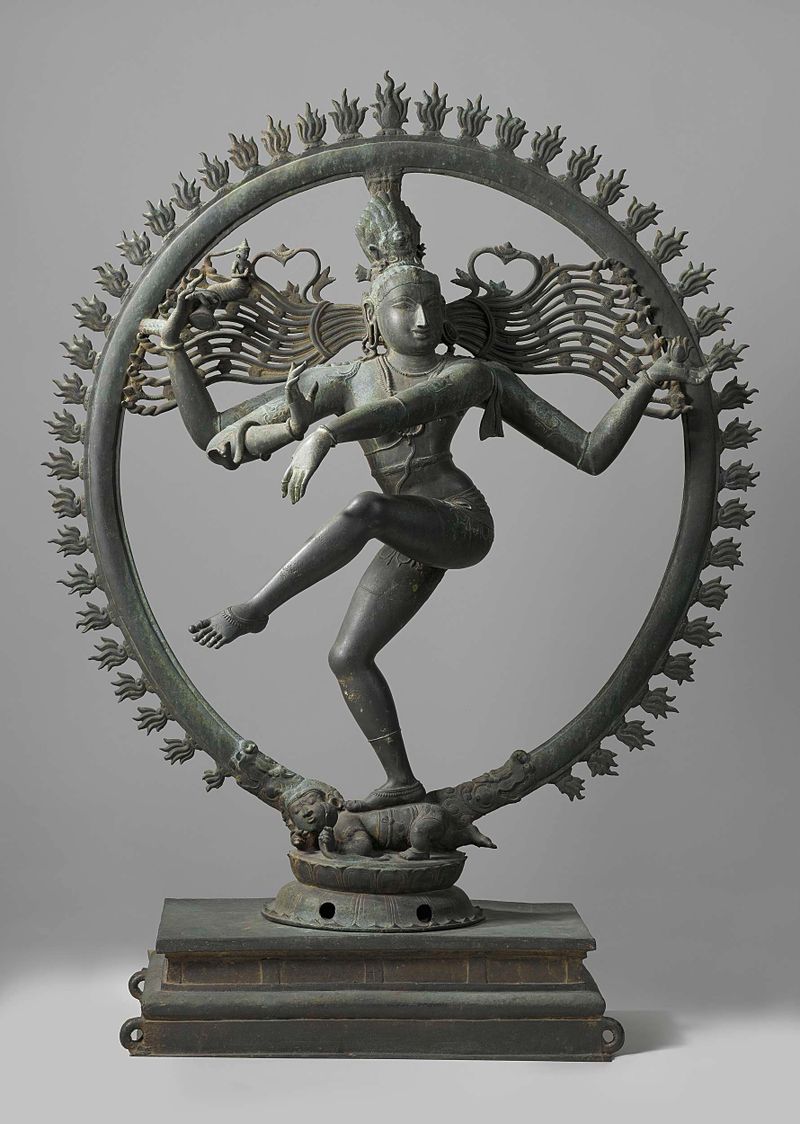
Shiva Nataraja
Unknown Artist
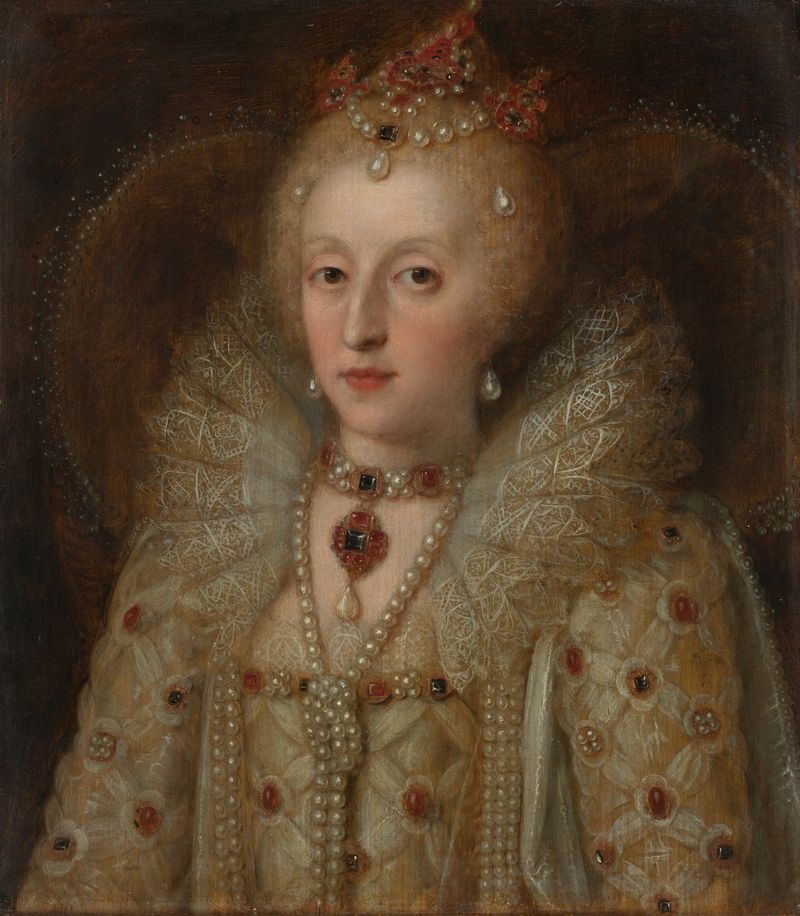
Portrait of Elizabeth I, Queen of England
Unknown Artist
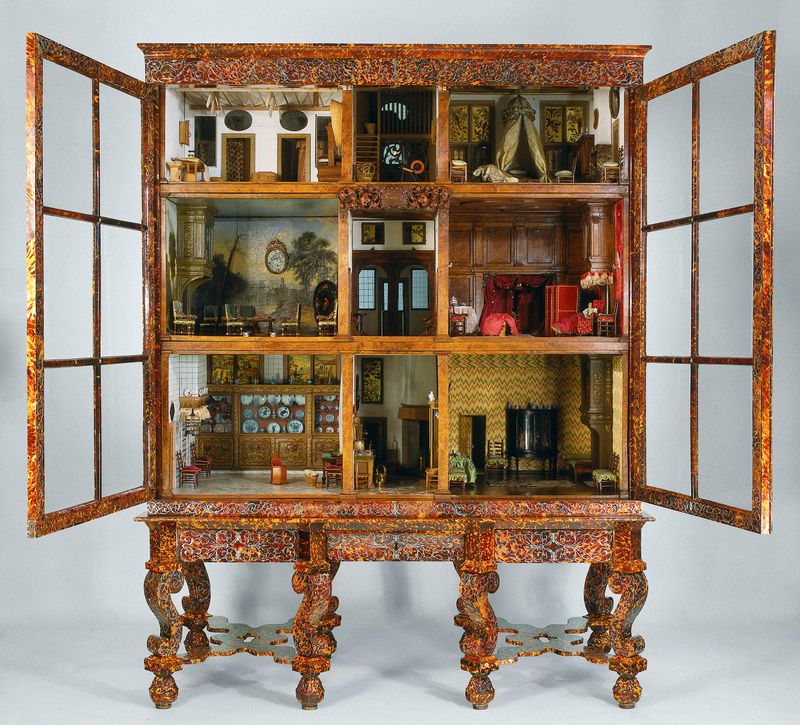
Dolls’ house of Petronella Oortman
Unknown Artist
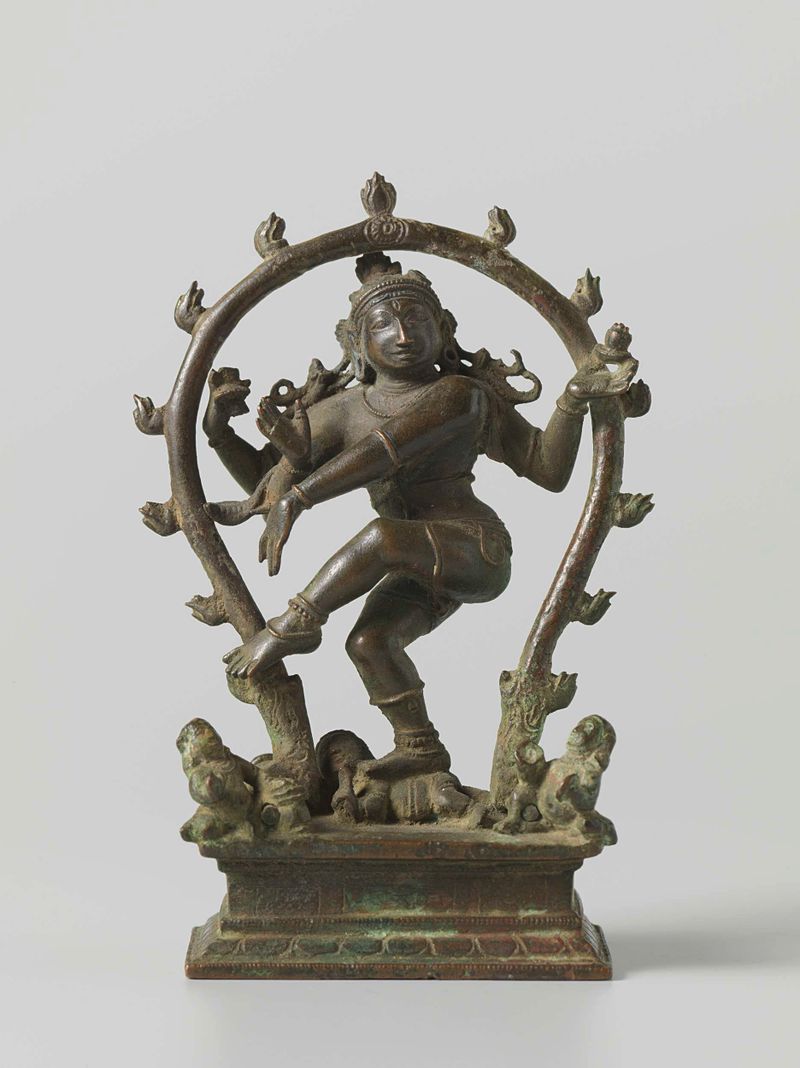
Shiva Nataraja
Unknown Artist

The Tale of Genji
Unknown Artist

The Tale of Genji
Unknown Artist

Cong
Unknown Artist
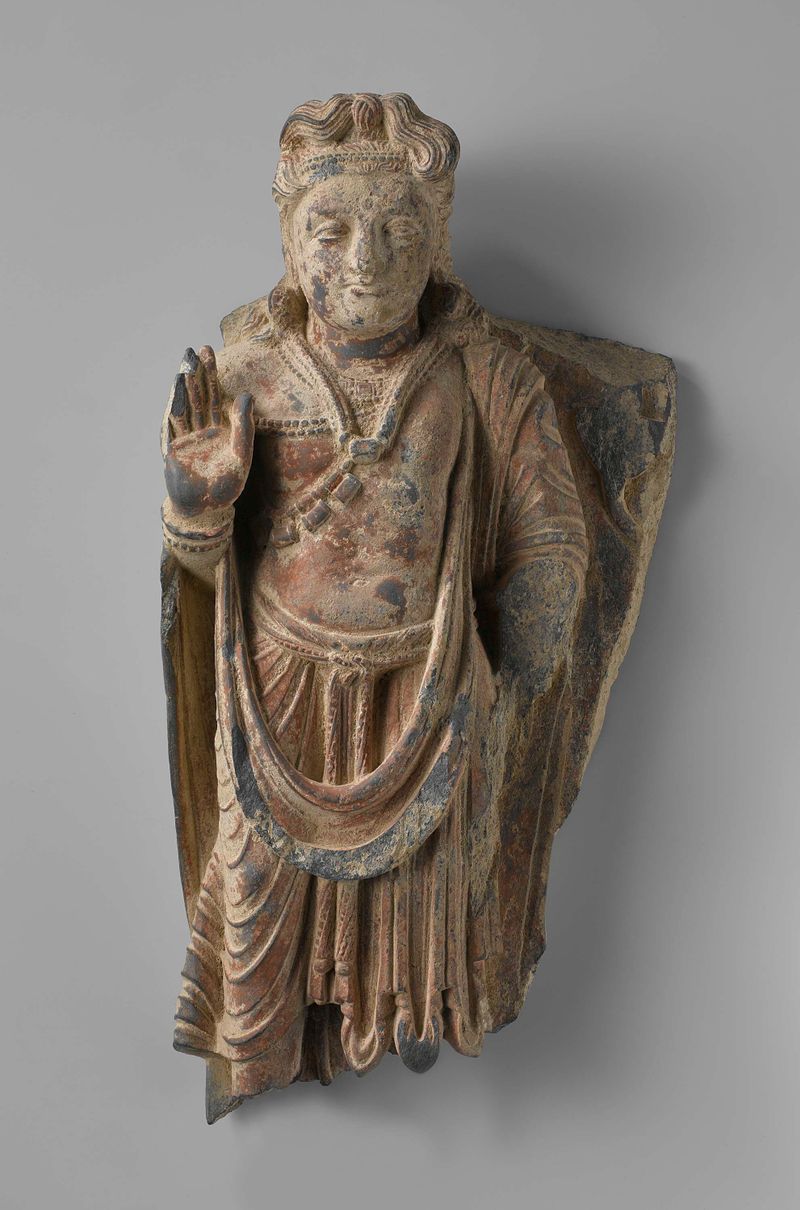
The bodhisattva Maitreya
Unknown Artist

Teabowl with a 'hare's fur' glaze
Unknown Artist