Jardin aux environs d’Étrépagny — History & Analysis
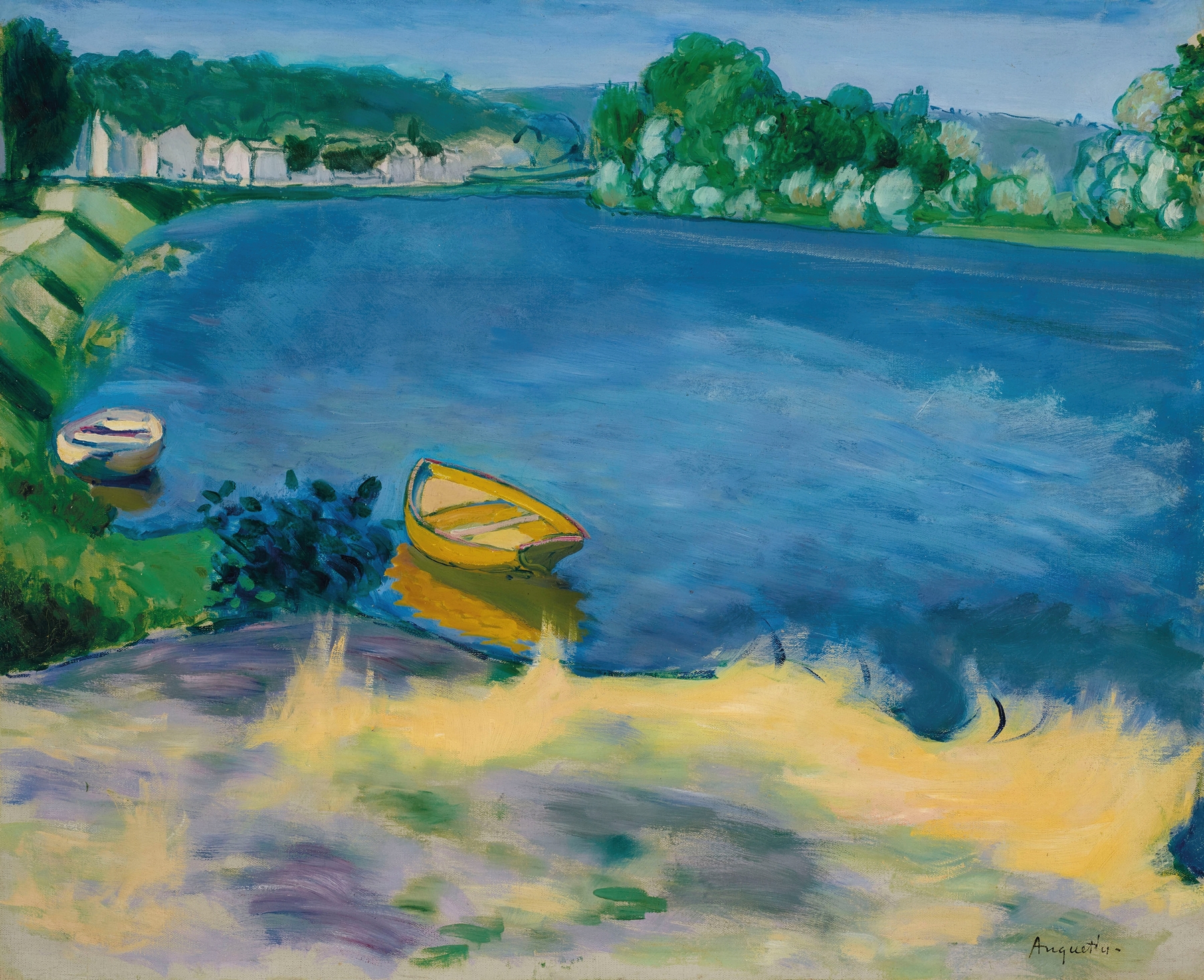
Could beauty survive in a century of chaos? In Jardin aux environs d’Étrépagny, a tranquil garden emerges, cradled in the soft embrace of nature, inviting contemplation amid the turmoil of the late 19th century. Look to the center where vivid greens burst forth, interspersed with dappled patches of sunlight that dance across the foliage. The brushwork is dynamic, with rhythmic strokes that create movement, as if the garden itself breathes. Notice how the juxtaposition of warm yellows and cool blues captures the delicate balance of light and shadow, enhancing the sense of serenity that permeates the scene.
The composition is intimate, drawing the viewer into a world that feels both serene and alive. Amidst this beauty lies a profound yearning, a desire for solace in an era marked by rapid industrial change and uncertainty. The lush blooms beckon with a promise of peace, yet their vibrant colors starkly contrast the encroaching chaos of modernity. Each stroke reveals an emotional tension—between nature and civilization, calm and turmoil—that resonates deeply with the viewer.
In these details, Anquetin captures a longing for a simpler existence, one that feels increasingly out of reach. Created in 1887 in France, this piece reflects Anquetin's position within the burgeoning Post-Impressionist movement. At this time, he was exploring the blending of color and form, influenced by both Impressionism and the emerging Symbolist movements. The world around him was undergoing significant change, and in this garden, he found a moment of stillness to express his inner landscape—a counterpoint to the noise of the outside world.