
Jardins de Kew — History & Facts
In Jardins de Kew, silence envelops the viewer, inviting us to pause and reflect on the delicate balance between nature and the human experience. Look to the lower right, where the vibrant greens of the foliage beckon, celebrating the lush vitality of the moment. The gentle brushstrokes capture the play of light filtering through the leaves, creating an interplay of shadow and sun that breathes life into the scene. As you follow the winding path to the center, your gaze is drawn to the figures—small, almost ghost-like in their quietude—engaging with the tranquil environment, seemingly lost in contemplation. At first glance, the painting appears to simply depict a serene garden, but deeper inspection reveals an emotional tension woven throughout the landscape.
The juxtaposition of vibrant colors against the subdued figures suggests a yearning for connection, as if the individuals are both part of and separate from the life surrounding them. This isolation contrasts with nature's boundless energy, hinting at the complexities of human existence amidst the beauty of the natural world. Camille Pissarro completed this work in 1893 while living in Éragny, France, during a time when he was deeply influenced by Impressionism's evolving aesthetic. The late 19th century saw him experimenting with color and light, seeking to capture fleeting moments that reflect both the external world and internal emotion.
Pissarro's focus on nature and the human presence within it marked a significant departure from the more rigid forms of earlier artistic practices, positioning him as a pivotal figure in the movement.
More Artworks by Camille Pissarro
Browse all →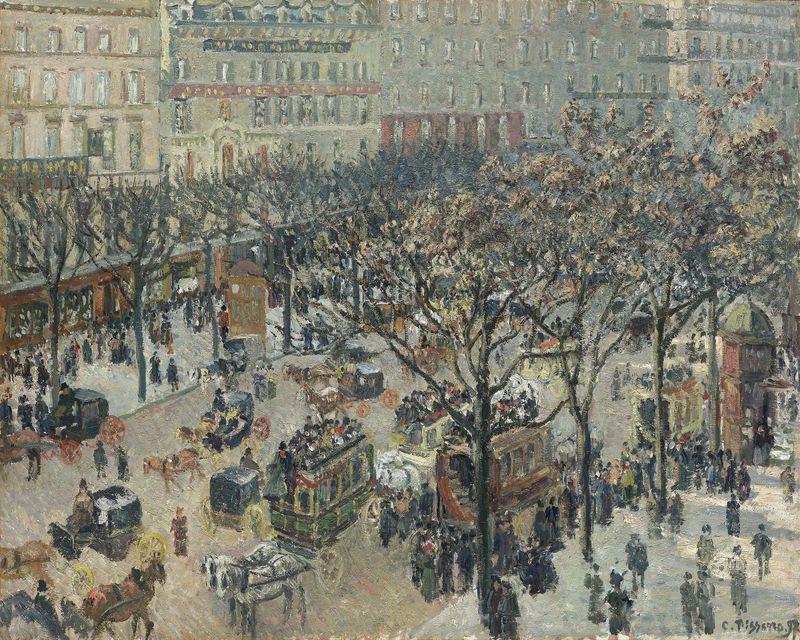
Boulevard des Italiens,Morning_Sunlight
Camille Pissarro
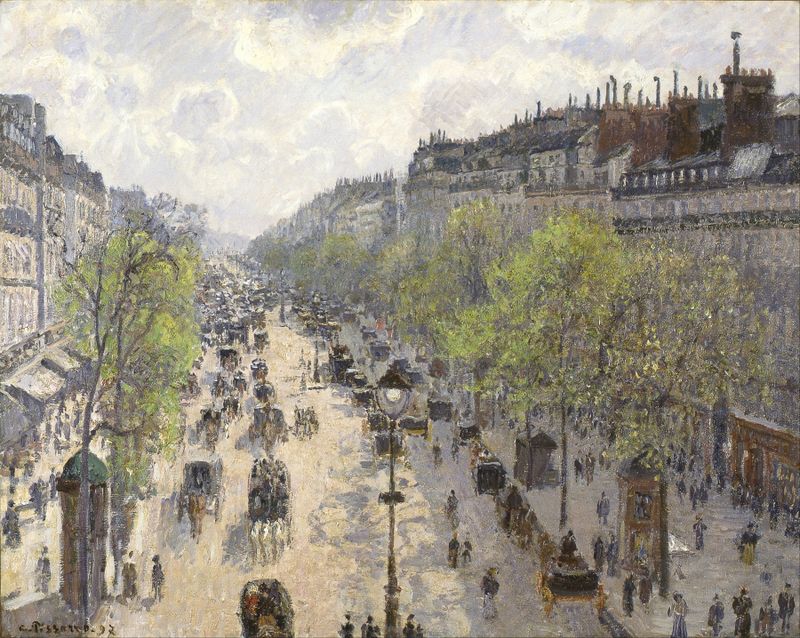
Boulevard Montmartre, Spring
Camille Pissarro
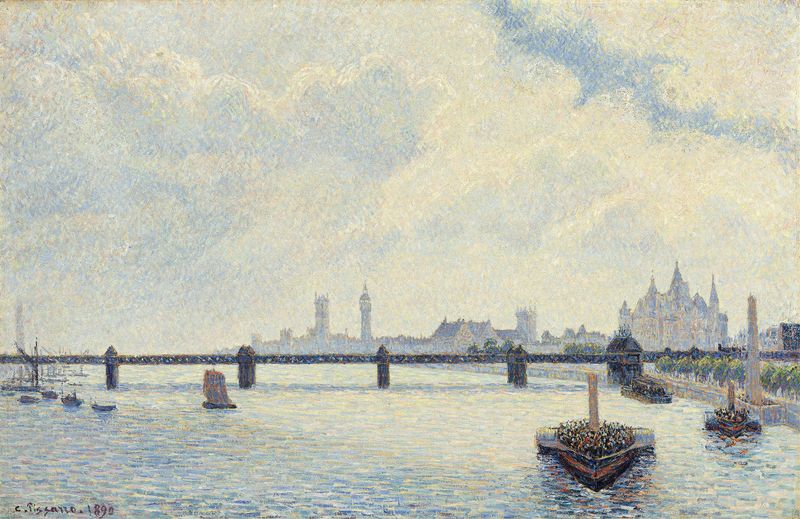
Charing Cross Bridge,London
Camille Pissarro
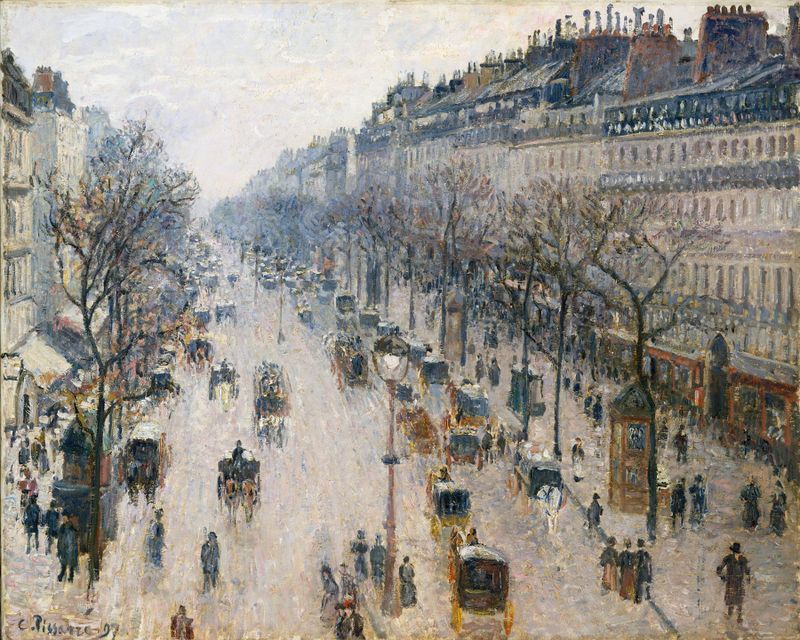
The Boulevard Montmartre on a Winter Morning
Camille Pissarro
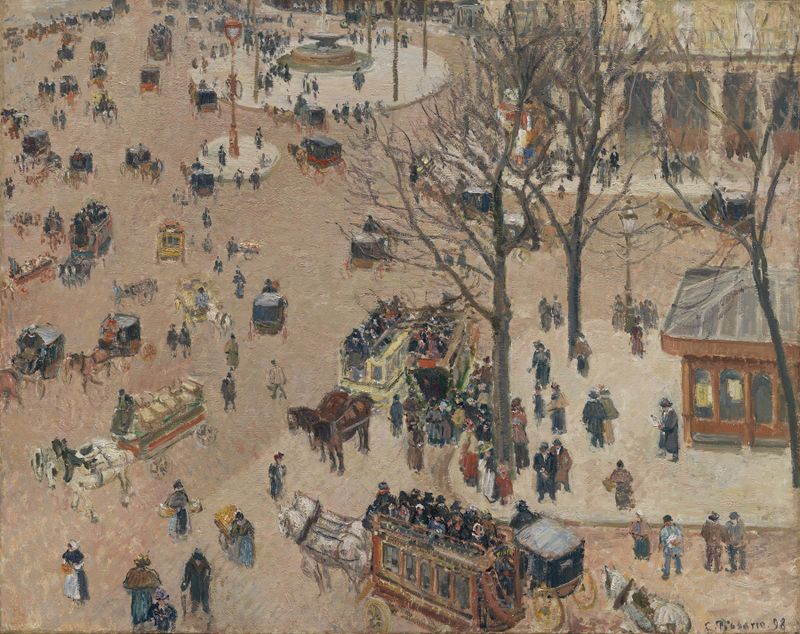
La Place du Théâtre Français
Camille Pissarro

Rue Saint-Lazare, Paris
Camille Pissarro
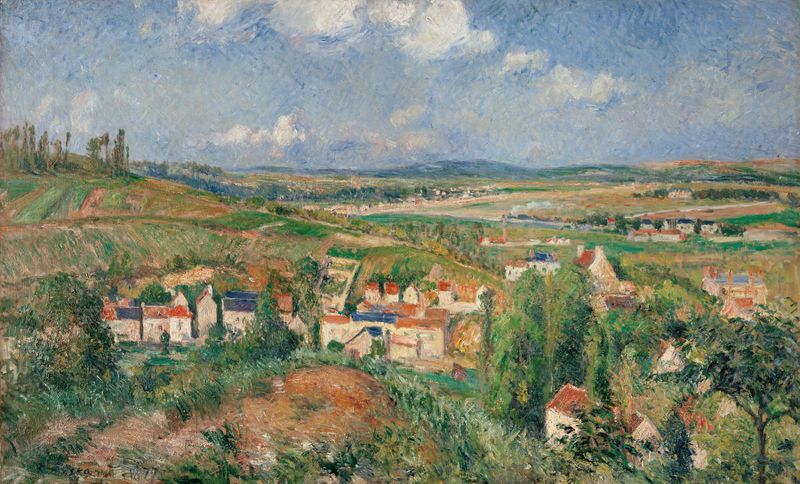
L’hermitage En Été, Pontoise
Camille Pissarro

Place du Theatre Francais,Fog Effect
Camille Pissarro
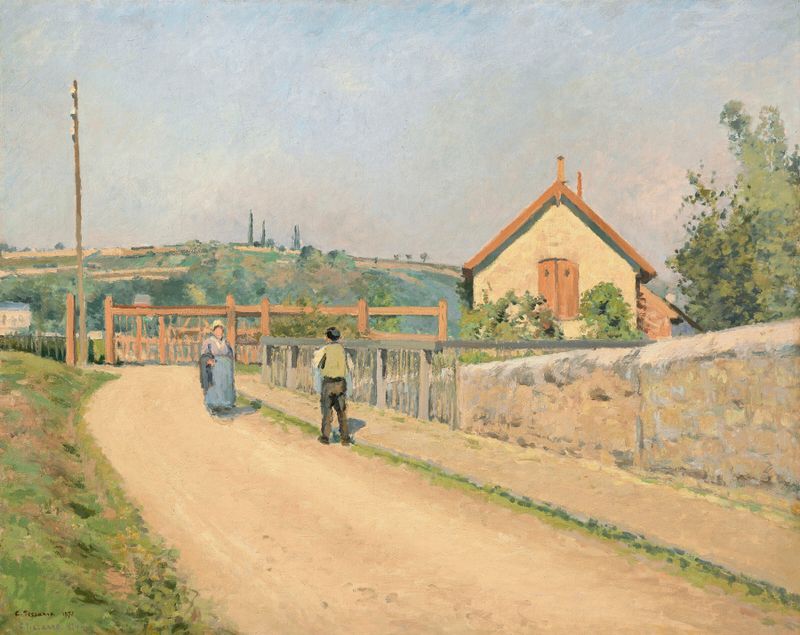
La barrière du chemin de fer, aux Pâtis près Pontoise
Camille Pissarro
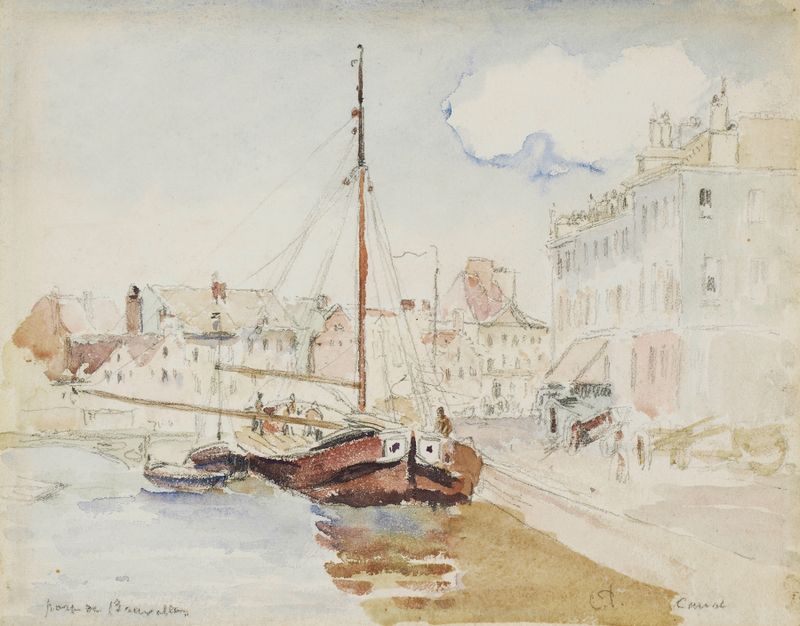
Port de Bruxelles
Camille Pissarro





