
Jerusalem — History & Facts
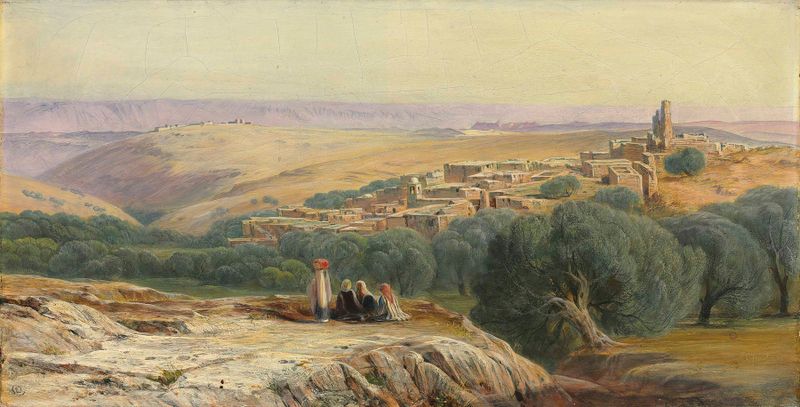
In the depths of grief, memory becomes both a refuge and a haunting echo, urging us to confront our past while grappling with loss. Focus first on the horizon where the cityscape unfolds like a delicate tapestry, layers of muted earth tones interwoven with wisps of azure sky. The architecture rises solemnly, each stone telling a story of resilience against the backdrop of an ever-fading light. Notice how the brushstrokes capture both the solidity of the ancient walls and the ethereal quality of the atmosphere, evoking a sense of longing that permeates the scene.
The careful arrangement of shadows creates a natural rhythm, leading the eye to explore the depth of the landscape while inviting introspection. Beneath the surface, the painting resonates with themes of melancholy and reminiscence. Each tower and dome stand as symbols of endurance, yet they also whisper the transient nature of existence. The soft transitions between light and dark mirror the internal conflict of hope and despair, provoked by the artist's own experiences.
It’s a landscape imbued with an emotional weight, as if Lear is urging viewers to confront the beauty that exists amidst sorrow. In 1858, Lear was immersed in a transformative period, traveling through the Middle East while grappling with his personal challenges. The artistic world was evolving with Romanticism’s emphasis on emotion and nature, and Lear found himself torn between the picturesque beauty of his surroundings and the deep grief that shadowed his life. Jerusalem stands as a poignant reflection of that moment, capturing not just a city, but the essence of memory itself, wrapped in layers of nostalgia and loss.
More Artworks by Edward Lear
Browse all →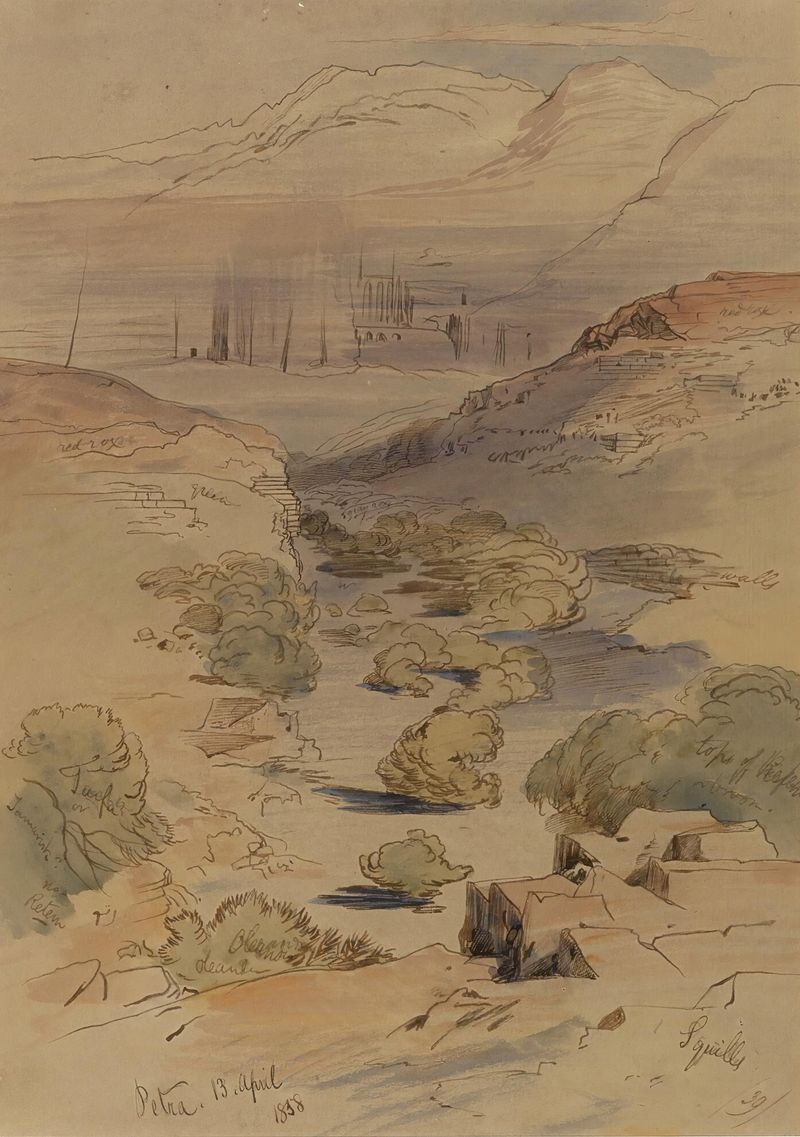
Petra
Edward Lear
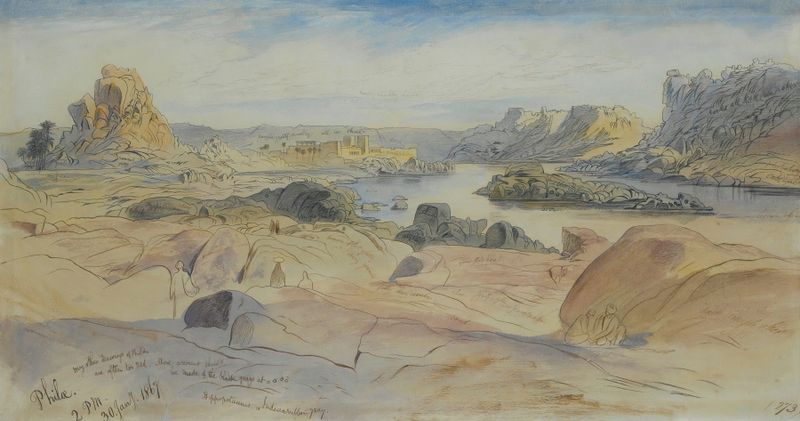
Philae, Egypt
Edward Lear
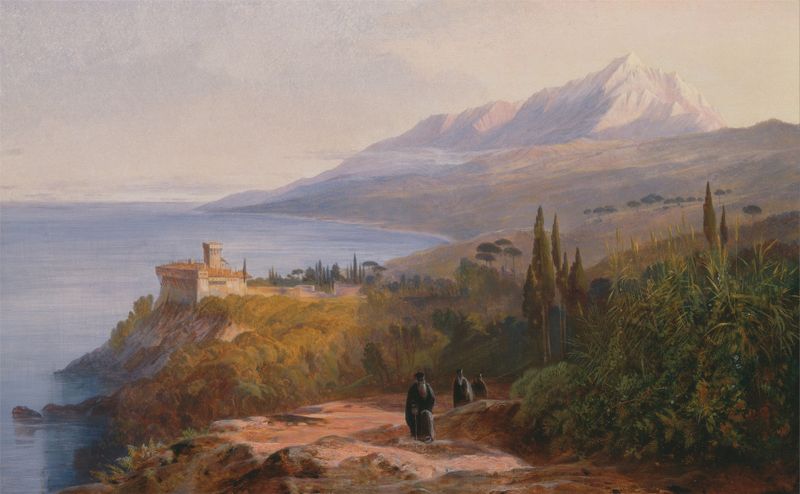
Mount Athos and the Monastery of Stavronikétes
Edward Lear
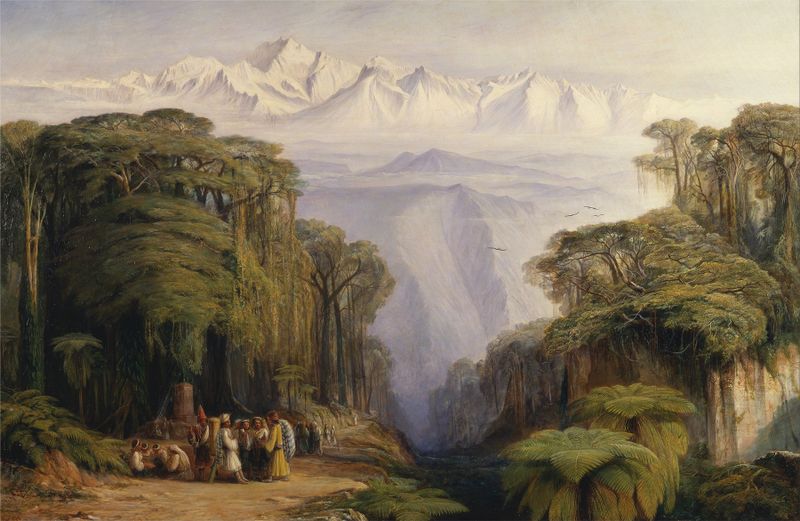
Kangchenjunga from Darjeeling
Edward Lear
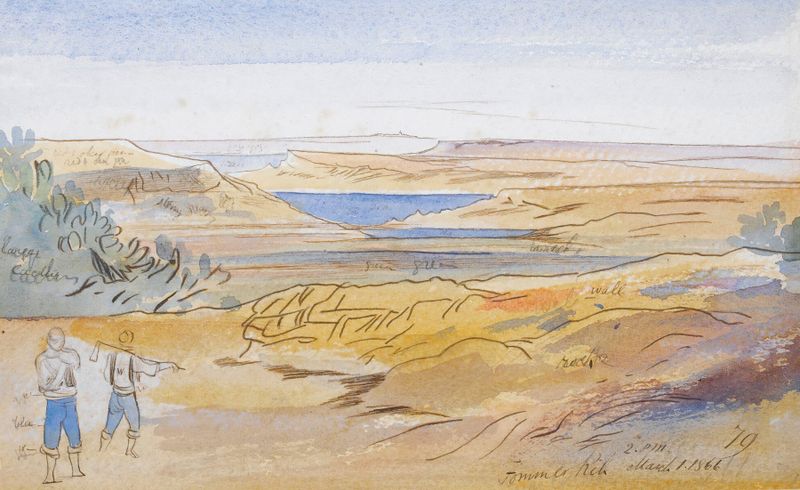
Fomm Ir-Rih, Malta
Edward Lear
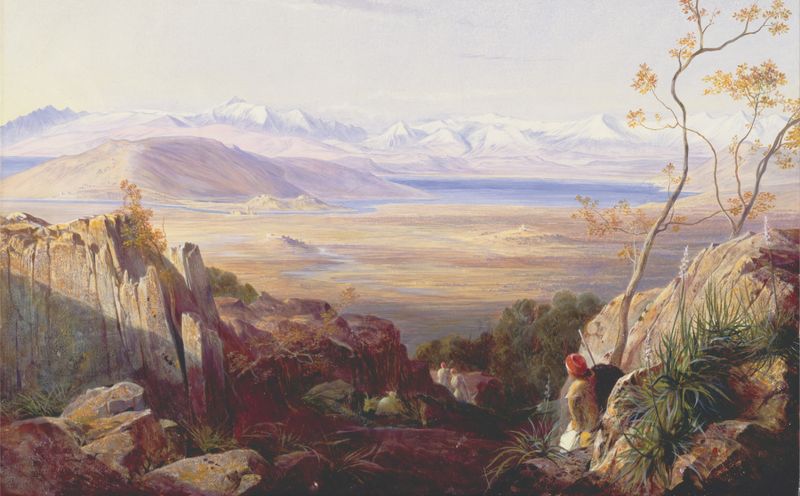
Butrinto, Albania
Edward Lear
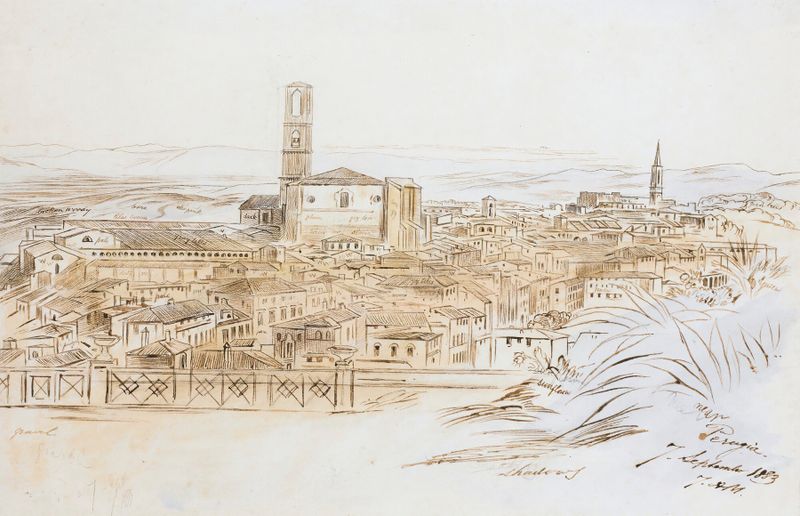
Perugia, Italy
Edward Lear
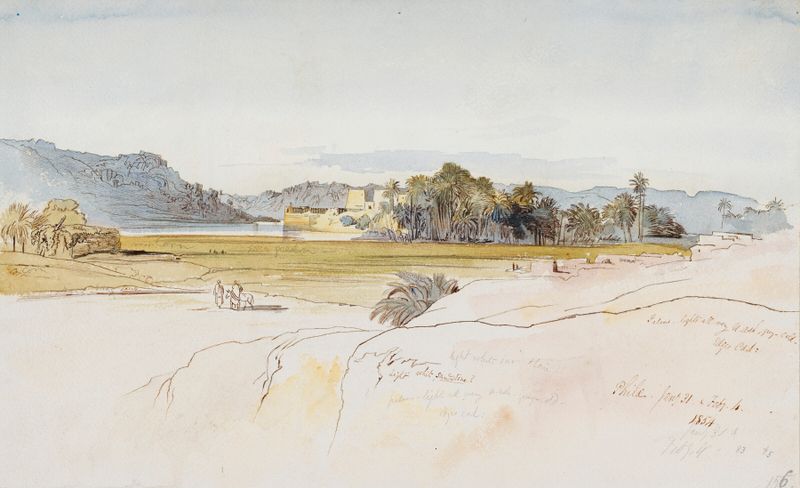
Philae, Egypt
Edward Lear
The Plains of Bethany
Edward Lear
Bellagio, Lago di Como
Edward Lear





