
Jesu Via et Vita Nostra Jesu Thesaurus Fidelium — History & Facts
In Jesu Via et Vita Nostra Jesu Thesaurus Fidelium, the interplay of hues and the starkness of void invoke a haunting sense of madness, reflecting an inner turmoil that resonates deeply with the viewer. Look closely at the central figure, draped in robes of rich, vibrant color, emanating a magnetic presence. Notice how the reds and greens dance around the contours of the figure, while the background fades into an ethereal blue, evoking a celestial stillness. The brushstrokes are both fluid and jagged, suggesting a struggle between serenity and chaos, as if the figure is caught in a moment of transcendence just before being swept away by emotions. The juxtaposition of light and shadow plays a crucial role in this piece.
The brilliance illuminating the figure’s face contrasts sharply with the enveloping darkness, symbolizing the tension between faith and doubt. Additionally, the faint outlines of anguished forms lurking in the background hint at the chaos of the human condition, emphasizing that amidst spiritual pursuit, madness can often coalesce with enlightenment. Charles Marie Dulac created this poignant piece in 1894 during a period marked by artistic exploration and the rise of Symbolism. Working in France, he was deeply influenced by the emotional weight of contemporary religious themes and the psychological explorations of his peers.
This artwork reflects not only his personal quest for meaning but also a broader existential inquiry that permeated the art world of his time.
More Artworks by Charles Marie Dulac
Browse all →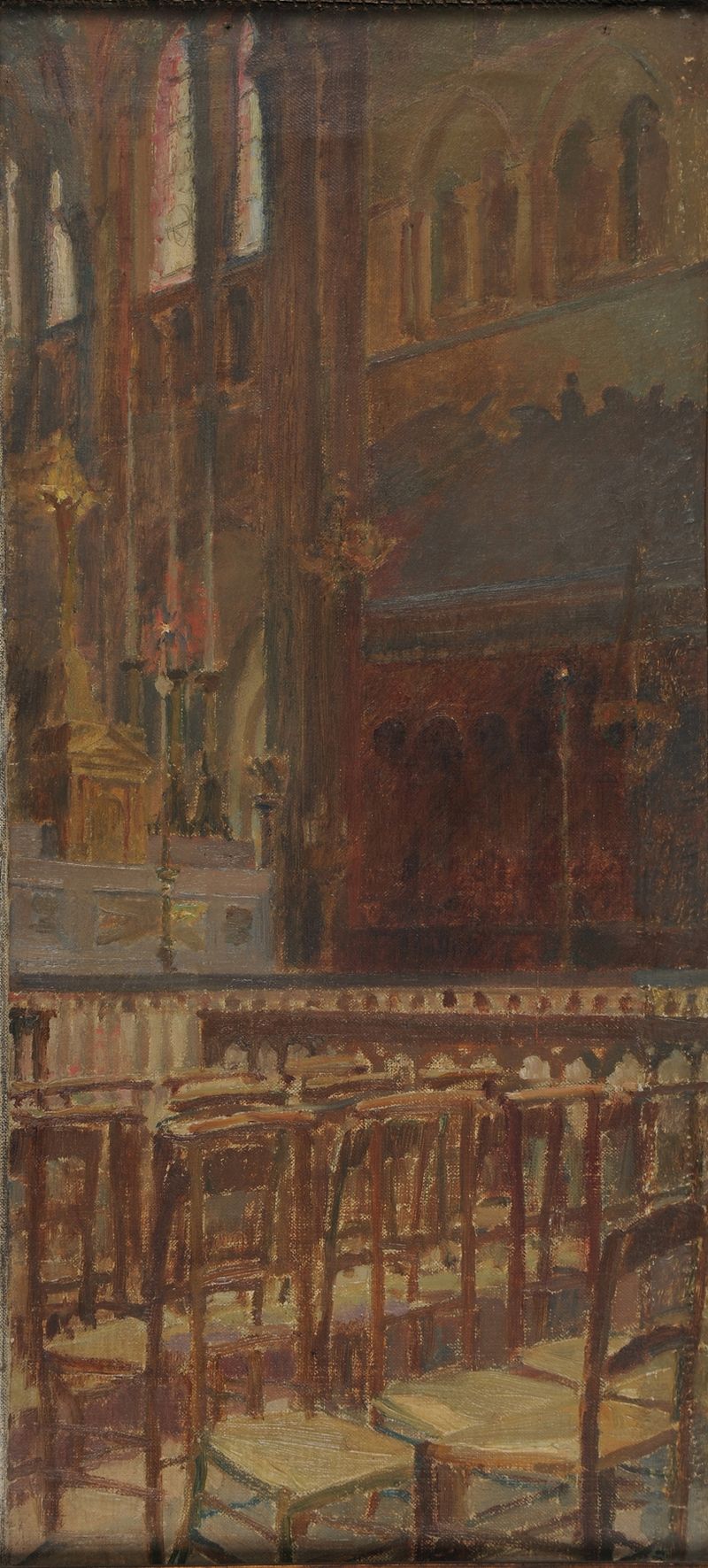
Chapelle à Saint-Germain-des-Prés
Charles Marie Dulac
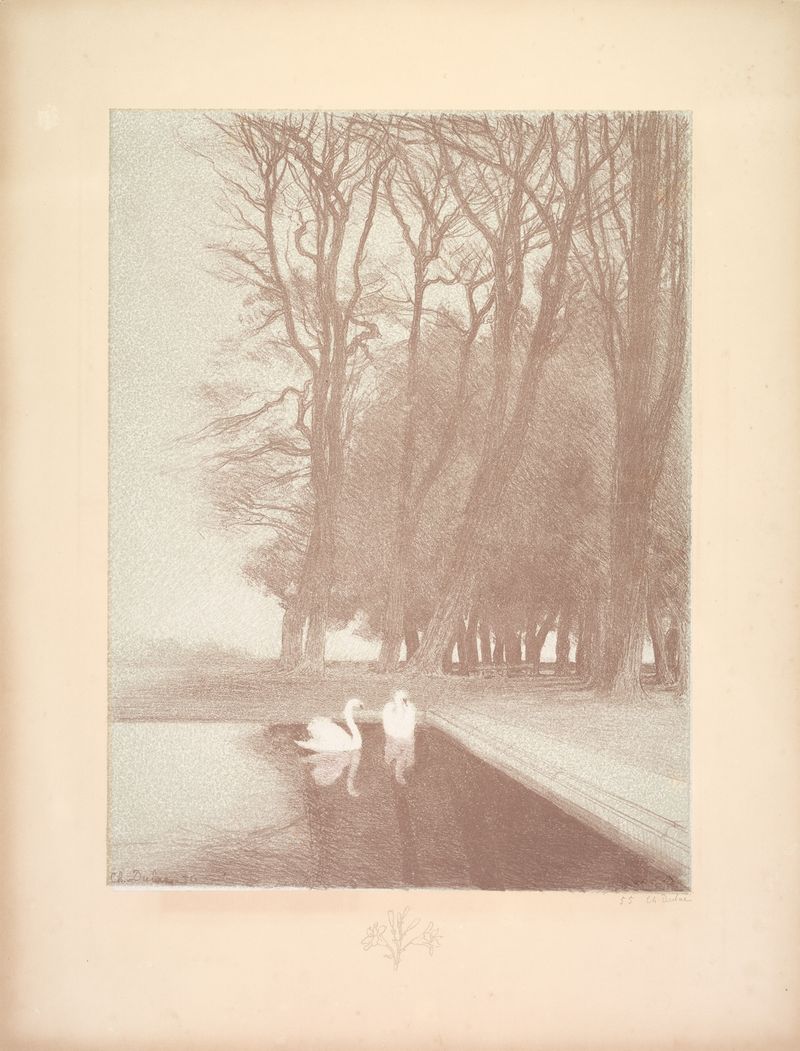
Landscape, Plate 6, Remarque, Lilies
Charles Marie Dulac
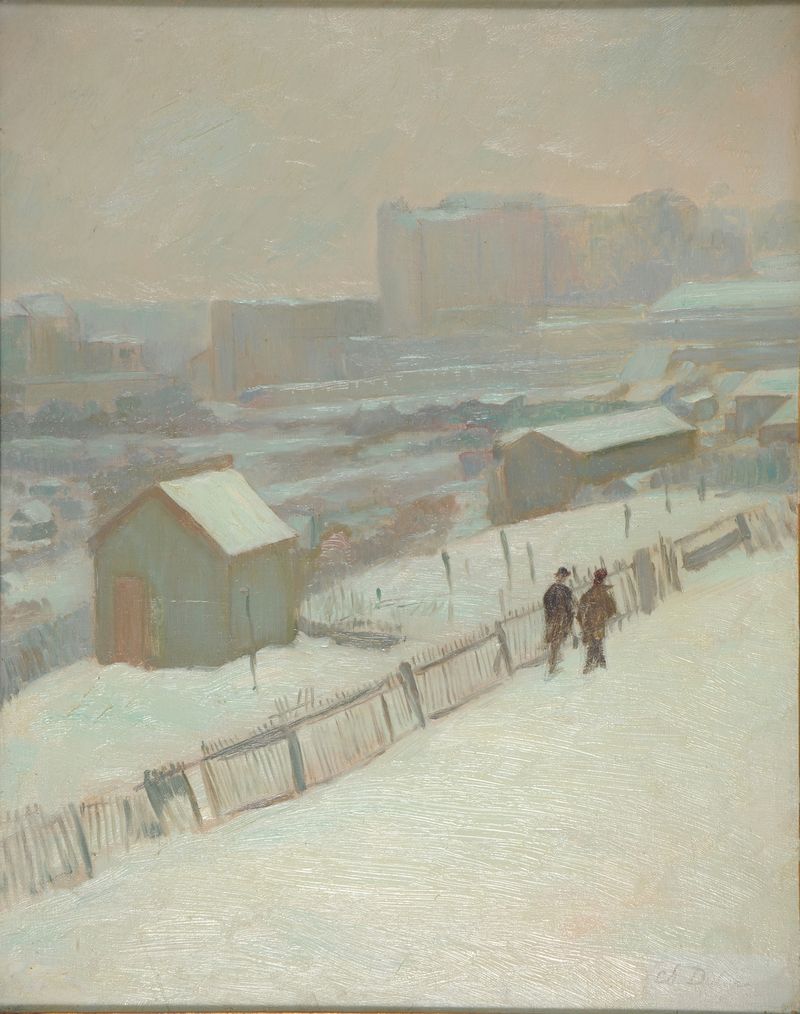
La neige à Montmartre
Charles Marie Dulac
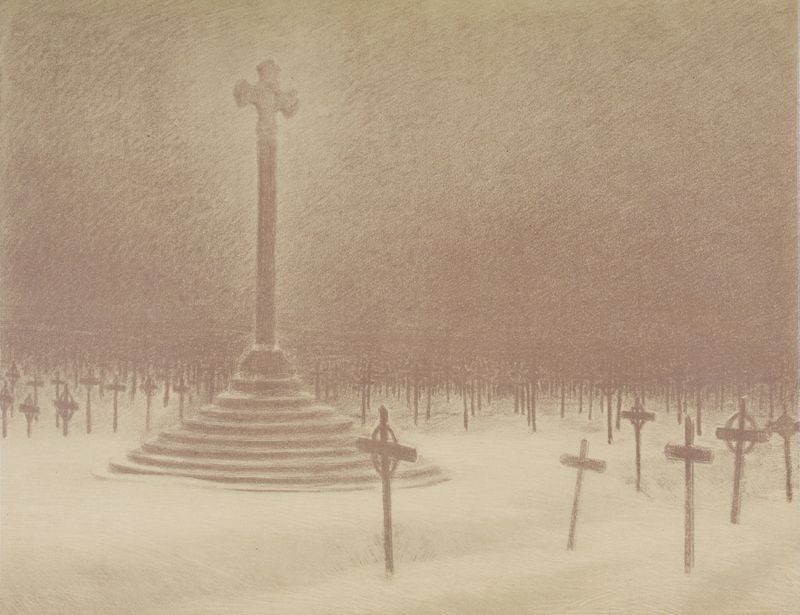
Auxilium Christianorum. Jesu Refugium Nostrum
Charles Marie Dulac
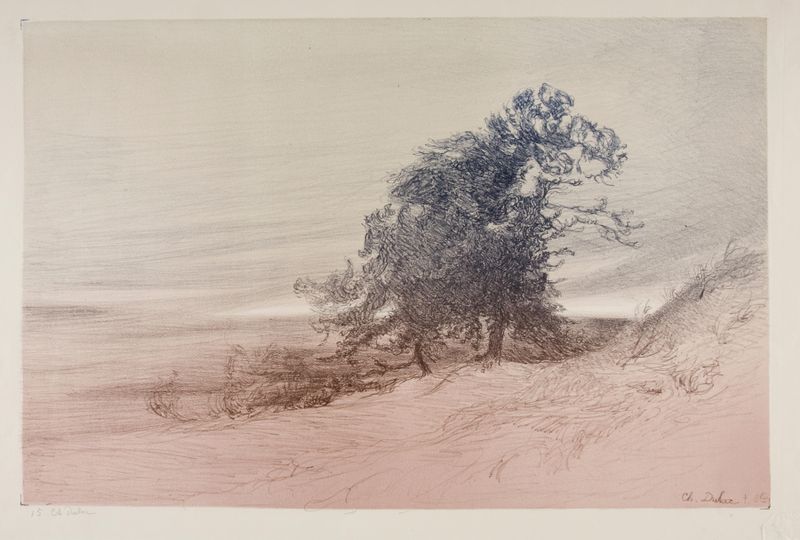
Groupe d’arbres
Charles Marie Dulac
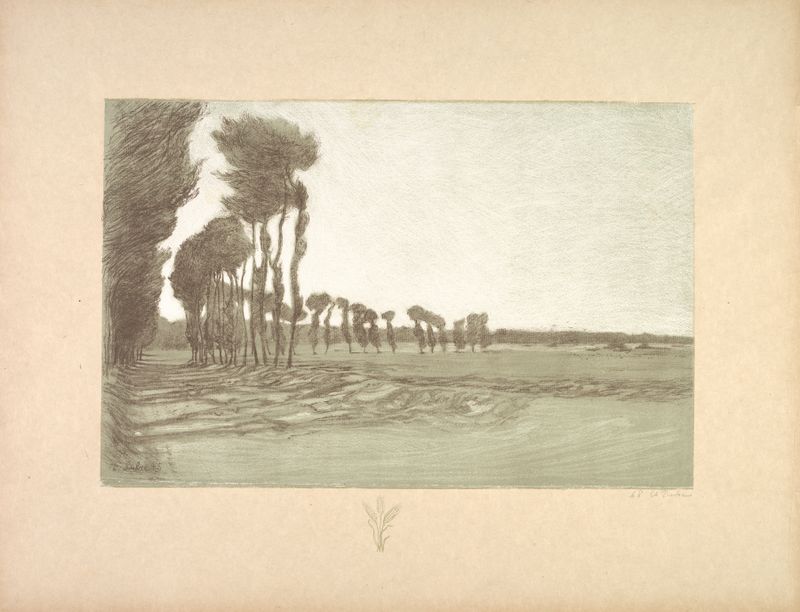
Landscape, Plate 5, Remarque, Three Stalks of Wheat
Charles Marie Dulac
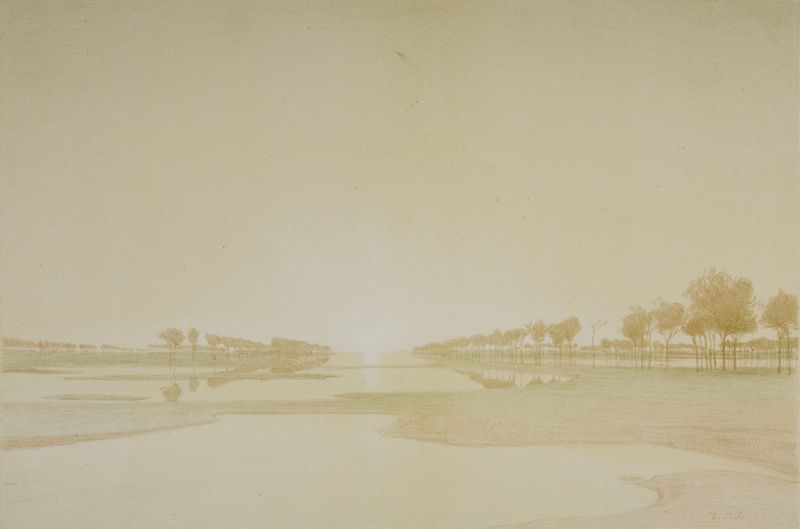
Jesu Sol Justitiae
Charles Marie Dulac
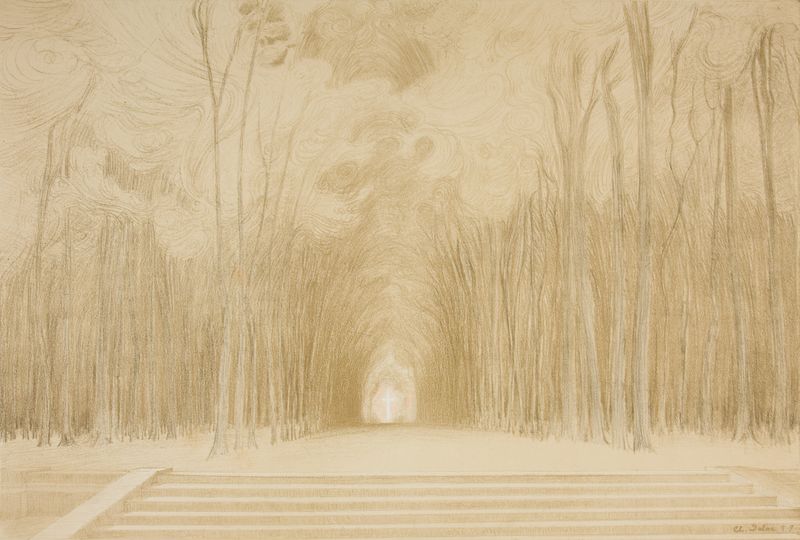
Jesu Corona Sanctorum Omnium. Jesu Sapientia Aeterna
Charles Marie Dulac
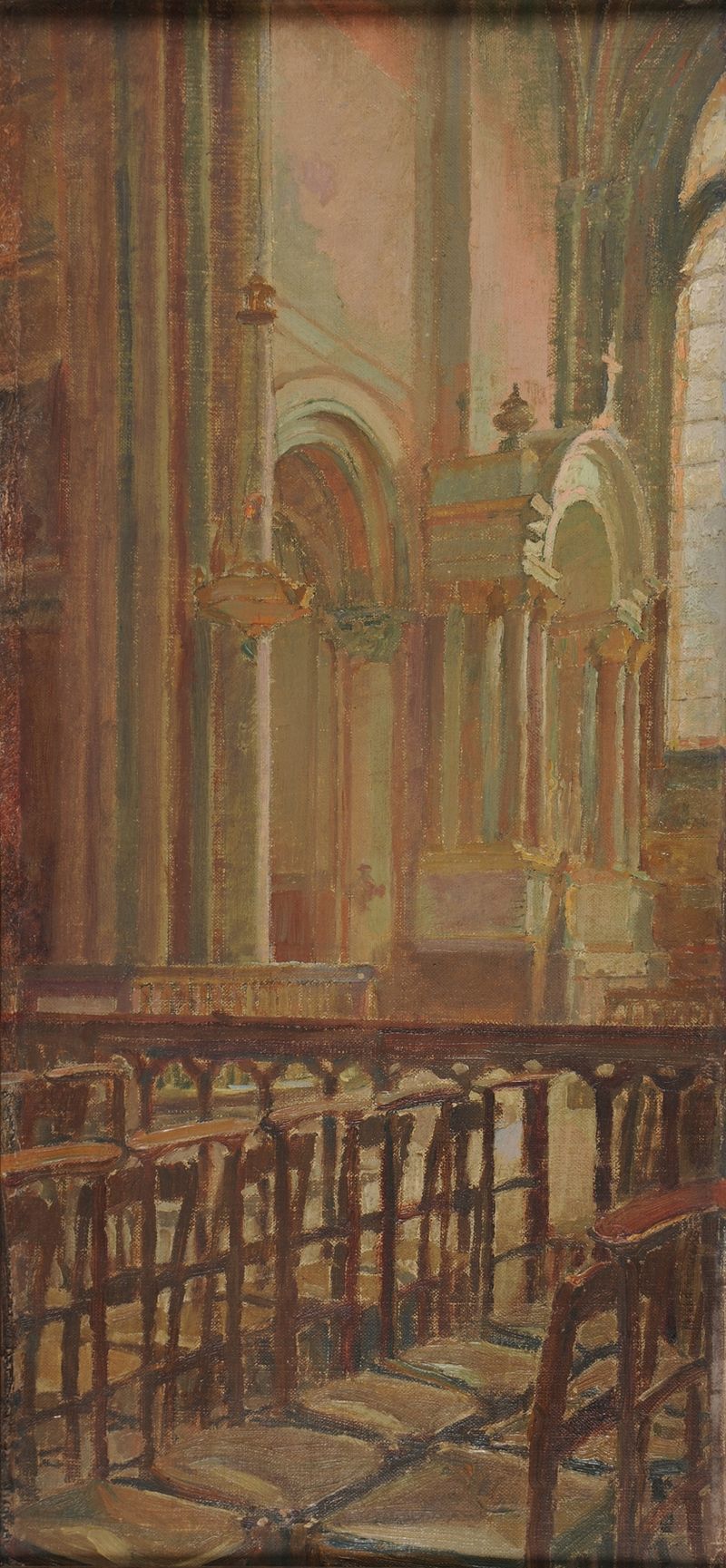
Chapelle à Saint-Germain-des-Prés
Charles Marie Dulac
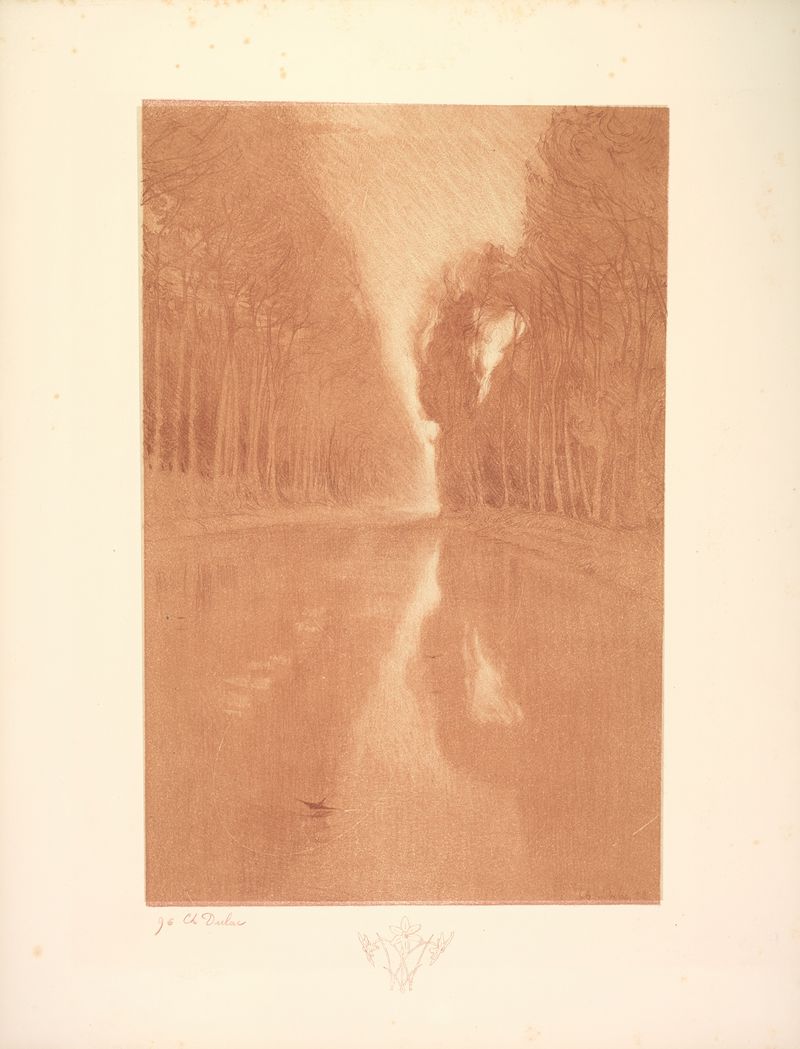
Landscape, Plate 2, Remarque, Starflowers
Charles Marie Dulac
More Religious Art
Browse all →
The Return of the Prodigal Son
Rembrandt van Rijn

The Garden of Earthly Delights
El Bosco

Count Orgaz’ funeral
El Greco

The Hundred Guilder Print: the central piece with Christ preaching, the plate arched
Rembrandt van Rijn

The Descent from the Cross
Rogier van der Weyden

The return of the prodigal son
Rembrandt van Rijn