
Johanna Engelina Brügelman 3788.2 Amsterdam Museum — History & Facts
A quiet gravity settles over the woman in Johanna Engelina Brügelman 3788.2 Amsterdam Museum, her gaze meeting the viewer’s with a frankness that lingers long after you look away. The artist, Adriaan de Lelie, chooses not to flatter or embellish, but instead offers a direct encounter: the delicate lace of her cap frames a face marked by experience, while the soft, cool light draws out the gentle textures of her skin and the deep blue of her dress. Every detail—the careful bow beneath her chin, the modest string of pearls—signals dignity and restraint, while the neutral background refuses to distract from her presence.
The composition’s simplicity is a kind of invitation, asking us to search her expression for traces of her world and story. Painted between 1790 and 1810, this portrait belongs to a period when Dutch society was in flux, its patrician families commissioning likenesses that balanced individual character with the virtues of propriety and self-possession. Adriaan de Lelie was known for such portraits, working in an era when the Enlightenment’s ideals of reason and civility shaped both art and daily life. The work now resides in the Amsterdam Museum, its subject’s name preserved but her story largely lost to time—one of countless sitters whose likenesses survive even as their voices fade.
Look again at her eyes: they seem to hold both reserve and candor, a reminder that every portrait is both a record and a mystery.
More Artworks by Adriaan de Lelie
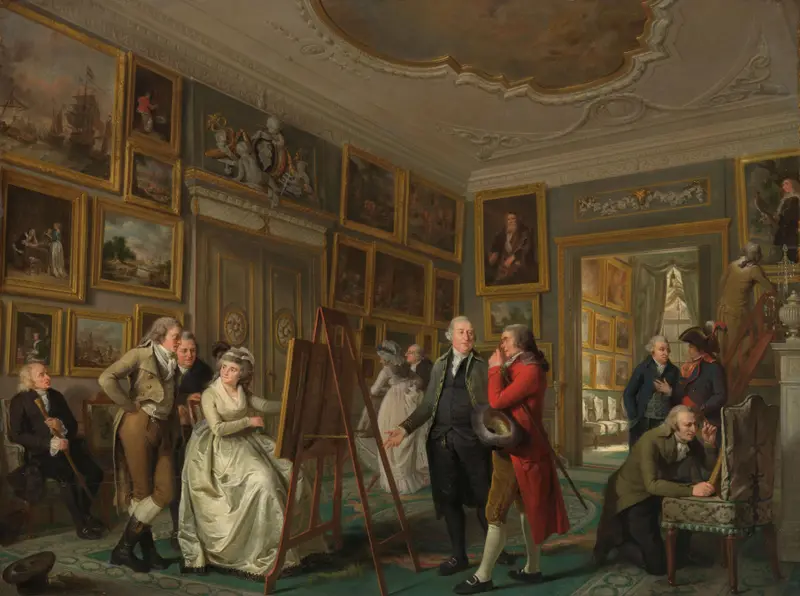
The Art Gallery of Jan Gildemeester Jansz
Adriaan de Lelie
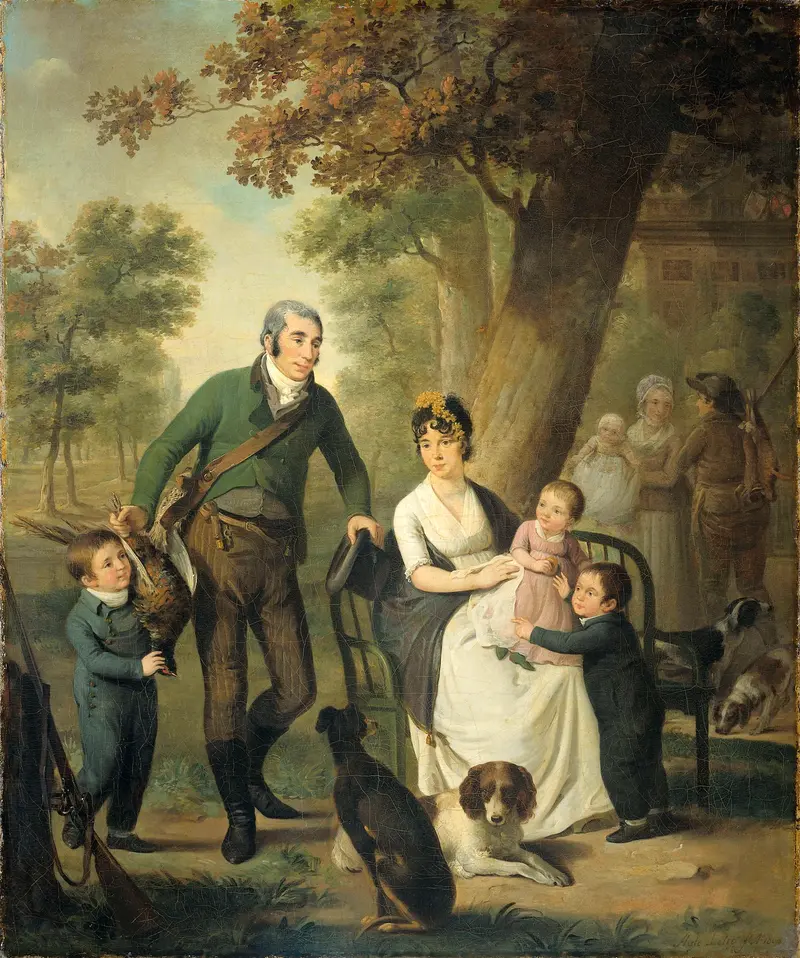
Jonkheer Gysbert Carel Rutger Reinier van Brienen van Ramerus(1771-1821), with his Wife and four of their Children
Adriaan de Lelie
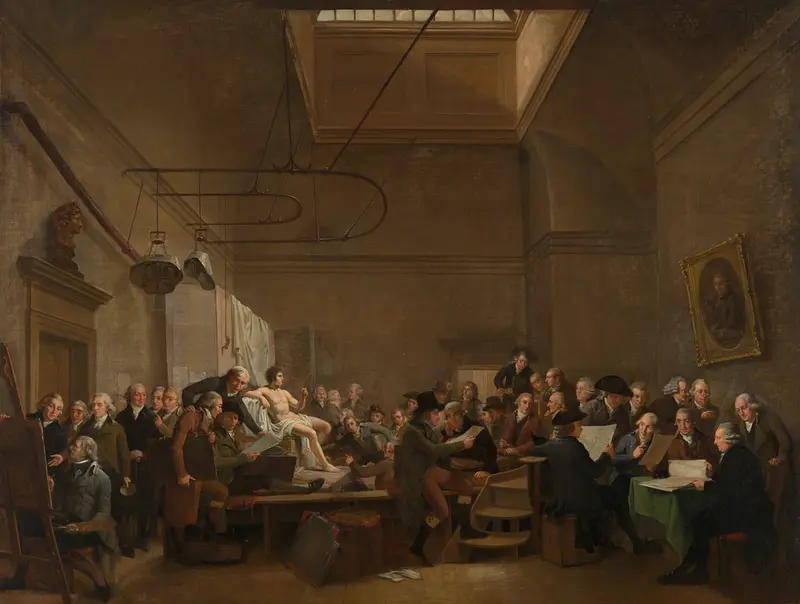
The Drawing Gallery of the Felix Meritis Society
Adriaan de Lelie
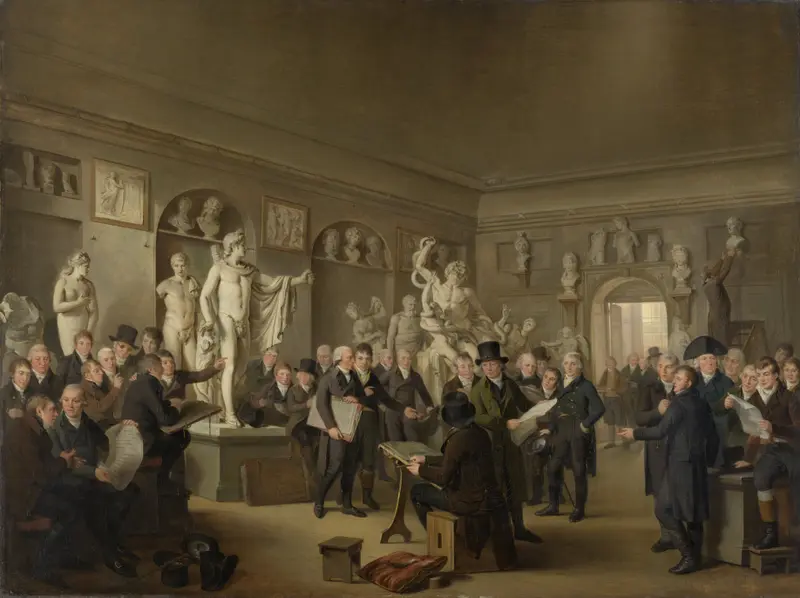
The Sculpture Gallery of the Felix Meritis Society
Adriaan de Lelie
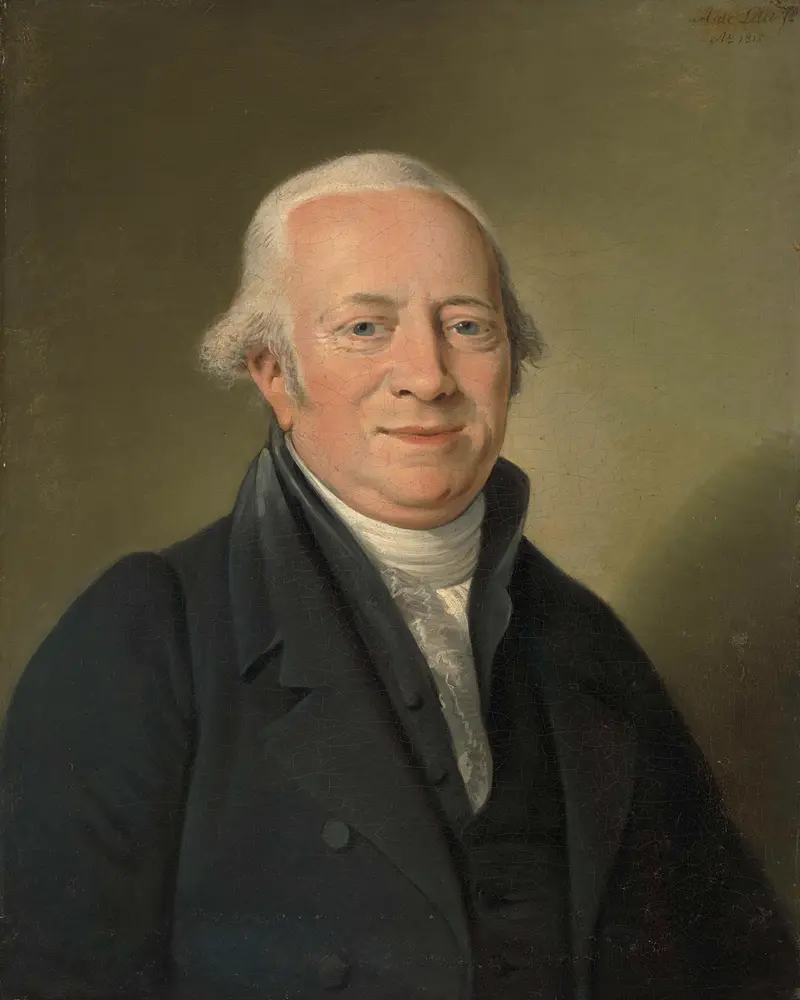
Cornelis Sebille Roos (1754-1820), Amsterdam Art Dealer and Keeper of the Nationale Konst-Gallery in Huis ten Bosch, The Hague
Adriaan de Lelie
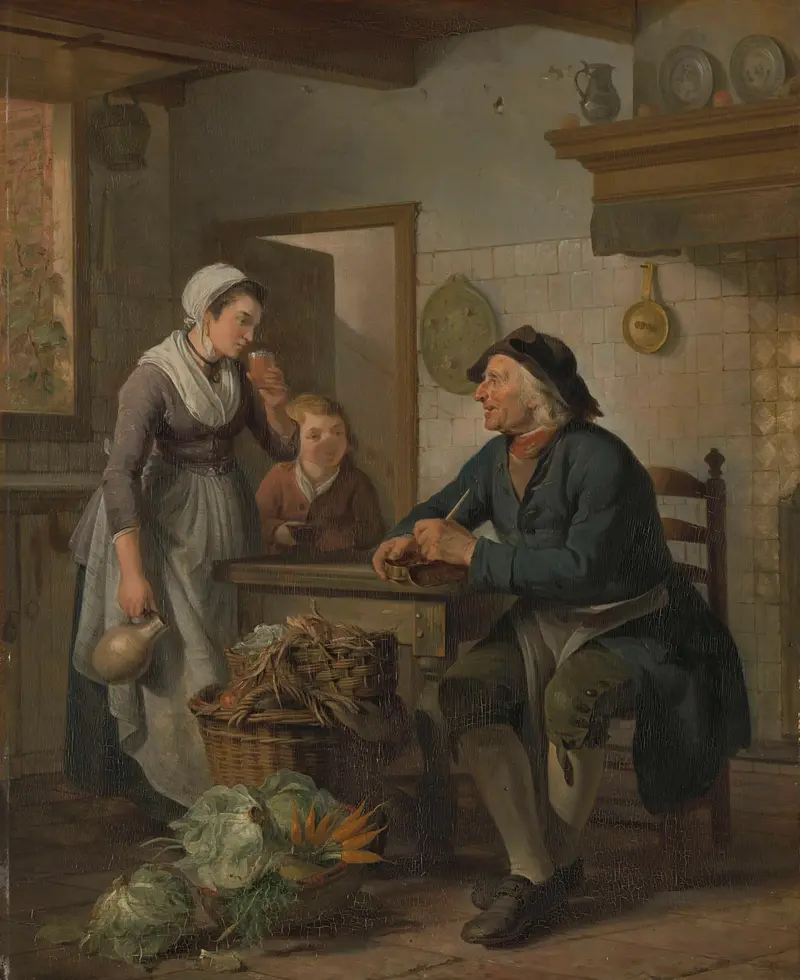
Morning Visit
Adriaan de Lelie
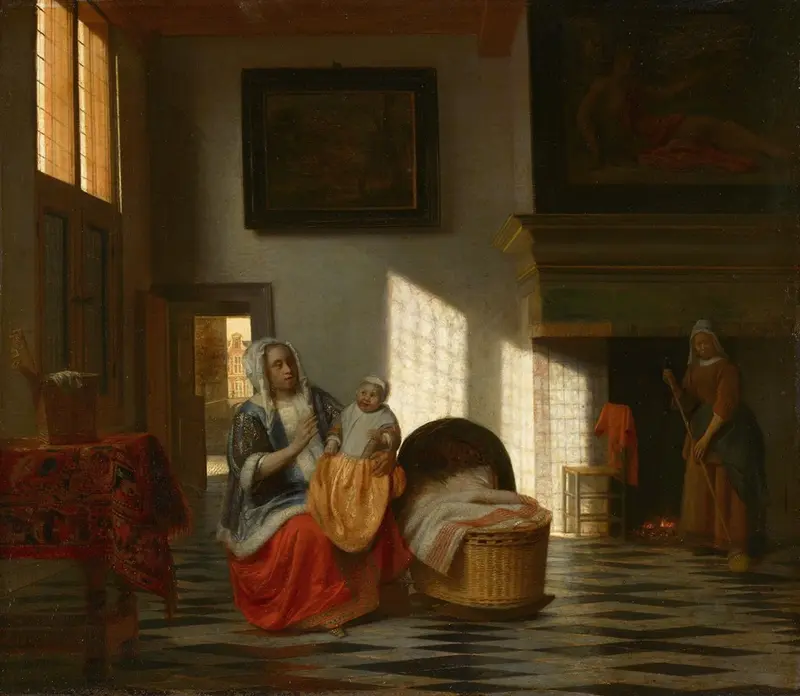
Mother and Two Children with Still Life
Adriaan de Lelie
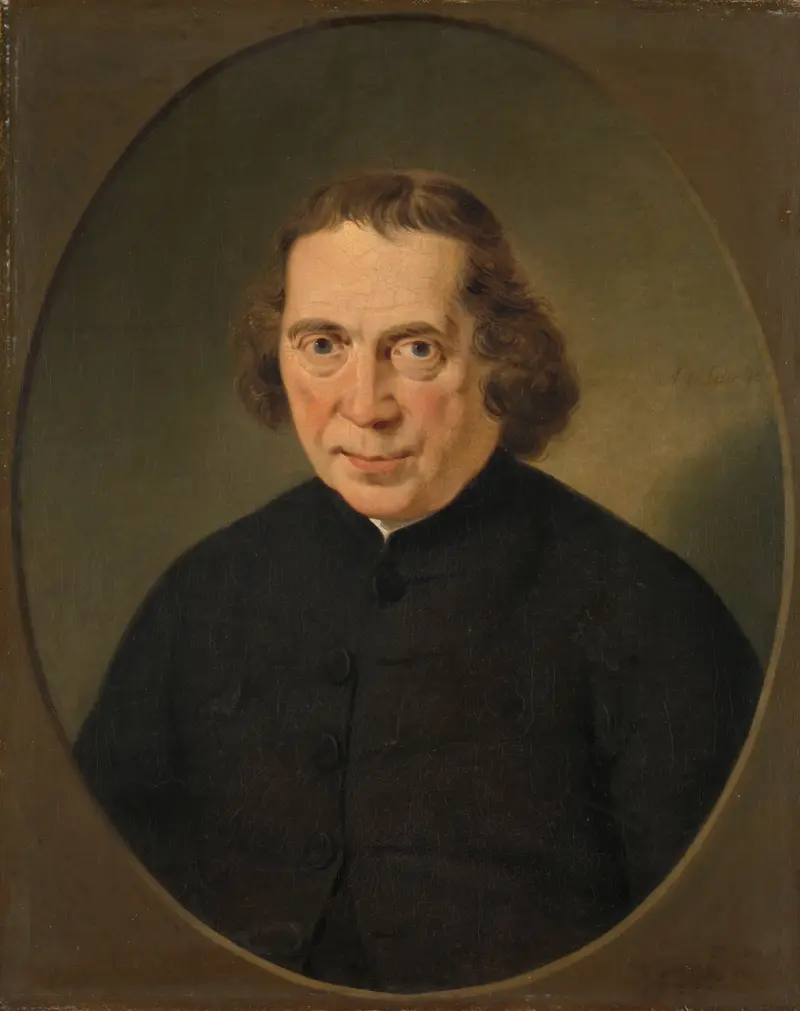
Portrait of Jan Nieuwenhuyzen
Adriaan de Lelie
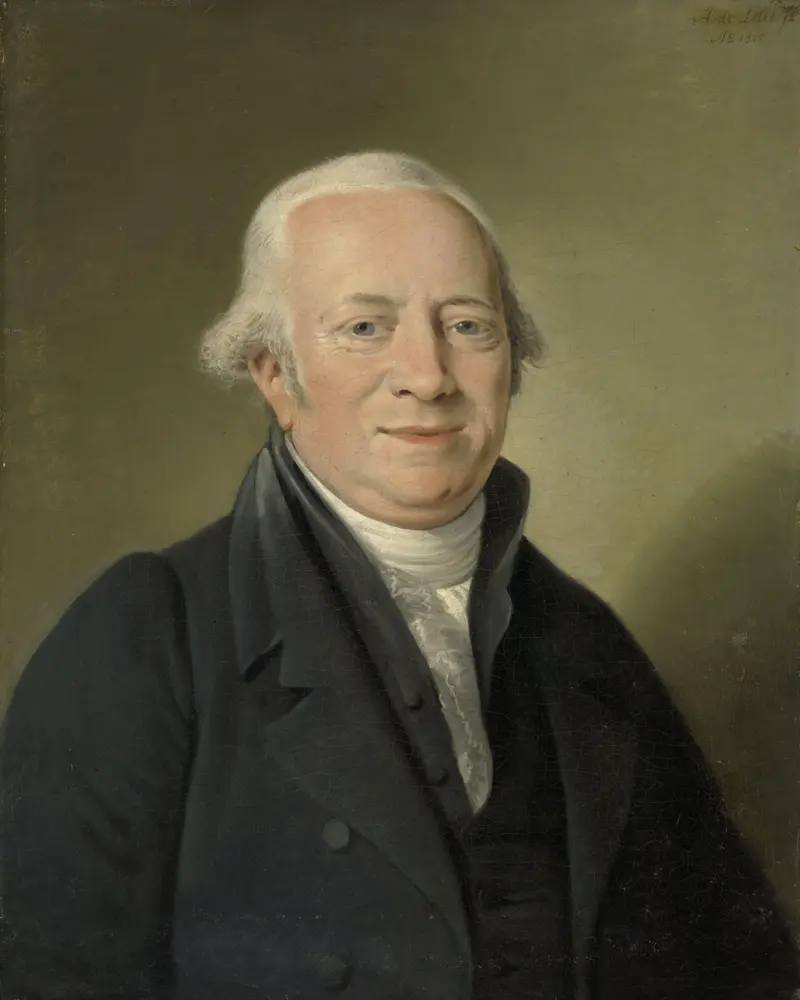
Portrait of Cornelis Sebille Roos, Art Dealer in Amsterdam and Inspector of the National Konst-Gallery and the Huis ten Bosch in The Hague
Adriaan de Lelie
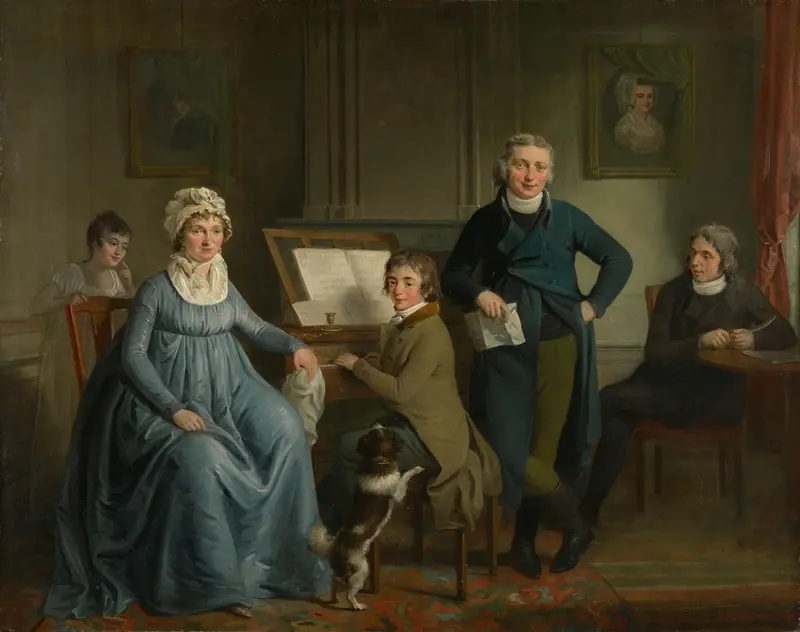
Musical family
Adriaan de Lelie





