
John Feeney; verso: Sketches, Two Faces — History & Facts
What if silence could speak through light? In Sketches, Two Faces, the delicate interplay of shadow and illumination evokes the slow decay of human connection, whispering stories of what was and what could have been. Look to the left, where the faint outlines of two faces emerge, gently defined by subtle pencil strokes. The soft sepia tones envelop the figures, inviting the eye to trace their contours and delve into their expressions. Notice how the light dances among the delicate lines, casting an ethereal glow that highlights the fragility of their existence — a poignant reminder of the passage of time and the wear of memories. The emotional tension lies in the juxtaposition of presence and absence.
Each face, though ethereal, bears the weight of untold histories, suggesting a bond strained by distance or memory. There’s a haunting beauty in their silent interaction, as if they are caught in a moment of yearning — a fleeting recognition of one another, yet forever separated by the invisible barrier of time. The decay of their shared experience speaks volumes, resonating with anyone who has felt the inevitability of change. Created in 1919, this piece emerged during a tumultuous period for Denman Waldo Ross, who was deeply engaged in the exploration of intimacy and identity within art.
At that time, he was influenced by the evolving modernist movement, which sought to challenge traditional perceptions of representation. This work reflects his fascination with the emotional depth of human relationships, capturing the fleeting essence of connection in a post-war world eager for renewal amid lingering traces of loss.
More Artworks by Denman Waldo Ross
Browse all →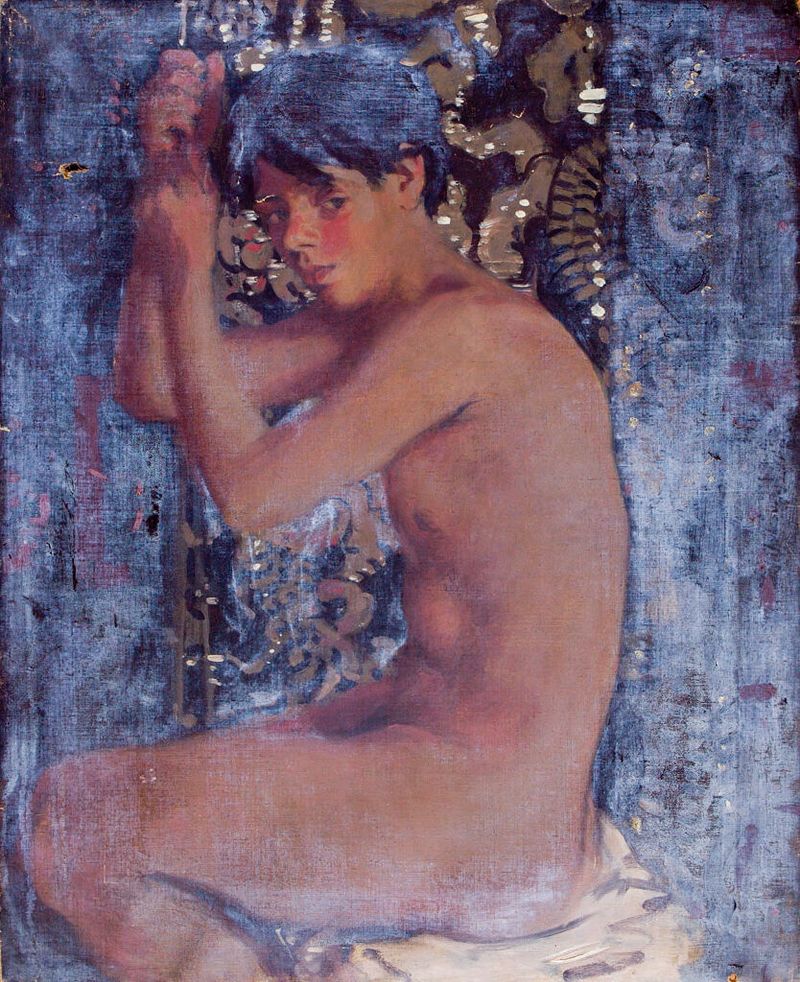
Portrait of a Seated Young Man
Denman Waldo Ross
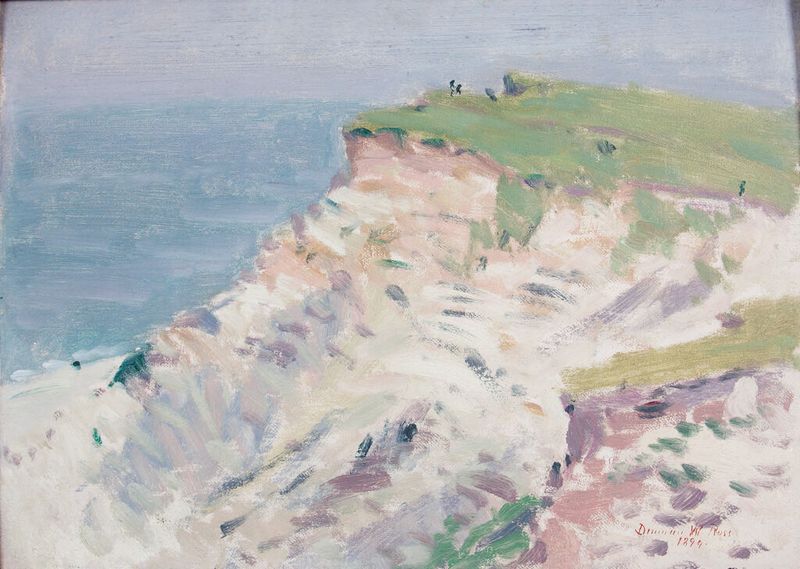
Highland Light, North Truro, Massachusetts
Denman Waldo Ross
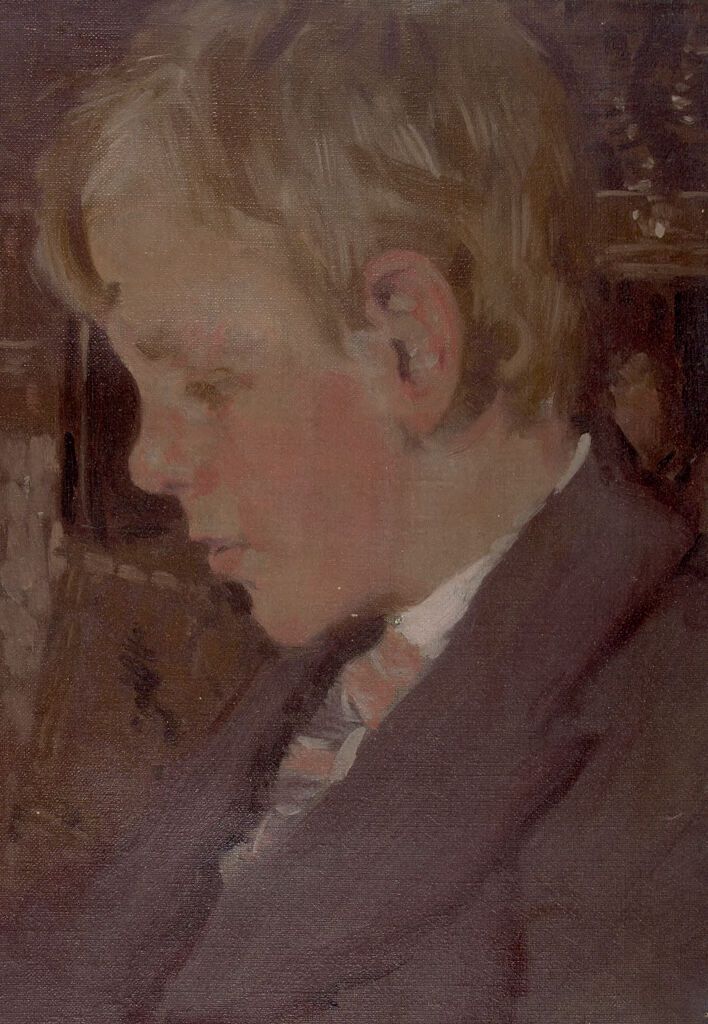
Profile Portrait of a Boy in Suit and Tie
Denman Waldo Ross
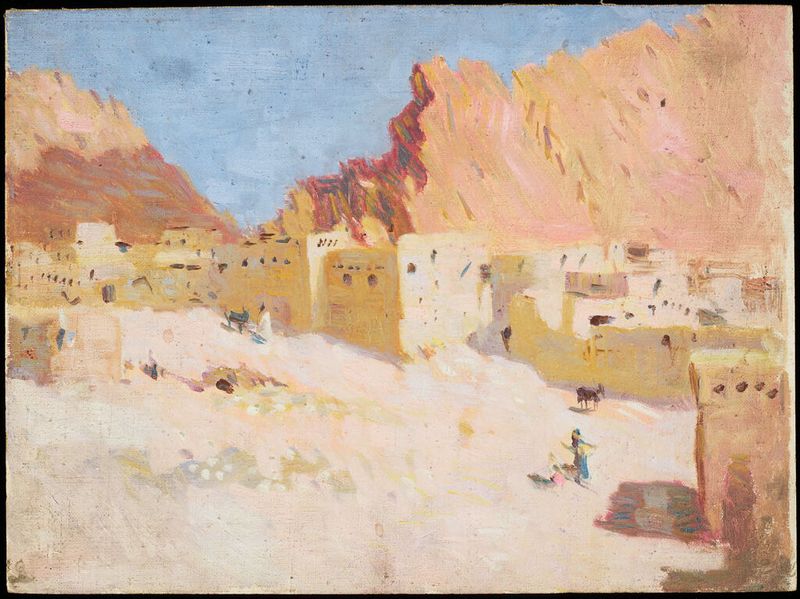
El Kantara, Near Biskra, Algeria
Denman Waldo Ross
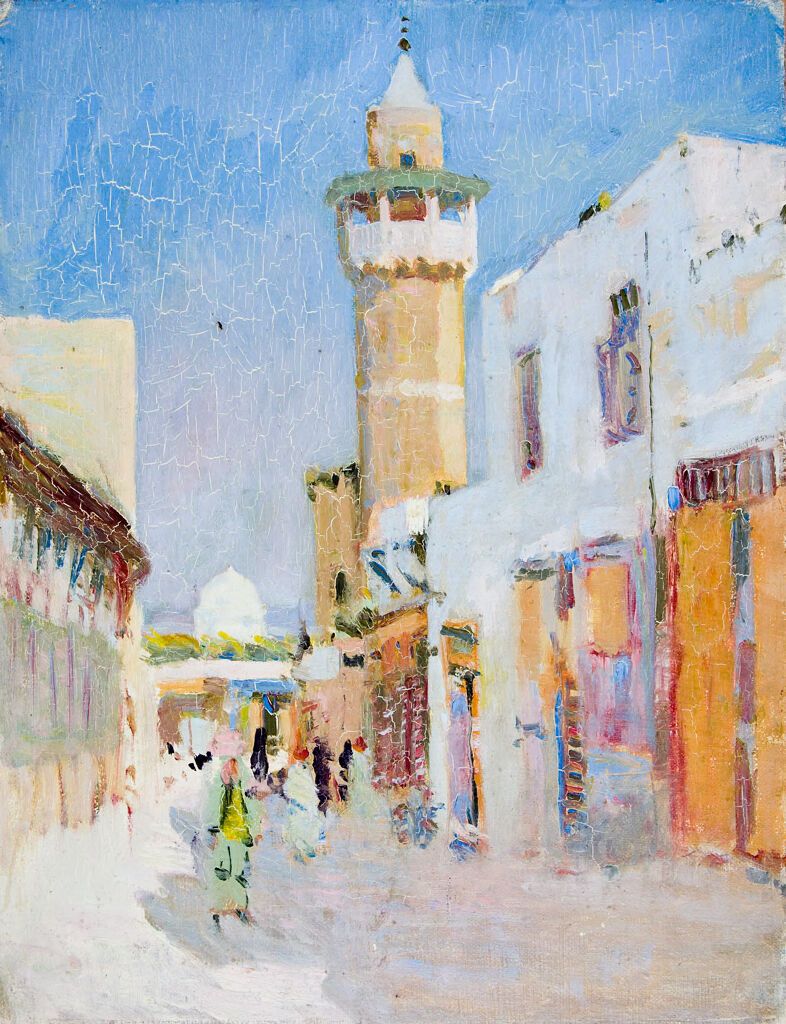
Tunis Street Scene
Denman Waldo Ross
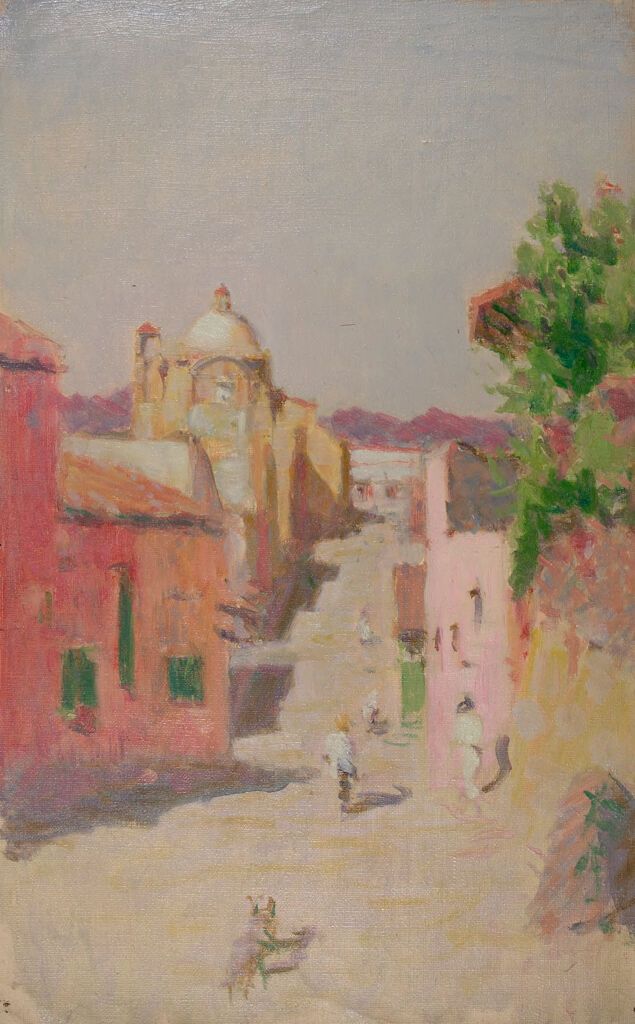
Street Scene with Animal and Figures
Denman Waldo Ross
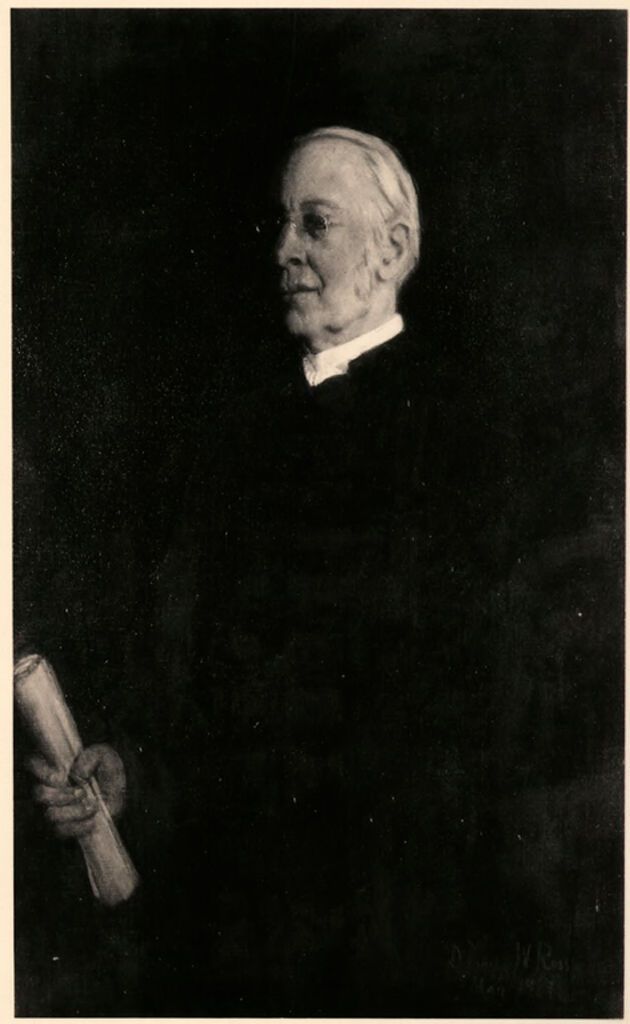
Charles William Eliot (1834-1926)
Denman Waldo Ross
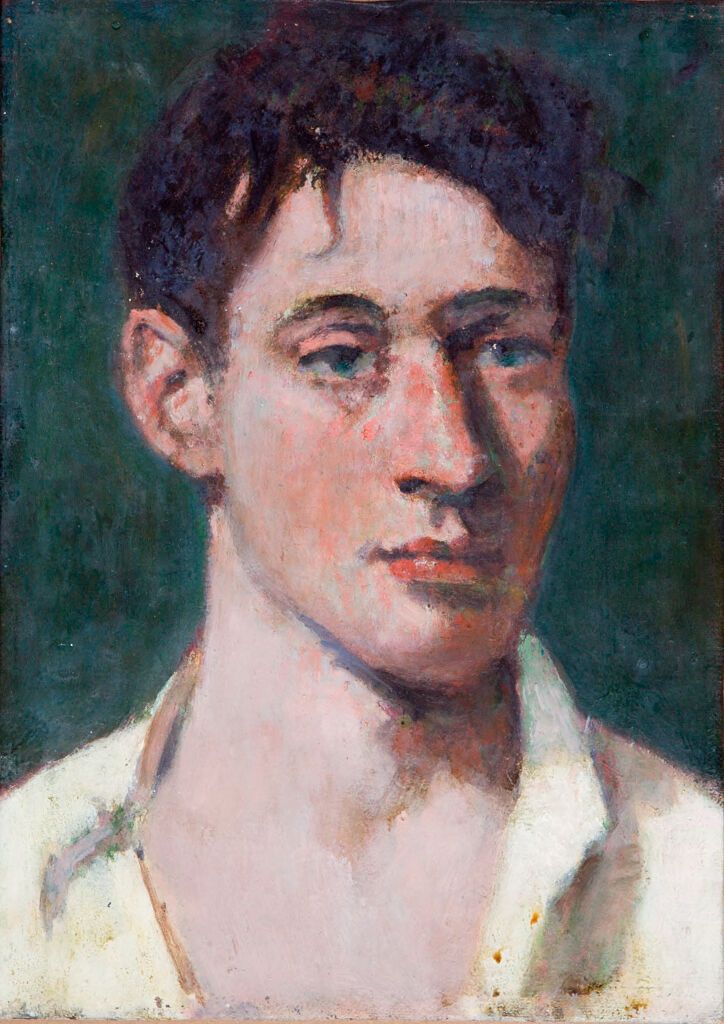
Portrait of a Young Man in White Shirt
Denman Waldo Ross
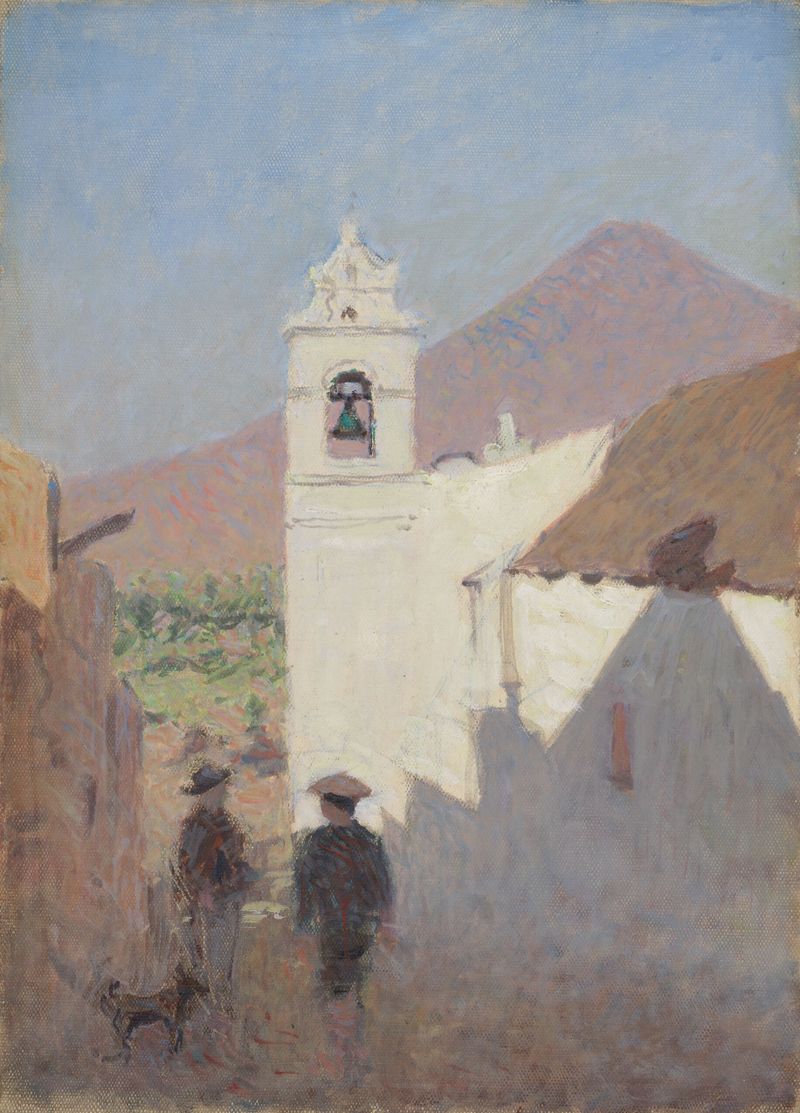
Village Near Arequipa, Peru
Denman Waldo Ross

York Harbor, Maine
Denman Waldo Ross





