
John Winthrop (1588-1649) — History & Facts
Who listens when art speaks of silence? In the stillness of John Winthrop, a haunting dialogue unfolds between the past and its inevitable decay. Look closely at the figure, an austere man framed against a muted backdrop. The somber tones of his attire contrast sharply with the dull hues surrounding him, drawing your gaze to his poised yet weary expression. Notice how the light softly caresses his face, illuminating the lines of wisdom etched into his skin, a testament to a life steeped in thought and burden.
The intricate detailing of his collar and the slight wavering of his hand suggest both dignity and fragility, capturing the tension between memory and the passage of time. Beneath this stoic exterior lies a profound exploration of legacy and loss. The stark background symbolizes the fading essence of history, as Winthrop’s presence serves as a bridge between the vibrancy of his ideas and the decay that time inevitably brings. Each element in the composition invites reflections on the permanence of thought, juxtaposed with the transience of existence.
The artist’s choice to depict a figure rooted in the past allows viewers to wrestle with the silence of forgotten narratives, echoing the weight of unfulfilled promises. This portrait emerged from the hands of an unidentified artist during a transformative period in American history, between 1750 and 1775. As the colonies began to stir with revolutionary fervor, artists sought to encapsulate the complexity of emerging identities. In this era of burgeoning nationalism, the portrayal of figures like Winthrop, an emblem of Puritan ideals, questioned the very fabric of societal beliefs and laid the groundwork for a future that would soon be in turmoil.
More Artworks by Unidentified artist
Browse all →
Self-portrait with a Bandaged Ear and Pipe
Unidentified artist

Feast in the House of Levi
Unidentified artist
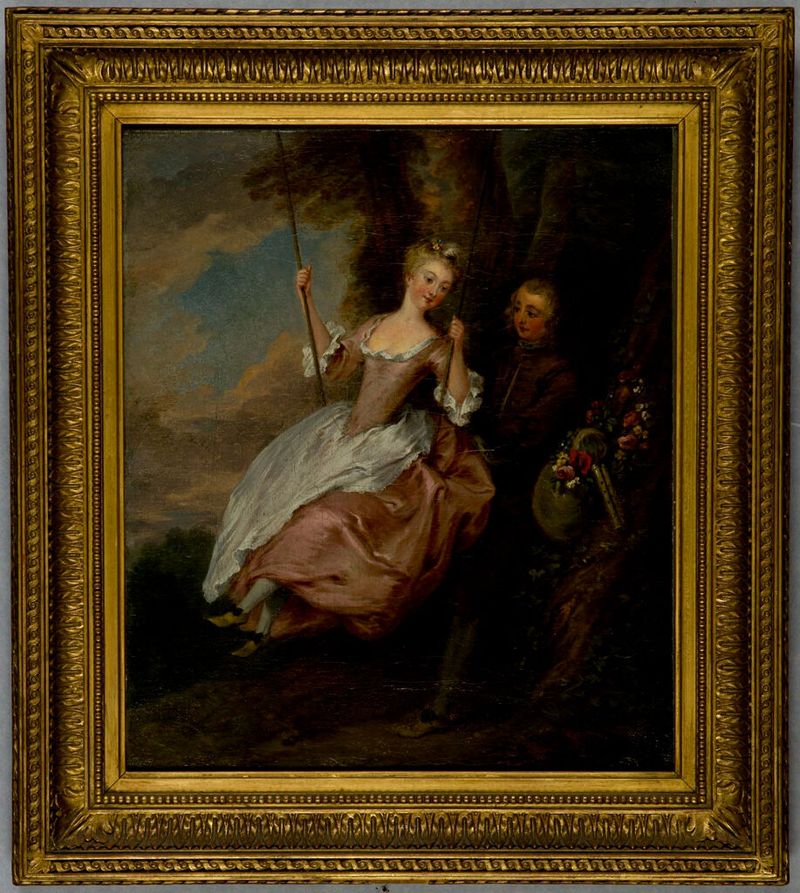
The Swing
Unidentified artist

Geoffrey Chaucer (1340?-1400)
Unidentified artist

Portrait of Michelangelo after the "Strozzi" original in the Uffizi Gallery
Unidentified artist
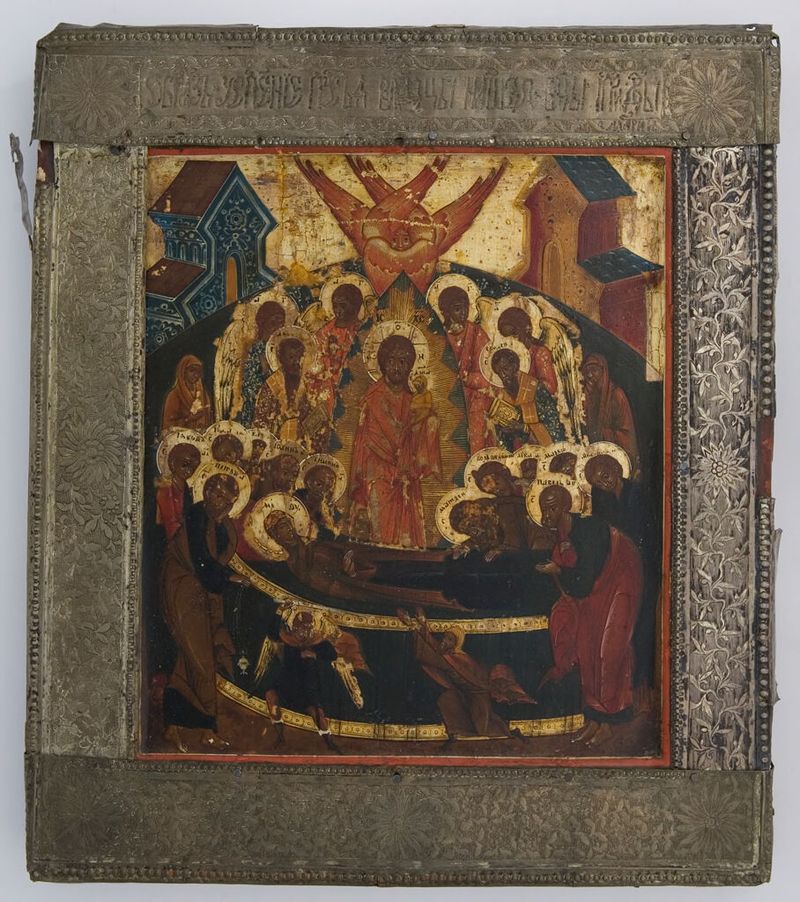
Dormition of the Virgin
Unidentified artist

Charles I (after a van Dyck painting in the Staatliche Museen, Gemaldegalerie, Dresden)
Unidentified artist

Madonna and Child
Unidentified artist

John Winthrop, the Younger (1606-1676)
Unidentified artist

Crucifix with the Virgin and Saint John the Evangelist, Christ the Redeemer, and a Praying Woman
Unidentified artist
More Portrait Art
Browse all →
Las meninas
Diego Velázquez
Self-portrait with a Bandaged Ear and Pipe
Unidentified artist

Girl with a Pearl Earring
Johannes Vermeer

The Sampling Officials of the Amsterdam Drapers’ Guild, Known as ‘The Syndics’
Rembrandt van Rijn

The Hundred Guilder Print: the man seen on the back in the lower left corner
Rembrandt van Rijn

Portrait of Dr Gachet
Vincent van Gogh