
Jongeman en de Dood — History & Facts
In the stillness between life and death, betrayal hangs palpably, an unspoken truth cloaked in shadow. Look to the center, where the young man stands, his posture both defiant and fragile. The stark contrast of his vibrant attire against the muted tones of the skeletal figure beside him draws the eye. The detailed rendering of the skull, with its hollow gaze, beckons viewers to confront their own mortality, while the intricate patterns on the young man's clothing whisper of societal status, perhaps even the vanity that led him to this moment.
Each brushstroke reveals the tension of the encounter, inviting us to delve deeper into the composition’s emotional undertow. Notice the subtle interplay of light and shadow, illuminating the man's face yet leaving the figure of death obscured. This contrast reckons with the themes of life’s fleeting nature and the inevitability of fate. There’s a palpable sense of futility; the vibrant colors clash against the grimness of death, reflecting the inner turmoil that accompanies realization.
The distance between the two figures—one vibrant and alive, the other lifeless yet imposing—speaks to the betrayal of time and the choices made along life’s precarious path. During the late 15th century, the artist created this work in the Netherlands, a time when Renaissance humanism was beginning to influence the region’s art. The burgeoning interest in individual experience and the macabre found its way into this piece, emblematic of a society grappling with existential questions and the spiritual implications of life and death. The artist, whose identity remains shrouded in mystery, likely sought to provoke thought and reflection on the human condition, imbuing the work with an enduring resonance.
More Artworks by Meester van het Amsterdamse Kabinet
Browse all →
De Heilige Familie bij de rozenstruik
Meester van het Amsterdamse Kabinet

Hertenjacht
Meester van het Amsterdamse Kabinet
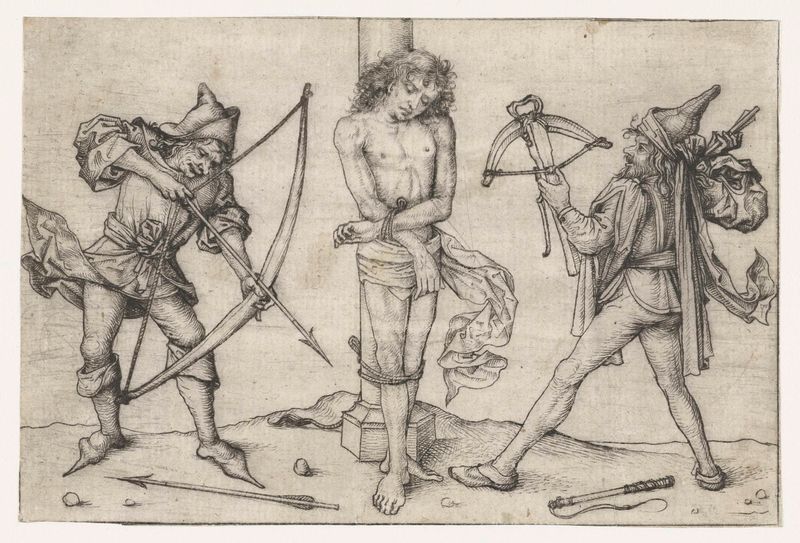
Heilige Sebastiaan met boogschutters
Meester van het Amsterdamse Kabinet

Het lichaam van Christus ondersteund door twee engelen
Meester van het Amsterdamse Kabinet

Heilige Anna-te-Drieën
Meester van het Amsterdamse Kabinet

Heilige Barbara (grote versie)
Meester van het Amsterdamse Kabinet
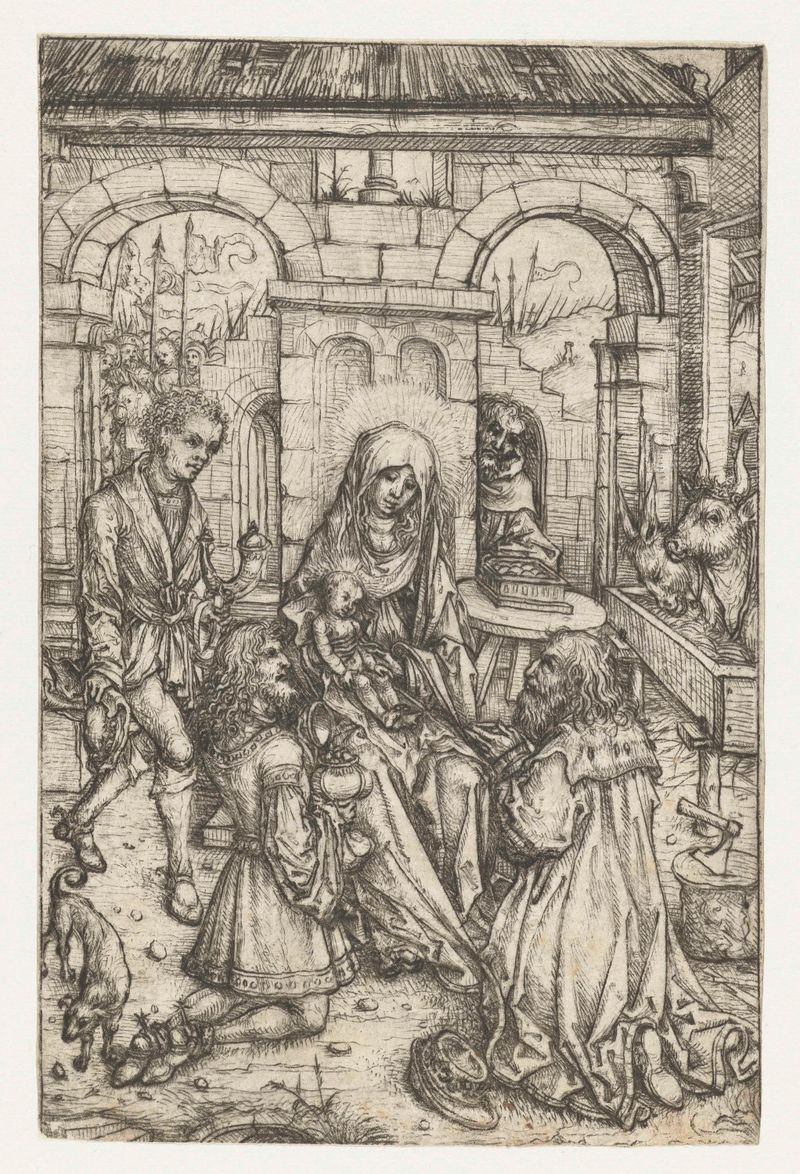
Aanbidding der koningen
Meester van het Amsterdamse Kabinet
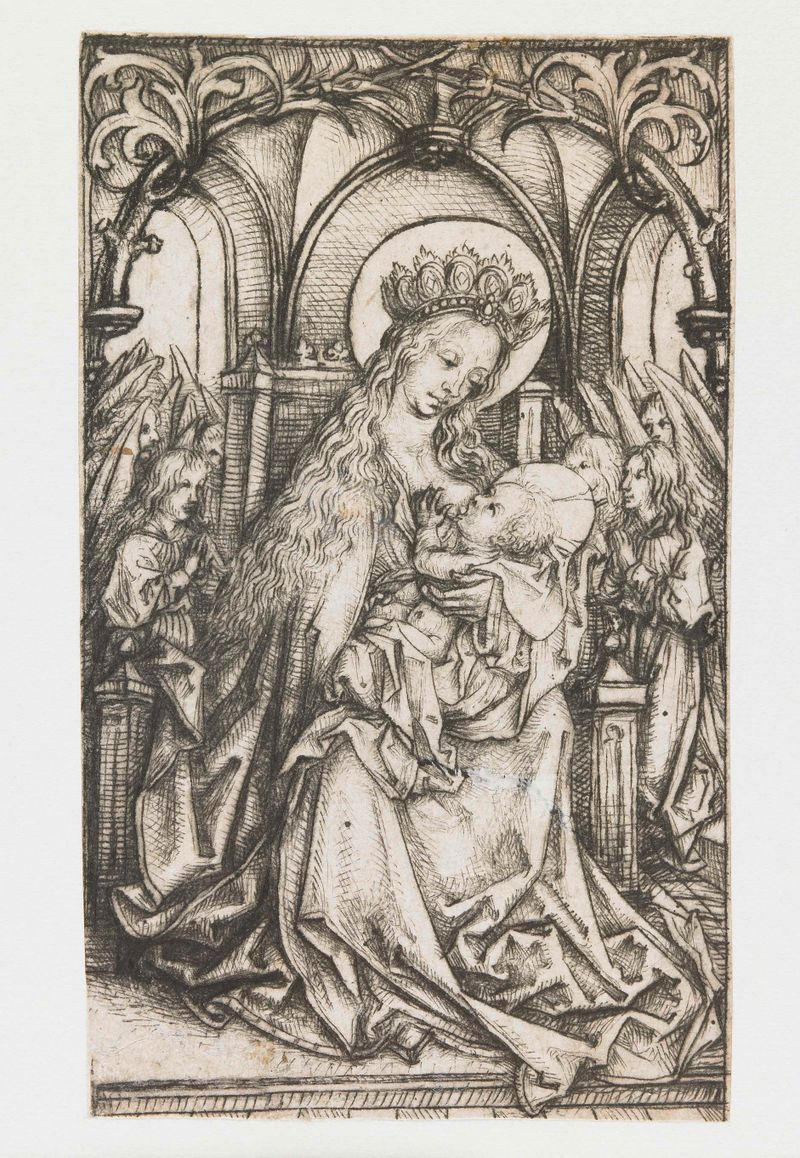
Tronende Madonna door engelen aanbeden
Meester van het Amsterdamse Kabinet

Het zegenend Christuskind
Meester van het Amsterdamse Kabinet
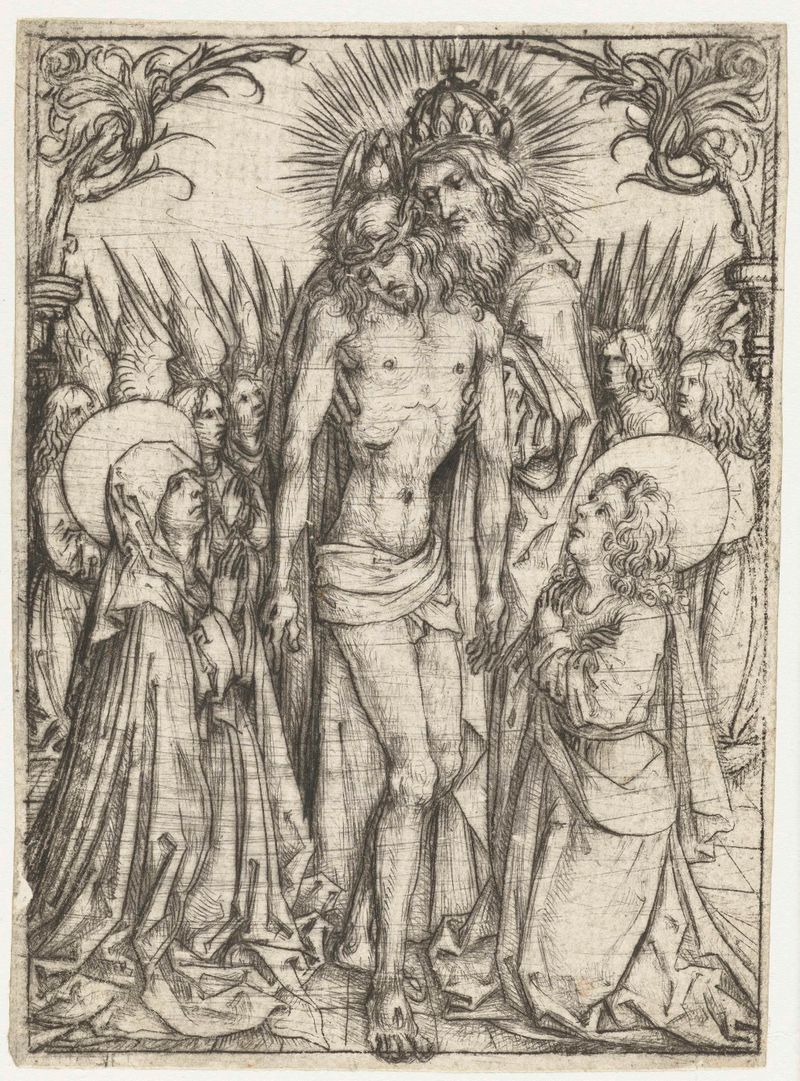
Aanbidding van de Heilige Drieëenheid door Maria, Johannes de Evangelist en engelen
Meester van het Amsterdamse Kabinet





