
Discover insights about this artwork
Journal des Dames et des Modes, Costumes Parisiens, 1914, No. 162 — History & Facts
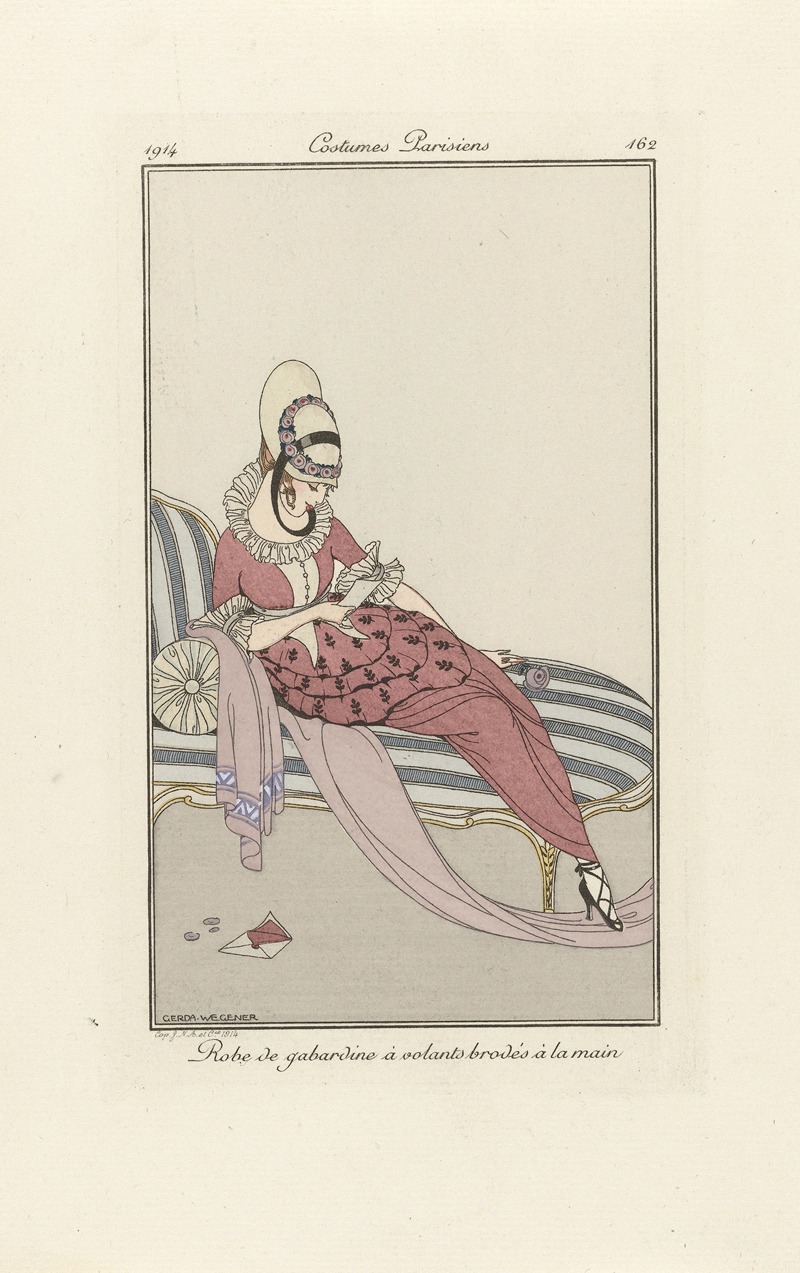
In Journal des Dames et des Modes, Costumes Parisiens, 1914, No. 162, Gerda Wegener presents a vibrant scene filled with fashionable figures. The colors are rich and varied, with soft pastels contrasting against bold hues.
The setting is a stylish Parisian backdrop, likely capturing the essence of the early 20th century. The figures are elegantly dressed, showcasing the latest trends of the time. The illustration is characterized by its detailed line work and a keen sense of fashion. Wegener's use of color enhances the visual appeal, drawing attention to the intricate designs of the costumes.
The composition is balanced, with figures arranged harmoniously within the space. This piece reflects the Art Deco style, emphasizing both elegance and modernity. Gerda Wegener was a prominent illustrator known for her depictions of fashionable women in the early 20th century. This work is significant as it captures the spirit of Parisian fashion just before World War I.
Wegener herself was part of the vibrant cultural scene of the time, often associated with the avant-garde. An interesting fact about this illustration is that it reflects not only fashion but also the social changes occurring in women's roles during that era.
More Artworks by Gerda Wegener
More Illustration Art
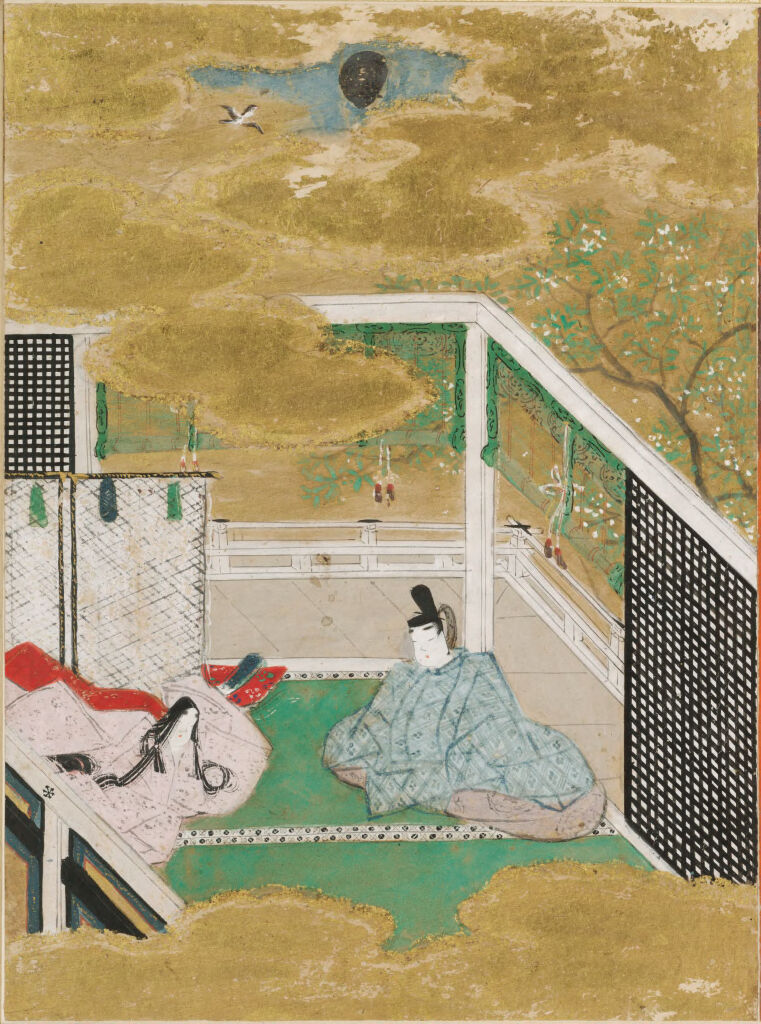
Falling Flowers (Hanachirusato), Illustration to Chapter 11 of the Tale of Genji (Genji monogatari)
Tosa Mitsunobu
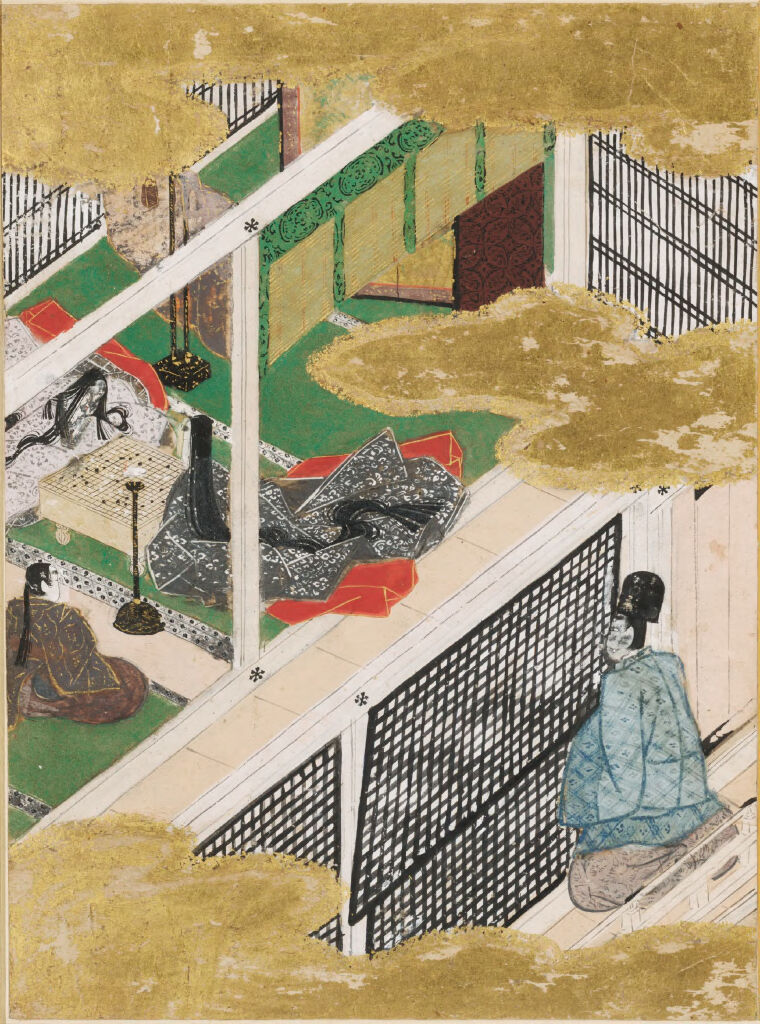
The Cicada Shell (Utsusemi), Illustration to Chapter 3 of the Tale of Genji (Genji monogatari)
Tosa Mitsunobu
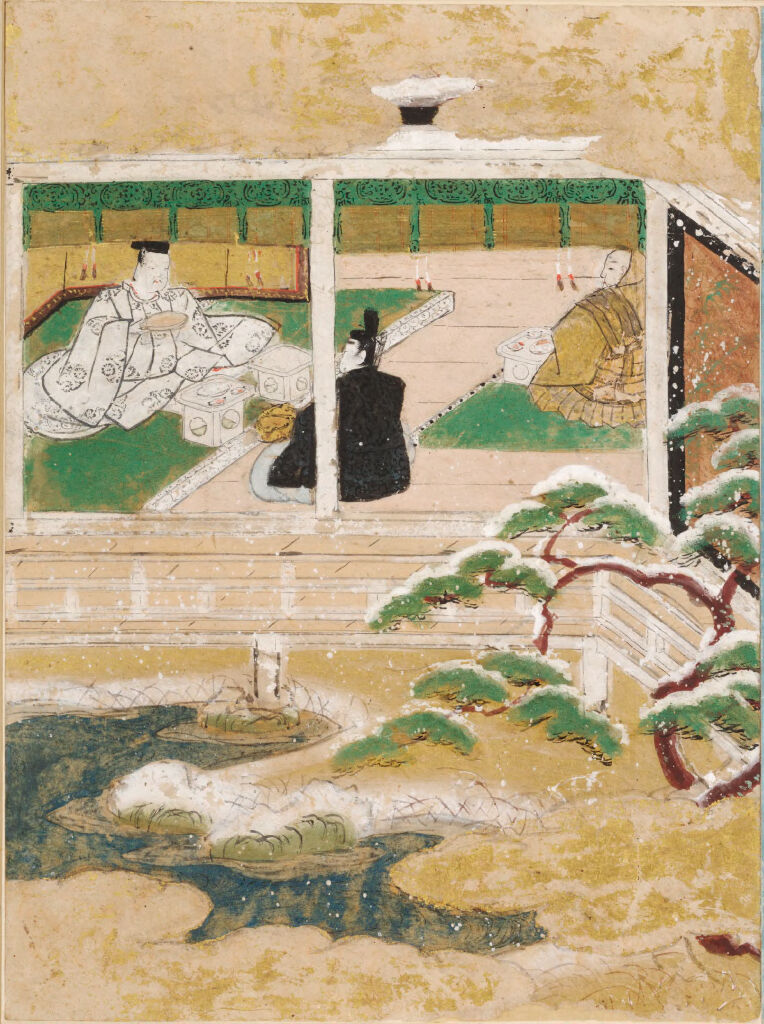
The Seer (Maboroshi), Illustration to Chapter 41 of the Tale of Genji (Genji monogatari)
Tosa Mitsunobu
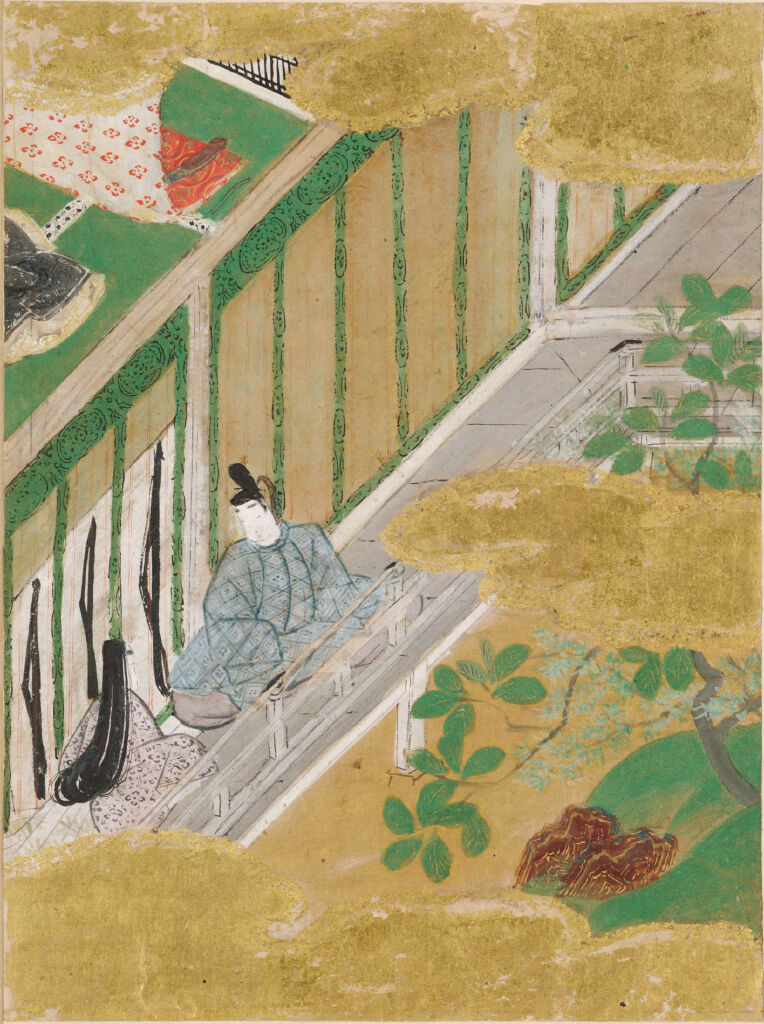
The Oak Tree (Kashiwagi), Illustration to Chapter 36 of the Tale of Genji (Genji monogatari)
Tosa Mitsunobu
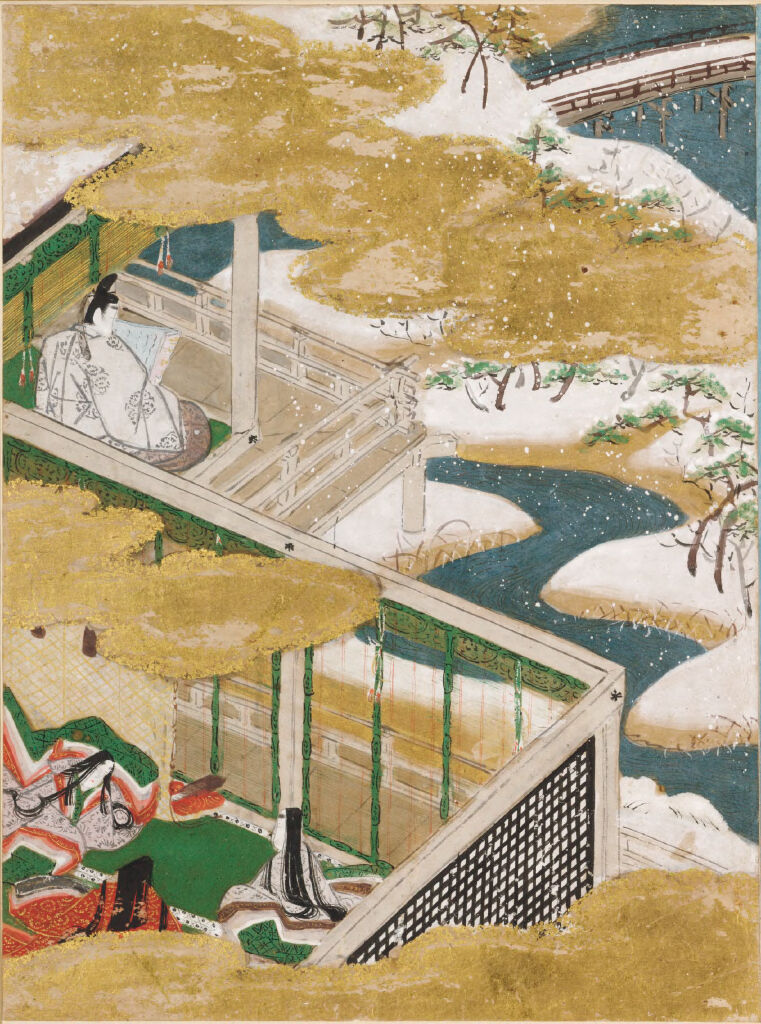
Beneath the Oak (Shiigamoto), Illustration to Chapter 46 of the Tale of Genji (Genji monogatari)
Tosa Mitsunobu
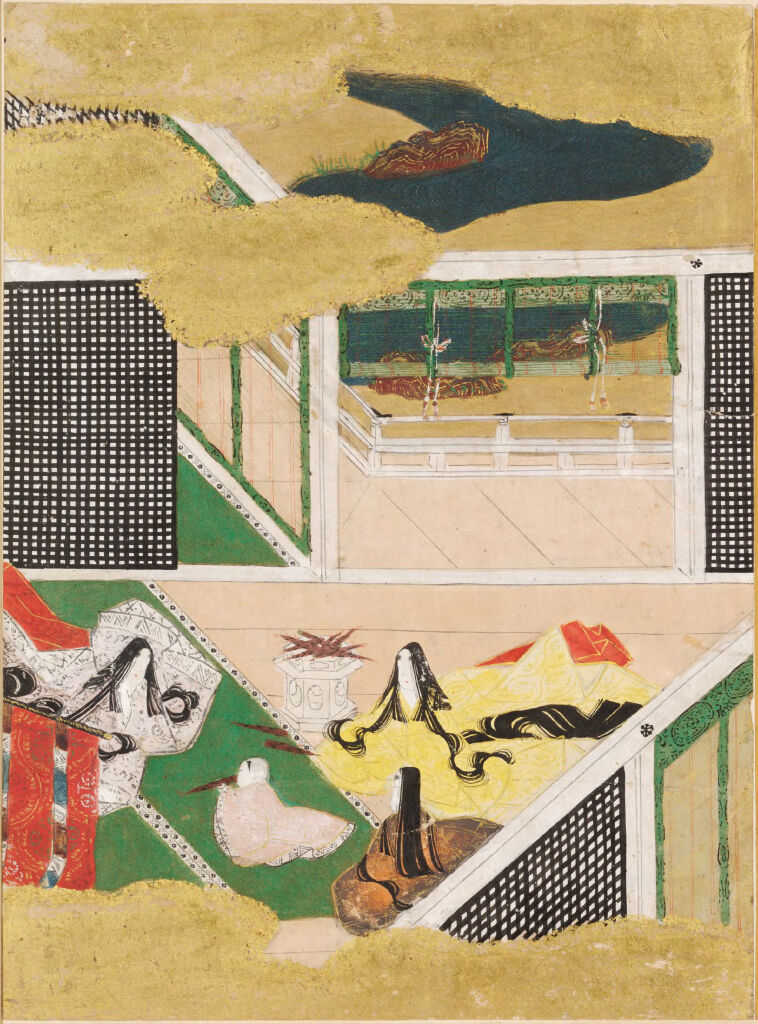
The Flute (Yokobue), Illustration to Chapter 37 of the Tale of Genji (Genji monogatari)
Tosa Mitsunobu