
Julia Comtesse Apraxin — History & Facts
In Julia Comtesse Apraxin, the viewer sees a woman elegantly dressed in a dark gown, adorned with delicate lace. The background features a soft, muted palette, enhancing the subject's presence. The use of light highlights her facial features, giving her a serene expression.
The overall composition is balanced, drawing the eye to the subject's gaze. Waldmüller employs oil on canvas to create this portrait, showcasing his skill in capturing realistic details. The brushwork is meticulous, particularly in the rendering of the lace and fabric textures. The colors are rich yet subtle, reflecting the artist's mastery of light and shadow.
This work exemplifies the Realism movement, focusing on authentic representation. Ferdinand Georg Waldmüller was a prominent Austrian painter of the 19th century, known for his realistic portraits. Julia Comtesse Apraxin is notable for its intimate portrayal of the subject, reflecting the artist's ability to convey personality. An interesting fact about this work is that it was painted during a time when Waldmüller was gaining recognition for his contributions to the Realism movement in Austria.
More Artworks by Ferdinand Georg Waldmüller

Die Rettenbachwildnis bei Ischl
Ferdinand Georg Waldmüller
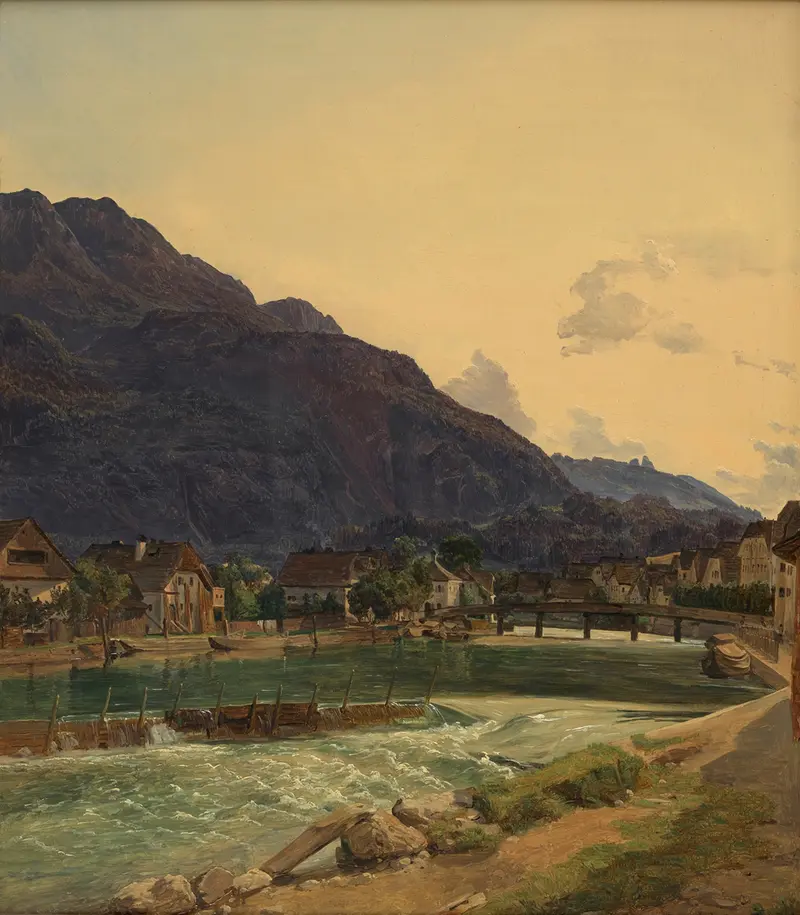
Die Traun bei Ischl
Ferdinand Georg Waldmüller
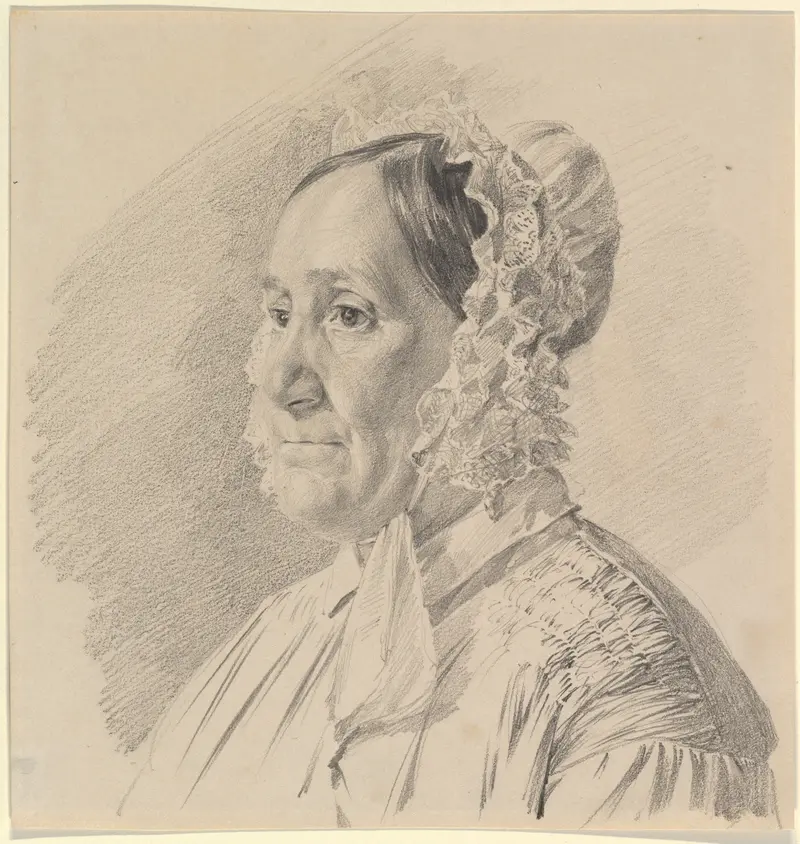
Portrait of a Woman in a Lace Bonnet, in three-quarter profile to the left
Ferdinand Georg Waldmüller
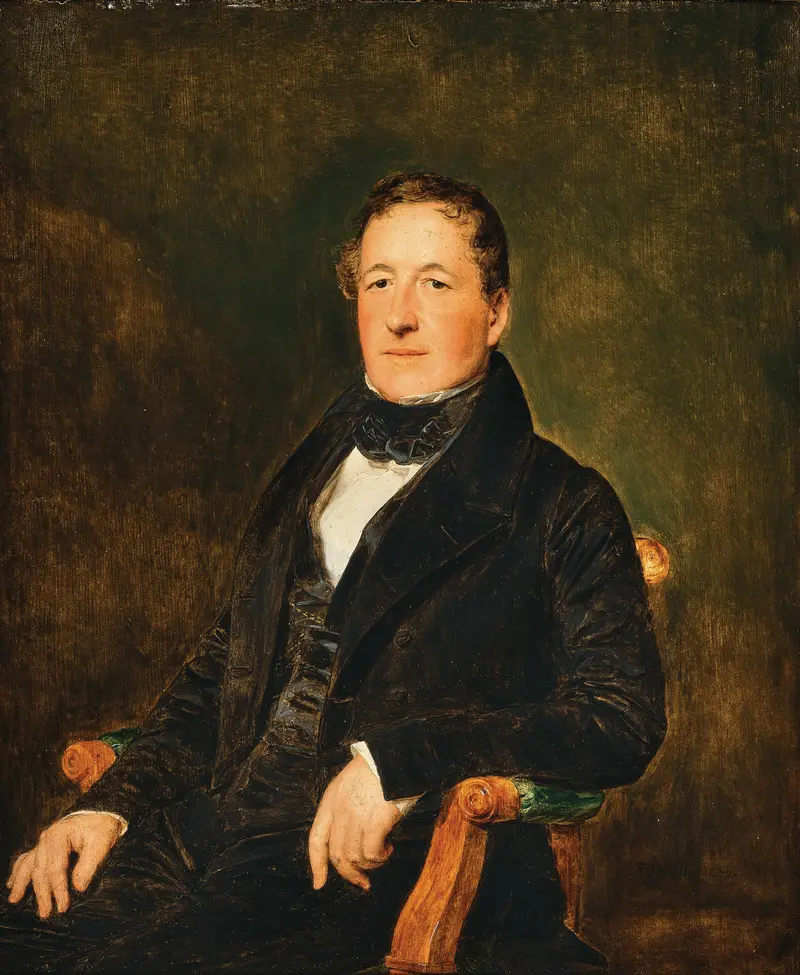
Portrait of Friedrich Eltz (1782–1855)
Ferdinand Georg Waldmüller

Porträt Josef von Stadler
Ferdinand Georg Waldmüller
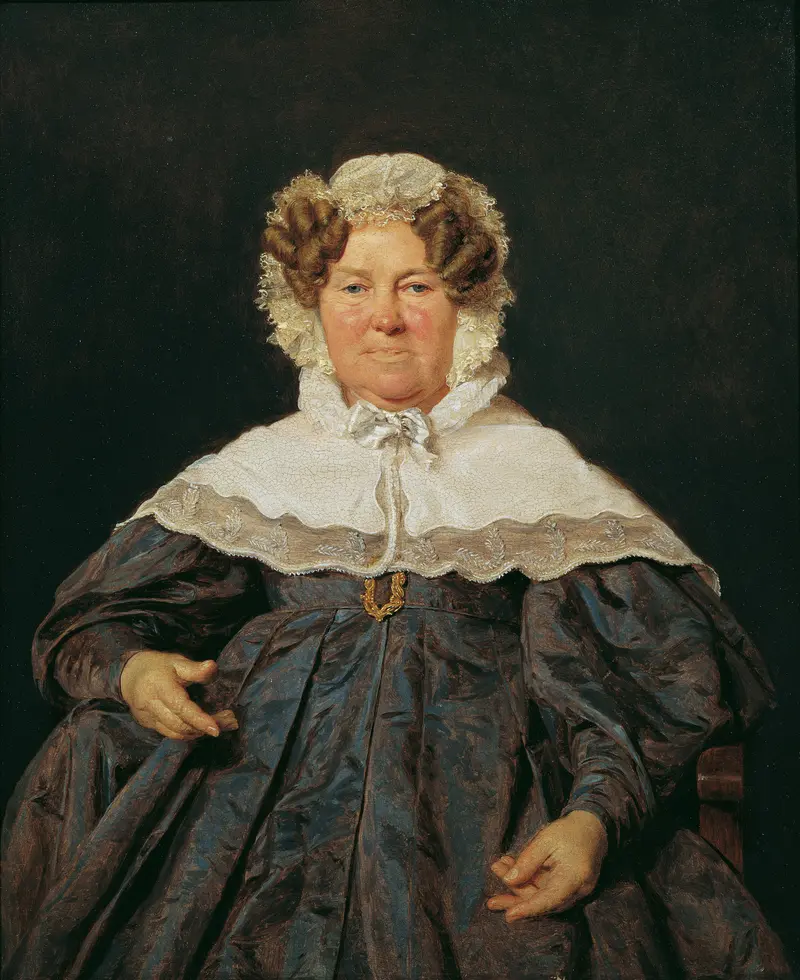
Josephine Schaumburg, geb. Stahel
Ferdinand Georg Waldmüller

Kaiser Ferdinand I. von Österreich
Ferdinand Georg Waldmüller
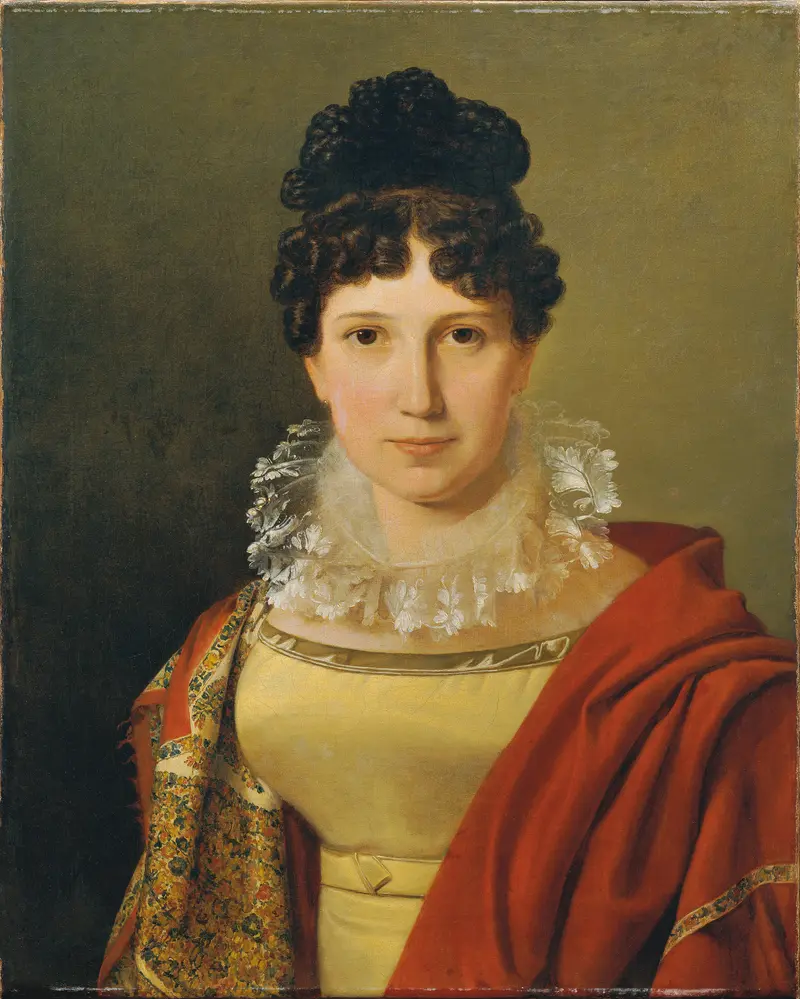
Catharina Freifrau von Koudelka
Ferdinand Georg Waldmüller
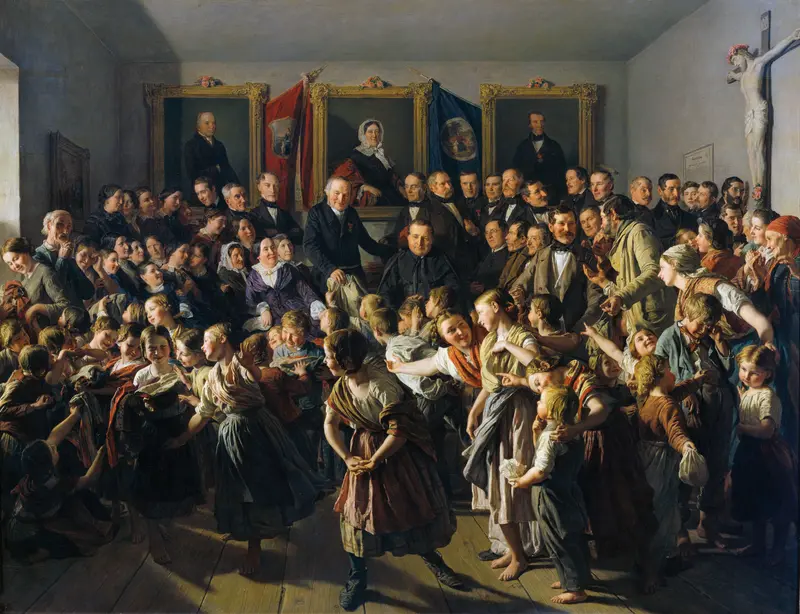
Kinder armer Eltern werden von der Gemeinde Spittelberg am Michaelitage mit Winterkleidern beteilt
Ferdinand Georg Waldmüller
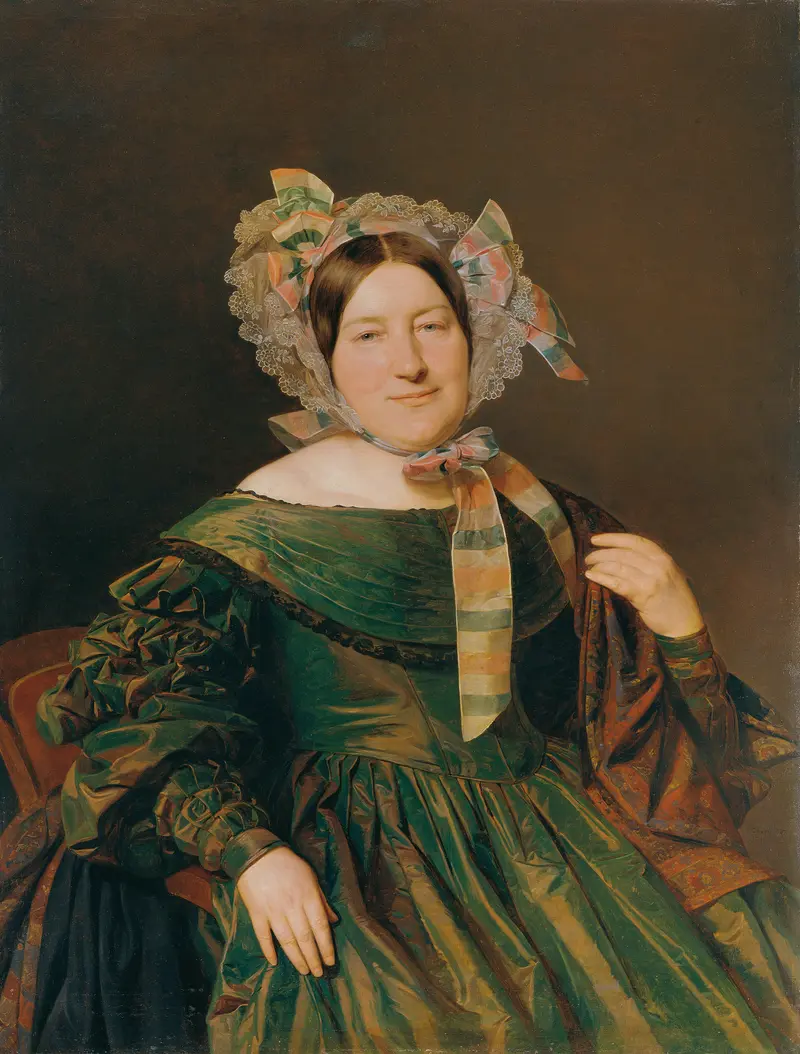
Frau in grünem, lachsrot changierendem Kleid
Ferdinand Georg Waldmüller





