
July — History & Facts
Time flows like a river, quietly shaping the landscapes and the lives within it. In the stillness of summer, moments stretch and linger, evoking the essence of life’s fleeting beauty. Look to the lush greenery that dominates the canvas, where delicate brushstrokes breathe vitality into every blade of grass and every leaf. The soft blues of the sky contrast with the golden hues of the sun-kissed fields, creating a harmonious play of light and shadow.
This deliberate arrangement draws the eye toward the horizon, inviting contemplation of the scene’s depth and inviting the viewer to disappear into its tranquil embrace. Beneath the idyllic surface lies a tension between stillness and movement. The serene landscape hints at a world in transition, where the vibrancy of summer suggests both life and impending change. Nature’s lush abundance signals vitality, yet the gentle, almost melancholic quality of the light invites reflection on the passage of time, urging us to recognize that each moment, like summer, is ephemeral. In 1855, the artist created this piece while immersed in the burgeoning art scene of the Netherlands, a time when Romanticism was still influencing artists’ perceptions of nature.
Kruseman, known for his pastoral scenes, painted July during a period of personal exploration and growth, capturing the essence of a season that inspired not only him but countless others to appreciate the fleeting beauty of life.
More Artworks by Frederik Marinus Kruseman
Browse all →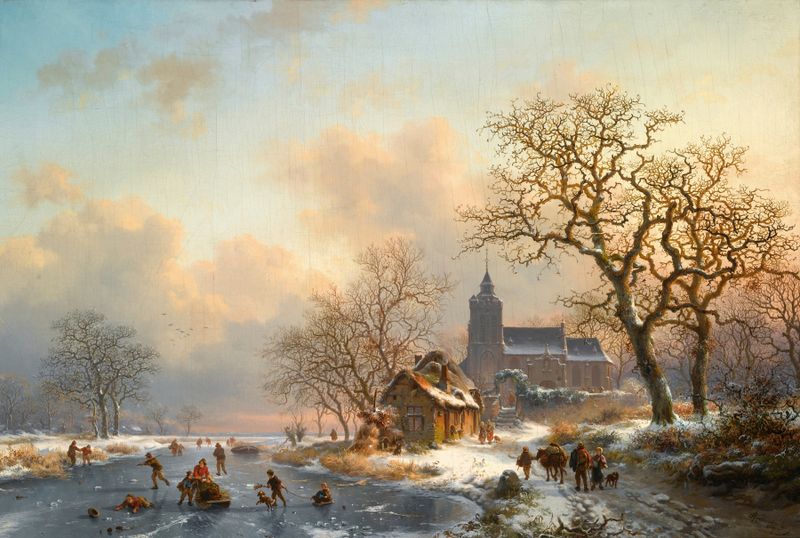
A Winter Landscape With Skaters On A Frozen River
Frederik Marinus Kruseman

Winter Landscape With Strollers And Skaters
Frederik Marinus Kruseman

Monk Meditating near a Ruin by Moonlight
Frederik Marinus Kruseman
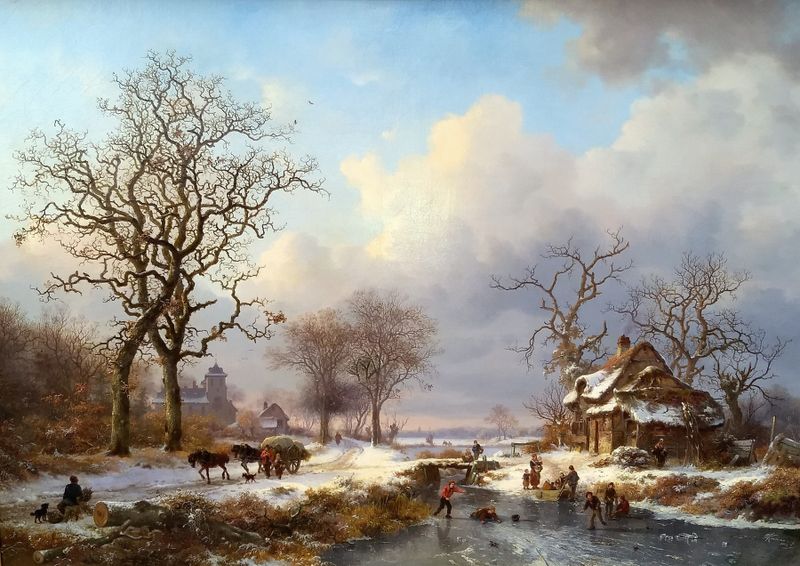
Dutch Winter Landscape with Skaters
Frederik Marinus Kruseman

Winter landscape with figures on a frozen river
Frederik Marinus Kruseman
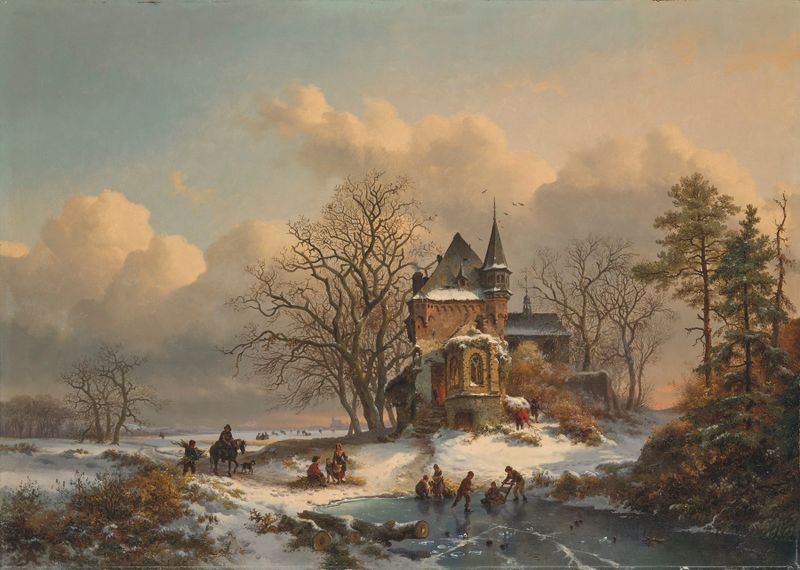
Winter landscape with skaters
Frederik Marinus Kruseman
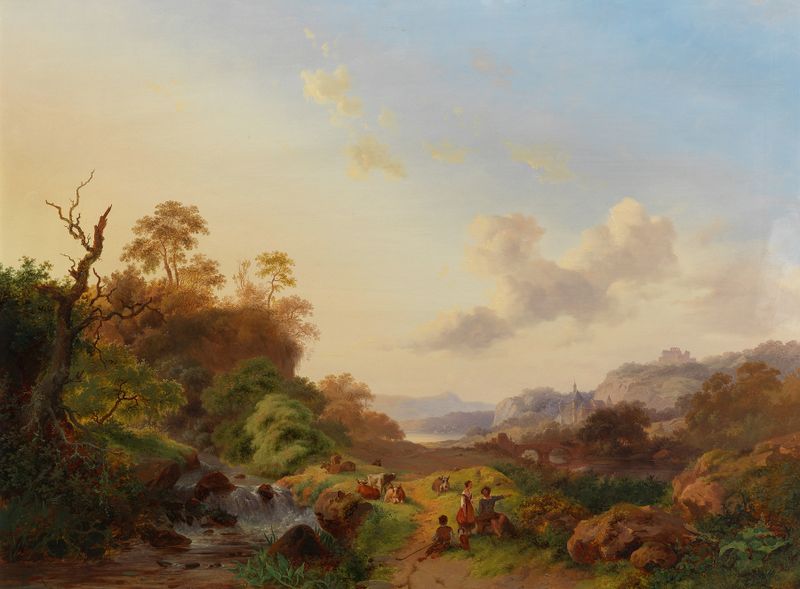
Summer landscape with figures and cattle near a waterfall
Frederik Marinus Kruseman
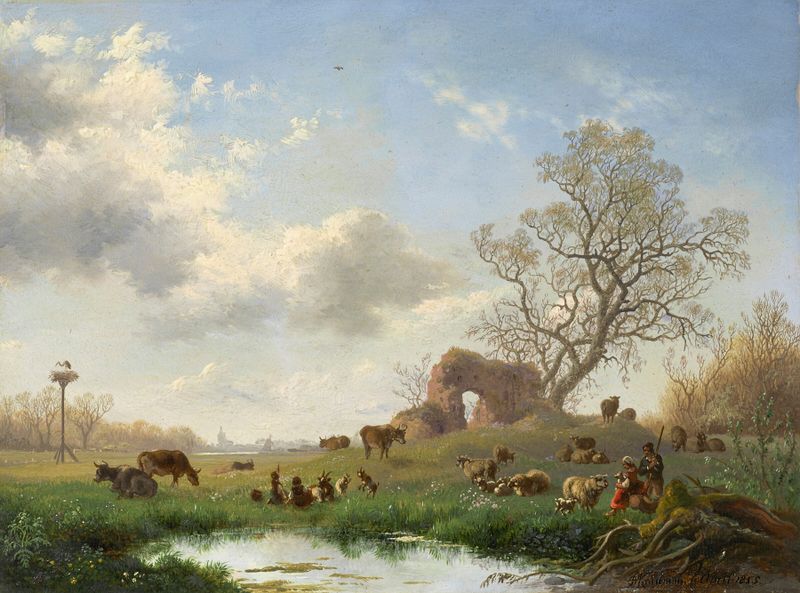
April
Frederik Marinus Kruseman
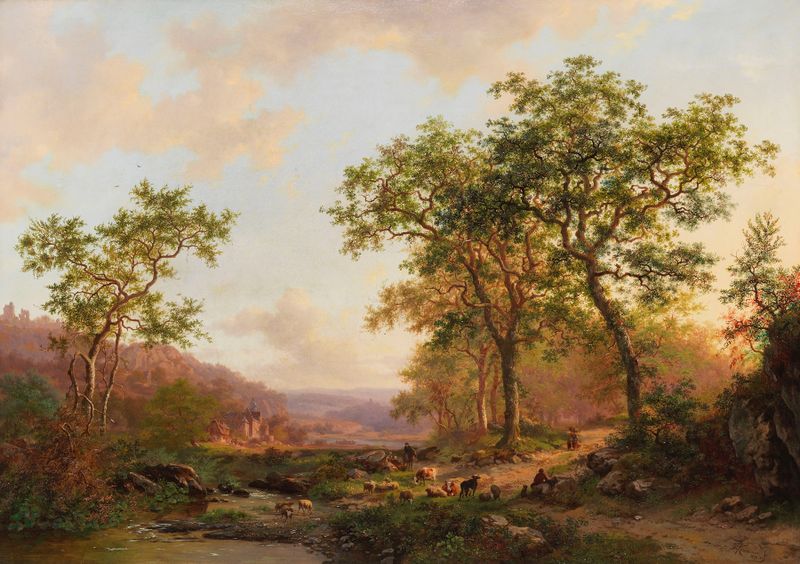
Weite Landschaft im Abendlicht
Frederik Marinus Kruseman
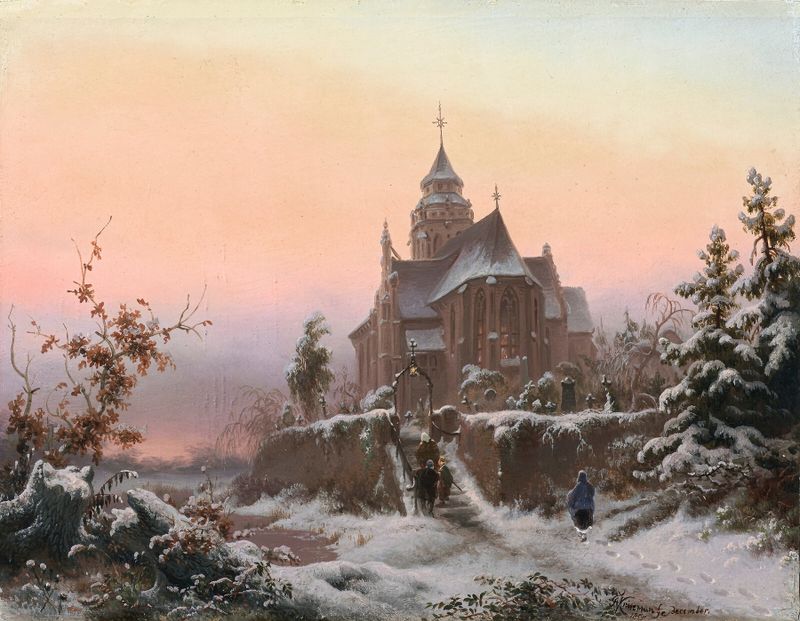
December
Frederik Marinus Kruseman





