
Jungfrau — History & Facts
What if silence could speak through light? In John Singer Sargent's Jungfrau, the serene interplay of shadow and illumination invites us into a nostalgic reverie, whispering memories of distant mountains and the fleeting beauty of nature. Look to the left at the majestic peak of Jungfrau, its towering presence captured in a palette of ethereal whites and muted blues. The soft brushstrokes create an atmospheric depth, revealing the intricacies of the landscape — the subtle variations in texture that evoke the chill of altitude. As your gaze sweeps across the canvas, notice how the light delicately bathes the snow, transforming it into a luminous blanket that glows against a sky punctuated by wispy clouds, hinting at a tranquil yet expansive realm. Within this picturesque scene lies a sense of melancholic nostalgia, a longing for a time when nature felt untamed and sacred.
The quiet majesty of the mountain contrasts sharply with the human experience of fleeting life, embodying both permanence and transience. Sargent’s thoughtful composition suggests not only the grandeur of the Swiss Alps but also evokes personal introspection, as if the landscape itself holds the weight of unspoken stories and emotions. Created in 1870, this work emerged during a significant period in Sargent's early career while he was traveling in Europe. At the time, he was honing his skills and seeking inspiration from the natural world, moving away from conventional portraiture towards capturing the essence of landscapes.
The Alpine scenes he painted during this period would later influence his celebrated depictions of light and atmosphere, paving the way for the masterful works that would define his legacy in the years to come.
More Artworks by John Singer Sargent
Browse all →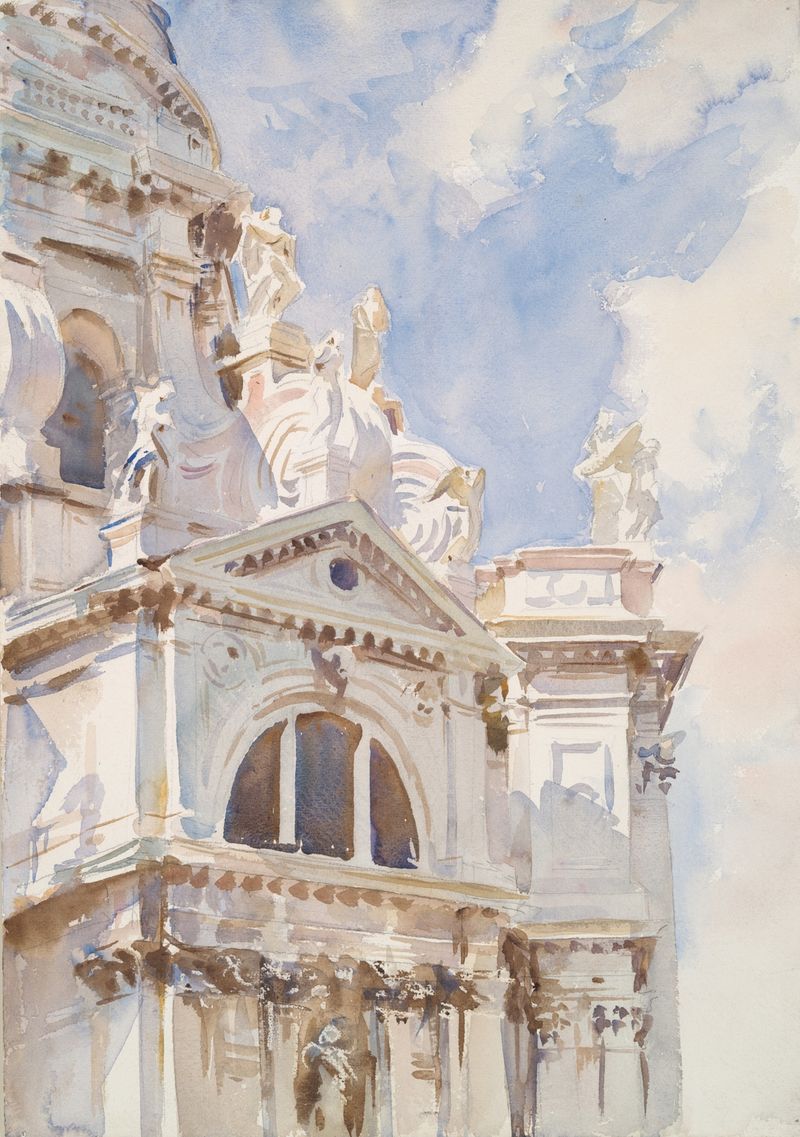
The Salute, Venice
John Singer Sargent

Mrs. Charles Deering (Marion Denison Whipple)
John Singer Sargent
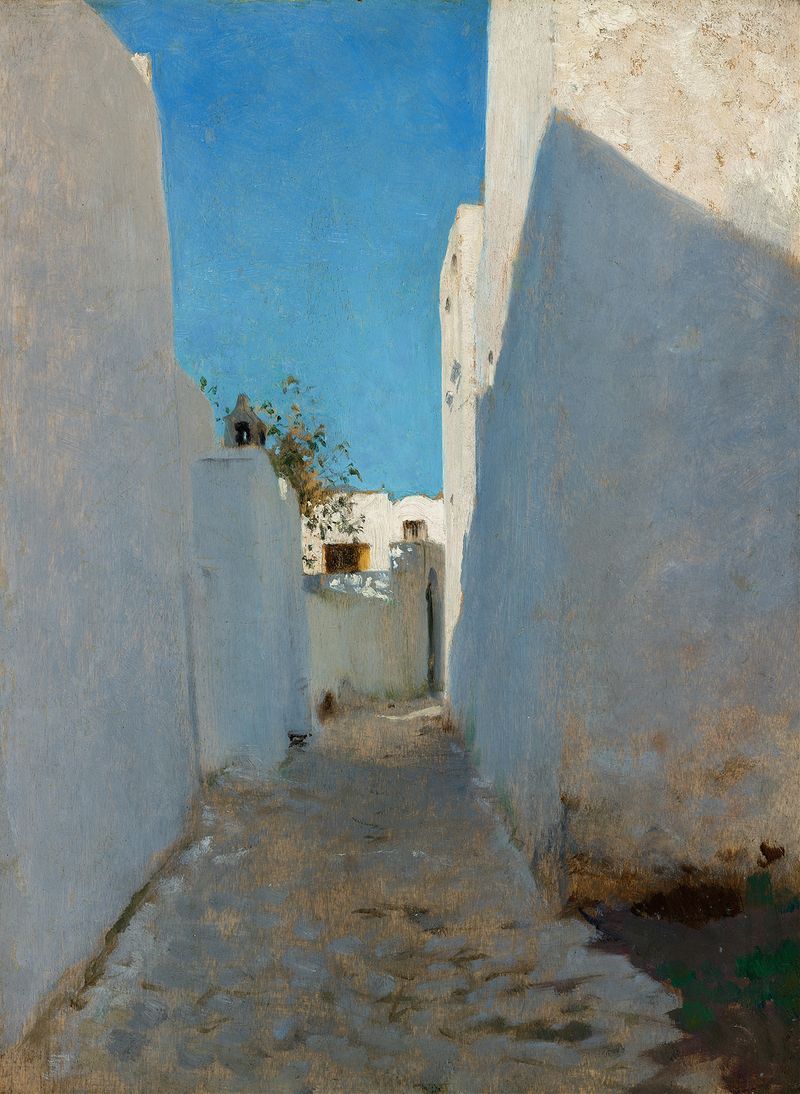
A Moroccan Street Scene
John Singer Sargent
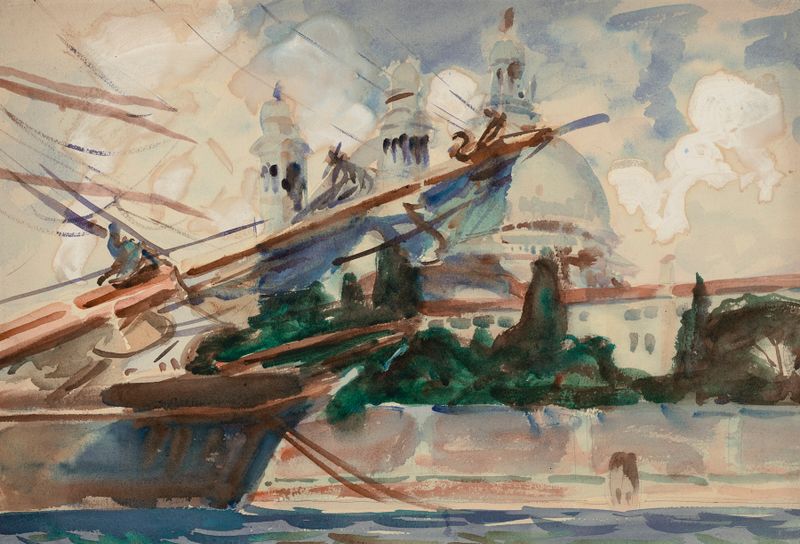
The Salute, Venice
John Singer Sargent
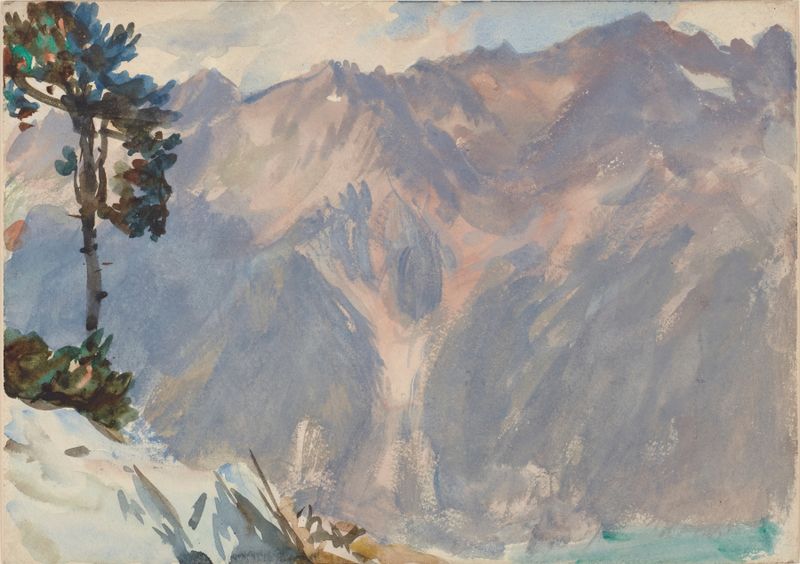
Tyrol
John Singer Sargent
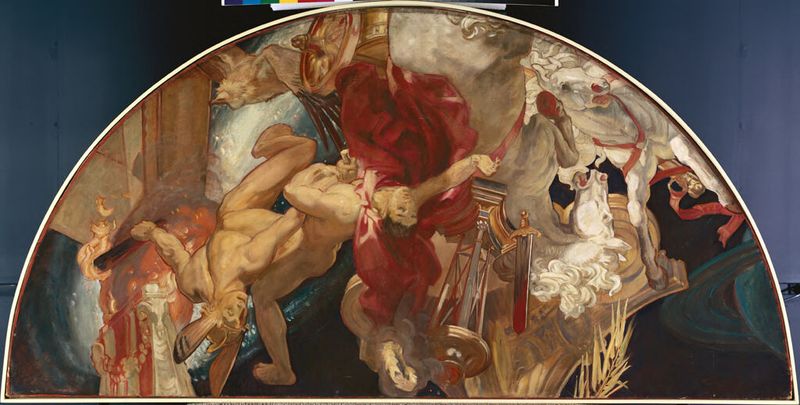
Study for "Gog and Magog," for the Boston Public Library
John Singer Sargent
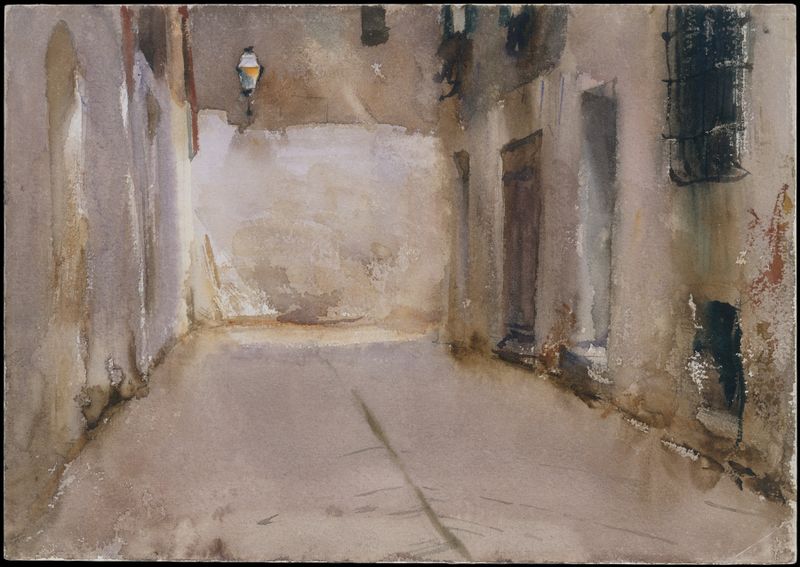
Venice
John Singer Sargent
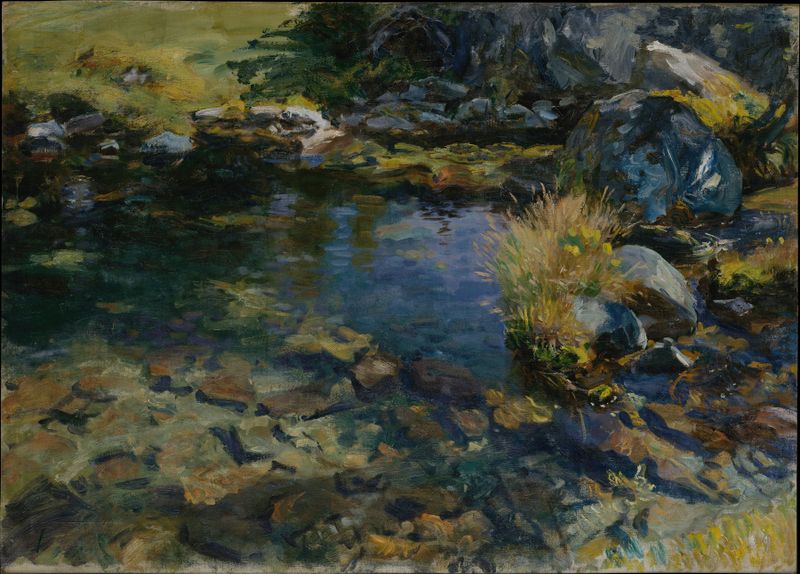
Alpine Pool
John Singer Sargent
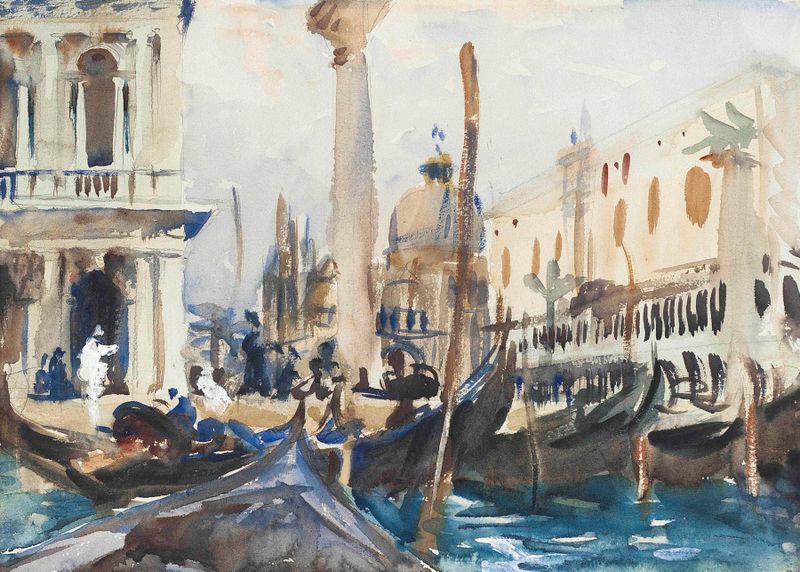
The Piazzetta with Gondolas
John Singer Sargent
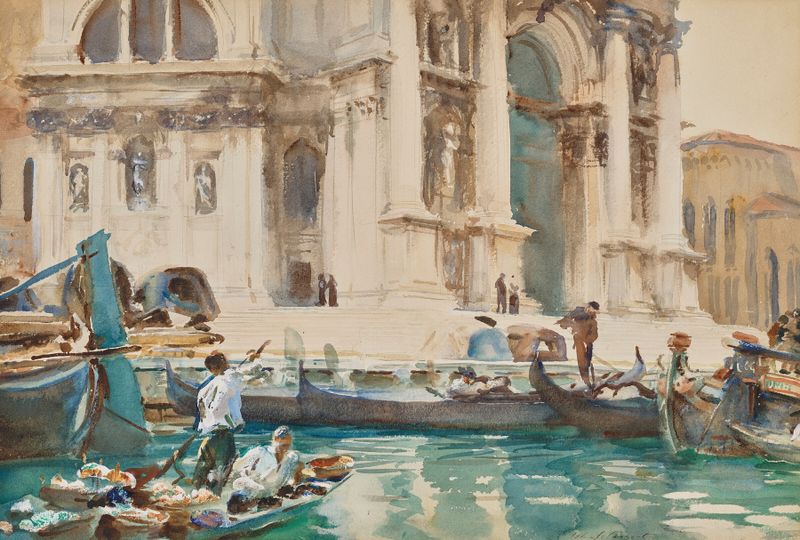
The Façade of La Salute, Venice
John Singer Sargent





