Kaikoura coast — History & Facts
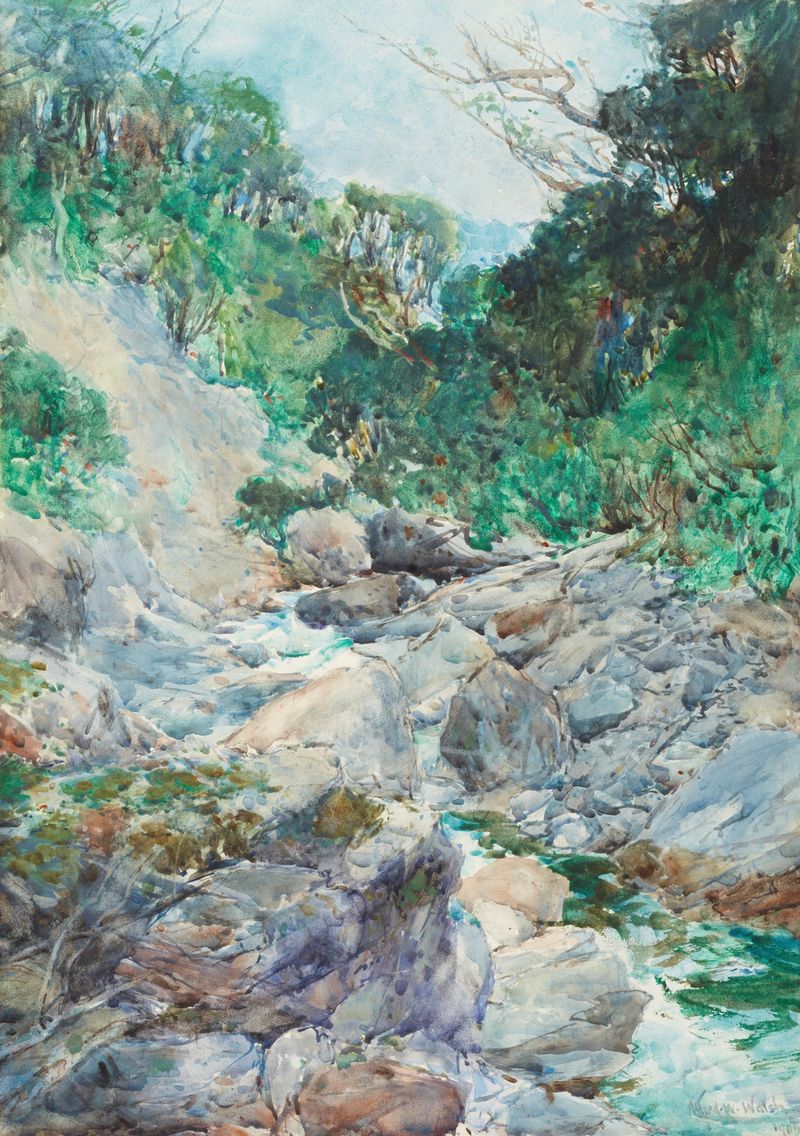
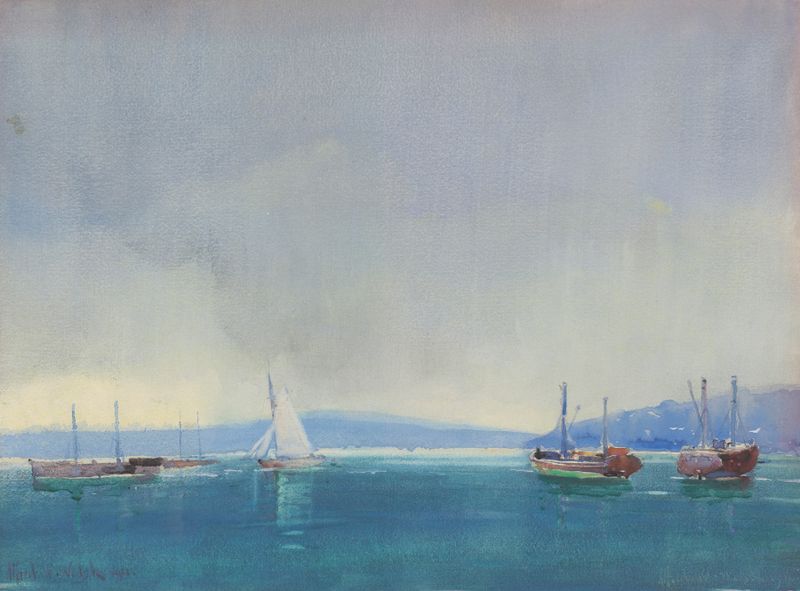
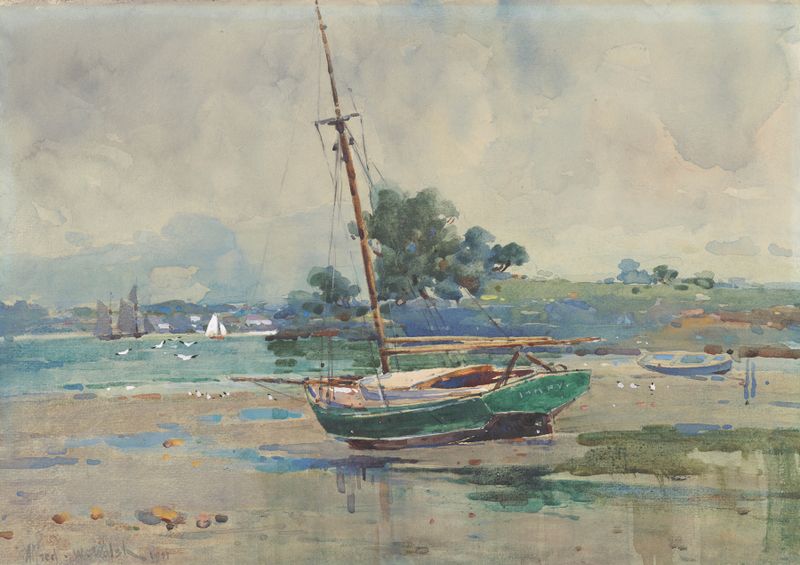
Is this a mirror — or a memory? The coastal landscape unfolds like a wistful reverie, each brushstroke stirring echoes of tranquility and nostalgia. The viewer is invited to lose themselves in the rhythmic dance of waves and the gentle embrace of the sky above, a scene that feels both immediate and timeless. Look to the horizon where the deep azure of the ocean meets the pastel hues of a fading sky; the interplay of light and color draws the eye to the serene meeting point. Notice how the artist employs soft, fluid brushwork to capture the essence of water, evoking an almost dreamy quality.
The rocky foreground anchors the scene, while the subtle gradations of blue and gold conjure a sense of warmth and comfort, inviting contemplation of the world beyond the canvas. Beneath the surface, a deeper emotional current flows. The juxtaposition of rugged rocks against the smoothness of waves hints at the resilience of nature amidst fleeting moments of beauty. The fading light symbolizes the passage of time, urging the viewer to reflect on their own memories connected to the sea, evoking a longing for places once cherished, yet now distant. In 1910, as Alfred Walsh painted this coastal landscape, he found himself in a world transitioning towards modernity.
Living in New Zealand, he was influenced by the burgeoning Impressionist movement, which emphasized capturing the ephemeral effects of light and atmosphere. This period marked a time of exploration and solidifying national identity in art, with Walsh's evocative portrayal of the Kaikoura coast reflecting both personal and collective nostalgia for the beauty of the New Zealand landscape.