
Kairouan — History & Facts
The essence of rebirth flows through Kairouan, a canvas that invites us to experience a moment suspended in time, rich in both history and vibrancy. Look to the center of the painting, where the architectural grandeur of the mosque rises, its minarets a testament to human ambition and spiritual aspiration. The warm ochres and deep blues entwine in a dance of color, evoking the sun-drenched landscapes of Tunisia. Notice how the light filters through the arches, creating delicate shadows that breathe life into the stone, emphasizing the passage of time and the sacredness of place. Upon closer inspection, the rhythmic repetition of patterns suggests a connection to both the celestial and terrestrial, blurring the boundaries between the two.
The contrast between the complex geometry of the architecture and the softness of the surrounding nature speaks to the harmony of human creation and the natural world. There’s an undercurrent of nostalgia here, as if the painting yearns for a time when these spaces were alive with the fervor of faith and community, reminding us of the resilience of culture. Jan Ciągliński painted Kairouan in 1911, during a period marked by his fascination with North African landscapes. Residing in Paris at the time, he was influenced by the vibrant colors and light of Impressionism.
This work reflects not only his personal journey but also a larger movement in the art world, as artists sought to capture the essence of places far removed from their own homelands, blending reality with the vivid dreams of rebirth.
More Artworks by Jan Ciągliński
Browse all →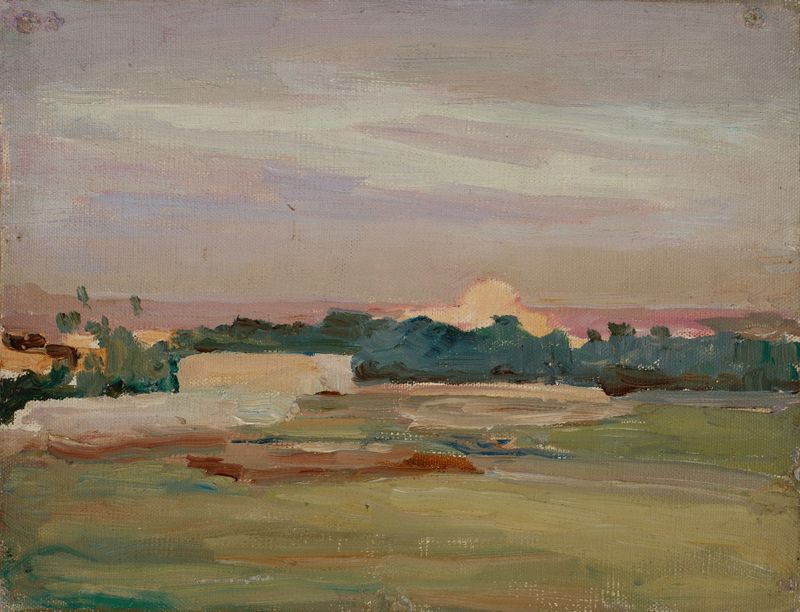
The Sirocco
Jan Ciągliński
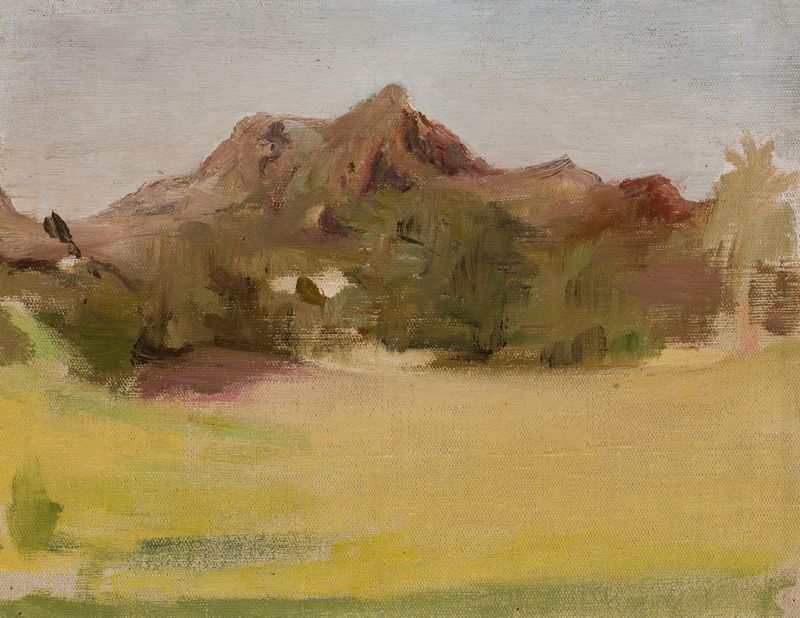
Mountain landscape. From the journey to India
Jan Ciągliński
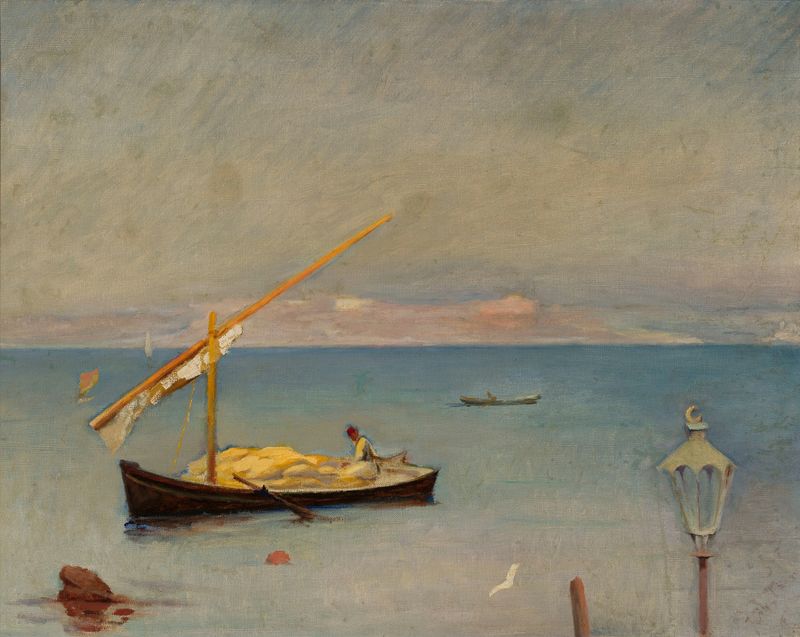
At Bosporus
Jan Ciągliński
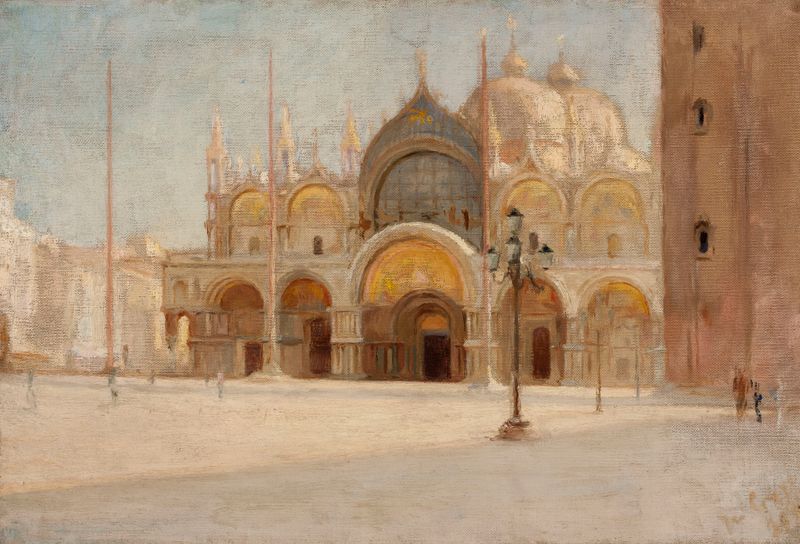
St Mark’s Square in Venice
Jan Ciągliński
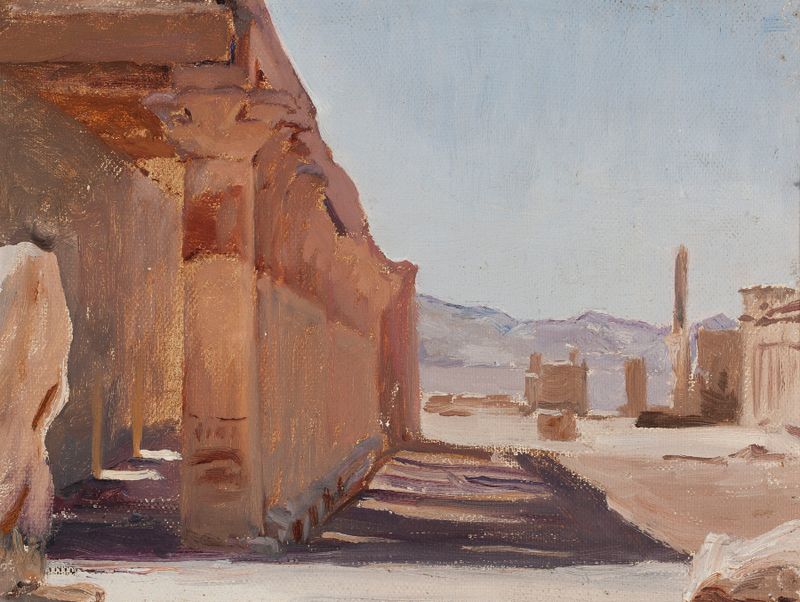
Temple. From the journey to Egypt
Jan Ciągliński
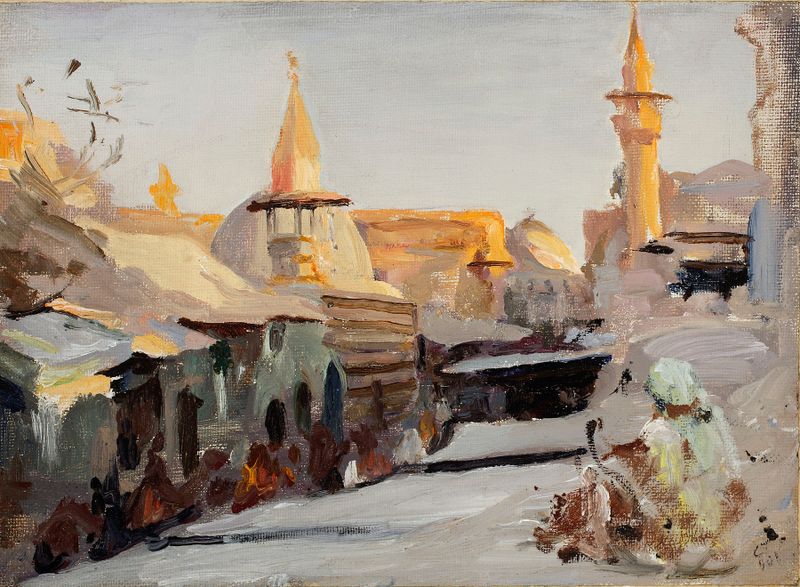
Street in Damascus. From the journey to Palestine
Jan Ciągliński
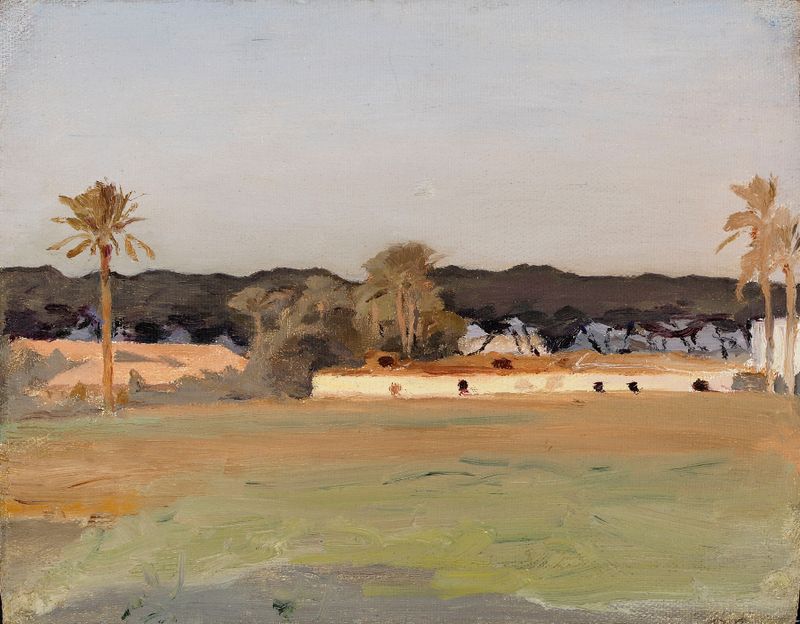
Evening. From the journey to Egypt
Jan Ciągliński
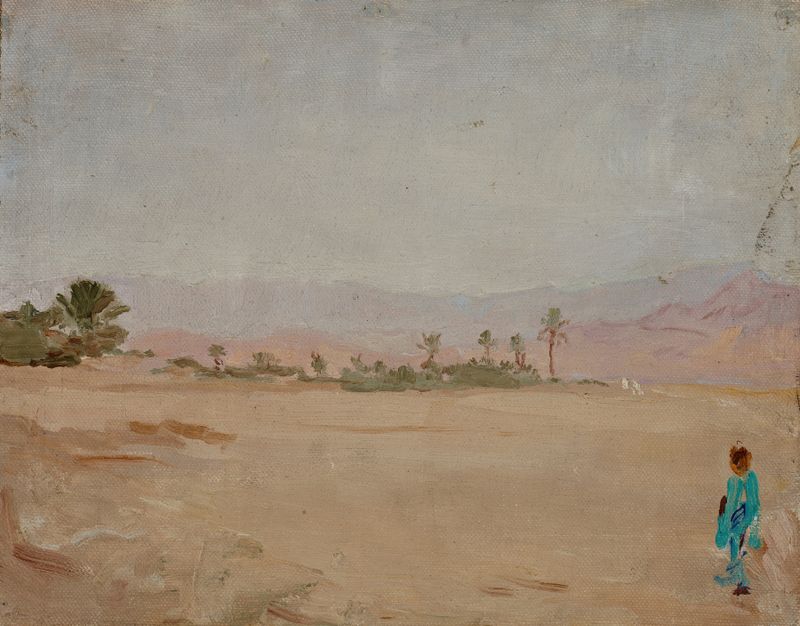
Sahara (Desert)
Jan Ciągliński
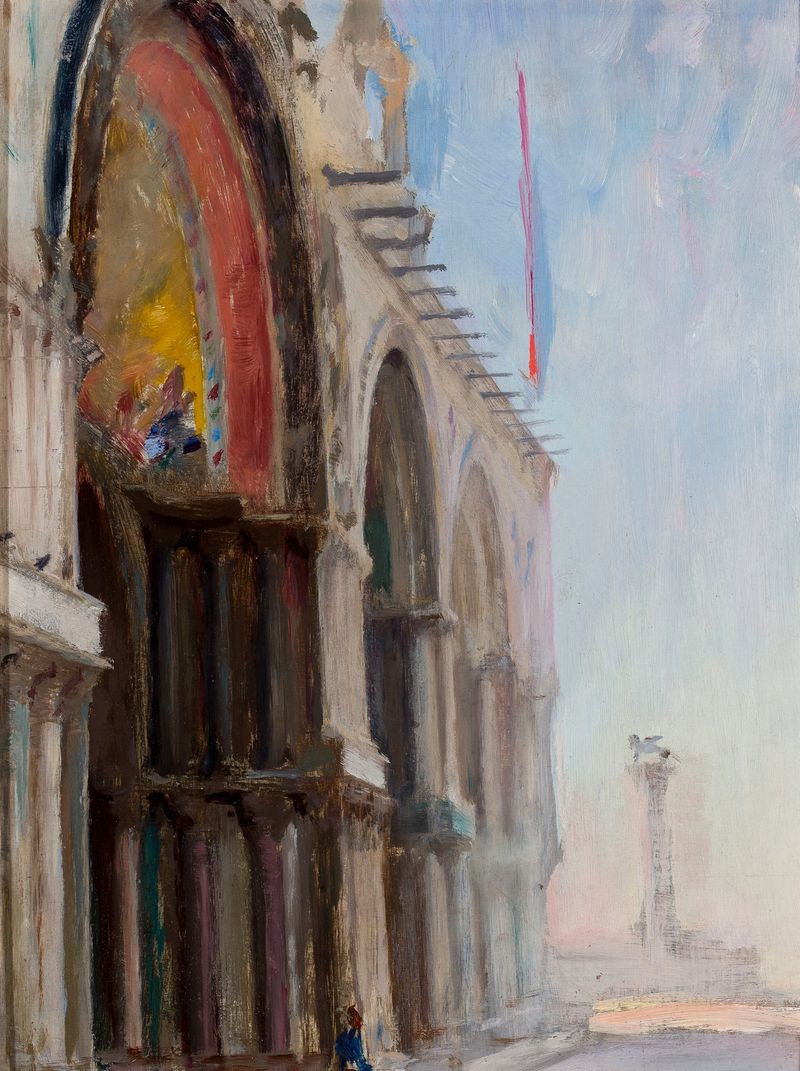
Venice – San Marco. From the journey to Italy
Jan Ciągliński
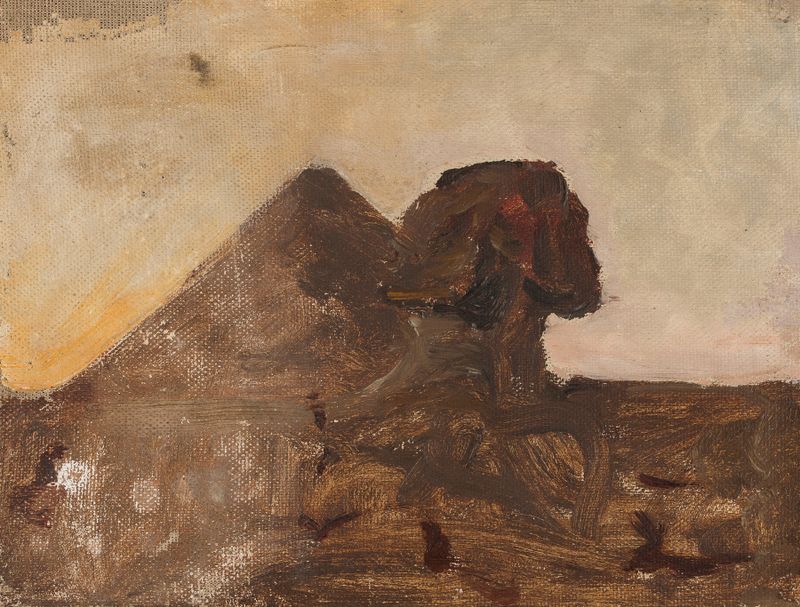
Evening in the desert – Sphinx and pyramid. From the journey to Egypt
Jan Ciągliński
More Architecture Art
Browse all →
The statue of Liberty
Frédéric Auguste Bartholdi

View of Houses in Delft, Known as ‘The Little Street’
Johannes Vermeer

View of Houses in Delft, Known as ‘The Little Street’
Johannes Vermeer

The Cathedral in Rouen. The portal, Grey Weather
Claude Monet

The yellow house
Vincent van Gogh

The Church in Auvers-sur-Oise, View from the Chevet
Vincent van Gogh