
Kairouan (Entrance to the Mosque of the Barber) — History & Facts
But how do we capture the essence of a place steeped in the whispers of history, longing for the touch of the past? Look at the stunning archway in Kairouan, where the intricate patterns pull your gaze toward the mosque’s ethereal elegance. The artist's brush twirls through vibrant colors, blending warm ochres and deep blues, creating a visceral connection to the sun-drenched courtyard. Notice how the textured stone invites you to run your fingers across its surface, while shadows dance in the light, evoking a sense of reverie and nostalgia. Delve deeper, and you’ll find an interplay of tradition and modernity.
The strong geometric shapes symbolize strength and stability, yet the open arch suggests a yearning for exploration beyond the known. It conveys a dialogue between the spiritual and the material, inviting viewers to contemplate the passage of time and the layers of memory embedded in this sacred space. Here, the mosque stands as a testament to faith, yet is also a reflection of the fleeting beauty that life offers. In 1911, Jan Ciągliński found himself in a vibrant artistic period, capturing the essence of North African architecture amidst a European context.
Living in Paris, he drew inspiration from the Orientalist movement, which fostered fascination with the East. It was a time when many artists sought to reconcile their own identities with the allure of distant cultures, resulting in a canvas that not only depicts a scene but also embodies a complex emotional tapestry of longing and remembrance.
More Artworks by Jan Ciągliński
Browse all →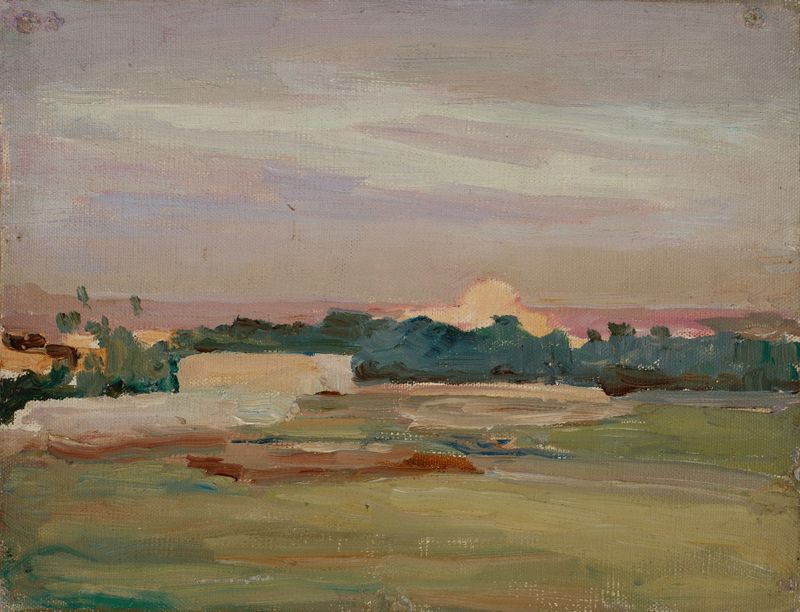
The Sirocco
Jan Ciągliński
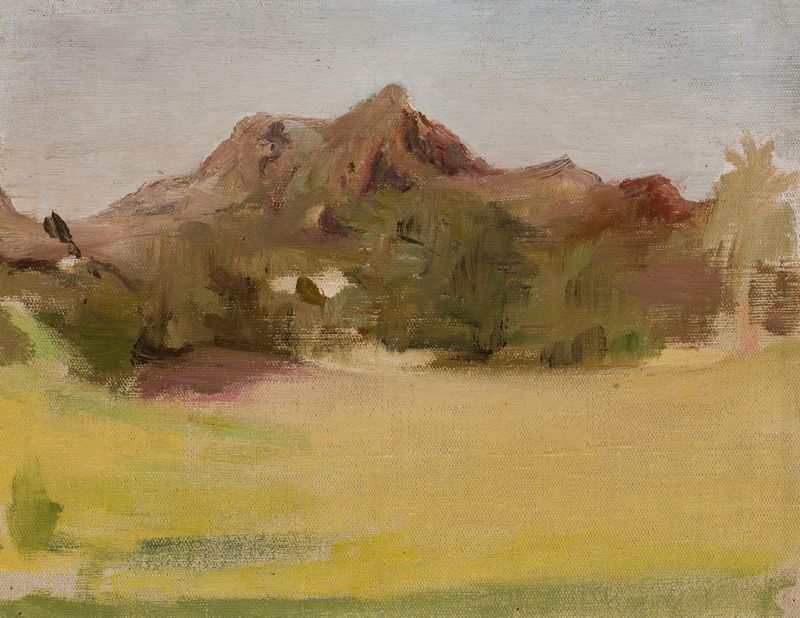
Mountain landscape. From the journey to India
Jan Ciągliński
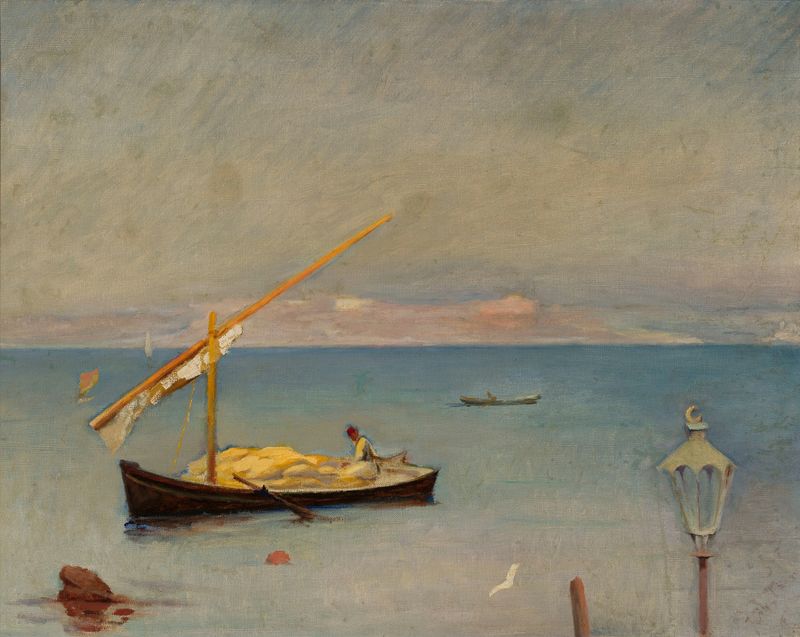
At Bosporus
Jan Ciągliński
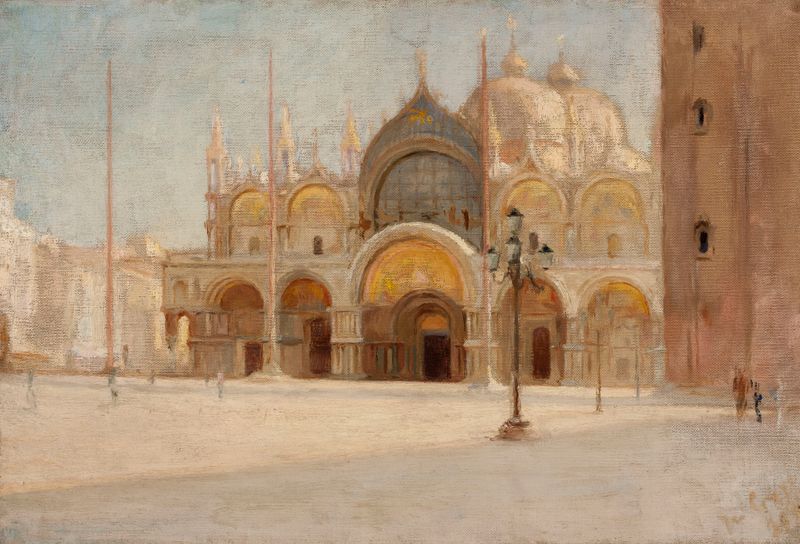
St Mark’s Square in Venice
Jan Ciągliński
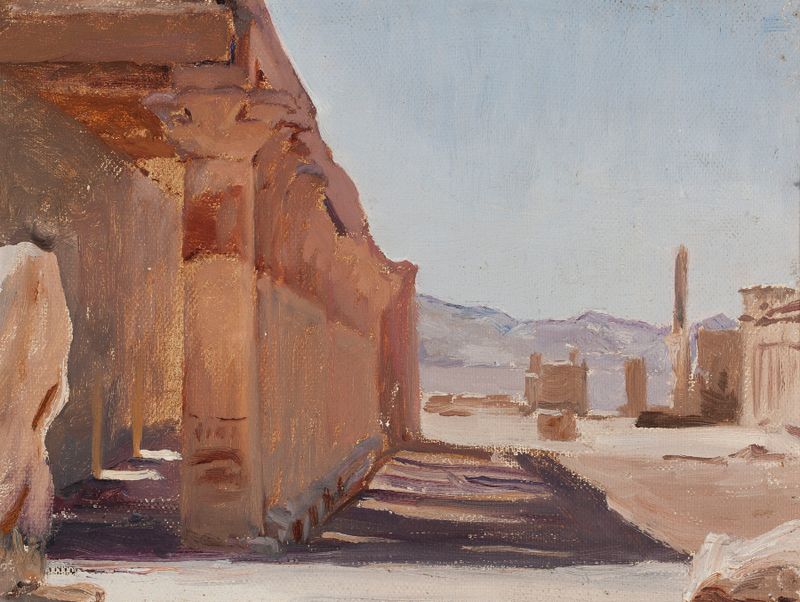
Temple. From the journey to Egypt
Jan Ciągliński
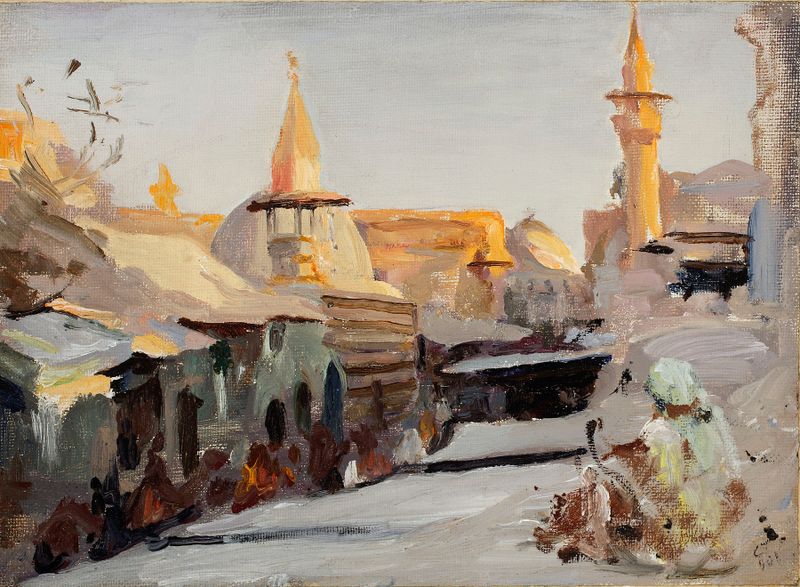
Street in Damascus. From the journey to Palestine
Jan Ciągliński
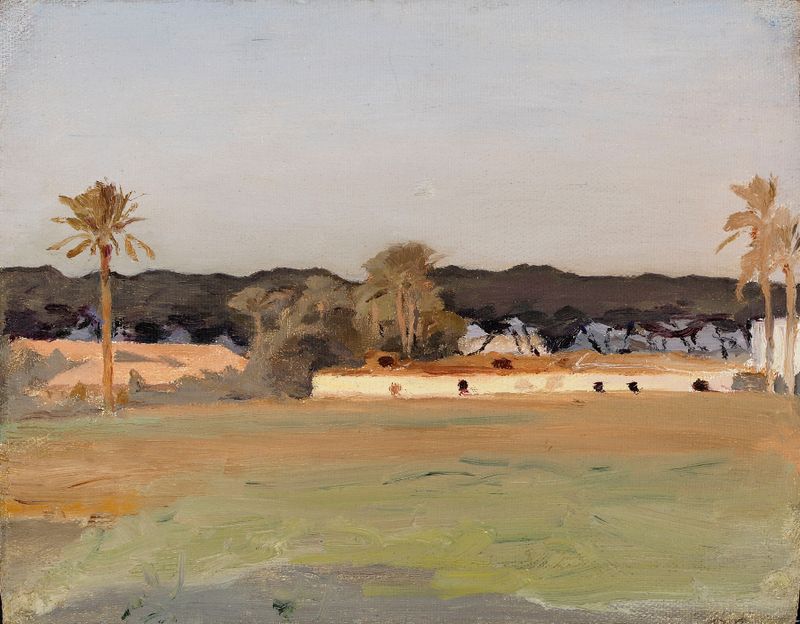
Evening. From the journey to Egypt
Jan Ciągliński
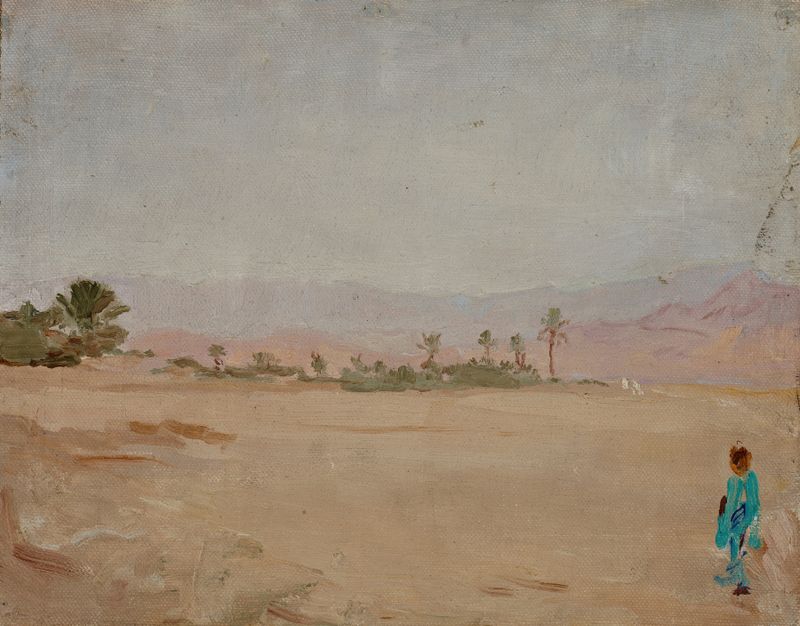
Sahara (Desert)
Jan Ciągliński
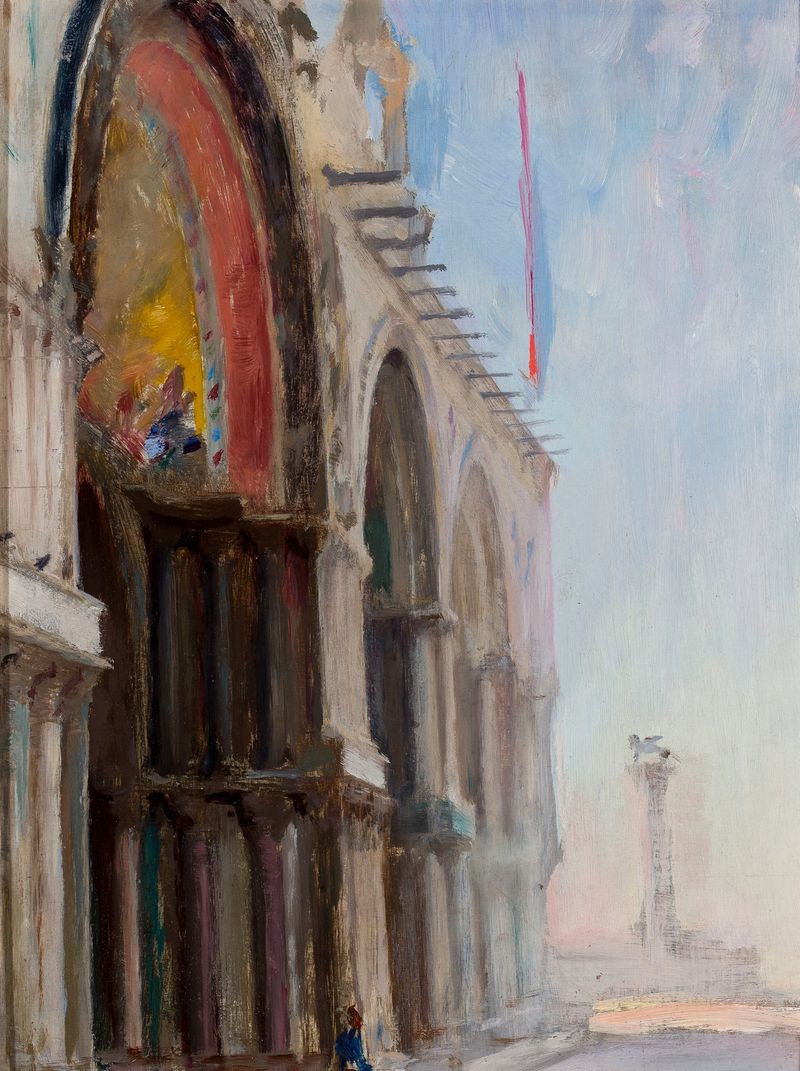
Venice – San Marco. From the journey to Italy
Jan Ciągliński
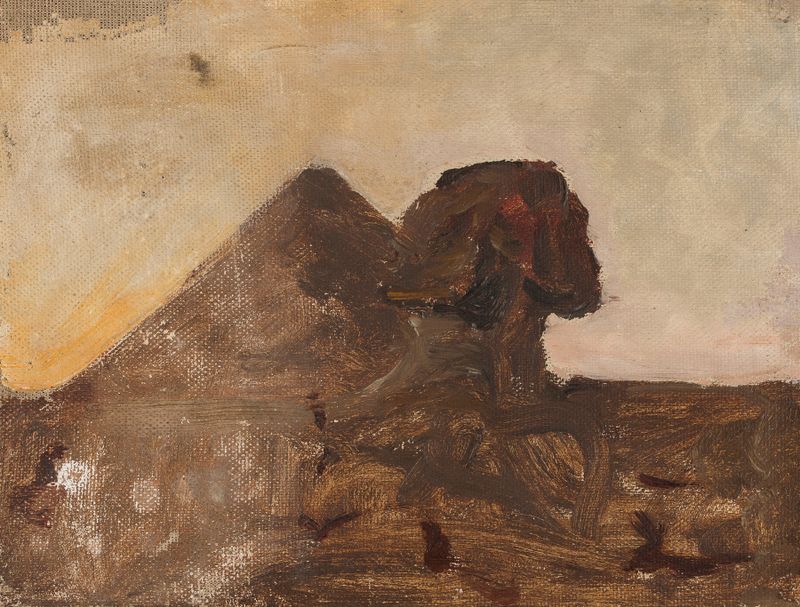
Evening in the desert – Sphinx and pyramid. From the journey to Egypt
Jan Ciągliński
More Architecture Art
Browse all →
The statue of Liberty
Frédéric Auguste Bartholdi

View of Houses in Delft, Known as ‘The Little Street’
Johannes Vermeer

View of Houses in Delft, Known as ‘The Little Street’
Johannes Vermeer

The Cathedral in Rouen. The portal, Grey Weather
Claude Monet

The yellow house
Vincent van Gogh

The Church in Auvers-sur-Oise, View from the Chevet
Vincent van Gogh