
Kairouan (The Minaret of the Mosque of the Barber) — History & Facts
Can paint confess what words never could? In Kairouan (The Minaret of the Mosque of the Barber), the artist captures a moment suspended in the embrace of history, revealing the silent essence of creation through color and form. Look to the minaret, rising majestically at the center of the composition, its intricate details inviting your gaze. The warm ochres and deep blues harmonize beautifully, evoking the sun-drenched atmosphere of Tunisia. Notice how the light dances upon the building’s surfaces, creating a play of shadows that accentuates the architectural elegance.
The foreground is populated with abstracted figures, their gestures suggesting life and movement, while the background offers a serene, expansive sky that frames the minaret—an exclamation of faith and culture. Beneath the surface, a dialogue unfolds between tradition and modernity. The minaret stands as a testament to the spiritual while the unadorned figures hint at a deeper connection to the everyday lives of the people. The contrast between the robust solidity of the structure and the ethereal quality of the sky speaks to the tension between the material and the transcendent.
Each brushstroke encapsulates not just the sight but the spirit of Kairouan, a city steeped in history. In 1911, Jan Ciągliński painted this work during a period of personal exploration, having recently returned from a sojourn in Tunisia. The early 20th century was marked by a fascination with North African culture among European artists, and Ciągliński sought to capture the essence of this place. His connection to the landscape and its people blossomed during this time, reflecting a broader movement that sought to blend cultural influences through art.
More Artworks by Jan Ciągliński
Browse all →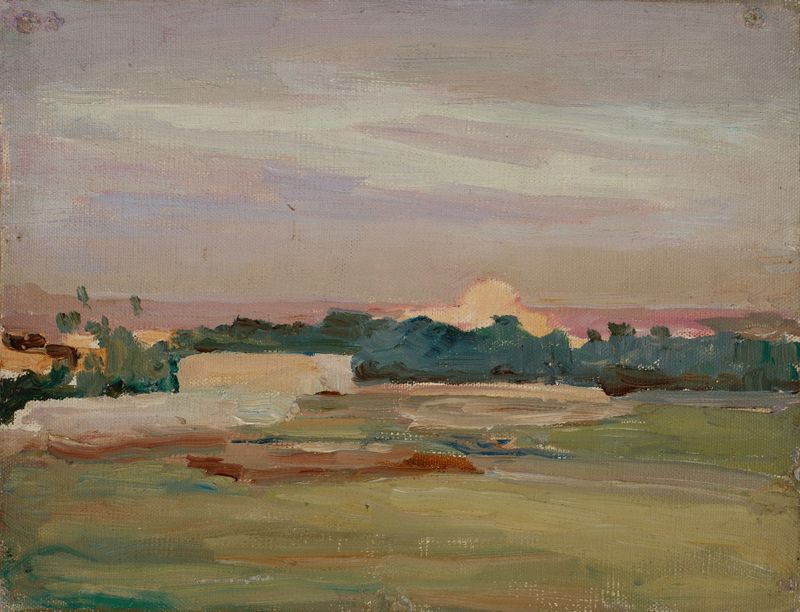
The Sirocco
Jan Ciągliński
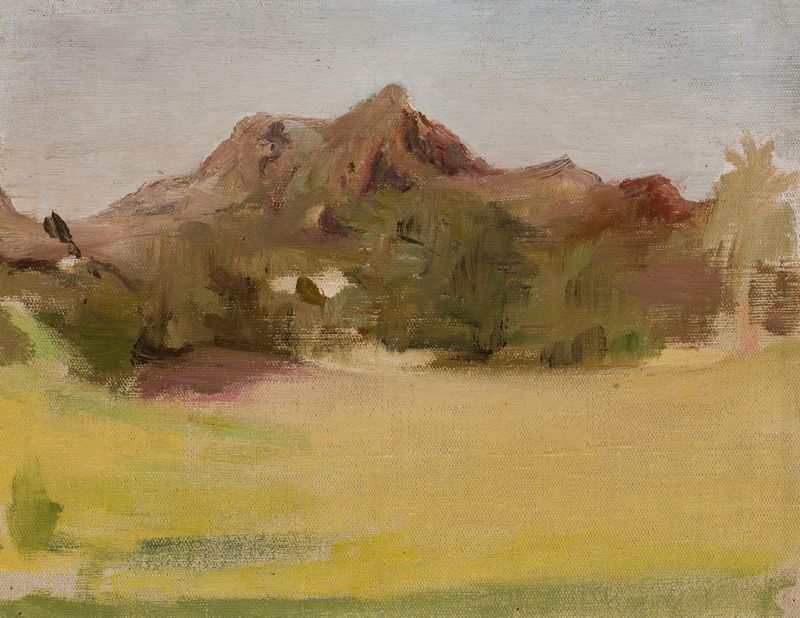
Mountain landscape. From the journey to India
Jan Ciągliński
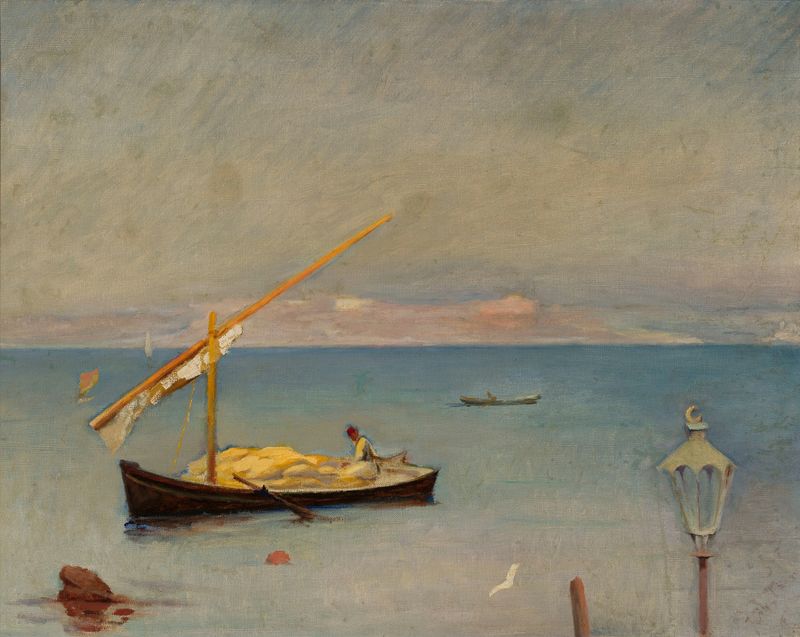
At Bosporus
Jan Ciągliński
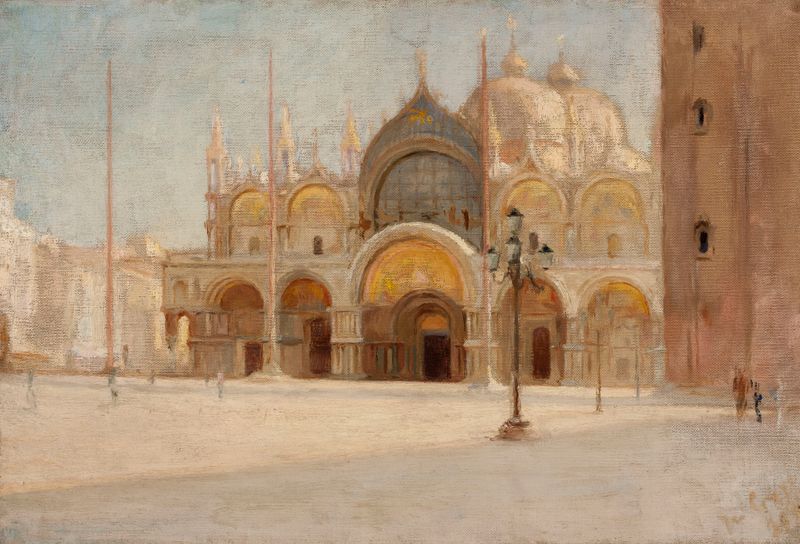
St Mark’s Square in Venice
Jan Ciągliński
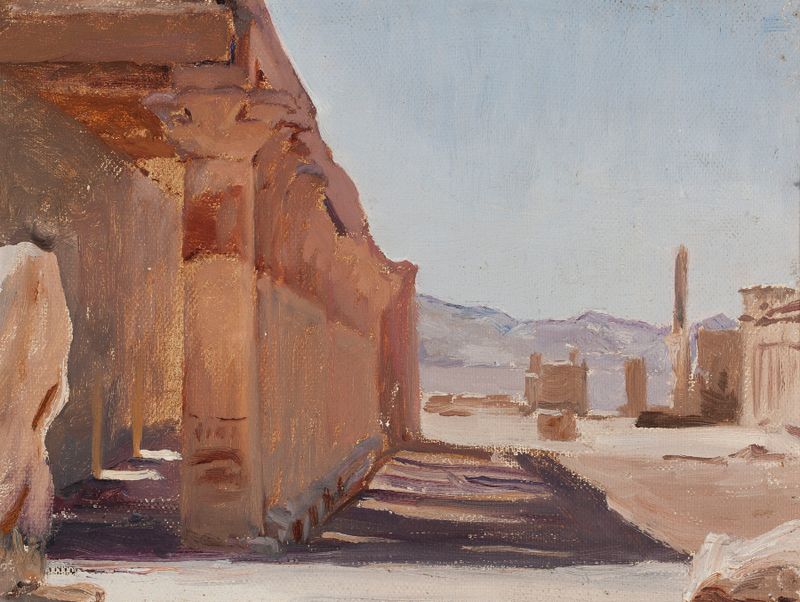
Temple. From the journey to Egypt
Jan Ciągliński
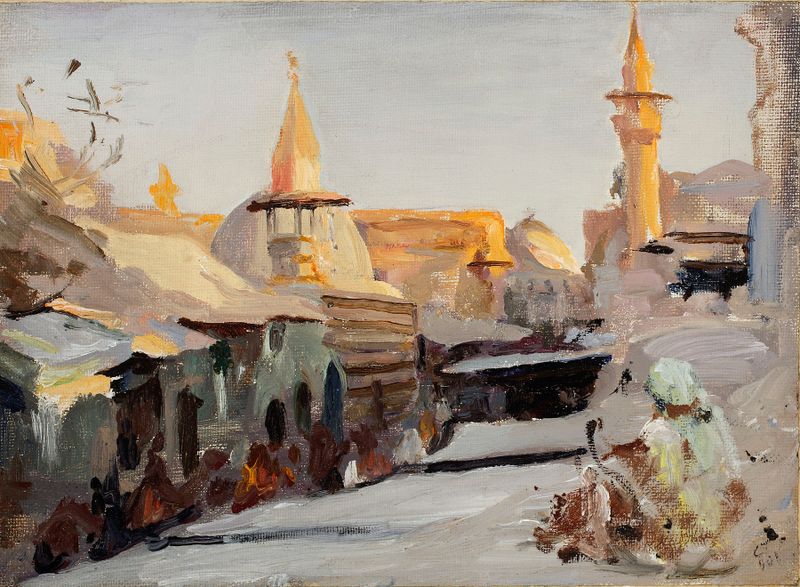
Street in Damascus. From the journey to Palestine
Jan Ciągliński
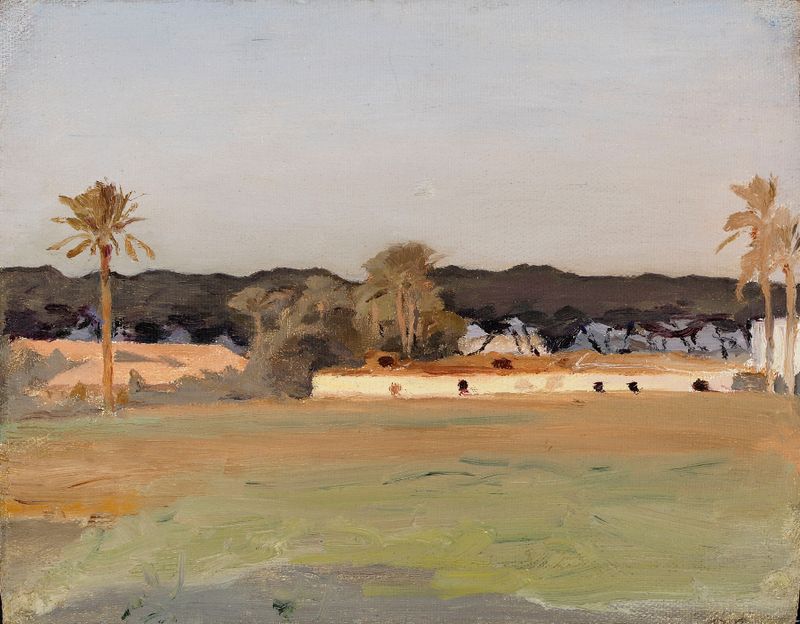
Evening. From the journey to Egypt
Jan Ciągliński
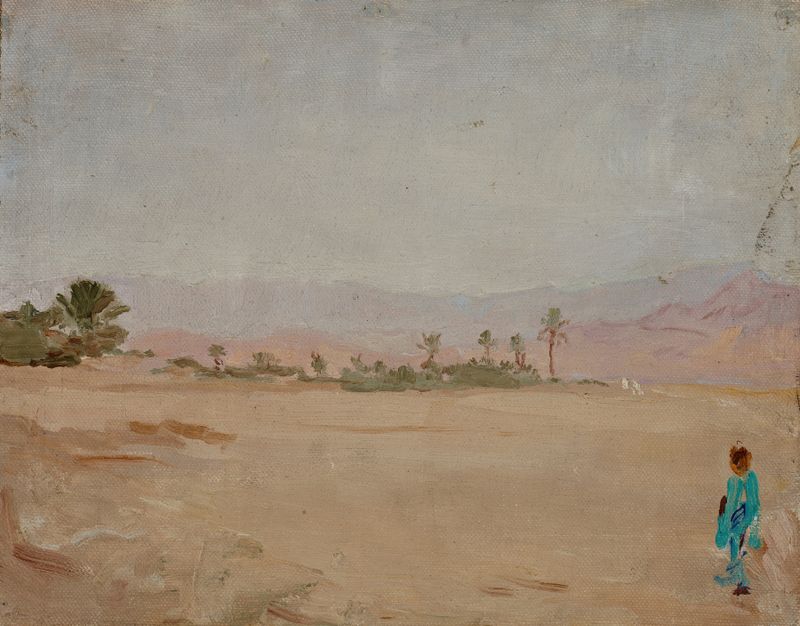
Sahara (Desert)
Jan Ciągliński
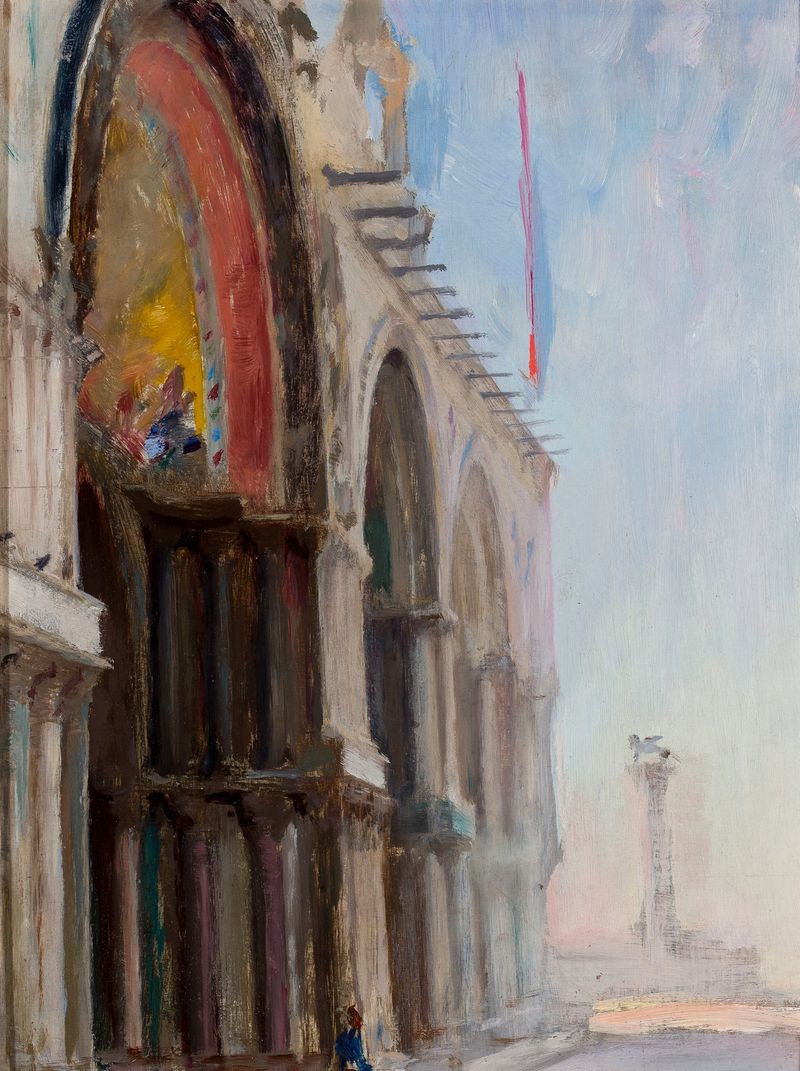
Venice – San Marco. From the journey to Italy
Jan Ciągliński
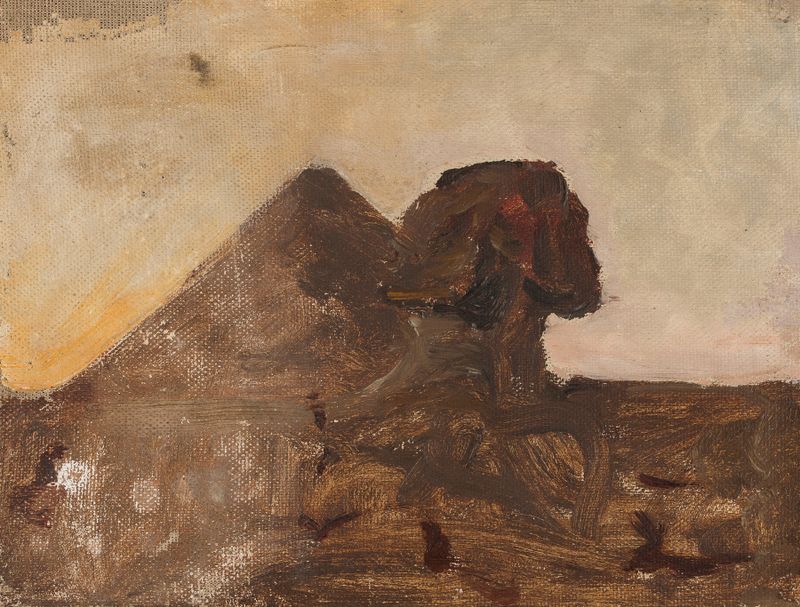
Evening in the desert – Sphinx and pyramid. From the journey to Egypt
Jan Ciągliński
More Architecture Art
Browse all →
The statue of Liberty
Frédéric Auguste Bartholdi

View of Houses in Delft, Known as ‘The Little Street’
Johannes Vermeer

View of Houses in Delft, Known as ‘The Little Street’
Johannes Vermeer

The Cathedral in Rouen. The portal, Grey Weather
Claude Monet

The yellow house
Vincent van Gogh

The Church in Auvers-sur-Oise, View from the Chevet
Vincent van Gogh