
Kairouan (The Mosque of the Sword) — History & Facts
In the haunting stillness of decay, time weaves its intricate tapestry across the weathered walls of a forgotten space. This painting invites contemplation on beauty intertwined with the inevitable passage of life, where the remnants of a once-vibrant existence echo softly in muted tones. Look to the foreground at the intricate stonework, where shadows dance gently amidst the warm hues of ochre and beige, revealing the delicate craftsmanship that has succumbed to the elements. Notice how the light breaks through the arches, casting elongated shadows that stretch like fingers across the crumbling floor, leading the eye deeper into this sacred yet abandoned space.
The composition captures a sense of longing, a yearning for the vibrancy that once thrived within these walls, now replaced by the weight of history and silence. The interplay of light and shadow tells a story of decay and remembrance, suggesting that each crack in the stone might hold a secret, a memory of prayers once uttered. The contrast between the sturdy structure and its erosion evokes a profound emotional tension; it reflects the transient nature of existence itself. This sacred site, while desolate, embodies a beauty that speaks to the fragility of human endeavor, allowing viewers to ponder what remains when the echoes of the past fade into quietude. Created in 1911, this work emerged from Jan Ciągliński's explorations in Tunisia, where he encountered rich architectural forms and cultures that profoundly influenced his art.
During this period, the artist was capturing the essence of North African landscapes, reflecting a shift in the European art scene towards the exotic, while grappling with the contrasts of modernity and tradition. His fascination with the historical and the sublime culminated in this piece, where decay becomes a poignant testament to time’s passage.
More Artworks by Jan Ciągliński
Browse all →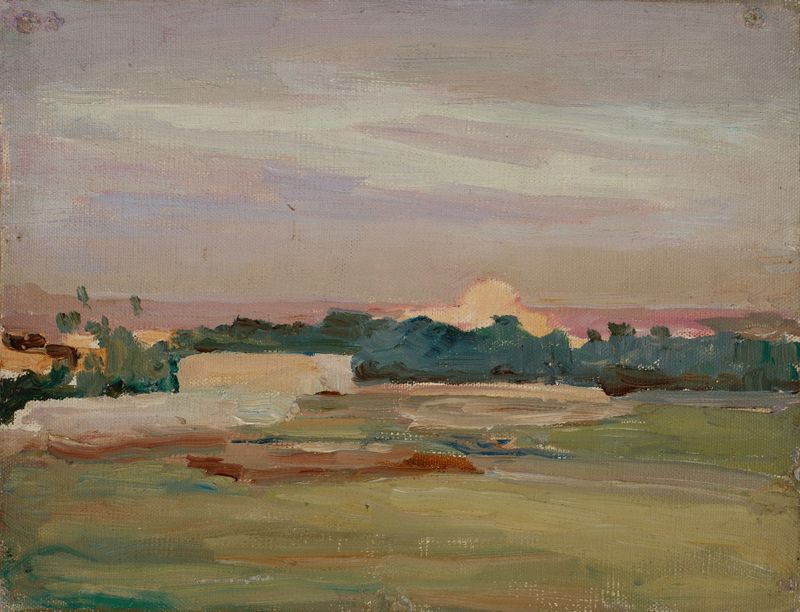
The Sirocco
Jan Ciągliński
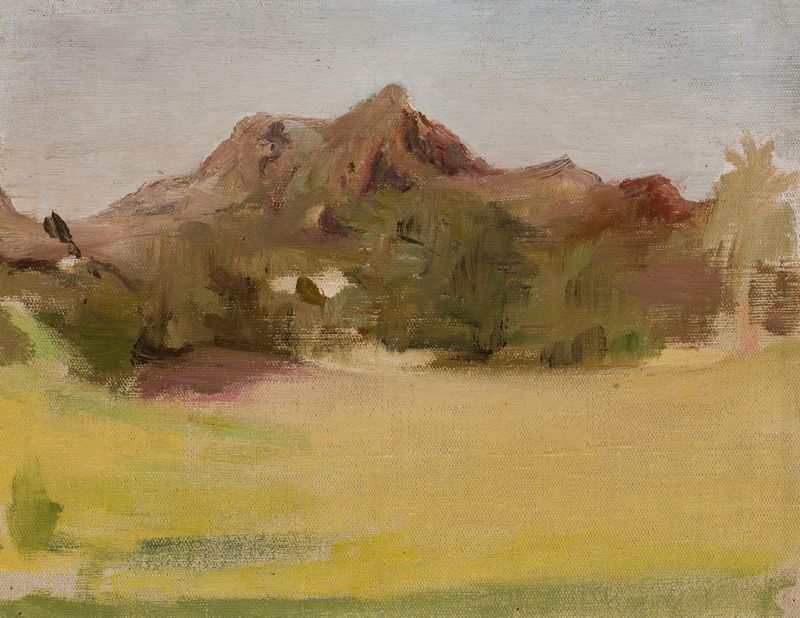
Mountain landscape. From the journey to India
Jan Ciągliński
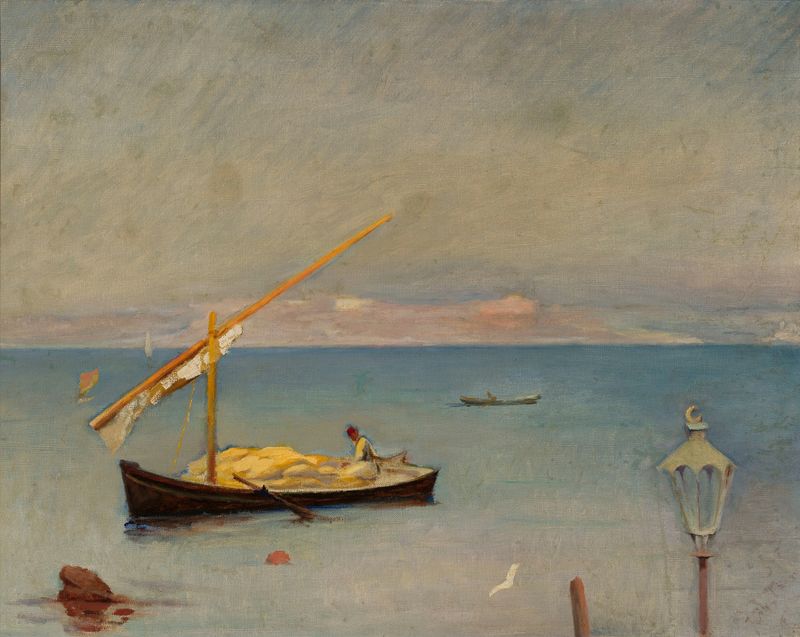
At Bosporus
Jan Ciągliński
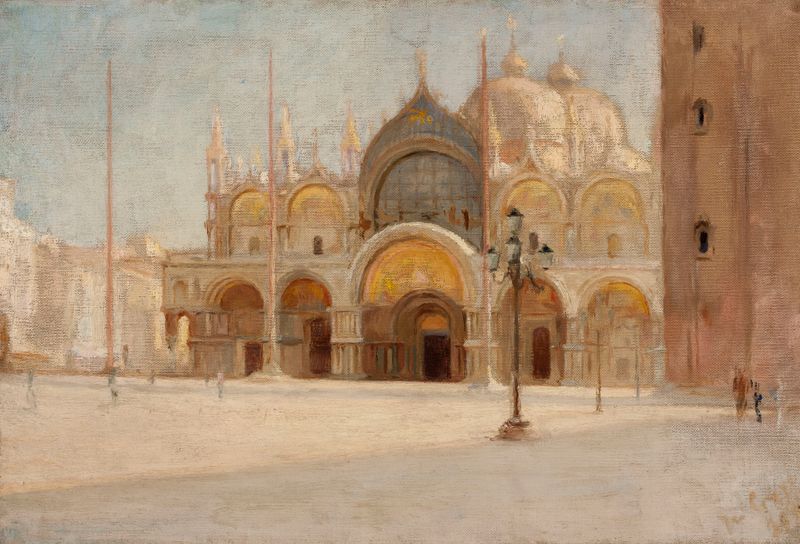
St Mark’s Square in Venice
Jan Ciągliński
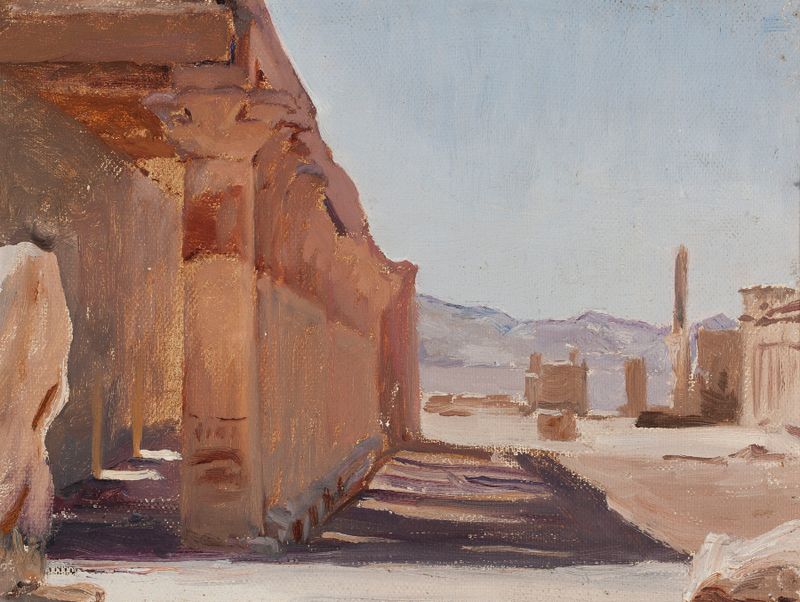
Temple. From the journey to Egypt
Jan Ciągliński
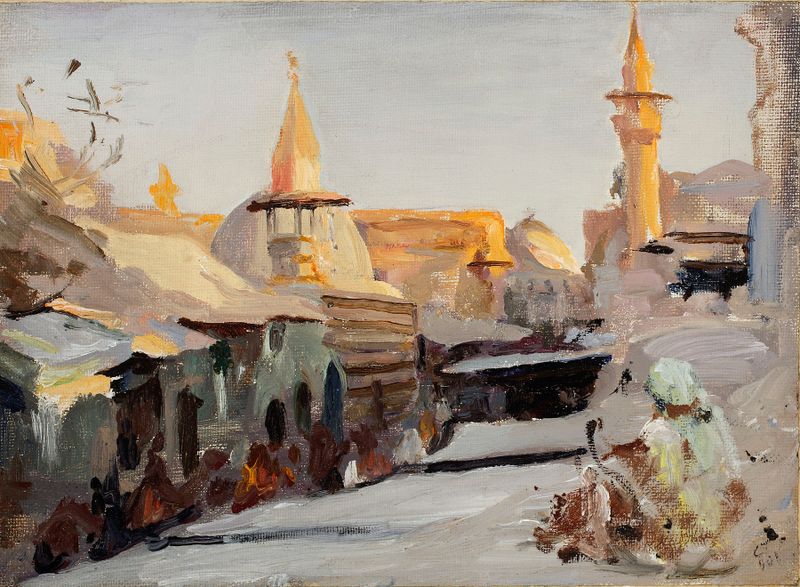
Street in Damascus. From the journey to Palestine
Jan Ciągliński
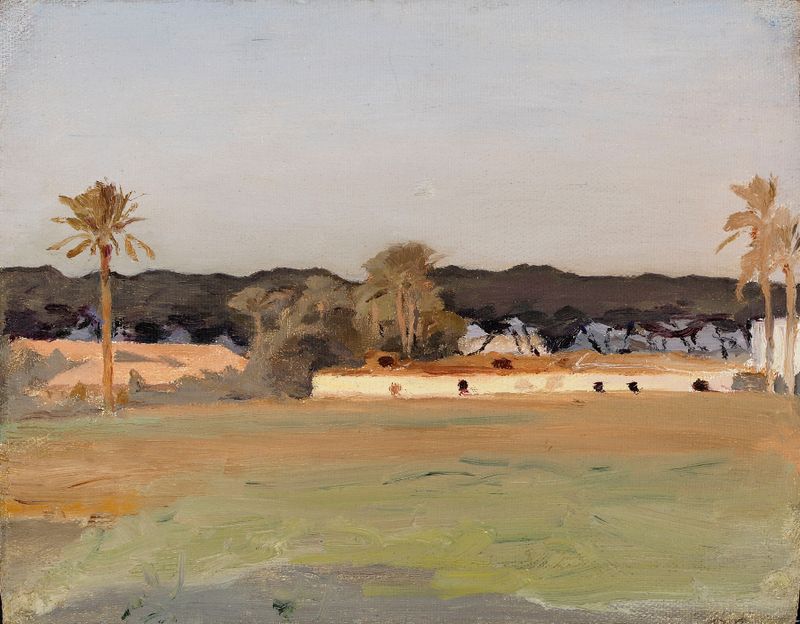
Evening. From the journey to Egypt
Jan Ciągliński
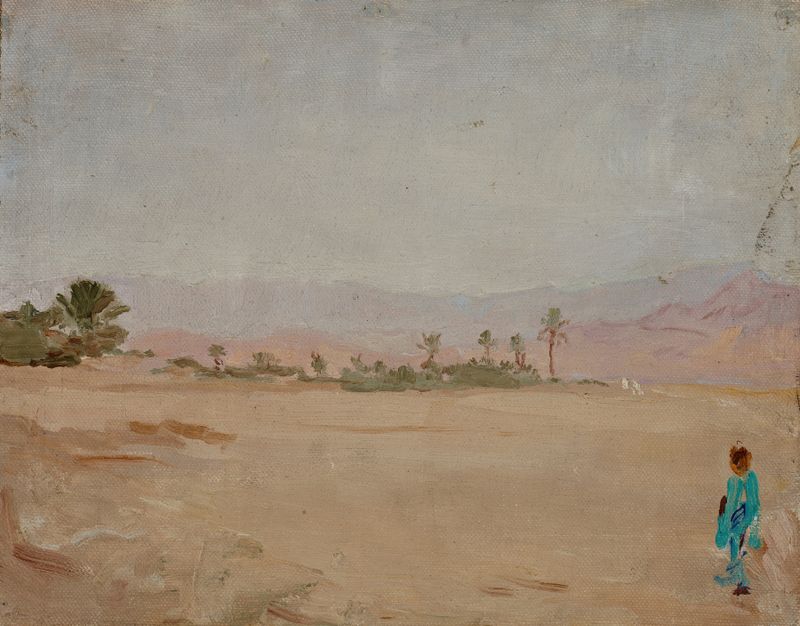
Sahara (Desert)
Jan Ciągliński
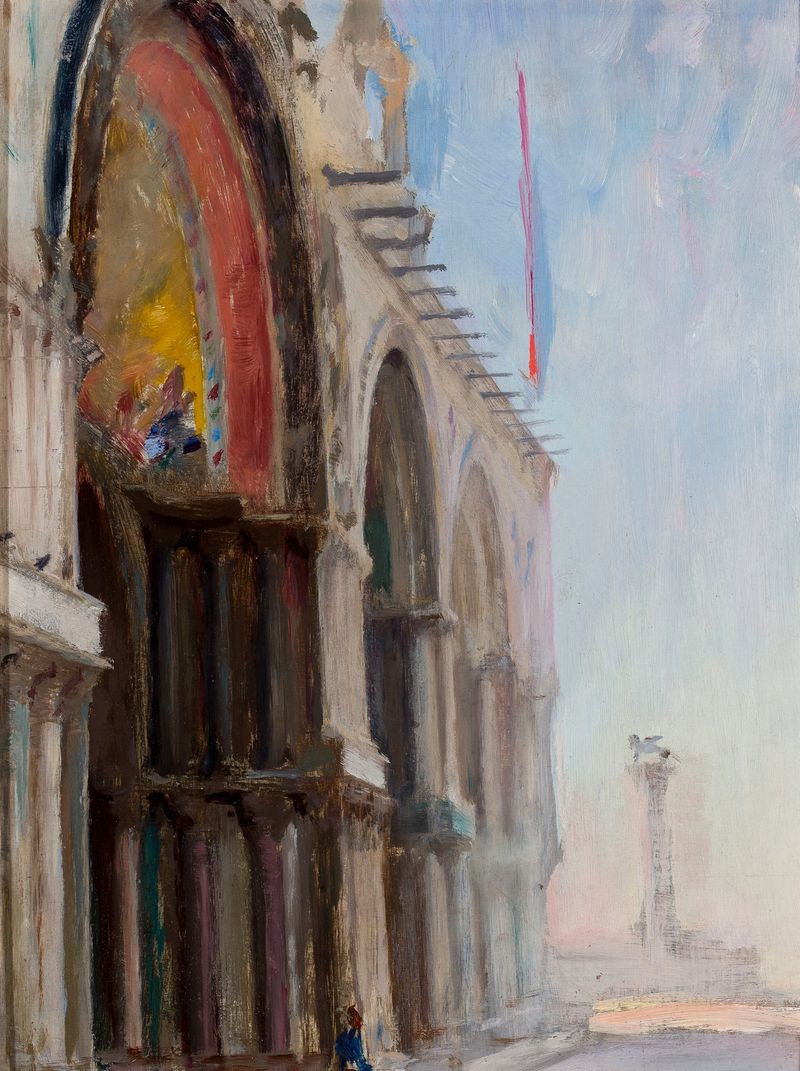
Venice – San Marco. From the journey to Italy
Jan Ciągliński
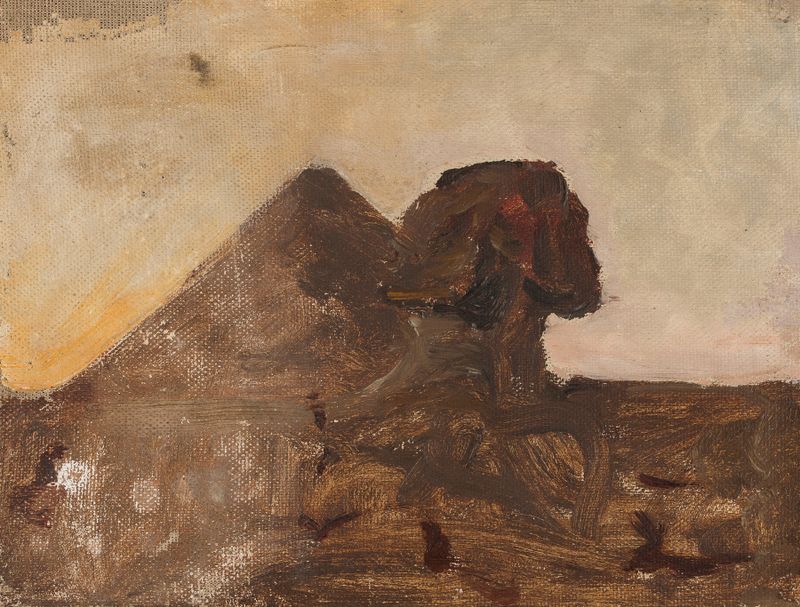
Evening in the desert – Sphinx and pyramid. From the journey to Egypt
Jan Ciągliński
More Architecture Art
Browse all →
The statue of Liberty
Frédéric Auguste Bartholdi

View of Houses in Delft, Known as ‘The Little Street’
Johannes Vermeer

View of Houses in Delft, Known as ‘The Little Street’
Johannes Vermeer

The Cathedral in Rouen. The portal, Grey Weather
Claude Monet

The yellow house
Vincent van Gogh

The Church in Auvers-sur-Oise, View from the Chevet
Vincent van Gogh