
Kalan Mosque in Bukhara. From the journey to Turkestan — History & Facts
Who listens when art speaks of silence? In the stillness of a forgotten moment, Kalan Mosque in Bukhara invites the viewer into a realm of ecstatic contemplation, where every brushstroke reverberates with the whispers of history. Look to the left at the intricate tile work that adorns the mosque’s facade. The vibrant blues and rich golds weave a tapestry of spiritual and architectural grandeur, drawing your gaze into the depths of its geometric patterns. Notice how the light softly illuminates the entrance, casting deep shadows that hint at the sacredness within.
The artist’s use of perspective invites you to step closer, fostering an intimate connection with this monumental structure. Within this composition lies a profound contrast: the permanence of the mosque juxtaposed against the temporal nature of human existence. The delicate interplay of light and shadow evokes a sense of both reverence and longing, as if the viewer is caught between the earthly and the divine. The silence surrounding the mosque resonates with an ecstatic energy, suggesting not only a physical space but also a spiritual journey that transcends time and culture. Jan Ciągliński painted Kalan Mosque in Bukhara in 1912 during his travels through Central Asia, a period marked by a keen interest in the artistic traditions of the East.
At this time, he was exploring the intersection of Western and Eastern art, seeking to capture the essence of his experiences. This work reflects not only his personal journey but also the broader artistic movement of the early 20th century, where artists began to embrace the richness of diverse cultural heritages.
More Artworks by Jan Ciągliński
Browse all →
The Sirocco
Jan Ciągliński
Mountain landscape. From the journey to India
Jan Ciągliński
At Bosporus
Jan Ciągliński
St Mark’s Square in Venice
Jan Ciągliński
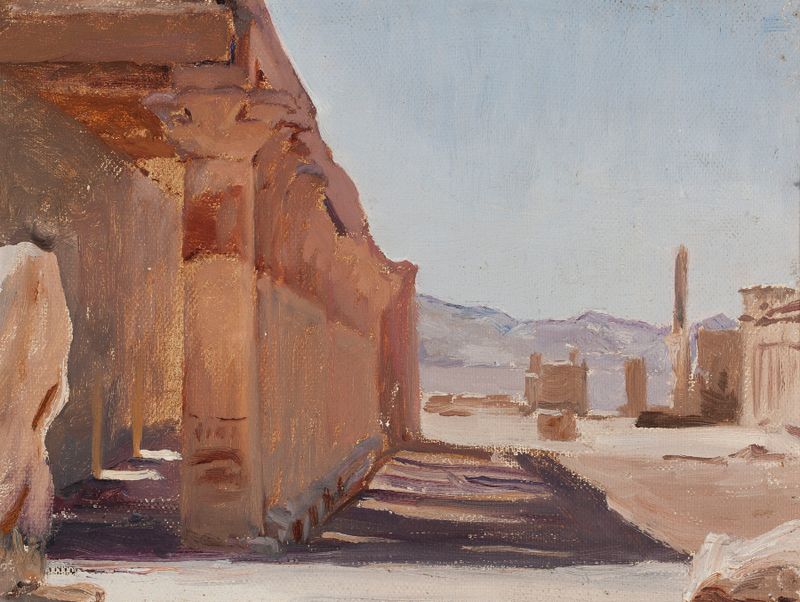
Temple. From the journey to Egypt
Jan Ciągliński
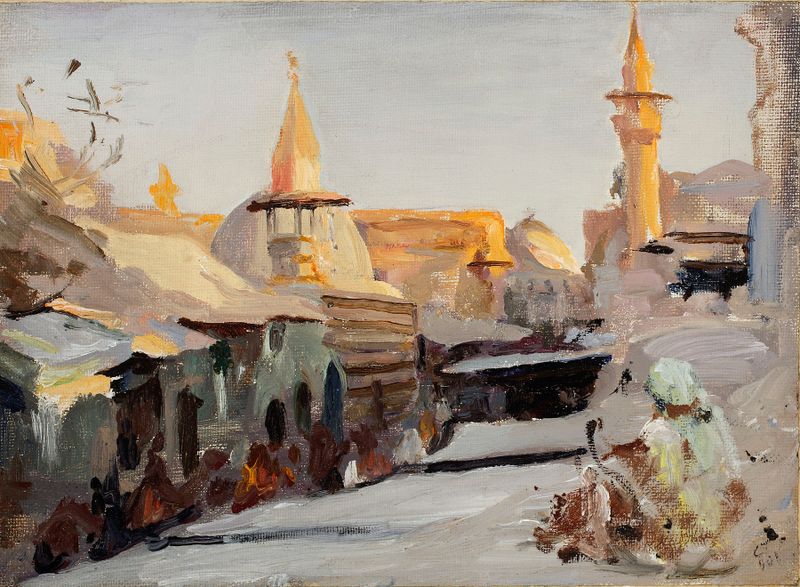
Street in Damascus. From the journey to Palestine
Jan Ciągliński
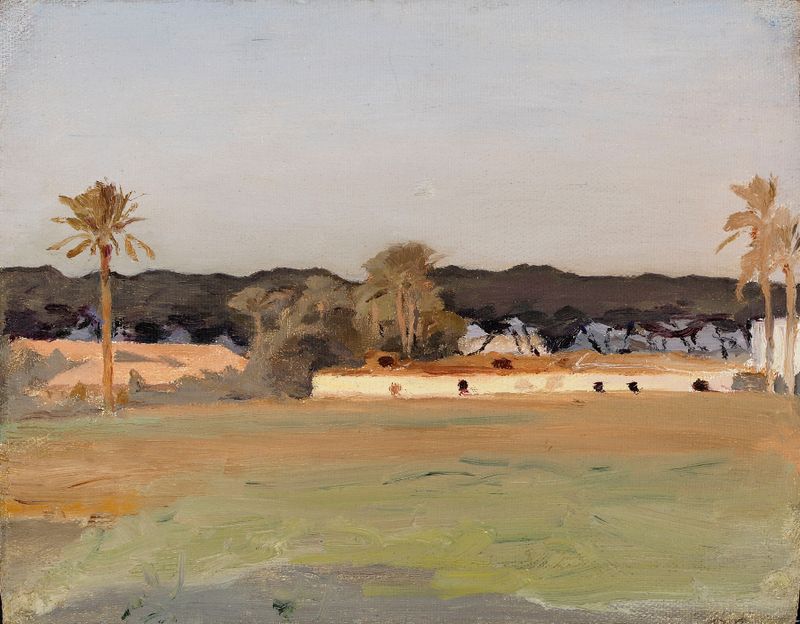
Evening. From the journey to Egypt
Jan Ciągliński
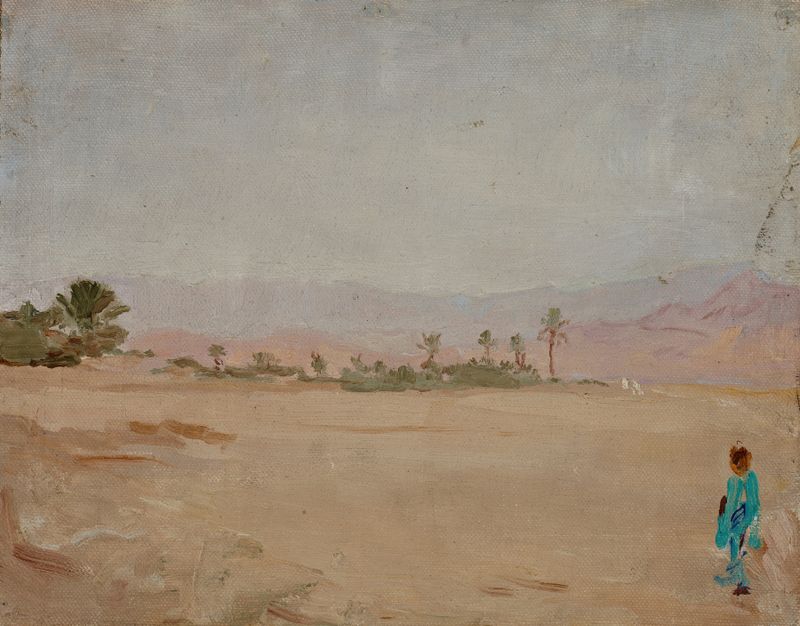
Sahara (Desert)
Jan Ciągliński
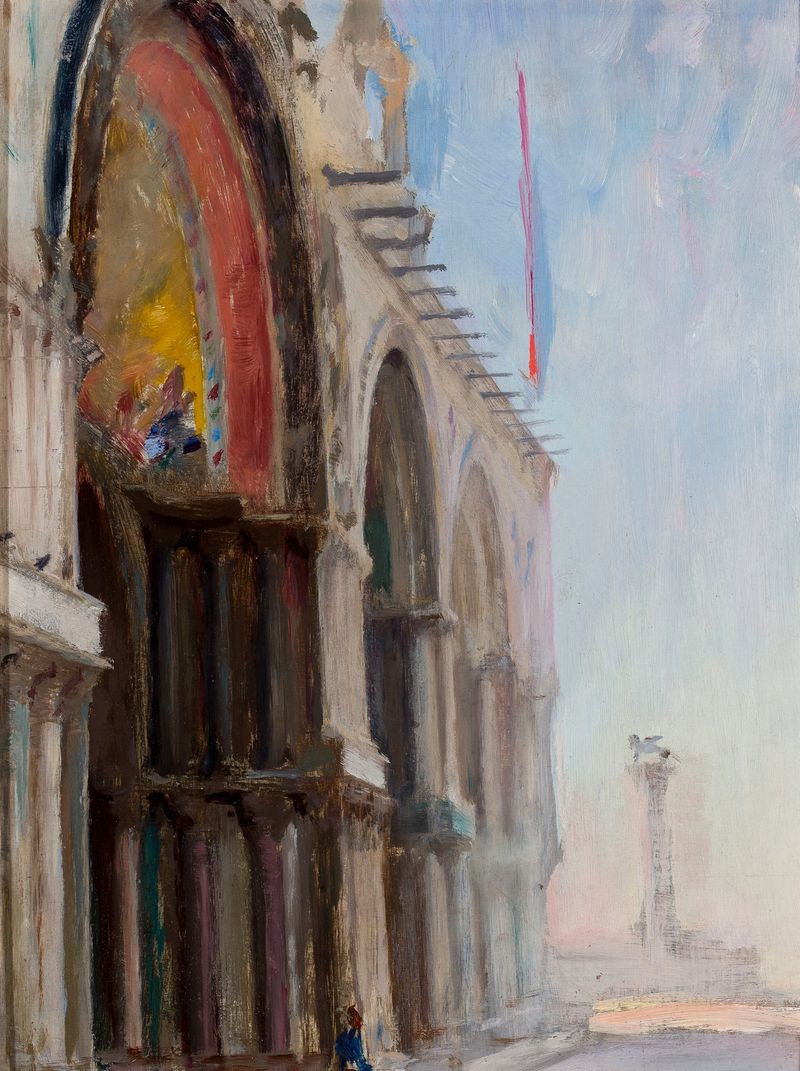
Venice – San Marco. From the journey to Italy
Jan Ciągliński
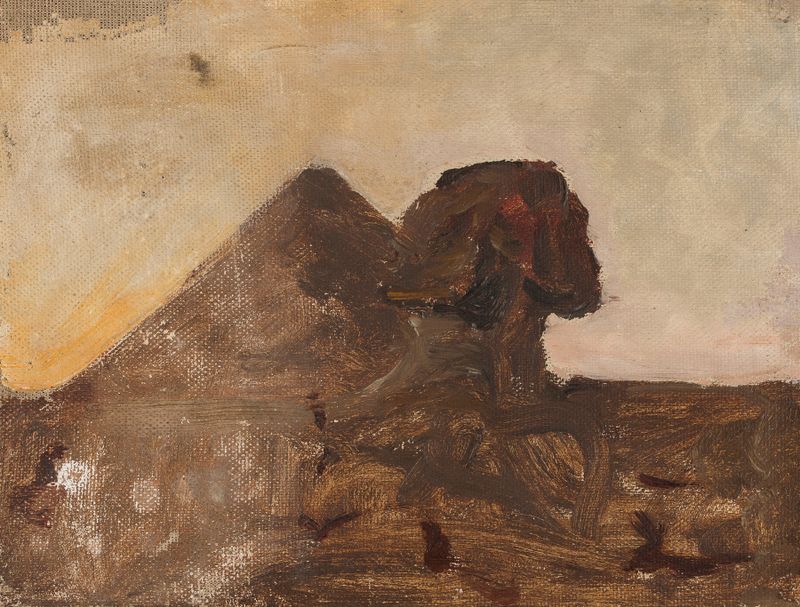
Evening in the desert – Sphinx and pyramid. From the journey to Egypt
Jan Ciągliński
More Architecture Art
Browse all →
The statue of Liberty
Frédéric Auguste Bartholdi

View of Houses in Delft, Known as ‘The Little Street’
Johannes Vermeer

View of Houses in Delft, Known as ‘The Little Street’
Johannes Vermeer

The Cathedral in Rouen. The portal, Grey Weather
Claude Monet

The yellow house
Vincent van Gogh

The Church in Auvers-sur-Oise, View from the Chevet
Vincent van Gogh