
Kalnach — History & Facts
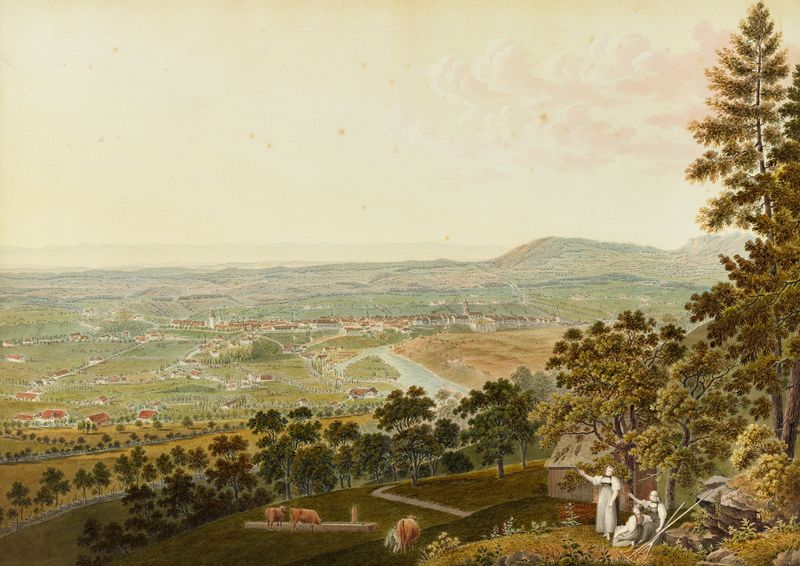
Who listens when art speaks of silence? In the stillness of Kalnach, a resonance of fear lingers, beckoning the viewer to engage with the unspoken. It captures the essence of trepidation, a visceral emotion woven into its very fabric. Look to the center of the canvas; there lies a haunting figure, enveloped in shadow yet illuminated by an eerie glow. The contrast between light and dark creates a palpable tension, drawing you in to explore the contours of the subject's face, etched with uncertainty.
Notice the muted palette—greys and deep blues—each stroke meticulously applied to evoke a sense of isolation. The background fades into an indistinct void, enhancing the feeling of an inescapable silence that hangs in the air. As you delve deeper, subtle details emerge; the figure's hands, clenched yet trembling, convey a struggle against an invisible force. The slight tilt of the head suggests a yearning for escape, a plea for connection amidst overwhelming solitude.
Fear intertwines with vulnerability, revealing an internal dialogue that resonates universally. This unvoiced apprehension connects us to the artist's own experience, reminding us of the fragility of existence. Jakob Samuel Weibel created Kalnach during a time marked by introspection and exploration in the art world. Though the exact date remains uncertain, his work reflects a broader movement of artists grappling with emotional depths.
In an era teetering on the brink of modernity, his exploration of fear through expressionism provides a profound commentary on the human condition, inviting the audience to confront their own silent anxieties.
More Artworks by Jakob Samuel Weibel
Browse all →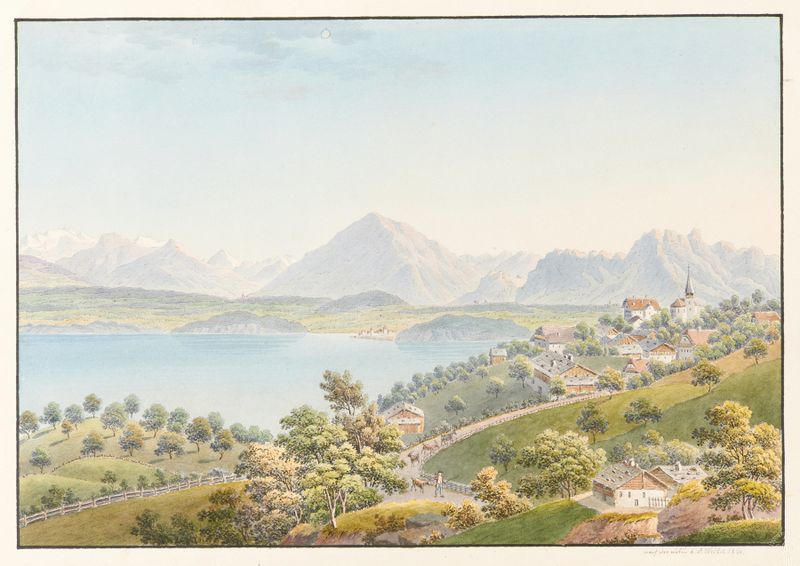
Vue dessiné depuis le Village de Sigriswil, audessus du Lac de Thoune
Jakob Samuel Weibel
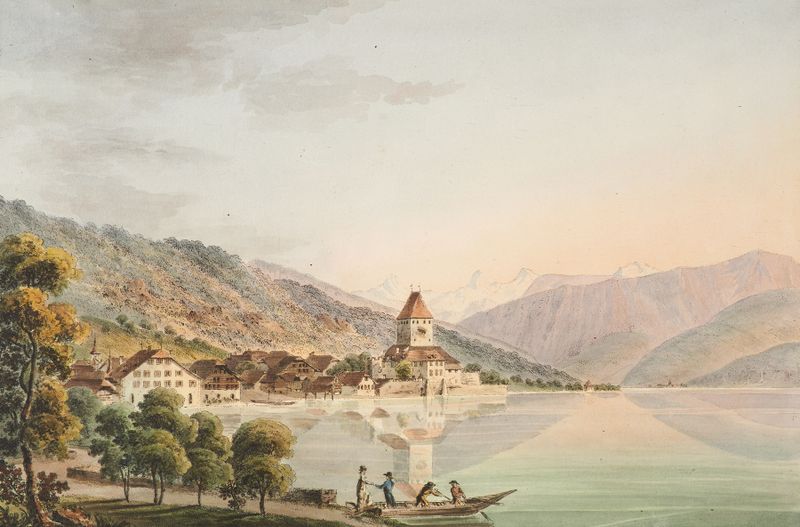
Vûe du Chateau d’Oberhofen au Lac de Thoune
Jakob Samuel Weibel
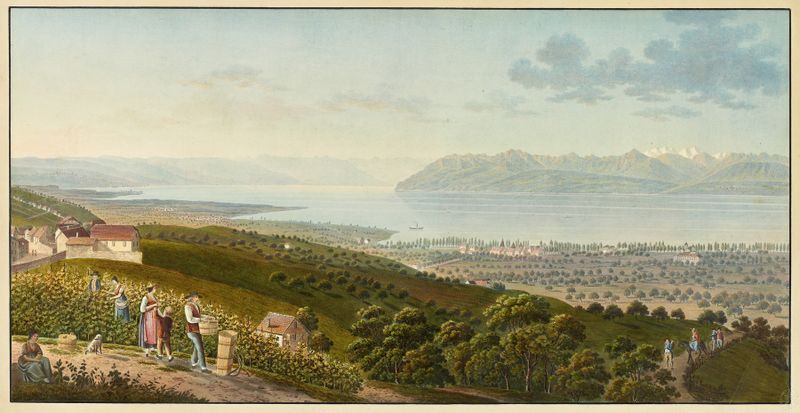
Vue genérale du Lac de Geneve
Jakob Samuel Weibel
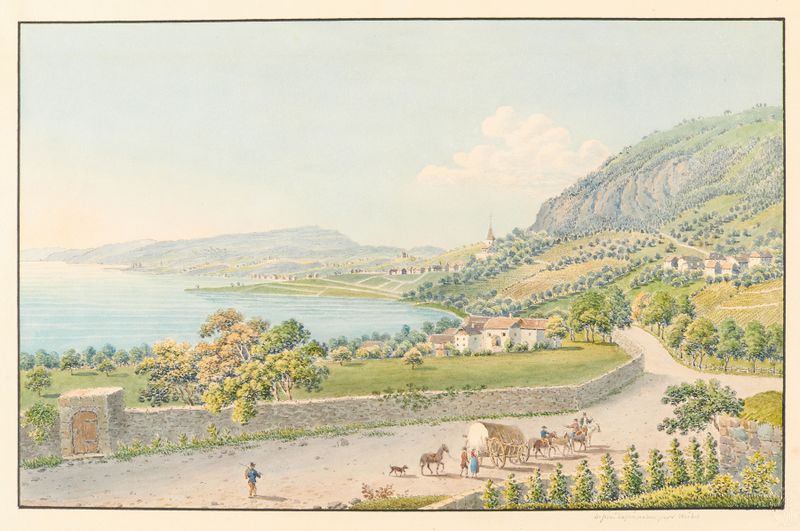
Vue des environs de Montreux et de Clarens
Jakob Samuel Weibel
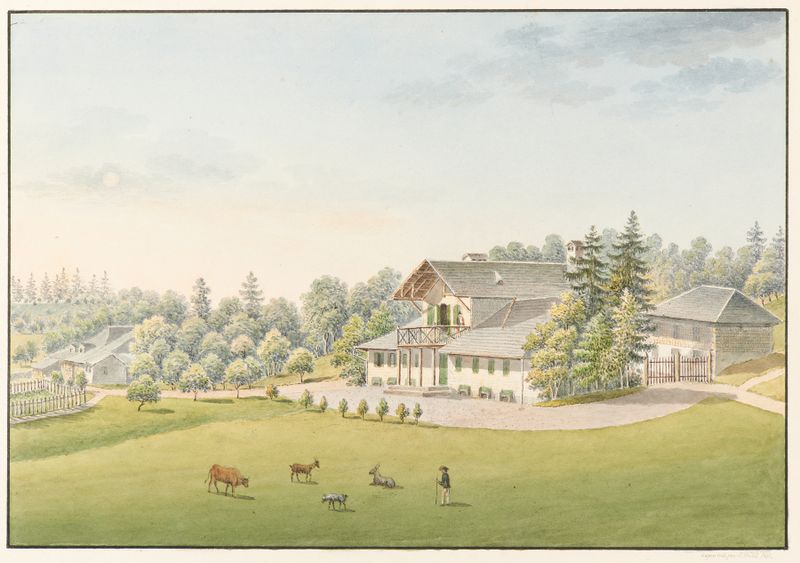
Vue du nouveau Châlet de Vernand
Jakob Samuel Weibel
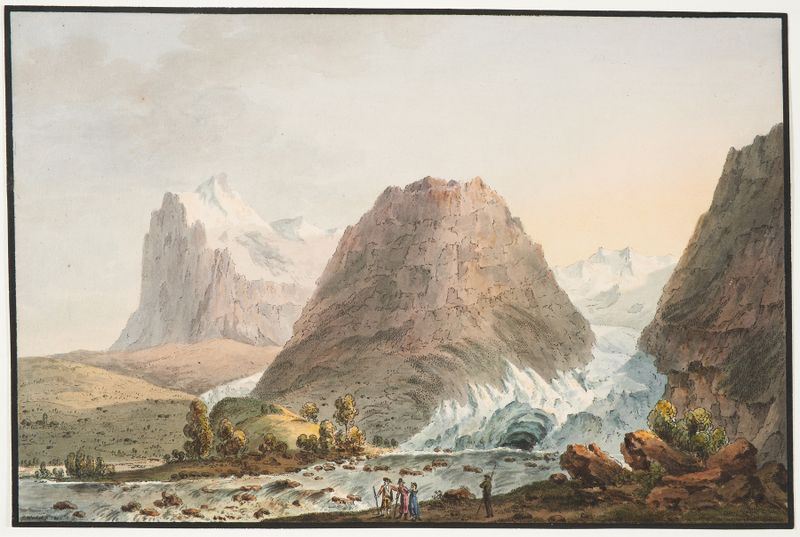
Vûe des Glacieres de Grindelwald
Jakob Samuel Weibel
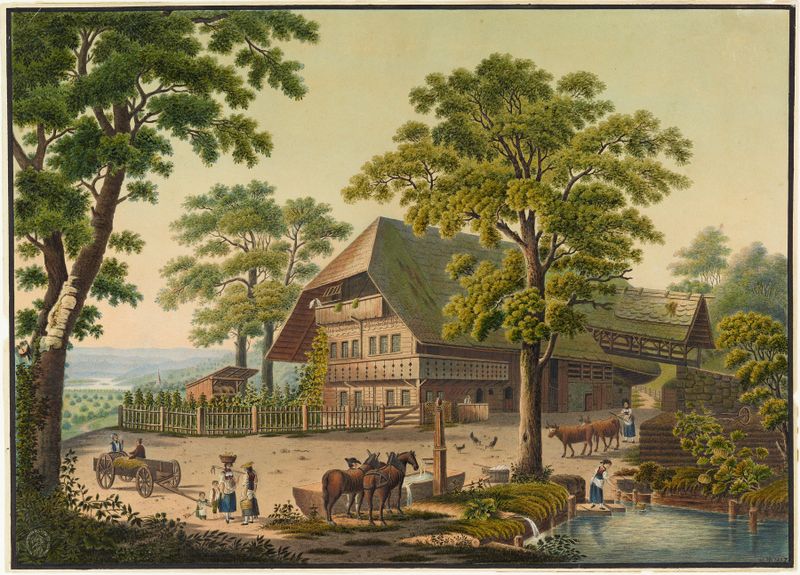
Maison de paysan près Wichtrach
Jakob Samuel Weibel
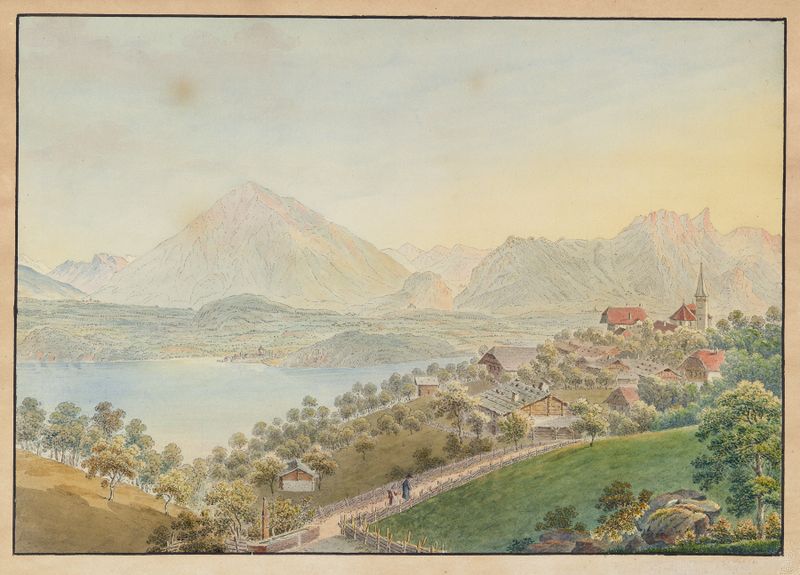
Ansicht von Sigriswil mit Niesen und Thunersee
Jakob Samuel Weibel
Ansicht Berns und der Aare vom Gurten aus
Jakob Samuel Weibel

Lausanne Ville capitale du Canton de Vaud
Jakob Samuel Weibel





