Kamine — History & Facts
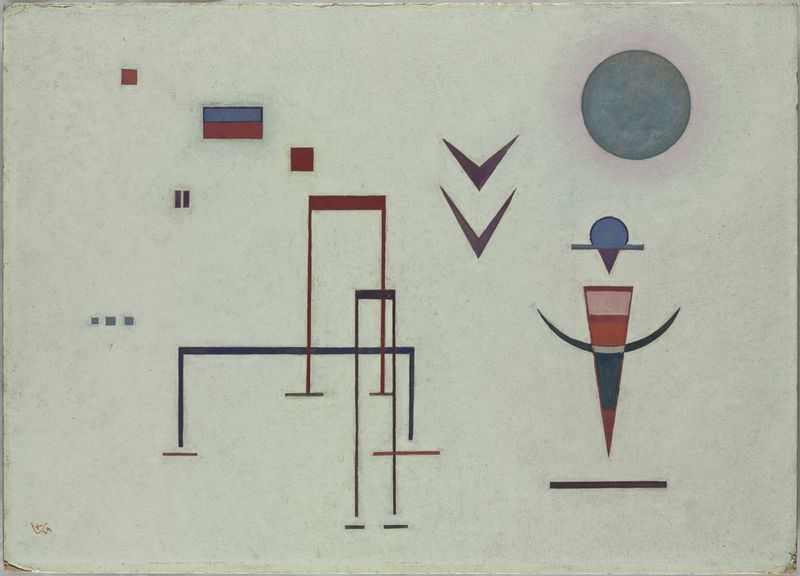
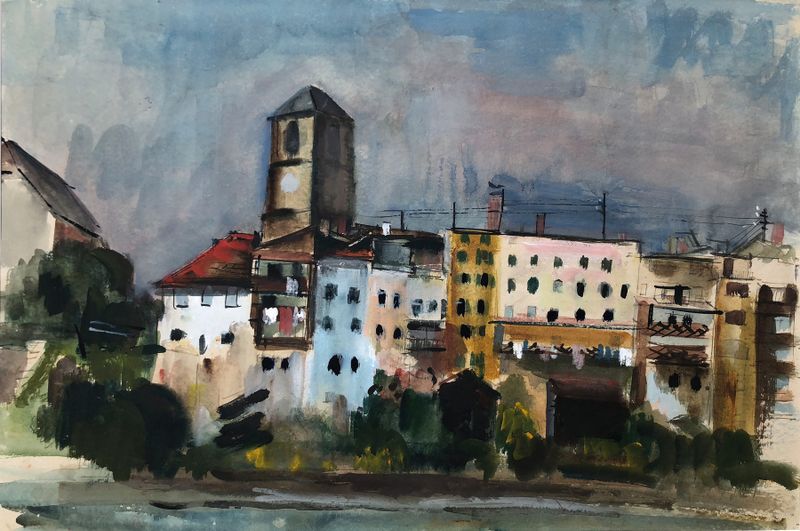
What if beauty was never meant to be finished? In this profound contemplation, Kamine emerges as a testament to the imperfect journey of creation, inviting viewers to engage with its layered intricacies. Look to the center of the canvas, where swirling forms meld together, hinting at a dance between chaos and order. The artist employs a harmonious palette of earthy tones and vibrant accents, pulling the eye inward while simultaneously allowing it to drift outward. Notice how the textures invite tactile exploration, as if each brushstroke tells a story of struggle and triumph.
The composition feels alive, almost breathing, creating a dialogue with the viewer that is both intimate and expansive. Delve deeper into the contrasts of this work: the interplay between light and shadow reveals not just physical forms but emotional landscapes. In the textured depths, subtle hints of vulnerability and strength coexist, suggesting a cycle of creation that is both personal and universal. As you linger on the edges, you may sense the tension between completion and the desire to continue evolving—each layer, a whisper of potential, waiting to be discovered. In the early 20th century, Otto Geigenberger found himself in a rapidly changing artistic environment, marked by the rise of modernism.
Painted during this transformative period, Kamine reflects his exploration of abstraction and the essence of creation. As the world embraced new ideas and forms, Geigenberger sought to express the fluid nature of beauty, capturing the spirit of an era that celebrated the incomplete and the ever-evolving.
More Artworks by Otto Geigenberger
Browse all →
Hohe Munde bei Seefeld in Tirol
Otto Geigenberger
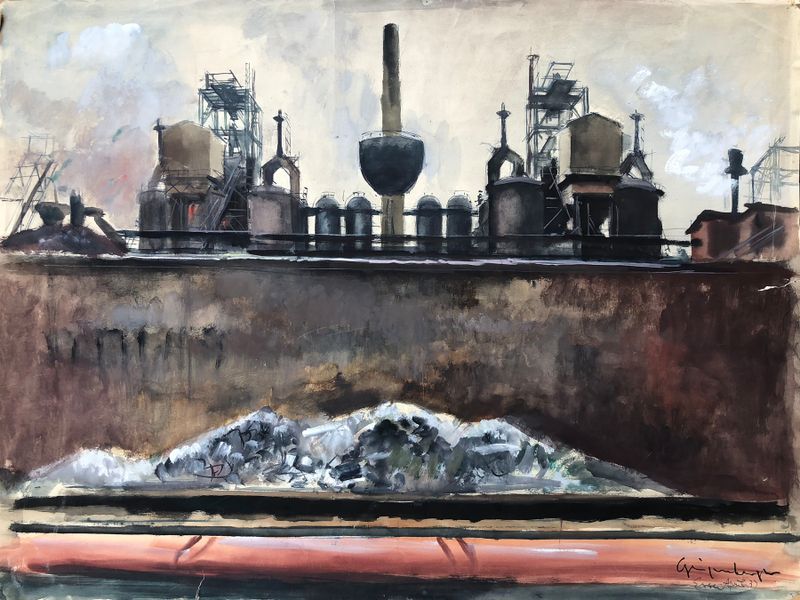
Stahlwerk Krupp in Essen
Otto Geigenberger

Landschaft mit Kirche
Otto Geigenberger

Passau am Inn 2
Otto Geigenberger
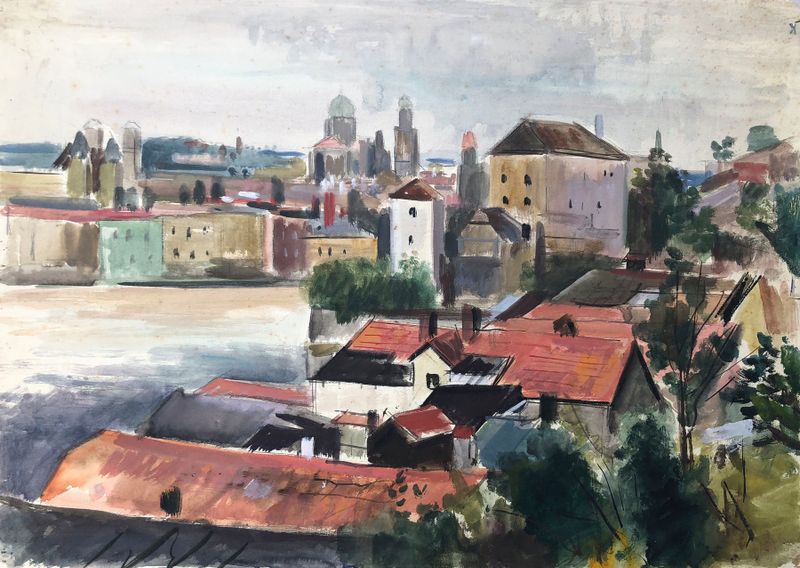
Passau am Inn
Otto Geigenberger
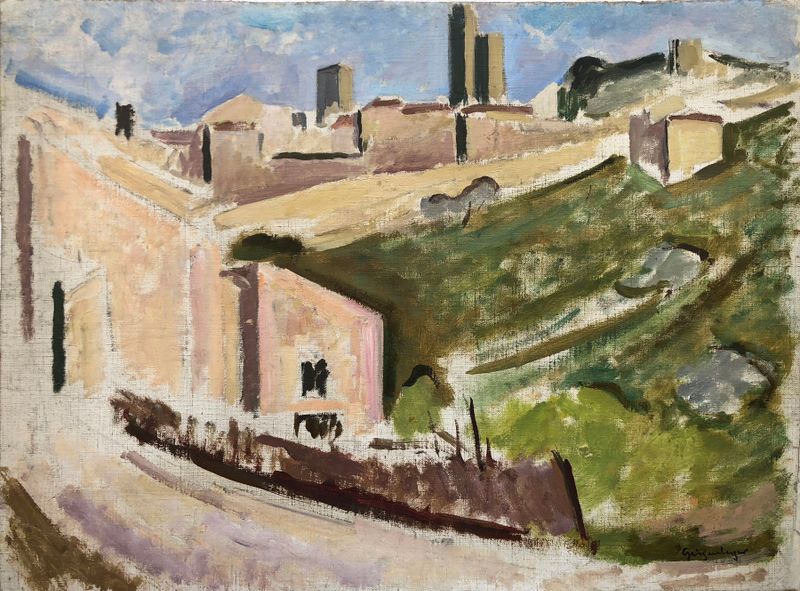
Südliche Stadt auf einem Hügel
Otto Geigenberger

Wasserburg am Inn – Häuserpartie am Inn
Otto Geigenberger

Wasserburg am Inn – Innfront
Otto Geigenberger
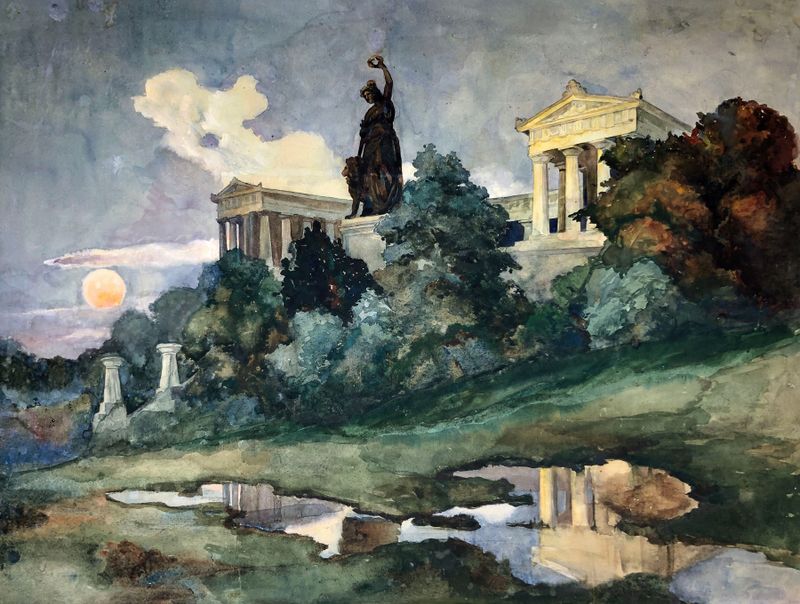
Sonnenuntergang an der Bavaria und Ruhmeshalle in München
Otto Geigenberger
Wasserburg am Inn – Innfront.
Otto Geigenberger