
Kasteel Assumburg — History & Facts
Could beauty survive in a century of chaos? In the tranquil embrace of Kasteel Assumburg, one finds a poignant answer, suspended between time and melancholy. Look to the left at the stately façade of the castle, where aged bricks speak of history and resilience. The earthy tones of ochre and muted greens intertwine, evoking a sense of nostalgia that envelops the scene. Notice how the dappled sunlight filters through the surrounding trees, casting intricate shadows that dance across the pathway, creating a visual rhythm that contrasts with the stillness of the structure.
Each brushstroke reveals the artist’s deft hand, capturing not just the physicality of the scene, but also its emotional weight. The juxtaposition of the castle’s solidity against the ephemeral play of light hints at deeper themes of preservation and decay. The surrounding landscape, lush yet encroaching, suggests nature’s quiet assertion over human constructs, reflecting a tension between civilization and the inevitable march of time. This interplay underscores a sense of longing, a wistfulness for what was once vibrant and alive, now diminished by the passage of years. Created in the 20th century, Wenckebach's work emerged during a period marked by profound transformation and upheaval in the art world.
As modernism surged, he sought to capture both the beauty and the fragility of architectural heritage, drawing upon a past that seemed increasingly threatened. Against a backdrop of social change, his painting serves as a testament to the enduring allure of history, inviting viewers to contemplate the delicate balance between impermanence and the quest for beauty.
More Artworks by Willem Wenckebach
Browse all →
Bakkersgang te Amsterdam
Willem Wenckebach

Oude huizen aan het Markenplein te Amsterdam
Willem Wenckebach

Oude huizen aan het Waterlooplein te Amsterdam
Willem Wenckebach
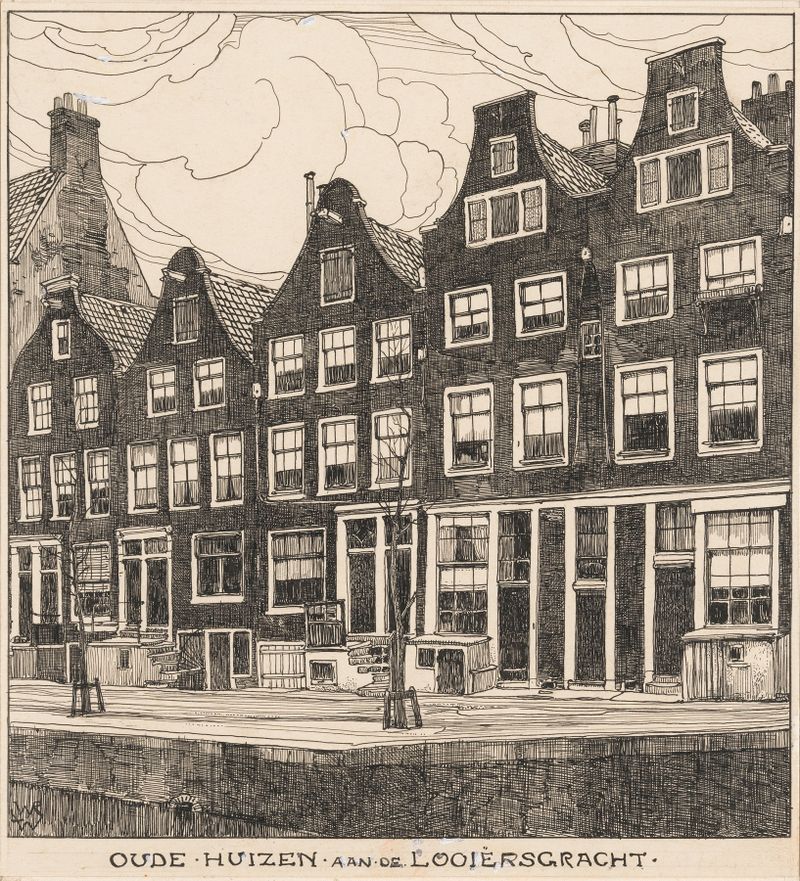
Oude huizen aan de Looiersgracht te Amsterdam
Willem Wenckebach
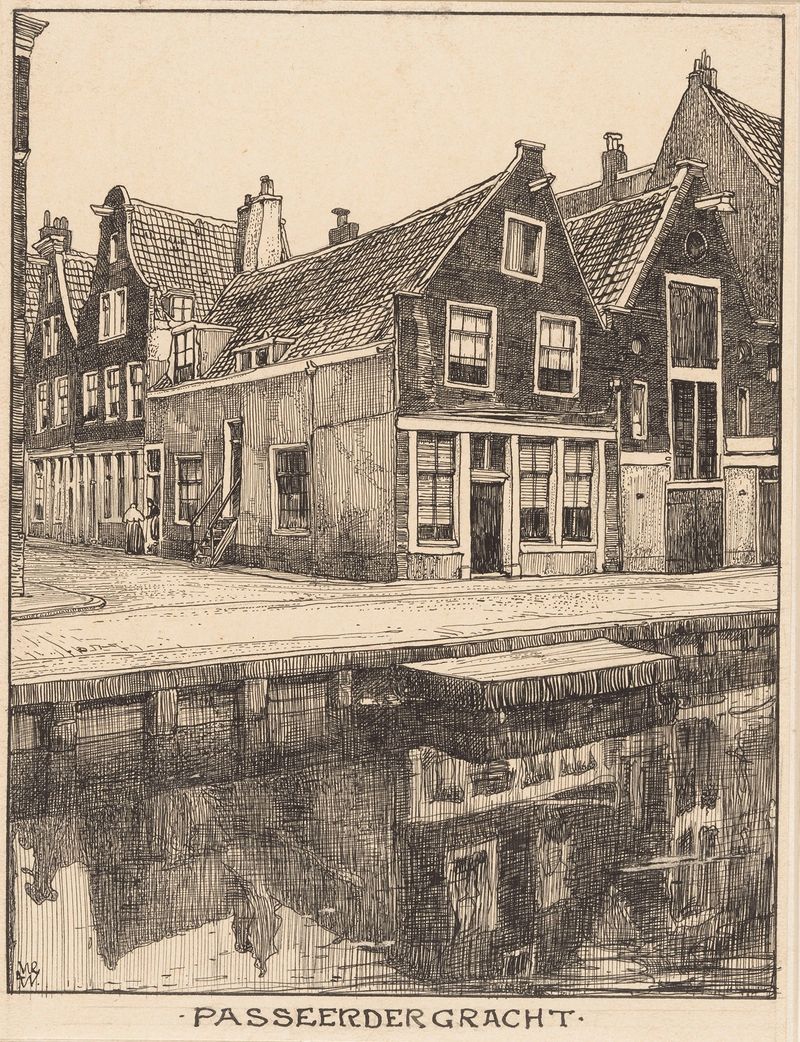
Passeerder Gracht te Amsterdam
Willem Wenckebach
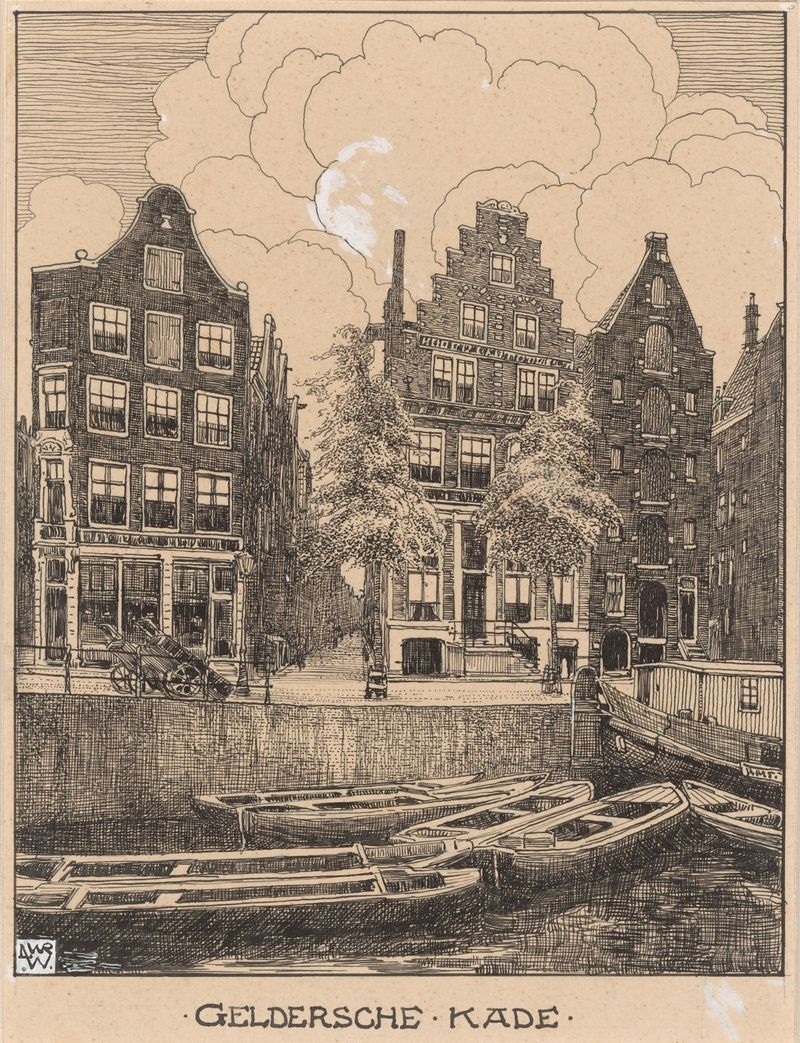
De Gelderse Kade te Amsterdam
Willem Wenckebach
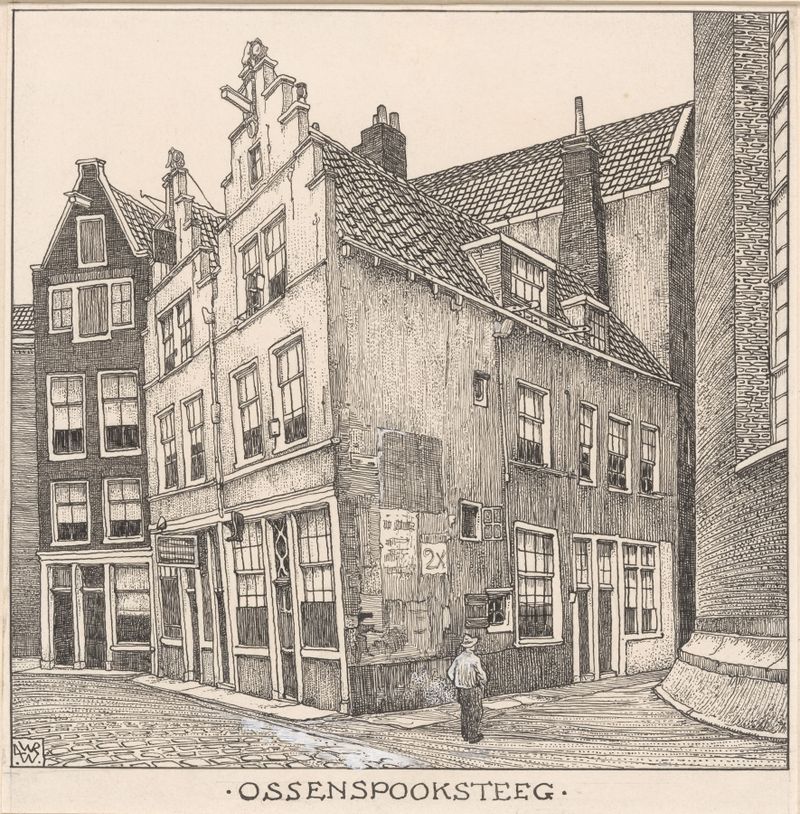
De Ossenspooksteeg te Amsterdam
Willem Wenckebach

Het Beurspleintje te Amsterdam
Willem Wenckebach
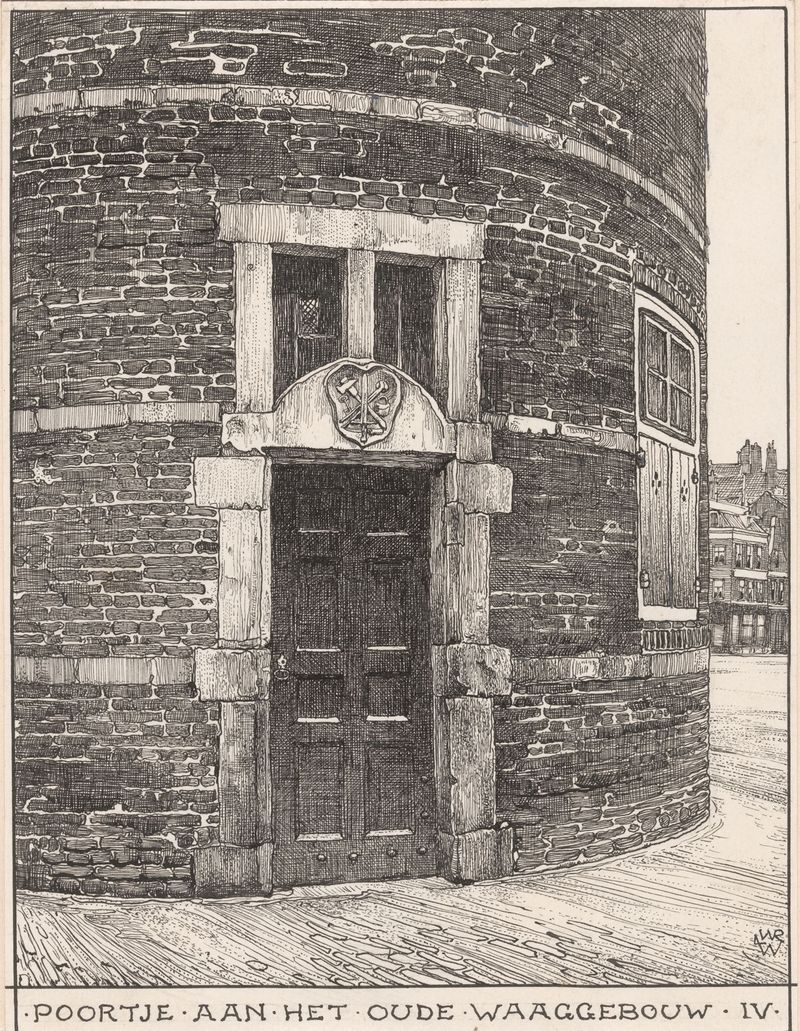
Poortje aan het oude Waaggebouw te Amsterdam
Willem Wenckebach

Torensluis te Amsterdam
Willem Wenckebach
More Architecture Art
Browse all →
The statue of Liberty
Frédéric Auguste Bartholdi

View of Houses in Delft, Known as ‘The Little Street’
Johannes Vermeer

View of Houses in Delft, Known as ‘The Little Street’
Johannes Vermeer

The Cathedral in Rouen. The portal, Grey Weather
Claude Monet

The yellow house
Vincent van Gogh

The Church in Auvers-sur-Oise, View from the Chevet
Vincent van Gogh