
Kasteel Helmond — History & Facts
In a world often overshadowed by the ephemeral, art offers a haunting stillness that speaks to the human condition. Look to the left of the painting, where the imposing structure of Kasteel Helmond rises against a muted sky. The meticulous brushwork reveals the castle's textured stone walls, each stroke imbuing the scene with a sense of history. Notice how the light casts gentle shadows across the fortress, creating a poignant contrast that evokes both strength and solitude.
The subtle earth tones blend seamlessly with the soft blues, inviting the viewer to explore the melancholic essence of the landscape. Within this scene lies a tension between permanence and transience. The castle stands resolute, a monument to time, while the fleeting clouds above hint at the inevitability of change. Observe the lone figure in the foreground, seemingly lost in thought; their posture reflects a deep introspection, capturing the dual nature of existence—the weight of history and the burden of memory.
Each element, from the distant trees to the reflective waters, speaks to the lingering echoes of lives once lived, urging us to confront our own narratives of loss and longing. Wenckebach created this piece in 1892, during a period marked by a growing interest in romantic landscapes that evoke emotional depth. Living in the Netherlands, he drew inspiration from his surroundings, capturing the interplay between architecture and nature. As the 19th century drew to a close, many artists were exploring themes of nostalgia and melancholy, reflecting the societal shifts and personal introspections of their time.
More Artworks by Willem Wenckebach
Browse all →
Bakkersgang te Amsterdam
Willem Wenckebach

Oude huizen aan het Markenplein te Amsterdam
Willem Wenckebach

Oude huizen aan het Waterlooplein te Amsterdam
Willem Wenckebach
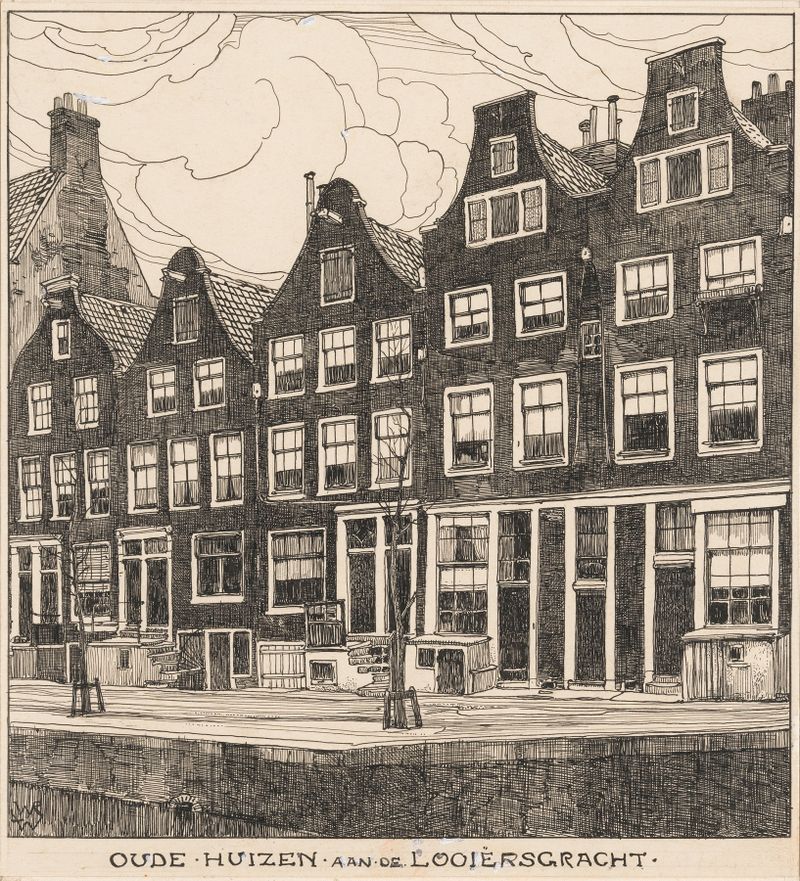
Oude huizen aan de Looiersgracht te Amsterdam
Willem Wenckebach
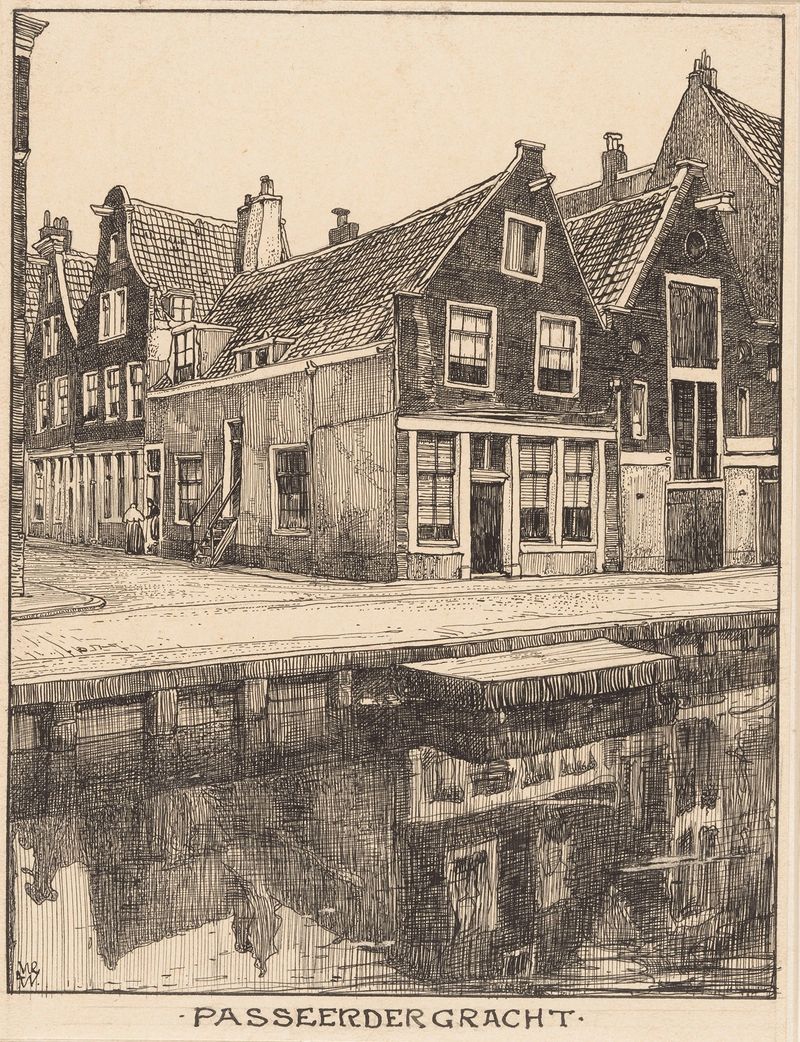
Passeerder Gracht te Amsterdam
Willem Wenckebach
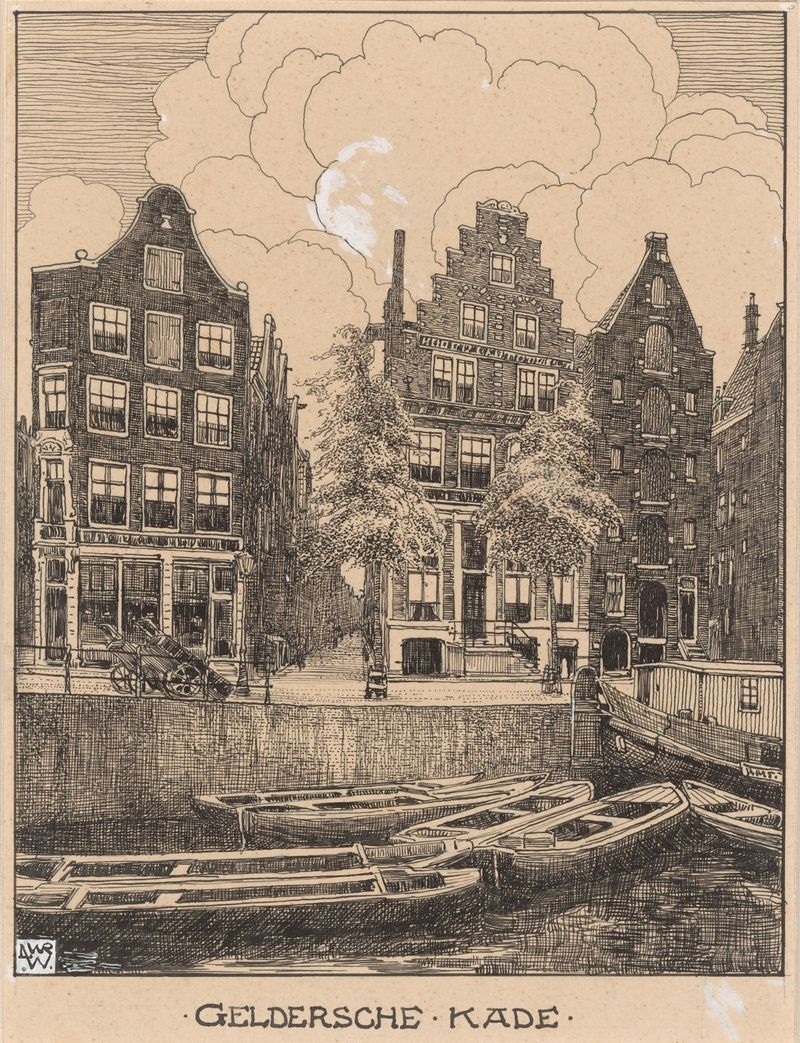
De Gelderse Kade te Amsterdam
Willem Wenckebach
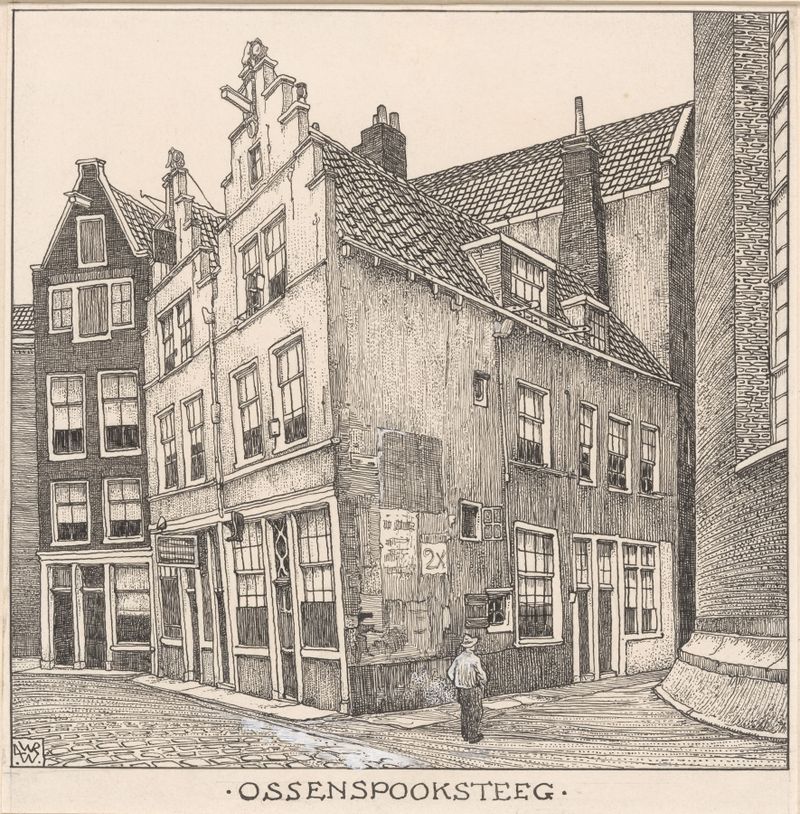
De Ossenspooksteeg te Amsterdam
Willem Wenckebach

Het Beurspleintje te Amsterdam
Willem Wenckebach
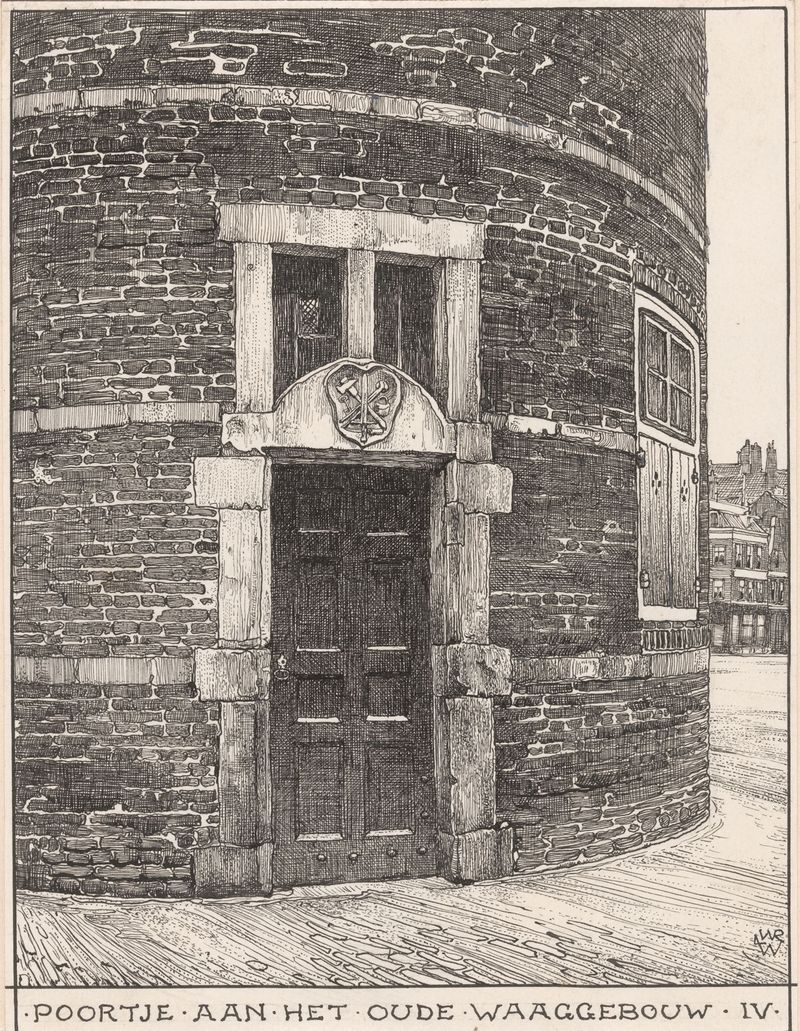
Poortje aan het oude Waaggebouw te Amsterdam
Willem Wenckebach

Torensluis te Amsterdam
Willem Wenckebach
More Architecture Art
Browse all →
The statue of Liberty
Frédéric Auguste Bartholdi

View of Houses in Delft, Known as ‘The Little Street’
Johannes Vermeer

View of Houses in Delft, Known as ‘The Little Street’
Johannes Vermeer

The Cathedral in Rouen. The portal, Grey Weather
Claude Monet

The yellow house
Vincent van Gogh

The Church in Auvers-sur-Oise, View from the Chevet
Vincent van Gogh