
Katu vanhassa kaupungissa — History & Facts
What first catches the eye in Katu vanhassa kaupungissa by Albert Edelfelt is the gentle hush that seems to settle over the street, as if the old city is holding its breath. The buildings rise in pale, almost translucent washes, their forms rendered with a delicacy that suggests both age and memory—a cityscape not merely seen, but recalled. The stepped gables and red-tiled roofs anchor the scene in Northern Europe, their geometry softened by the artist’s light touch.
Shadows pool quietly at the base of the facades, hinting at the coolness of morning or perhaps the stillness of a forgotten hour. The composition leads the viewer’s gaze down the empty street, inviting them to imagine footsteps echoing between the walls. Works like this, produced in the late nineteenth or early twentieth century, often served as visual diaries for artists traveling or living amid changing urban landscapes. Albert Edelfelt, celebrated for his ability to capture atmosphere and fleeting light, belonged to a generation for whom the city was both subject and symbol—a place where tradition met the stirrings of modernity.
While little is recorded about this specific piece, now in the collection documented at http://kokoelmat.fng.fi/app?si=A+III+2022%3A32, its quiet observation and unfinished edges speak to the immediacy of a sketch made on site, perhaps for a patron or for the artist’s own study. The viewer is left with a sense of both presence and absence, as if the city itself is waiting to be remembered anew.
More Artworks by Albert Edelfelt

The Day of Rest
Albert Edelfelt
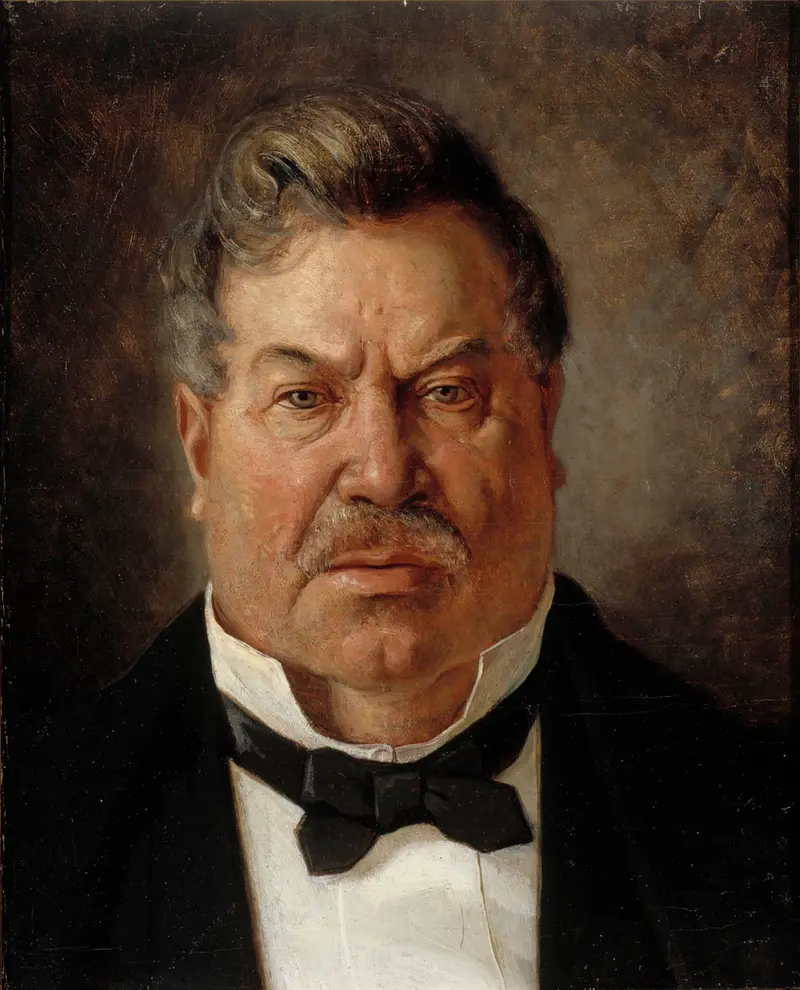
Portrait of August Streng
Albert Edelfelt
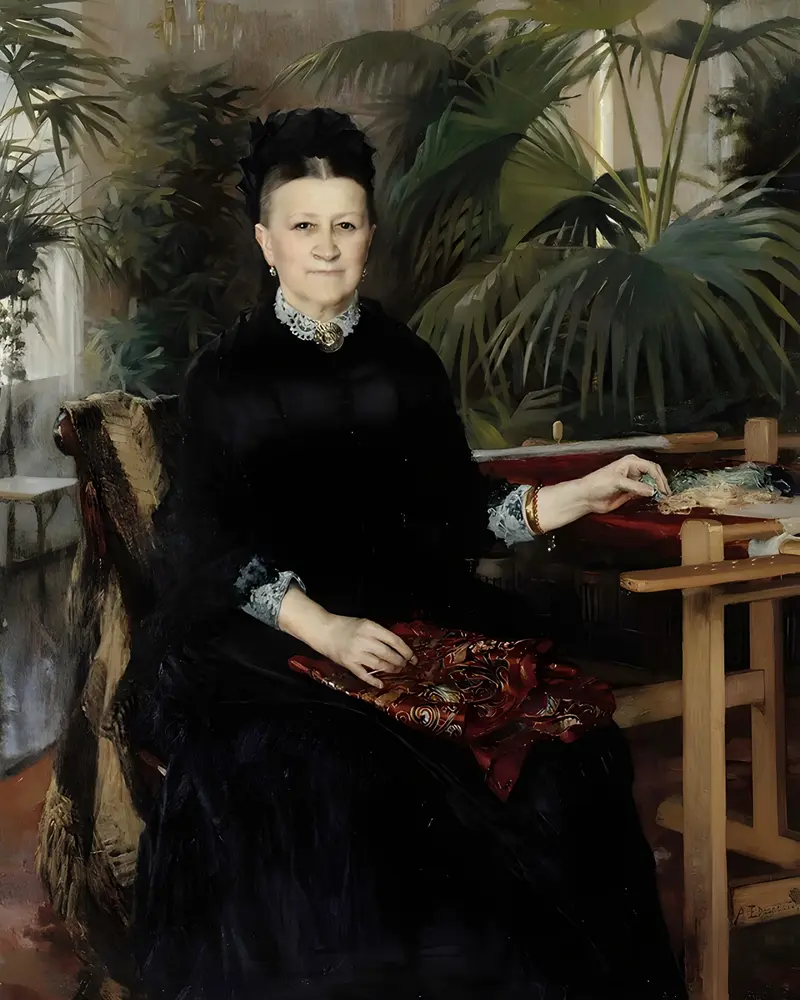
Portrait Of Mrs. Anna Sinebrychoff
Albert Edelfelt

The Poet, Larin Paraske
Albert Edelfelt

Parisian lady in a Peignoir
Albert Edelfelt
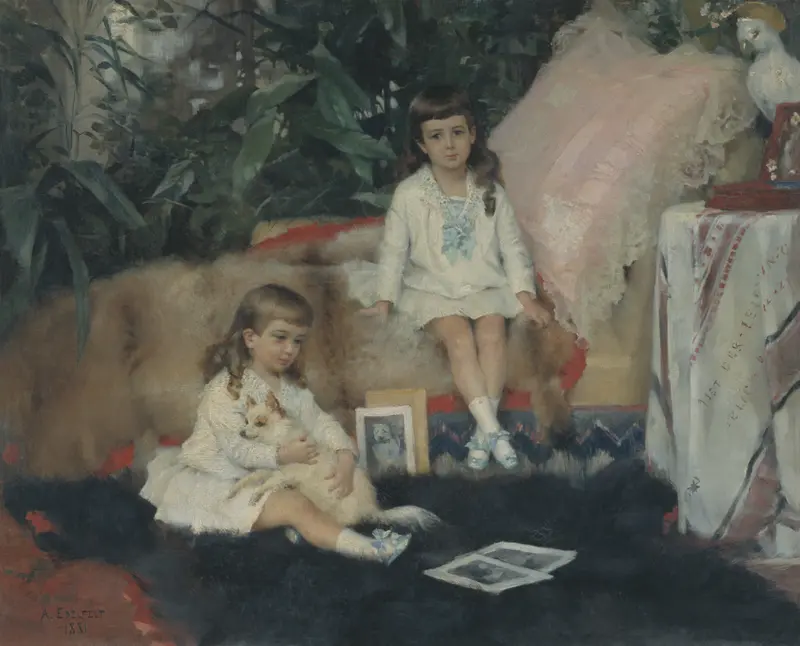
The Grand Dukes Boris and Kirill Vladimirovich as Children
Albert Edelfelt
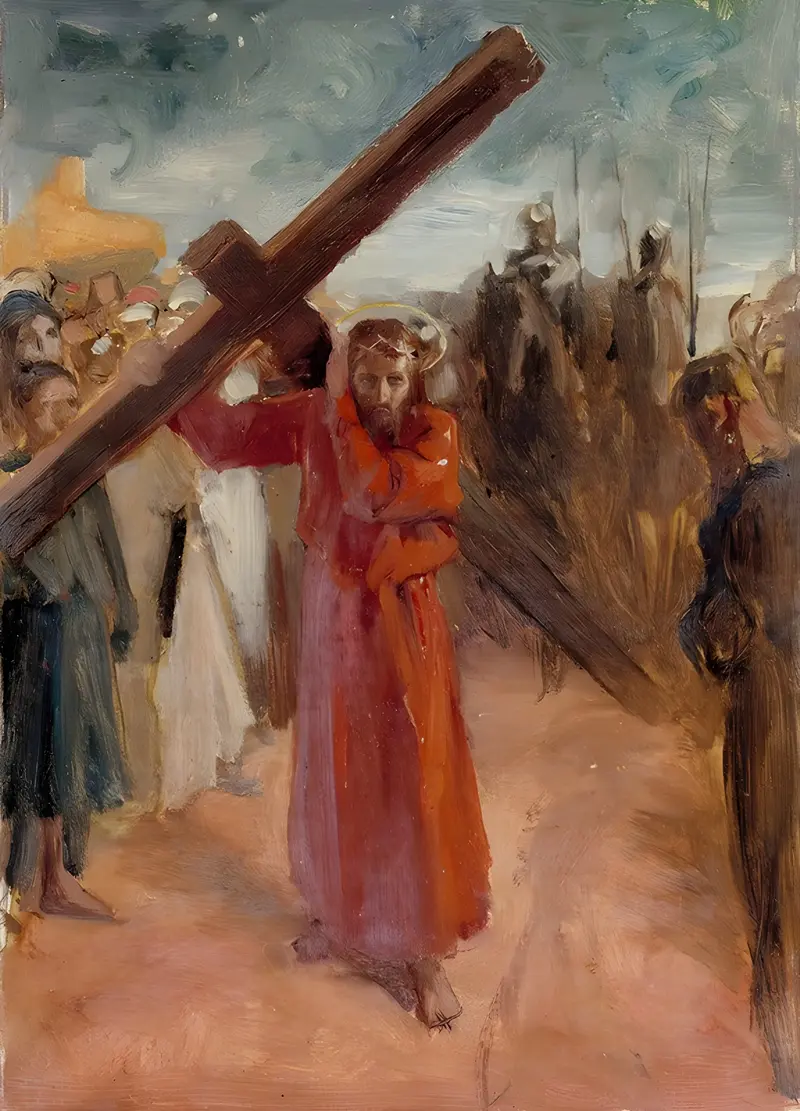
Christ Bears The Cross
Albert Edelfelt
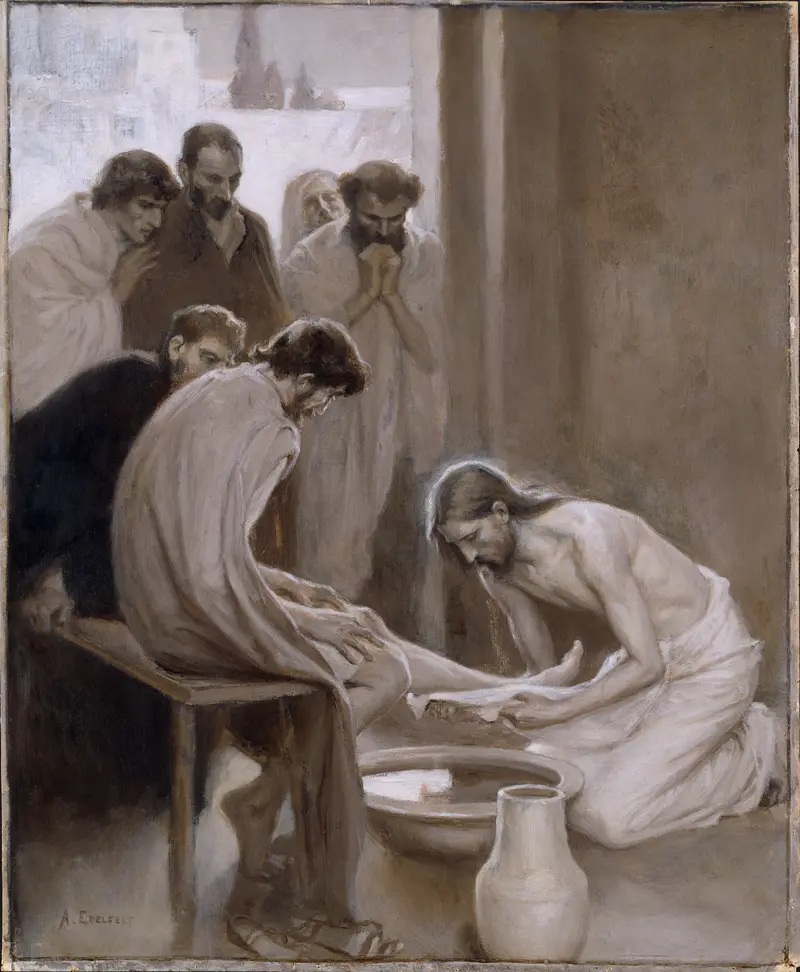
Jesus Washing the Feet of his Disciples
Albert Edelfelt

Larin Paraske with Kantele
Albert Edelfelt
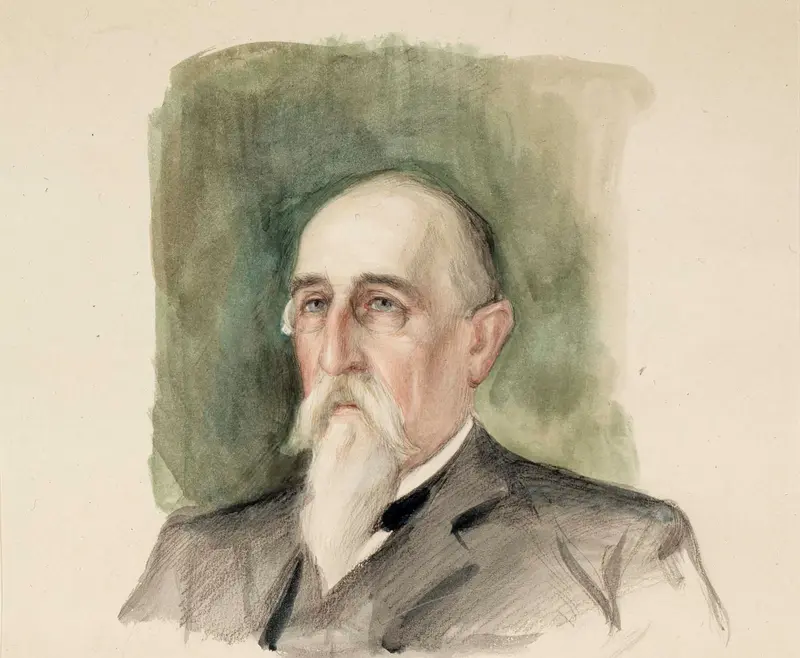
Leo Mechelin, Portrait Study
Albert Edelfelt
More Landscape Art

The Starry Night
Vincent van Gogh

View of Delft
Johannes Vermeer

Water Lilies
Claude Monet

The Grand Canal, Venice, looking north-west from the Ca' Corner to the Ca' Contarini degli Scrigni, with the campanile of Santa Maria della Carità
Canaletto

Windsor Castle
Canaletto

The Grand Canal looking North-East from the Palazzo Dolfin-Manin to the Rialto Bridge
Canaletto