
Kein Staatstheater! – Theatervorlage: Nein! — History & Facts
What first seizes the eye in Otto Plattner’s Kein Staatstheater! – Theatervorlage: Nein! is its biting theatricality—a rotund, jester-like figure, flushed with drink and laughter, rides triumphantly atop a stooped, elderly woman in a maid’s cap and apron. The jester’s exaggerated, rosy cheeks and open-mouthed glee, paired with the goblet in his hand, broadcast a mood of careless indulgence. The woman beneath, bent and weary, clutches a cane and wears a medallion with a cryptic symbol, her expression one of resignation or burden.
The visual imbalance—one figure literally carried by another—serves as a sharp metaphor for social or political critique, with the bold, block-lettered slogans anchoring the message in the language of protest. The palette, dominated by stark blacks, whites, and reds, amplifies the sense of caricature and urgency, drawing the viewer into the satirical world of Weimar-era poster art. Created in 1924, this work emerges from a Germany riven by economic hardship, political instability, and fierce debate over the role of state institutions—including the arts. Posters like this, often produced for political campaigns or social movements, harnessed the immediacy of graphic satire to sway public opinion or provoke debate.
The slogan “Kein Staatstheater!”—“No State Theatre!”—and its emphatic “Nein!” reflect a moment when questions of public funding and cultural authority were hotly contested. While little is recorded about Plattner or the specific commission for this piece, its survival as a self-scanned artifact speaks to the enduring power of visual dissent. Every detail, from the jester’s feathered cap to the old woman’s bare feet, invites the viewer to read between the lines—and to imagine the debates raging just outside the frame.
More Artworks by Otto Plattner
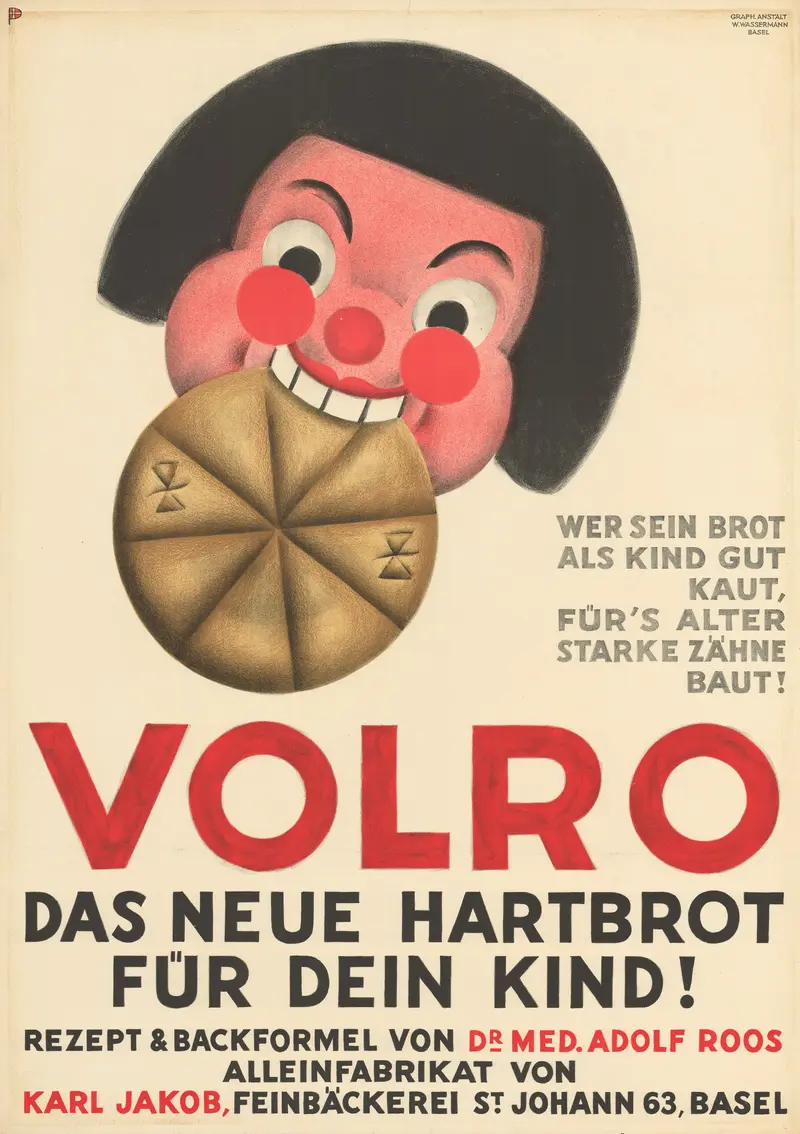
Volro – Das neue Hartbrot für dein Kind
Otto Plattner
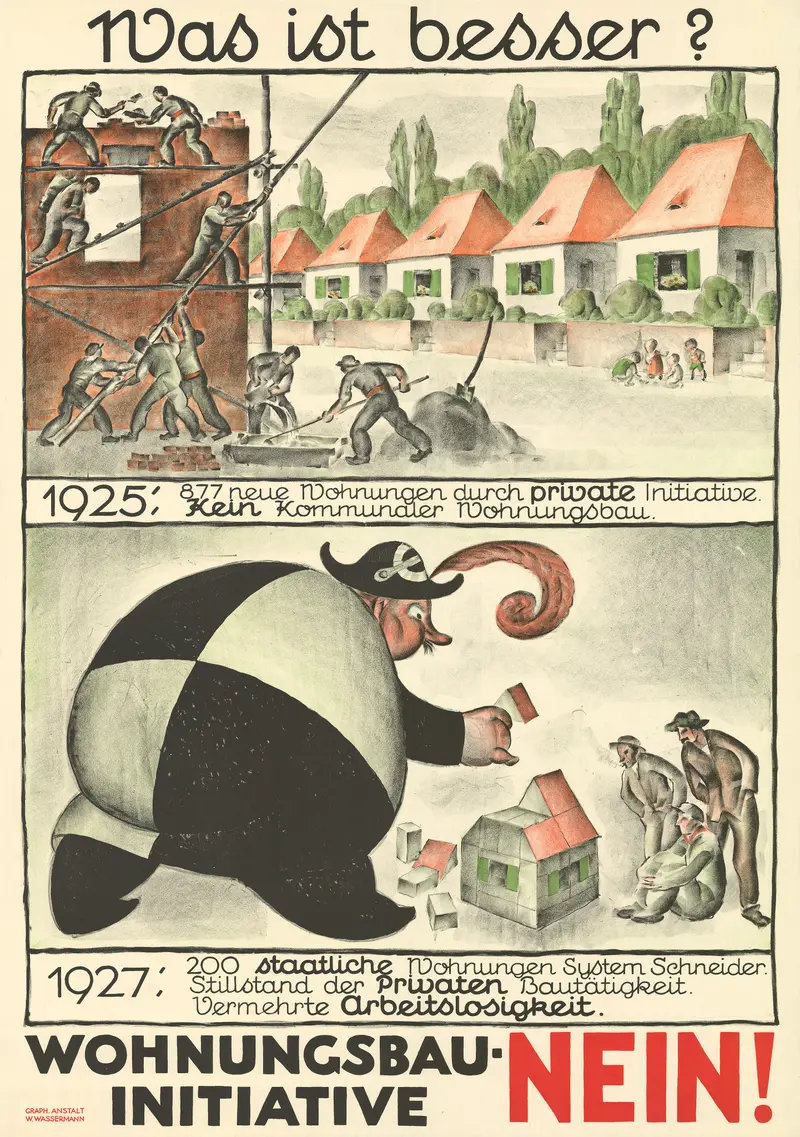
Was ist besser? – Wohnungsbau-Initiative Nein!
Otto Plattner
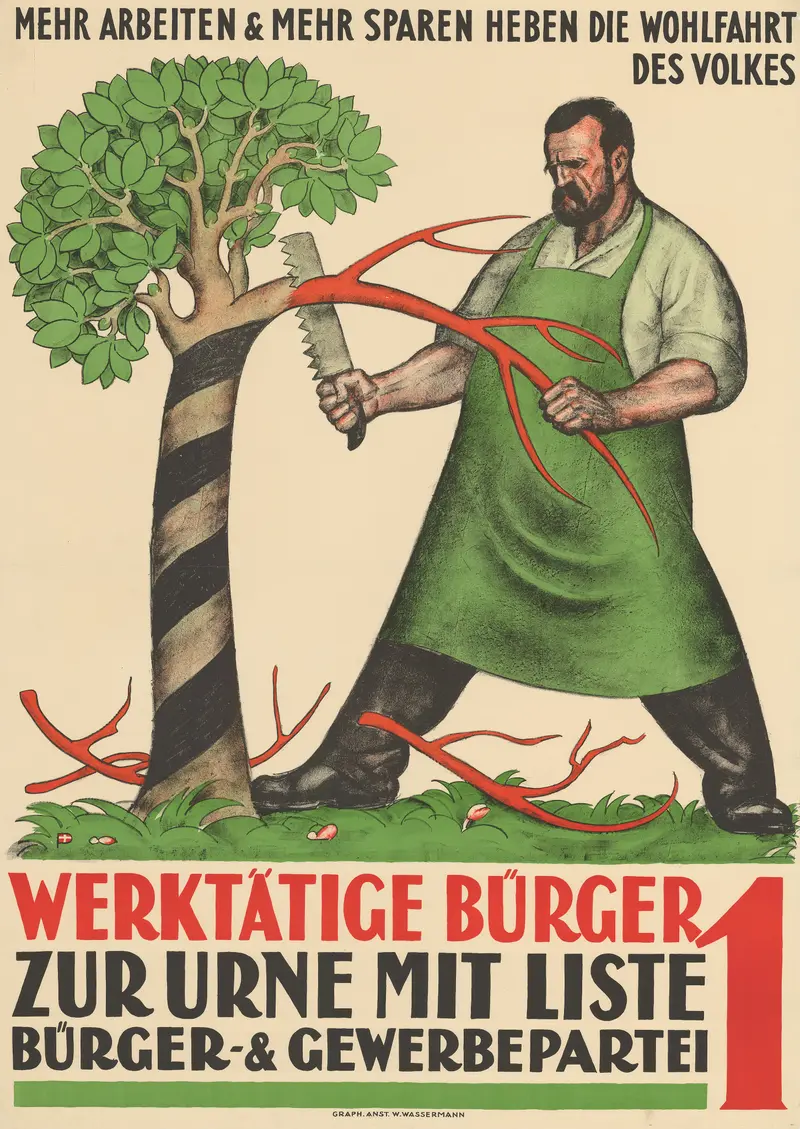
Werktätige Bürger – Zur Urne mit Liste 1 – Bürger- & Gewerbepartei
Otto Plattner
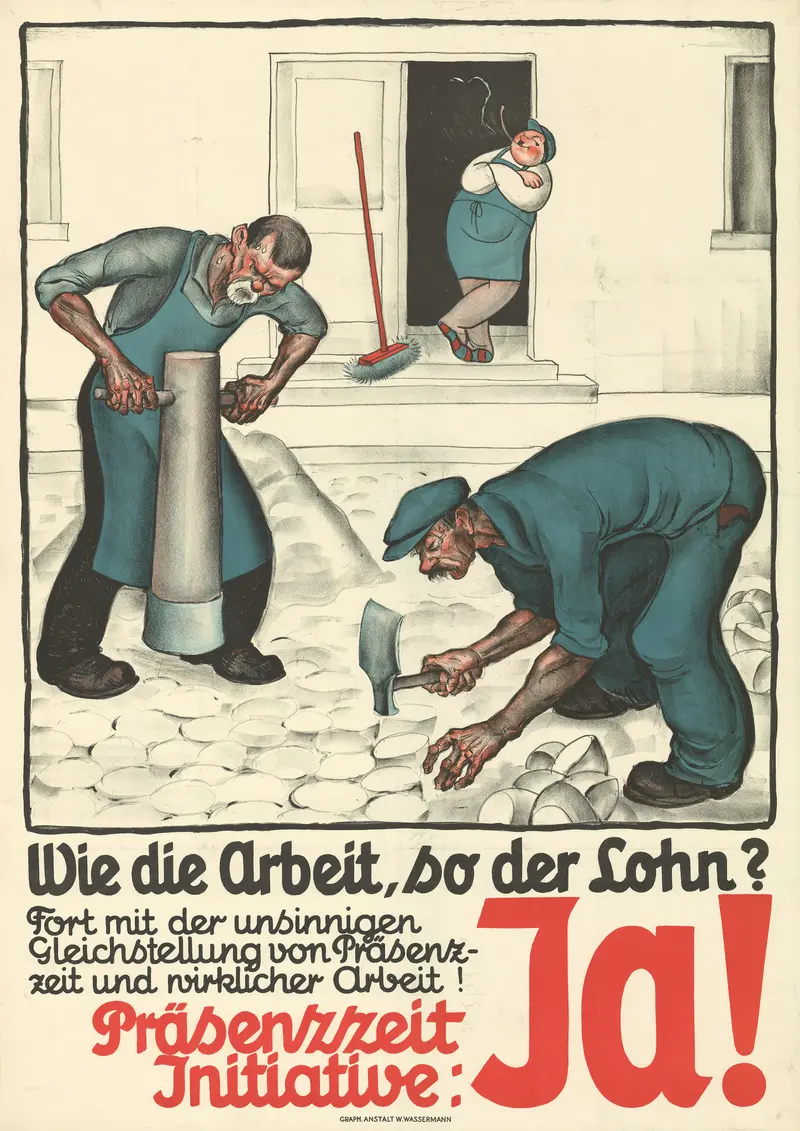
Wie die Arbeit, so der Lohn? Präsenzzeit-Initiative: Ja!
Otto Plattner

Zu den eigenen Lasten soll die Stadt auch noch die der Vororte tragen? – Wiedervereinigung Nein
Otto Plattner
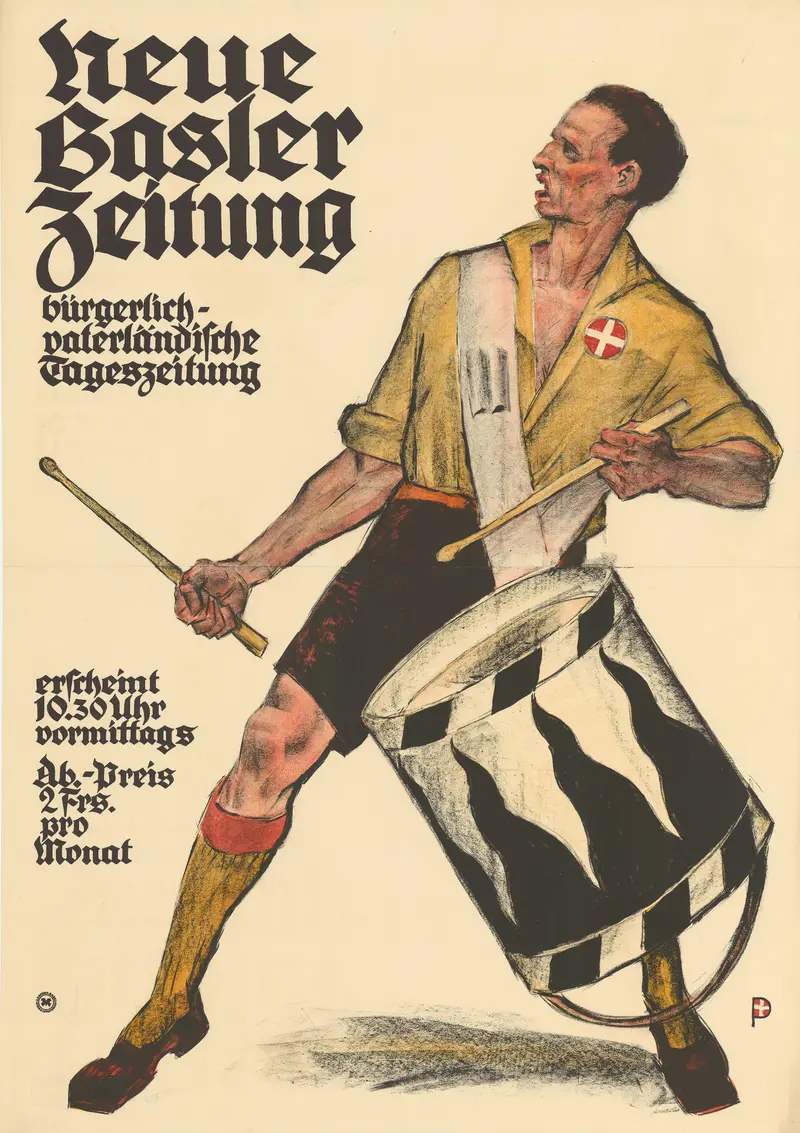
Neue Basler Zeitung
Otto Plattner
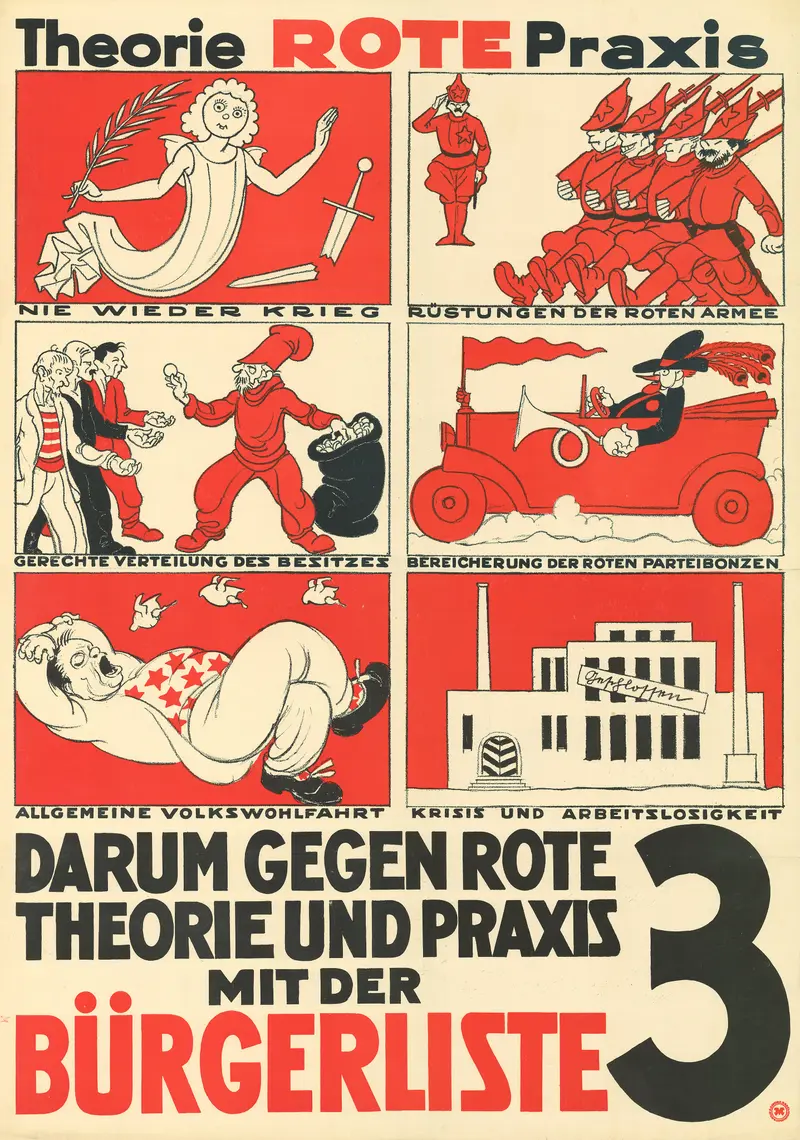
Gegen rote Theorie und Praxis – Bürgerliste 3
Otto Plattner
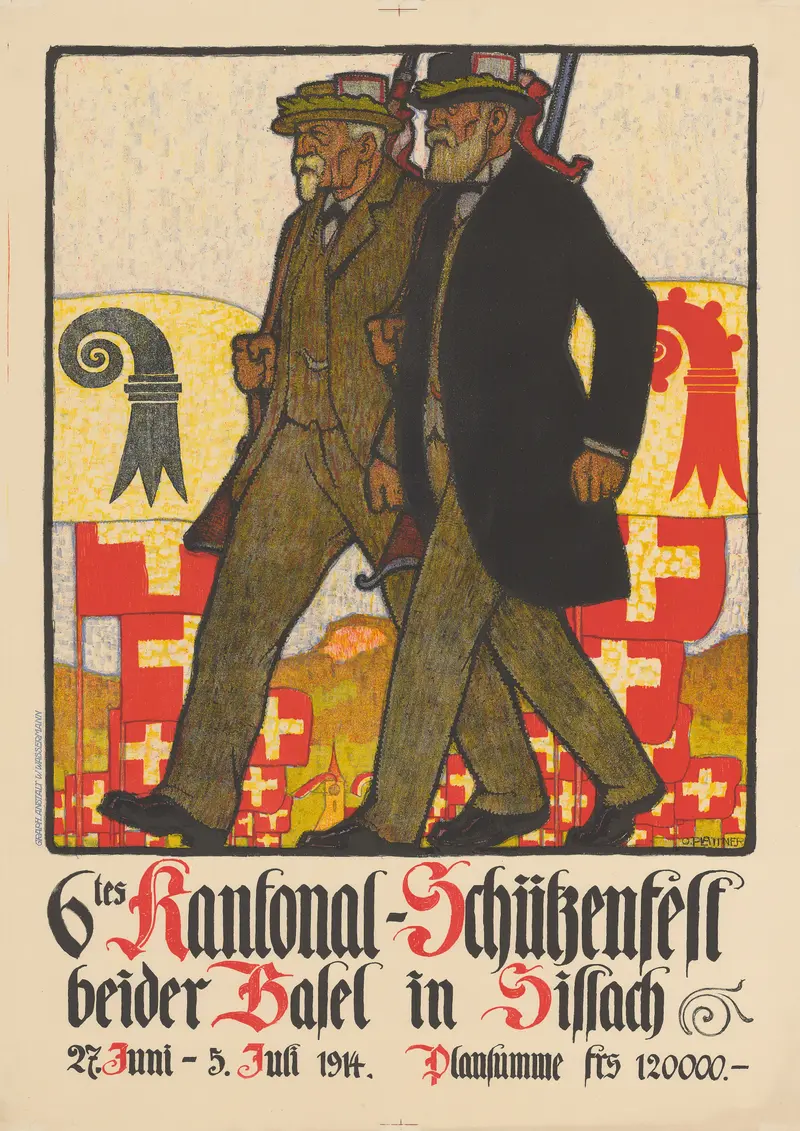
6tes Kantonal-Schützenfest beider Basel in Sissach
Otto Plattner
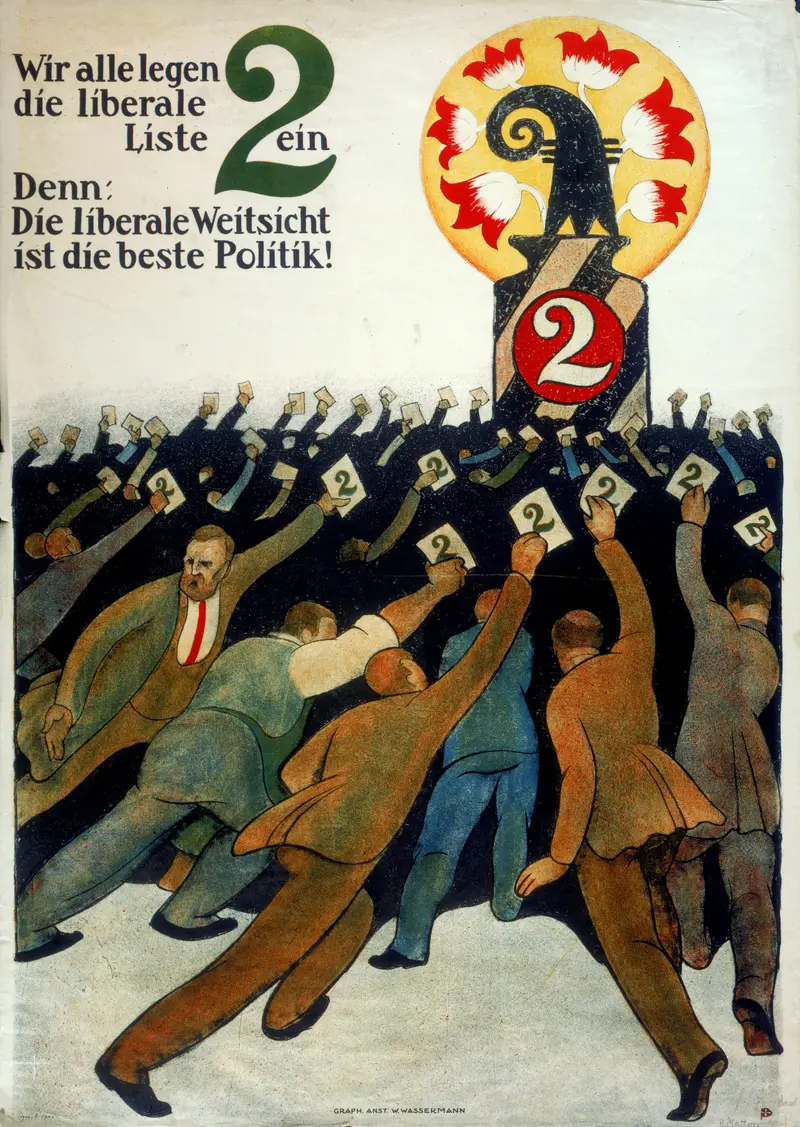
CH-NB Poster Collection SNL POL 370
Otto Plattner
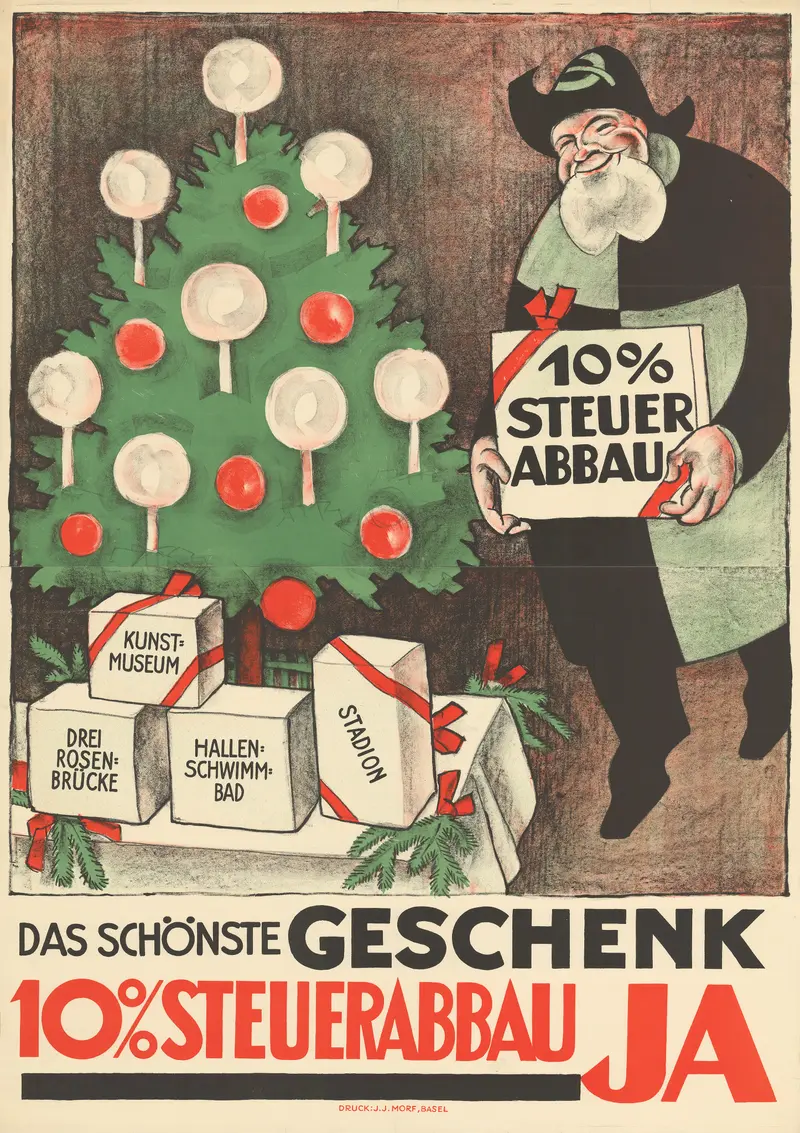
Das schönste Geschenk – 10% Steuerabbau – Ja
Otto Plattner



