Discover insights about this artwork
Kerosene Lamp — History & Facts
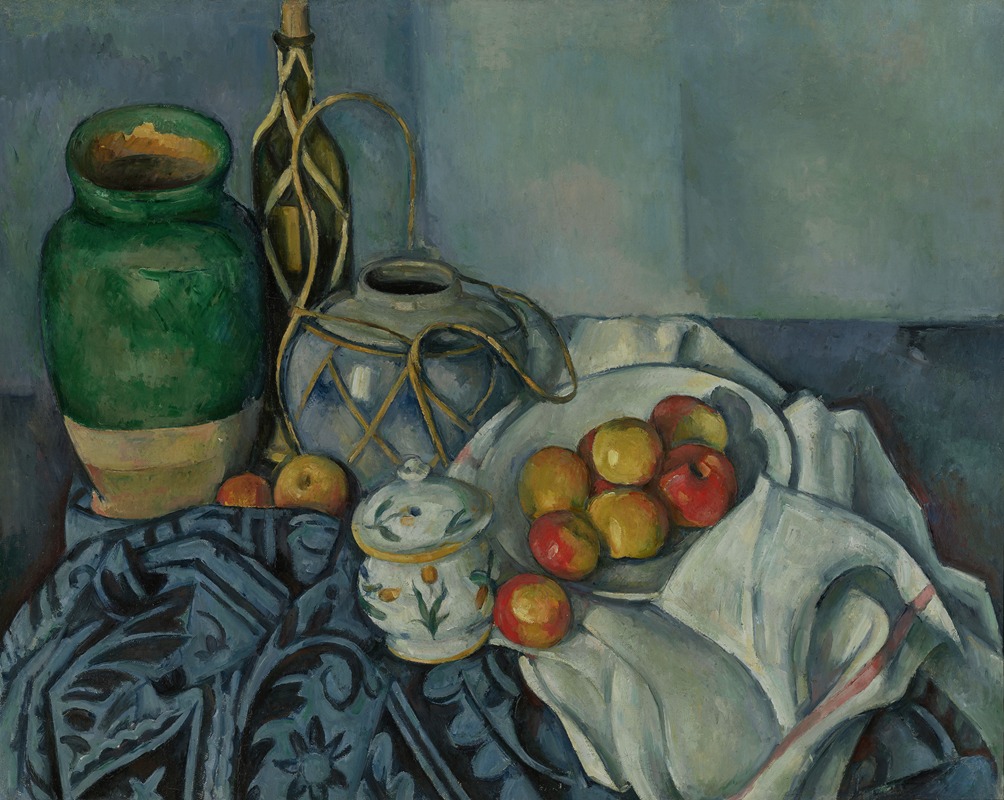
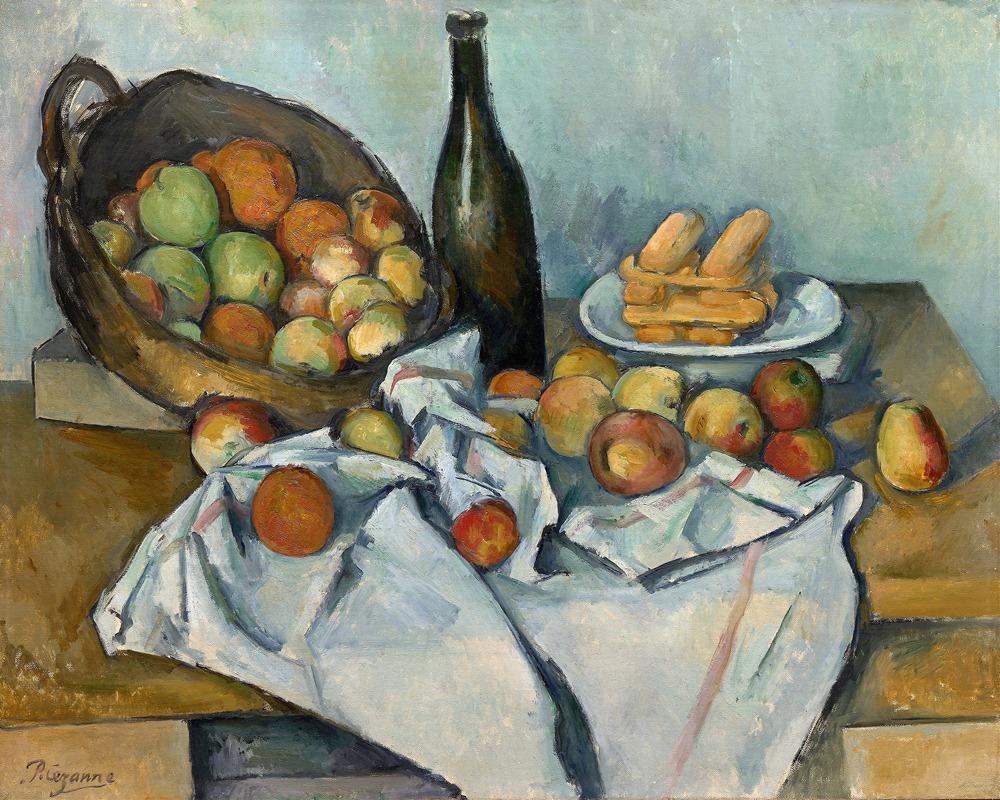
In Kerosene Lamp, Paul Cézanne presents a still life composition featuring a kerosene lamp as the central object. The painting is characterized by a warm palette of yellows, browns, and greens, creating a cozy atmosphere. The lamp is depicted with a sense of solidity, surrounded by subtle reflections and shadows that enhance its three-dimensionality.
Cézanne's brushwork is visible, with thick strokes that add texture to the surface of the painting. The painting is executed in oil on canvas, a medium that allows for rich color application and depth. Cézanne's technique involves layering colors and using a variety of brushstrokes to create form and light. The dimensions are approximately 60 x 80 cm, making it a medium-sized work that invites close inspection.
Viewers can appreciate the careful arrangement of the objects and the interplay of light and shadow. Paul Cézanne was a pivotal figure in the transition from 19th-century Impressionism to 20th-century Modernism. This work, likely created in the 1890s, reflects his interest in the structural qualities of objects and the way they interact with light. An interesting fact about this painting is that it showcases Cézanne's unique approach to still life, where he often emphasized geometric forms and the relationship between objects.
The Kerosene Lamp exemplifies his innovative style and his influence on future generations of artists.
More Artworks by Paul Cézanne
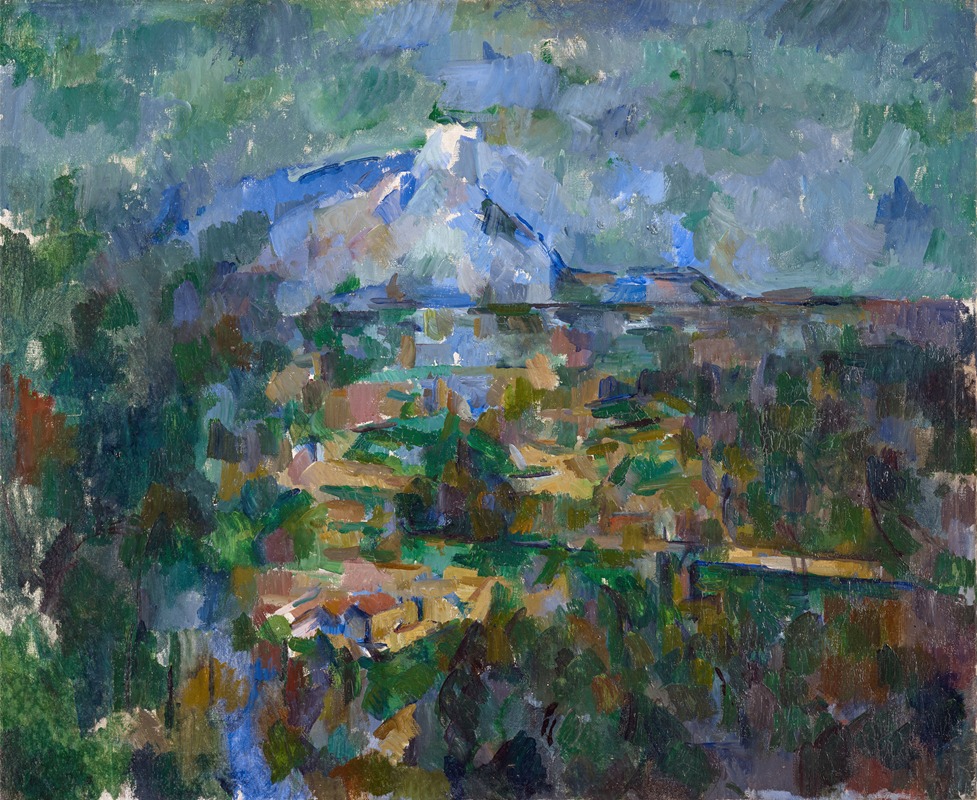
The Mont Sainte-Victoire Seen From Les Lauves
Paul Cézanne
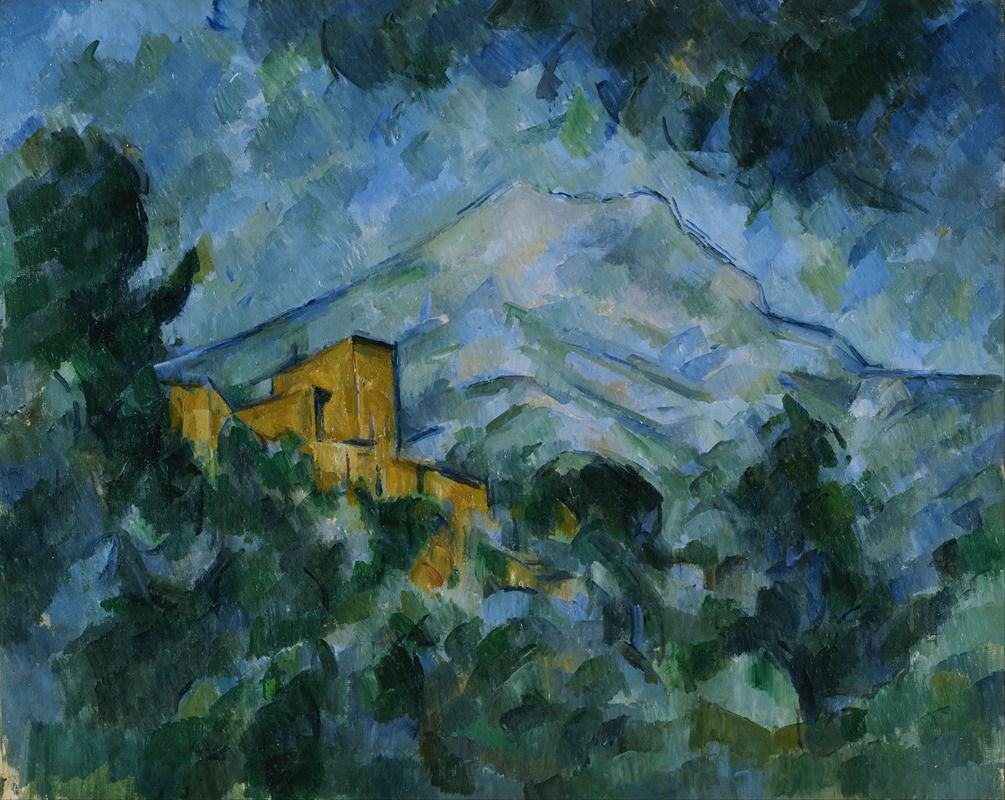
Mont Sainte-Victoire and Château Noir
Paul Cézanne
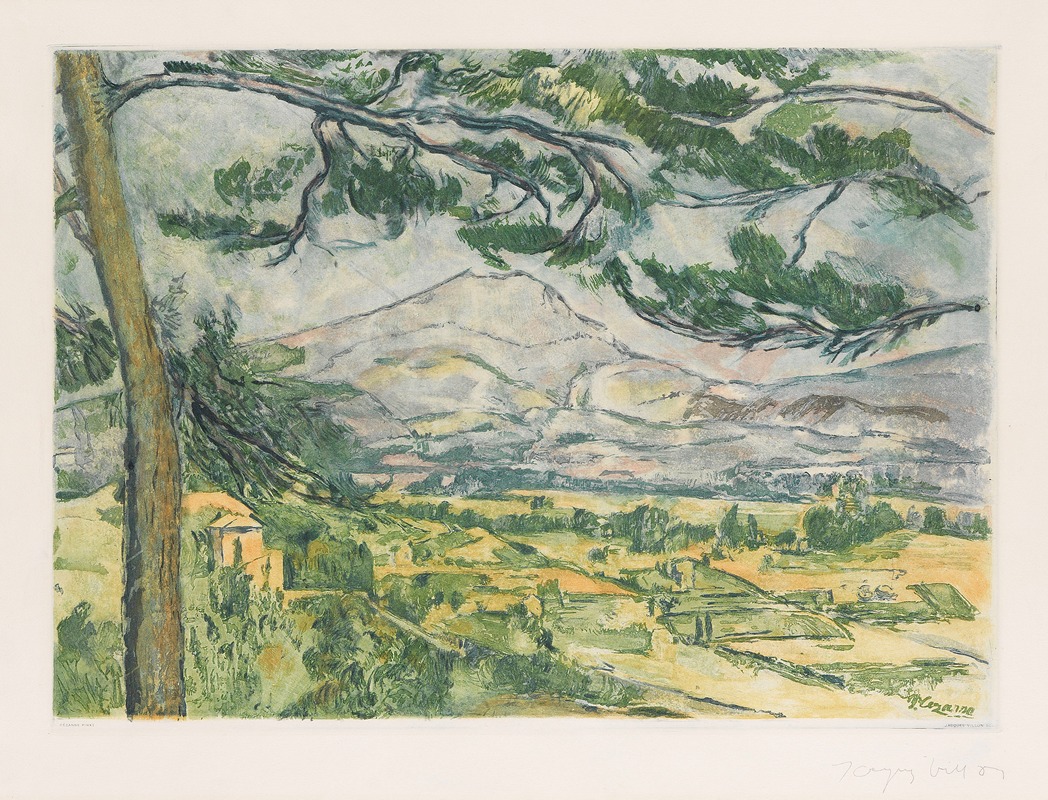
La Montagne Sainte-Victoire
Paul Cézanne
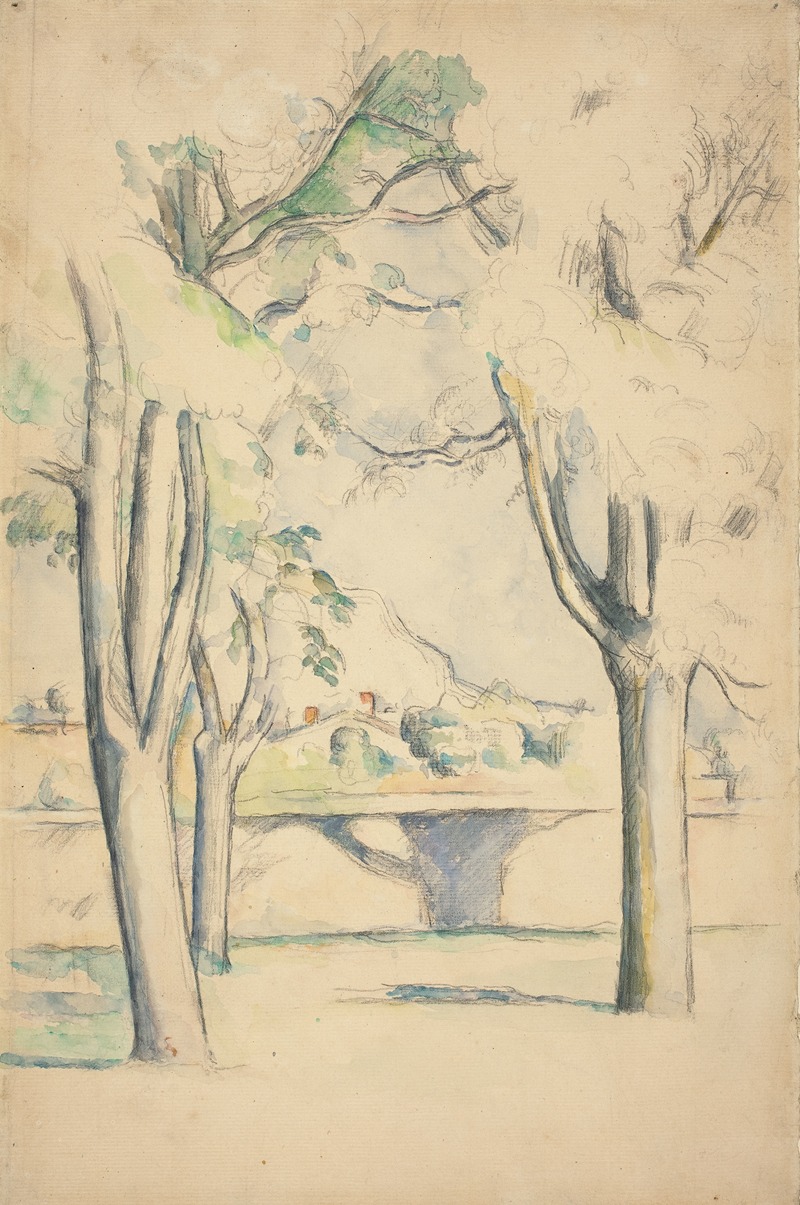
Mont Sainte-Victoire Seen beyond the Wall of the Jas de Bouffan
Paul Cézanne
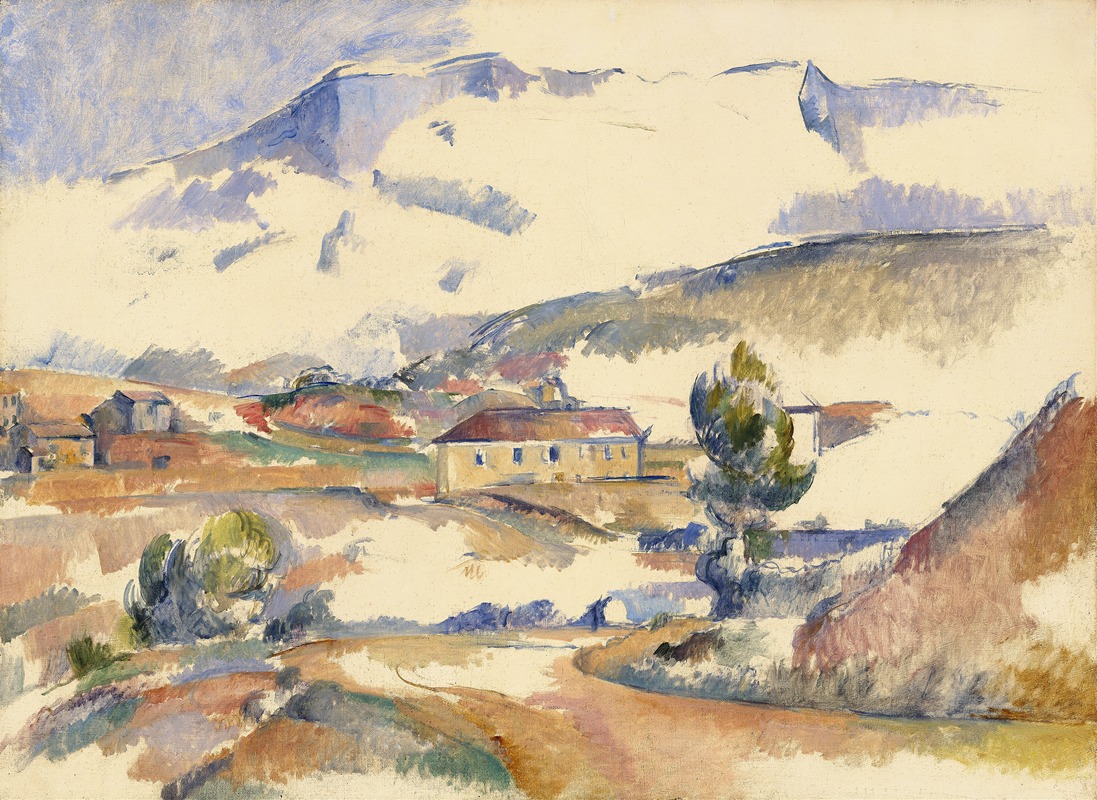
Montagne Sainte-Victoire,from near Gardanne
Paul Cézanne
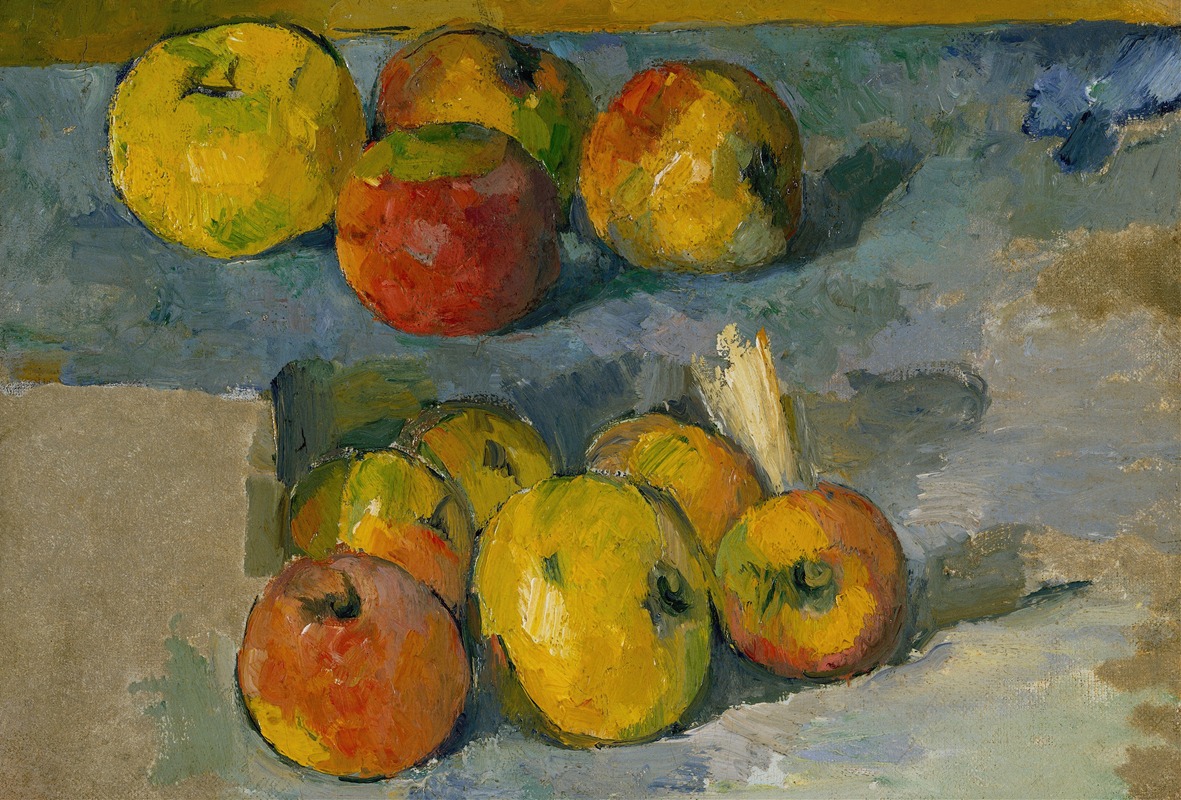
Apples
Paul Cézanne
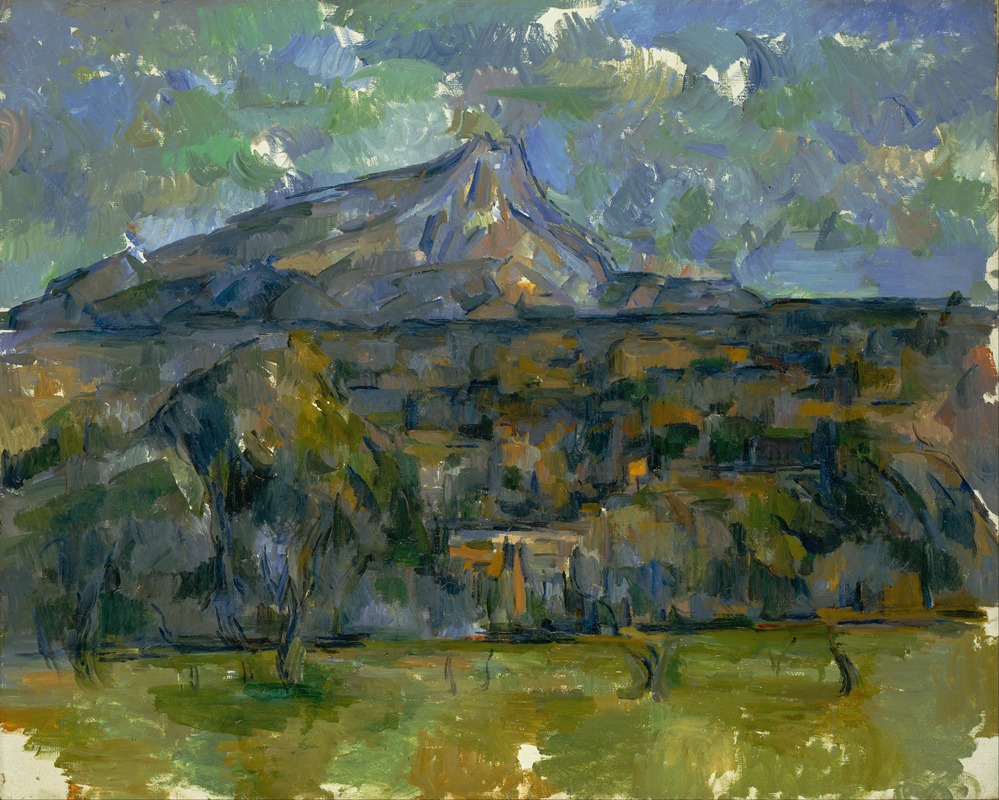
Mont Sainte-Victoire
Paul Cézanne
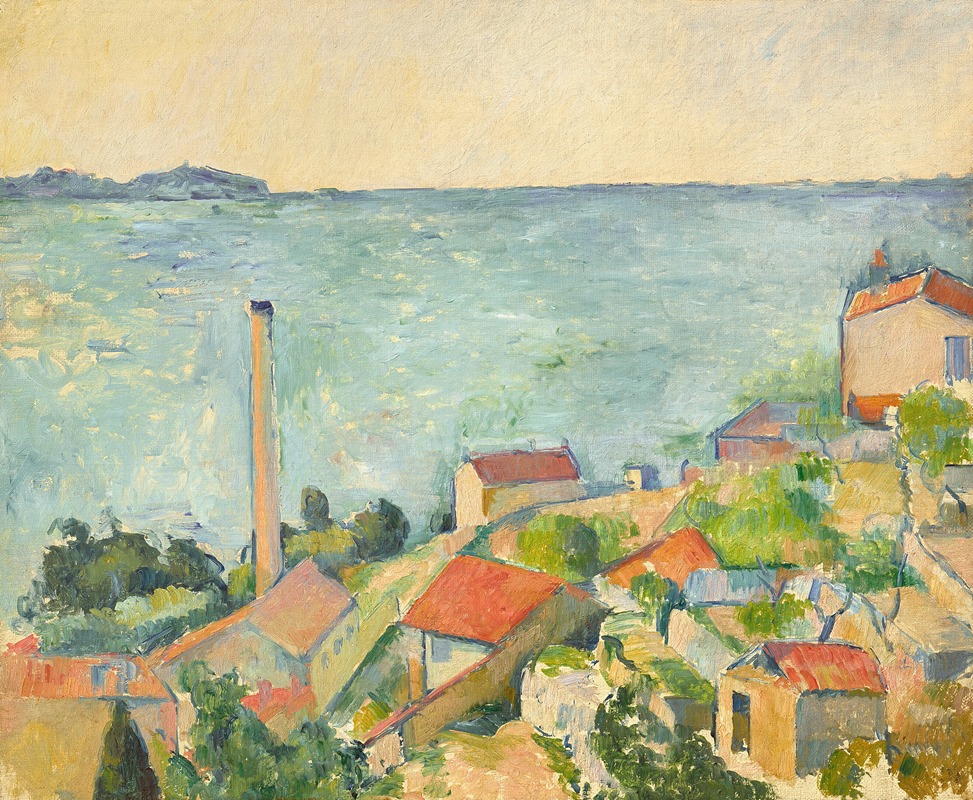
La mer à l’Estaque
Paul Cézanne
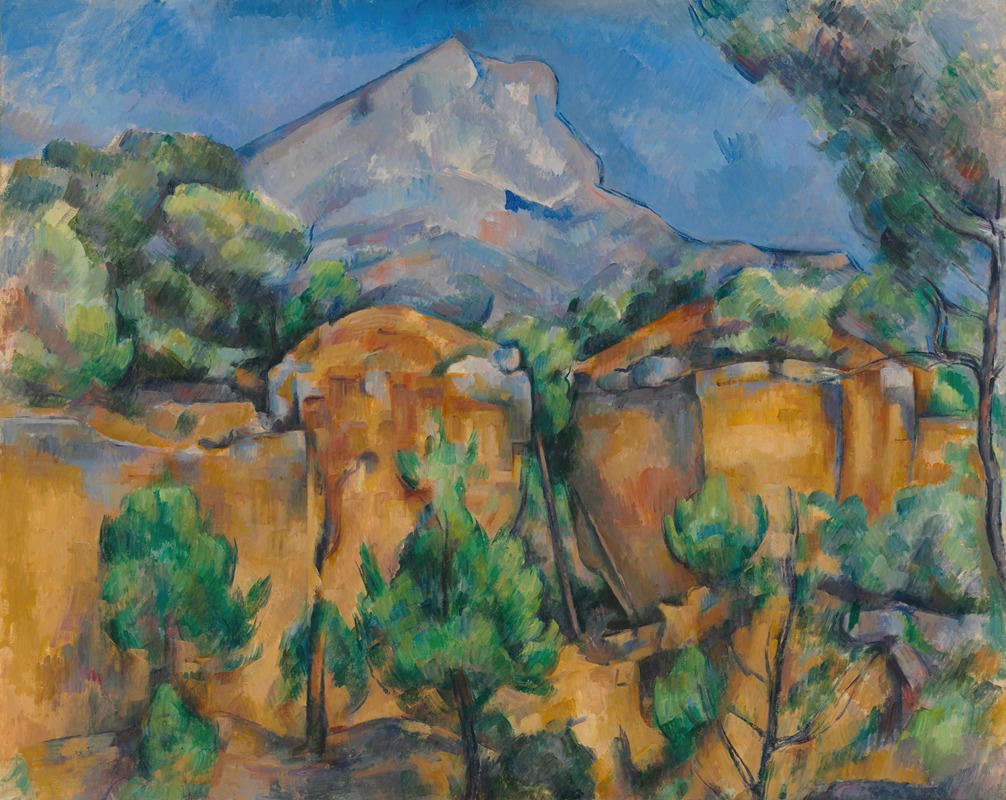
La Montagne Sainte-Victoire vue de la carrière Bibémus
Paul Cézanne
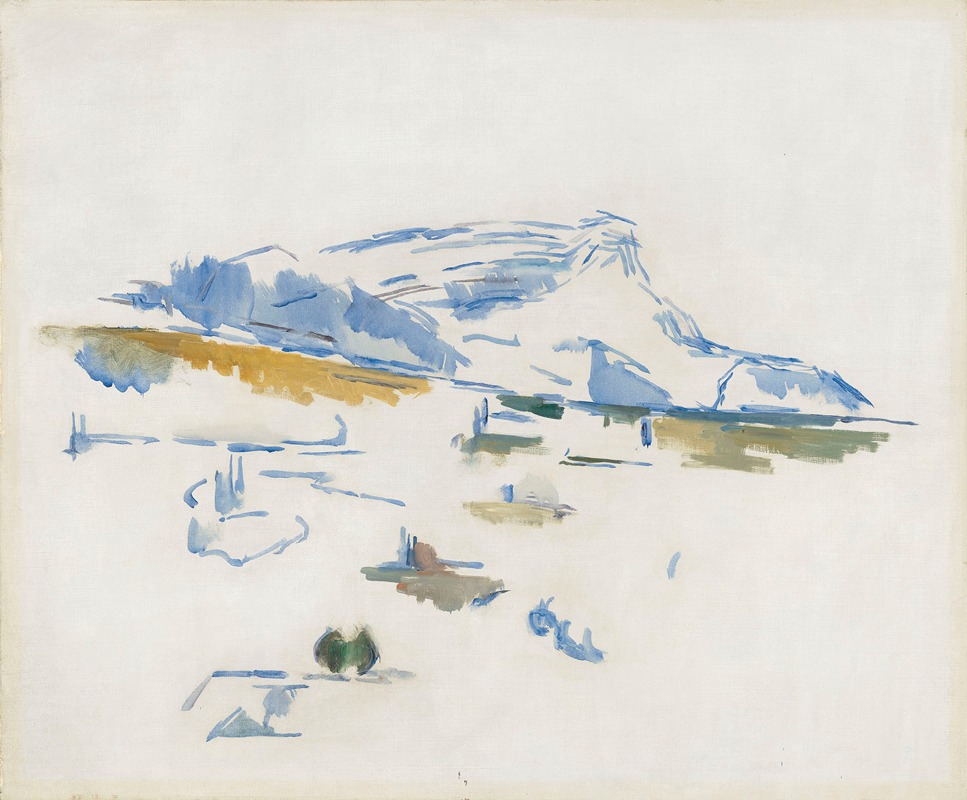
La Montagne Sainte-Victoire vue des Lauves
Paul Cézanne