Kevad — History & Facts
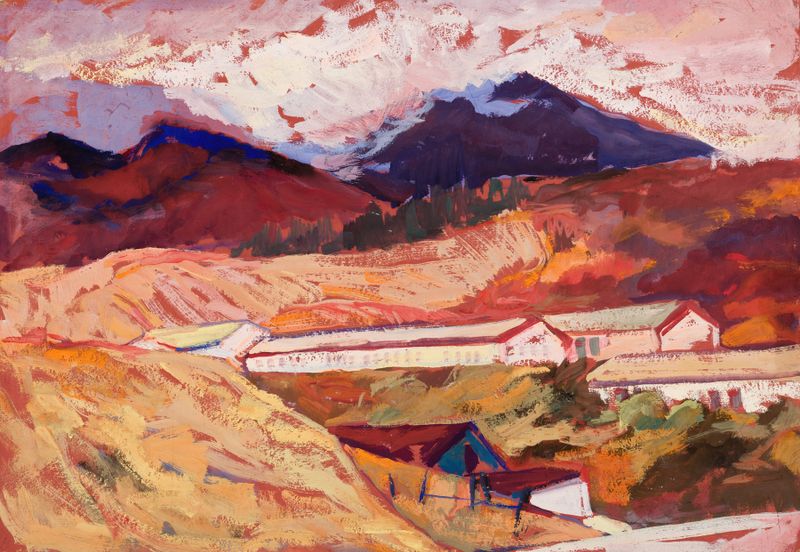
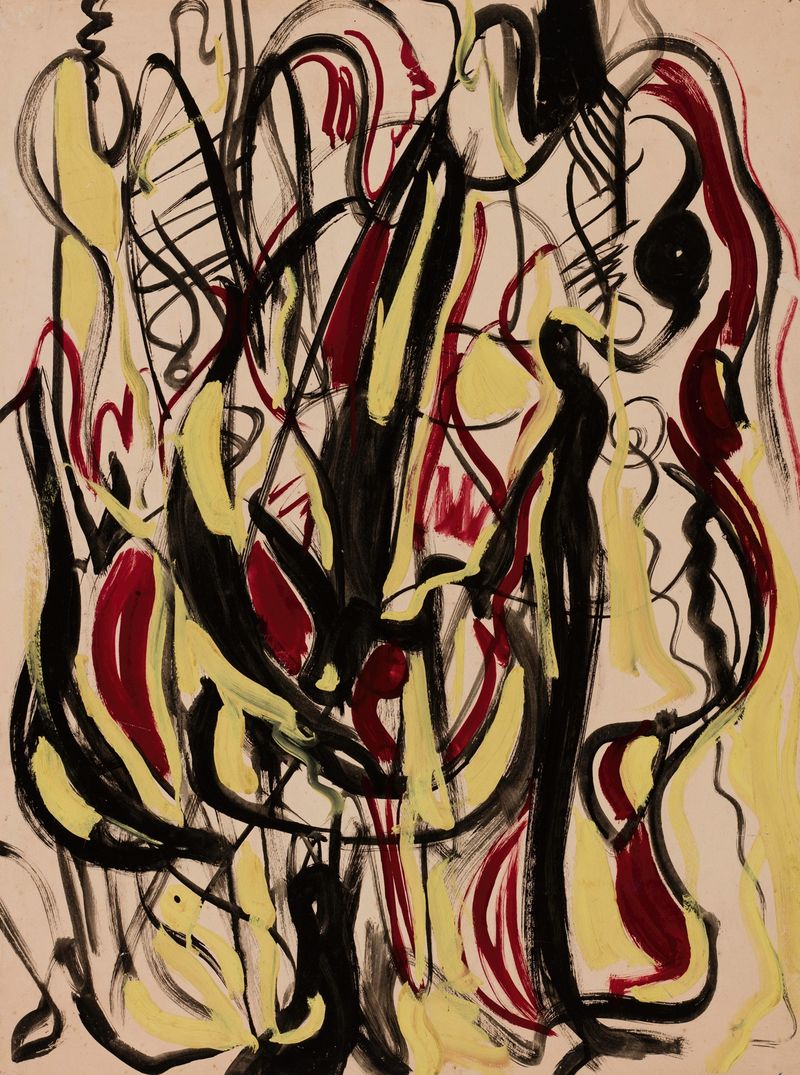
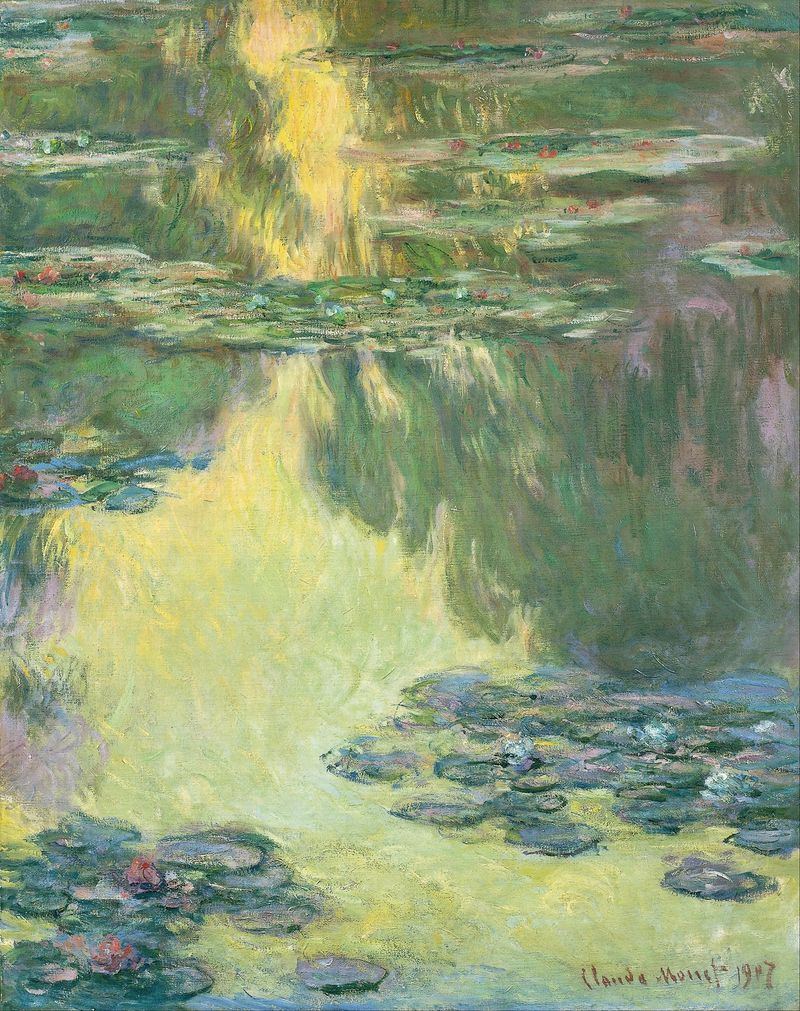
When did color learn to lie? In Kevad, the vibrant palette beckons, yet it whispers secrets hidden beneath its surface. The warm hues of spring promise renewal, yet shadows play a trick on the eye, obscuring truths waiting to be uncovered. Look to the center of the canvas, where a riot of greens and yellows bursts forth, representing the burgeoning life of spring. Notice how the brushstrokes dance energetically, layering colors that pulse with vitality.
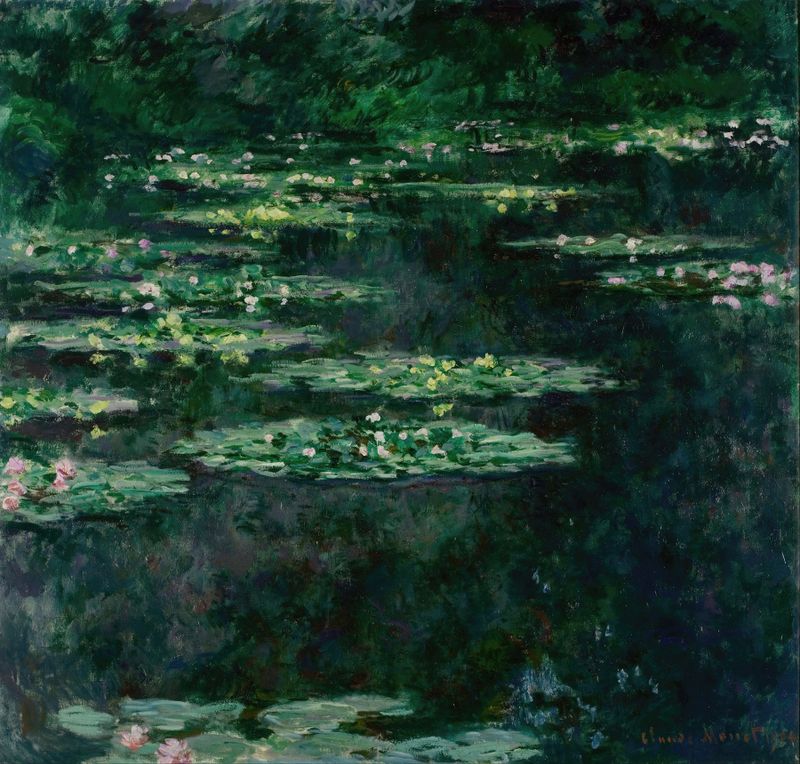
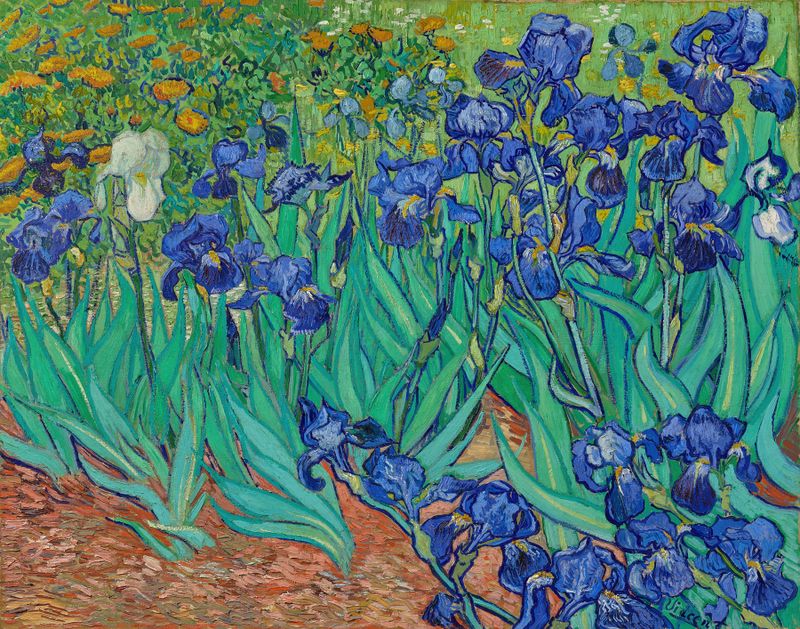
To the left, dark shadows creep in, contrasting starkly with the sunny blooms, hinting at the complexities of life beneath the cheerful facade. The composition draws the viewer in, creating a tension between the brightness of the season and the lurking darkness that shadows it. Upon closer inspection, the interplay of light and shadow reveals an emotional landscape, where hope wrestles with despair. The brilliant flowers offer a visual metaphor for innocence and rebirth, yet the encroaching darkness suggests that joy can be fleeting.
This tension between light and shadow reflects the dualities of existence, evoking a sense of longing and the inevitable passage of time. Each brushstroke embodies a truth that is both beautiful and haunting, compelling the viewer to confront their own experiences of joy and sorrow. In 1959, Lola Liivat painted this work during a transformative period in Estonia, post-World War II. Emerging from decades of turmoil and oppression, artists were beginning to explore personal expression amidst the constraints of their environment.
This artwork captures her response to the complexity of life in a world striving for renewal, making it a poignant reflection of her time.