
Killundine Castle, Sound of Mull, Argyll — History & Facts
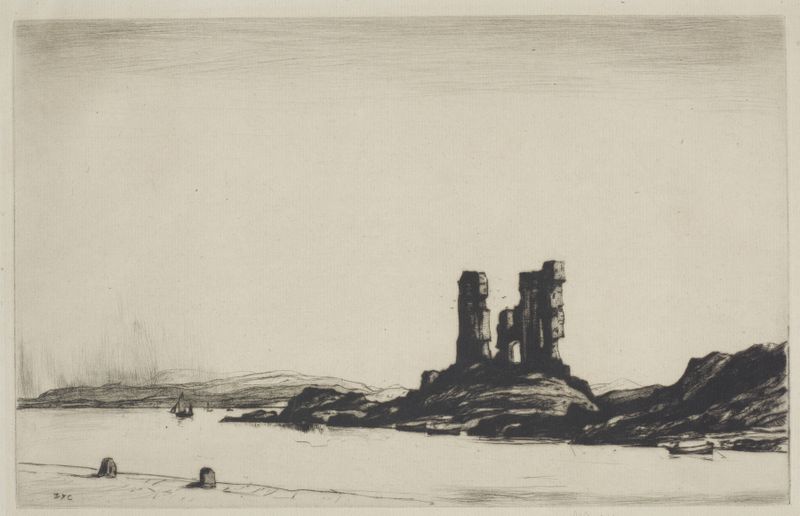
In the serene landscapes of Scotland, hope whispers through the vibrant hues of nature, waiting to be discovered. To your left, the majestic outline of Killundine Castle stands resolutely against the rolling hills, its stone facade catching the soft morning light. Look closely at the foreground where lush greens transition into the deep blues of the water, inviting your gaze towards the distant horizon. The play of light and shadow creates a tranquil rhythm, while the delicate brushwork evokes both the solidity of the castle and the fluidity of the surrounding scenery. The composition resonates with contrasts: the sturdy castle, a symbol of permanence, juxtaposed against the ephemeral qualities of nature.
The varying shades of green symbolize growth and renewal, while the soft clouds above suggest a fleeting moment of calm before potential storms. This interplay between the steadfastness of the human-made and the transience of the natural world speaks to an underlying narrative of resilience—hope in the face of change. In 1929, the artist was immersed in the Scottish landscape, capturing its essence during a period when traditional forms of expression were being challenged. David Young Cameron, known for his mastery of watercolor, sought to embody both the grandeur of his homeland and the emotional complexity it inspired.
At this juncture in his life, his work reflected the broader movement of artists embracing regionalism, finding beauty and significance in their immediate surroundings.
More Artworks by David Young Cameron
Browse all →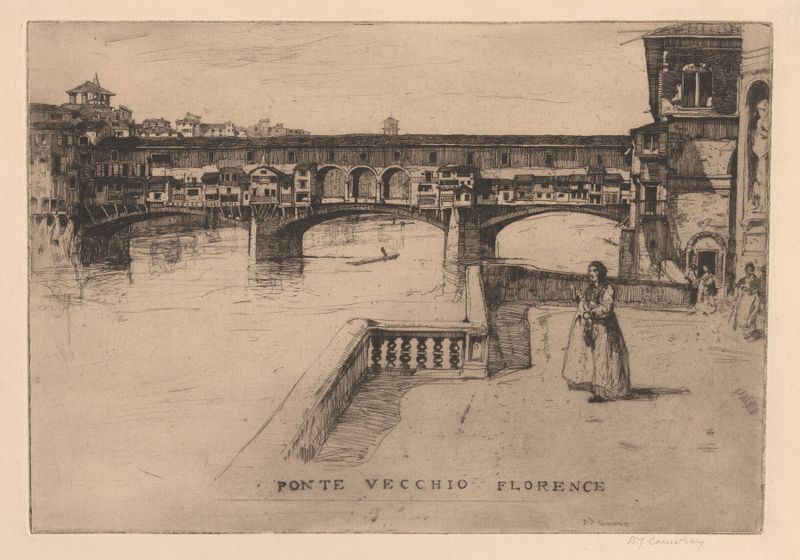
Ponte Vecchio
David Young Cameron

The Deanery, Winchester
David Young Cameron
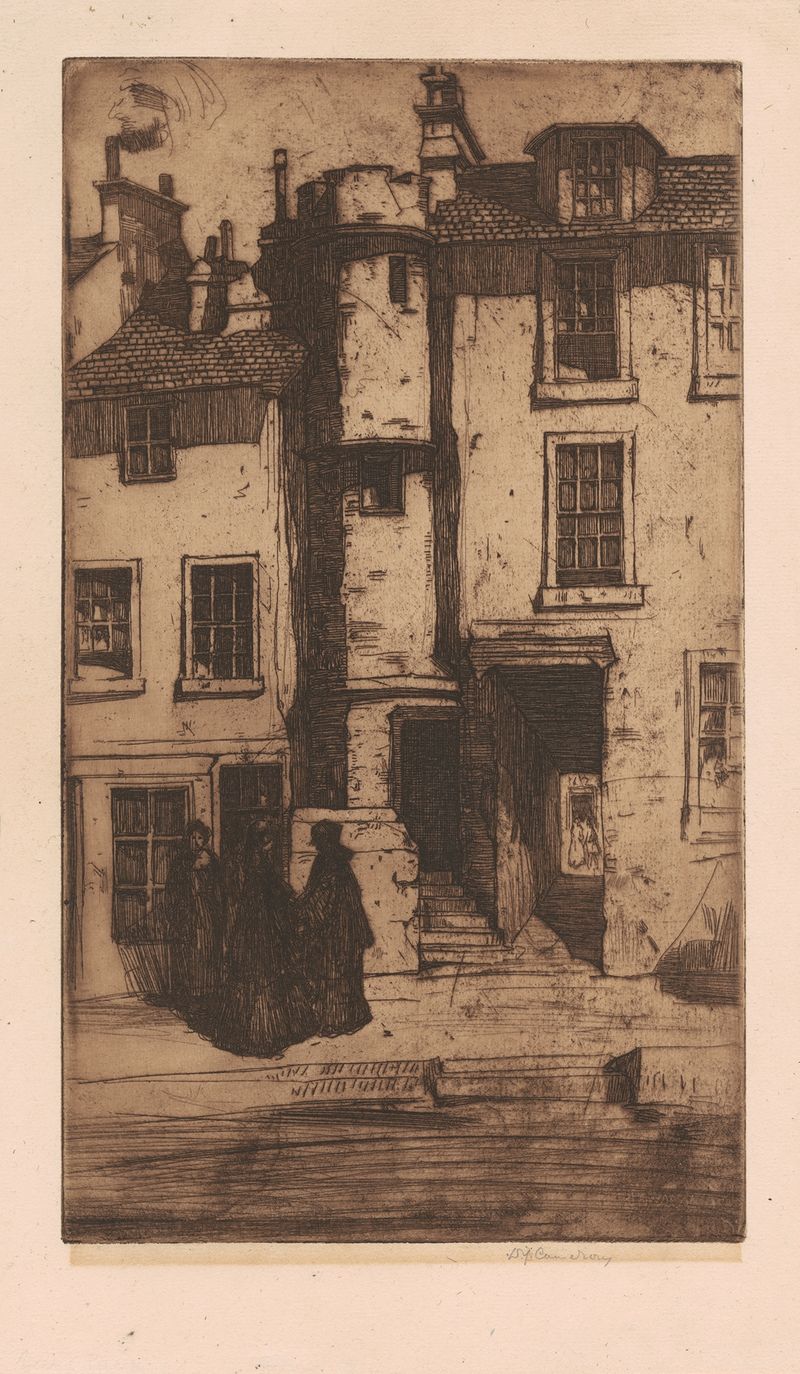
Old Houses, Stirling
David Young Cameron
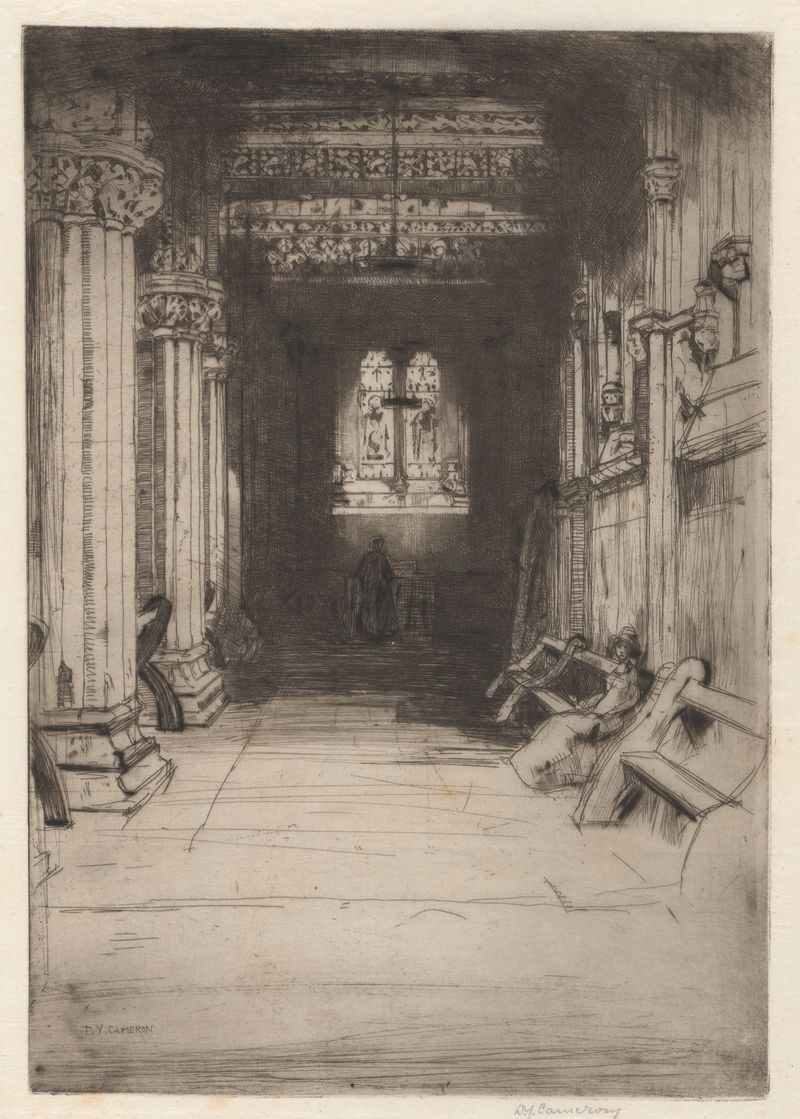
Rosslyn Chapel
David Young Cameron

The Old Museum, Beauvais
David Young Cameron
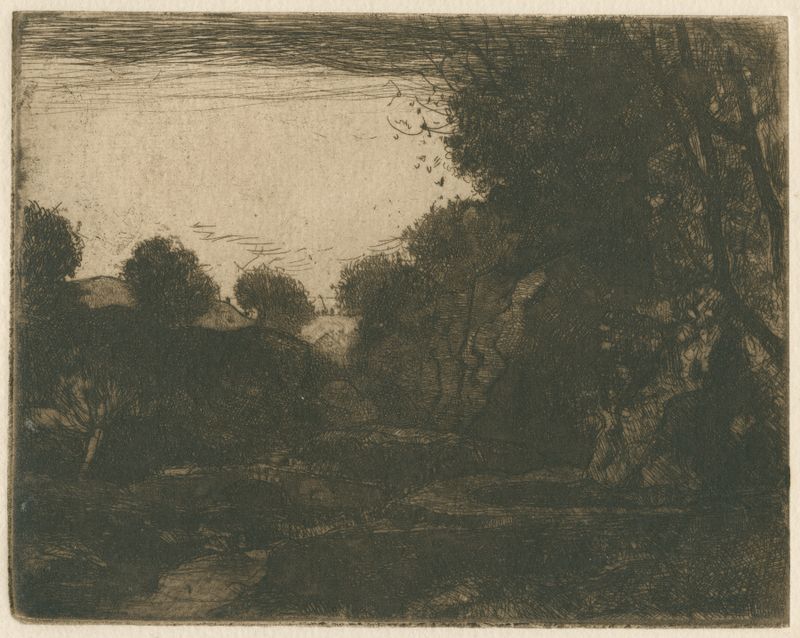
On the Bradford
David Young Cameron

The Smithy
David Young Cameron
Castle Moyle
David Young Cameron
Downing Street
David Young Cameron

Glasgow Cathedral
David Young Cameron





