
Kincardine — History & Facts
What if silence could speak through light? In the haunting stillness of Kincardine, a yearning emerges from the interplay of shadow and illumination, inviting us to reflect on the delicate balance of nature's beauty. Look to the left at the serene river, where gentle ripples catch the fading light of dusk. The vibrant hues of orange and pink in the sky are a masterful contrast to the deep blues and greens of the landscape, creating a harmonious yet melancholic composition. Notice how the soft brushstrokes blend seamlessly, evoking a sense of tranquility that envelops the viewer.
The artist’s use of light not only captures the moment but also seems to whisper secrets of the past, as if the quiet waters hold memories waiting to be unveiled. Delve deeper into the canvas, and you’ll find the underlying tensions between the serene beauty of the scene and the impending darkness of night. The reflections in the water suggest both calmness and uncertainty, symbolizing the duality of longing and fulfillment. Small details, like the distant silhouette of trees against the glowing horizon, enhance this emotional complexity, inviting contemplation on the passage of time and the fleeting nature of beauty. In 1914, David Young Cameron painted this work during a time of personal and global turbulence.
Living in Scotland as the world edged toward the First World War, he sought solace in the landscapes around him, transforming the external chaos into tranquil reflections on canvas. This piece emerges from a moment of profound introspection, encapsulating a yearning for peace amid turmoil.
More Artworks by David Young Cameron
Browse all →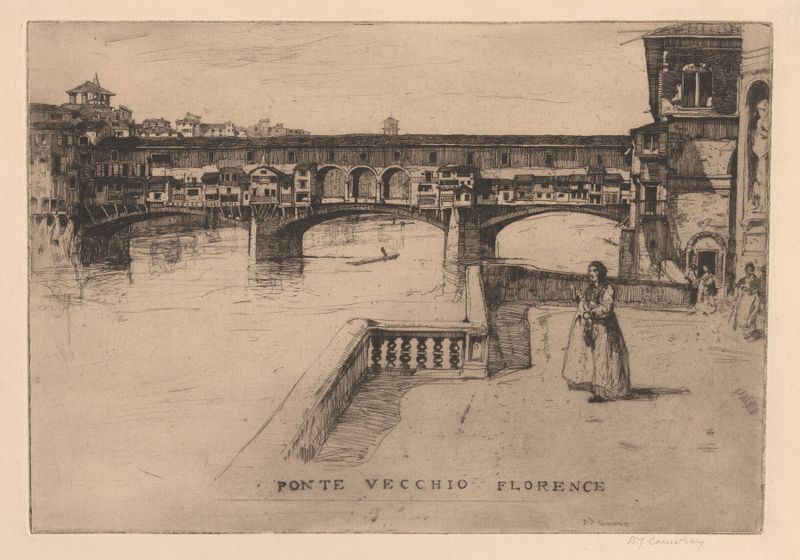
Ponte Vecchio
David Young Cameron

The Deanery, Winchester
David Young Cameron
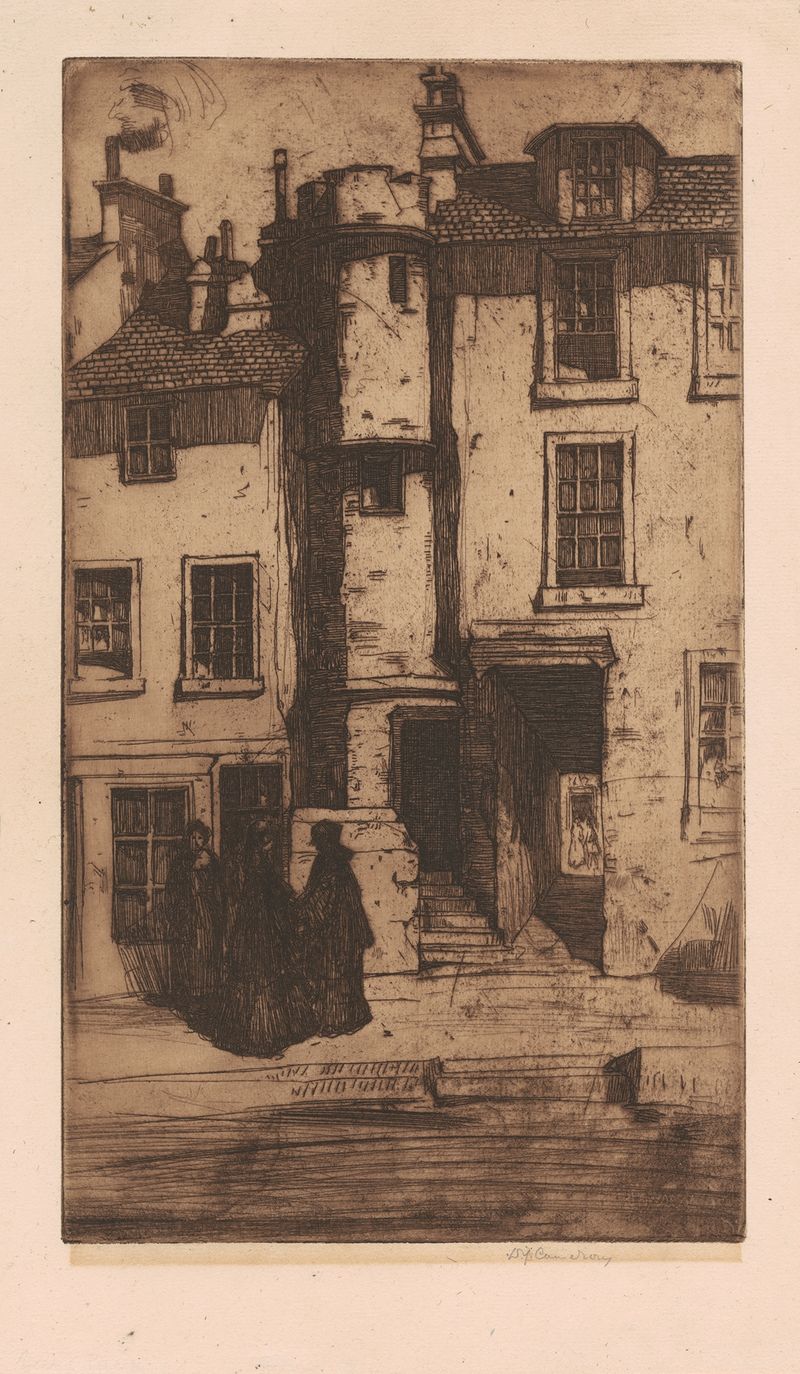
Old Houses, Stirling
David Young Cameron
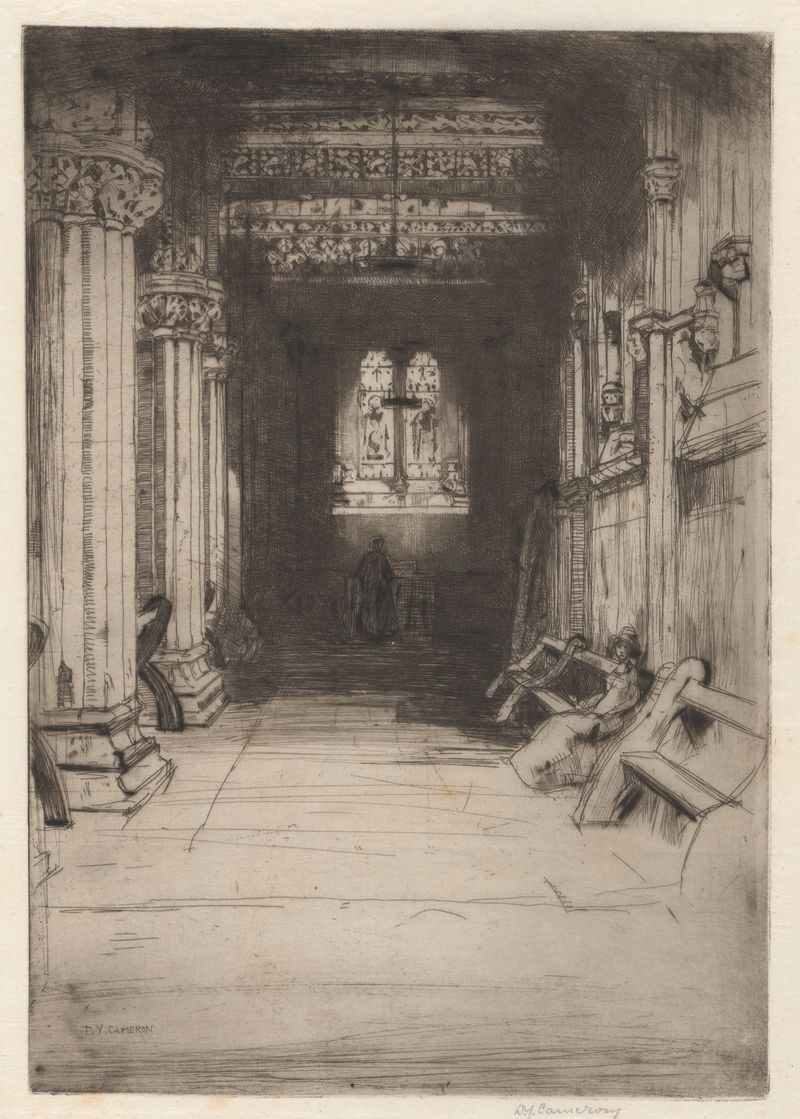
Rosslyn Chapel
David Young Cameron

The Old Museum, Beauvais
David Young Cameron
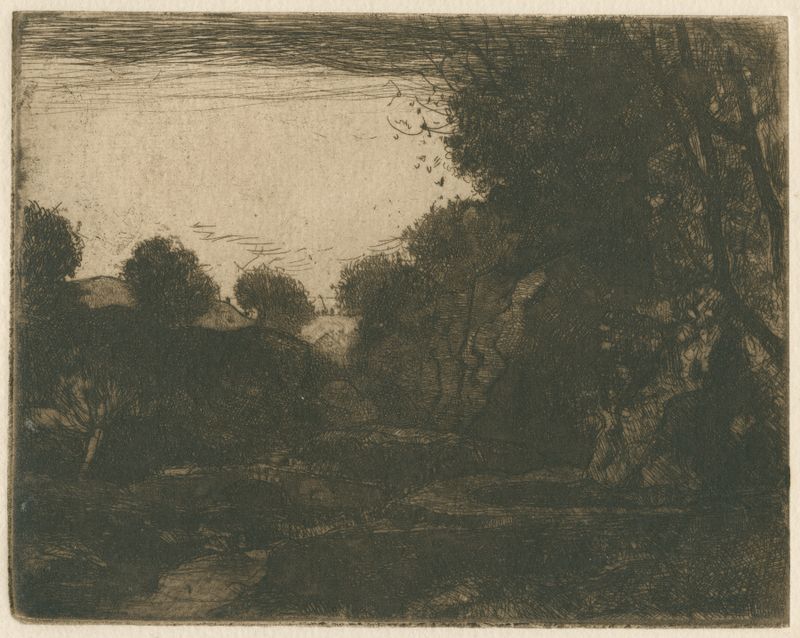
On the Bradford
David Young Cameron

The Smithy
David Young Cameron
Castle Moyle
David Young Cameron
Downing Street
David Young Cameron

Glasgow Cathedral
David Young Cameron





