
Kinder am Isarhochufer mit Blick auf Burg Grünwald — History & Facts
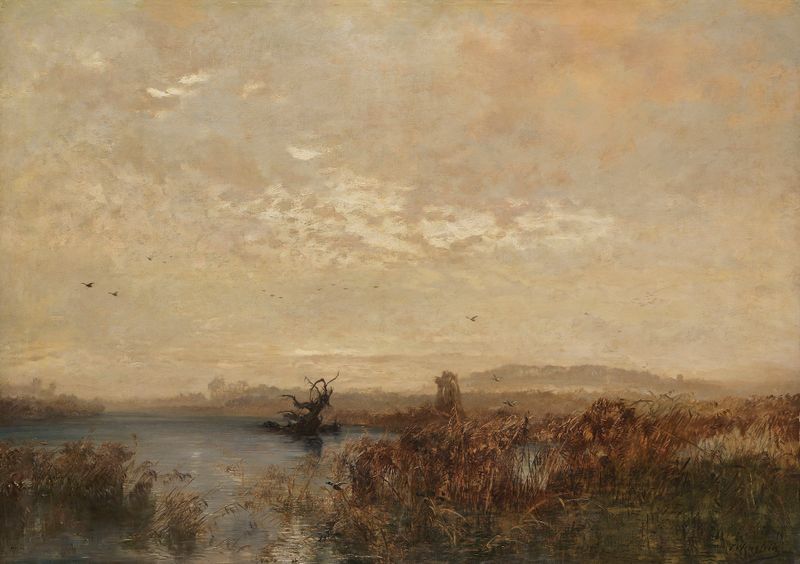
In a world where time swells and contracts, each fleeting moment carries with it the weight of untold stories and ungrasped memories. Focus on the serene banks of the Isar River, where the gentle brushstrokes of lush greens and soft blues beckon your eye. Notice how the warm sunlight bathes the scene, illuminating the children at play, their laughter almost palpable through the canvas. The curved lines of the river and the distant silhouette of Burg Grünwald frame the composition, creating a sense of harmony and balance amidst the vibrancy of life. Yet, beneath the joy of play lies an undercurrent of nostalgia.
The children, unaware of their fleeting youth, symbolize innocence poised on the edge of time. The castle in the background, stoic and timeless, serves as a reminder of history’s permanence against the transient joys of childhood. Here, a delicate tension exists between the lively present and the inevitable passage of time, urging us to cherish each moment. In 1890, Josef Wenglein painted this evocative scene while living in Munich, at a time when the art world was embracing impressionistic techniques.
The late 19th century was a period of artistic innovation, where the interplay of light and color began to take precedence over strict representation. Wenglein’s work reflects both personal and societal shifts, capturing a moment that resonates with the warmth of nostalgia and the bittersweet nature of time.
More Artworks by Josef Wenglein
Browse all →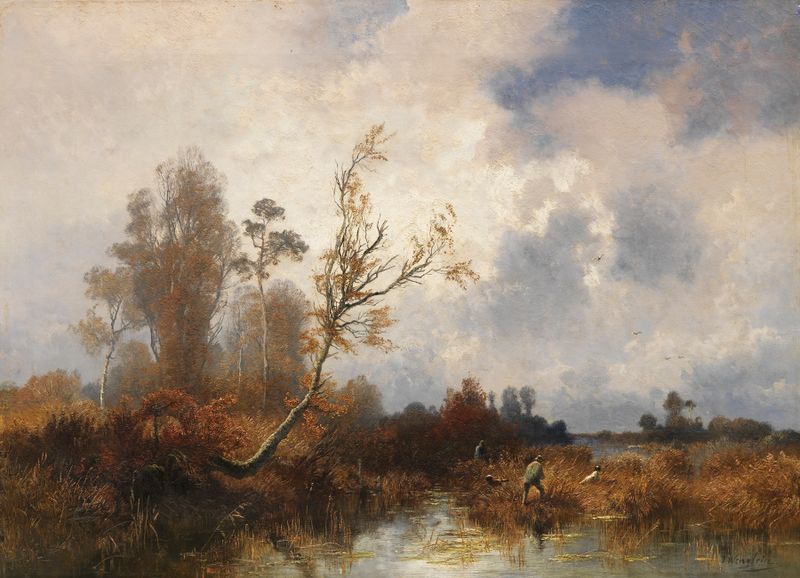
Herbstliche Landschaft mit Jägern im Dachauer Moos
Josef Wenglein
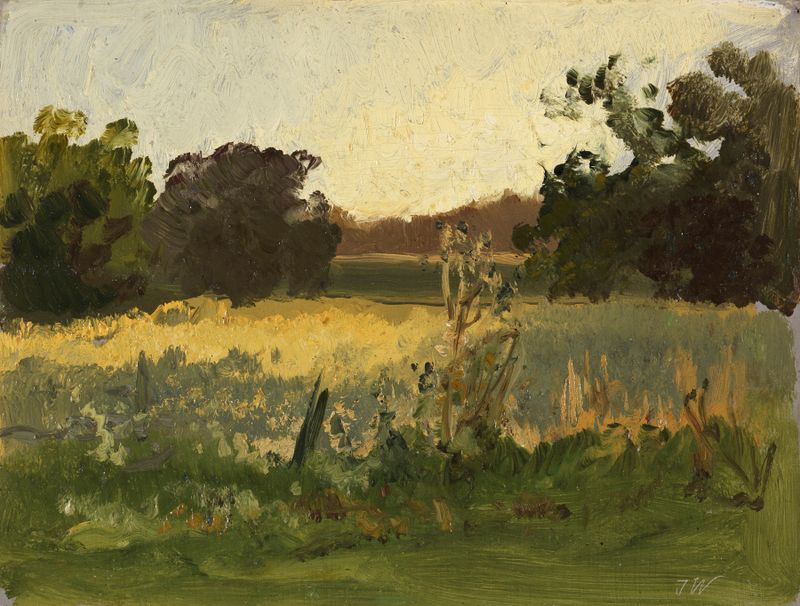
Am Simssee
Josef Wenglein
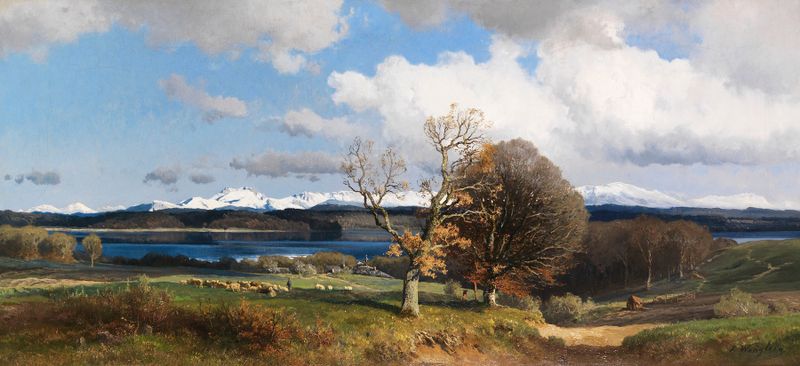
Blick auf den Simssee im Frühling
Josef Wenglein
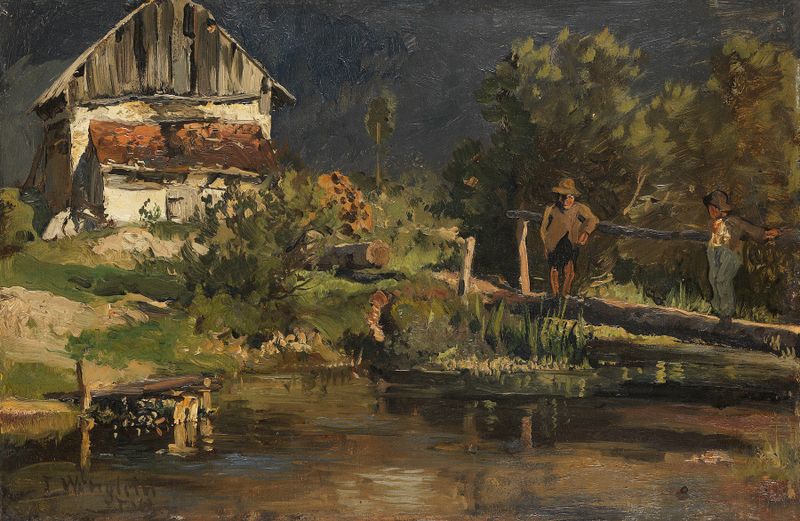
Am Weiher mit Kalkofen
Josef Wenglein
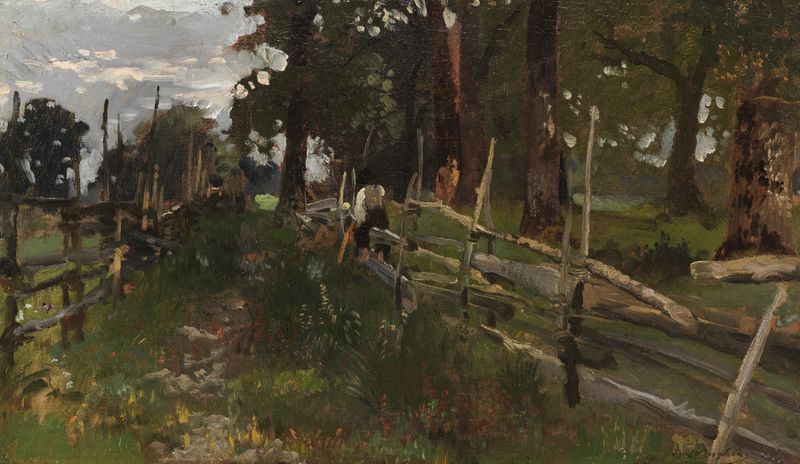
Bauernbub, am Gatter sitzend
Josef Wenglein
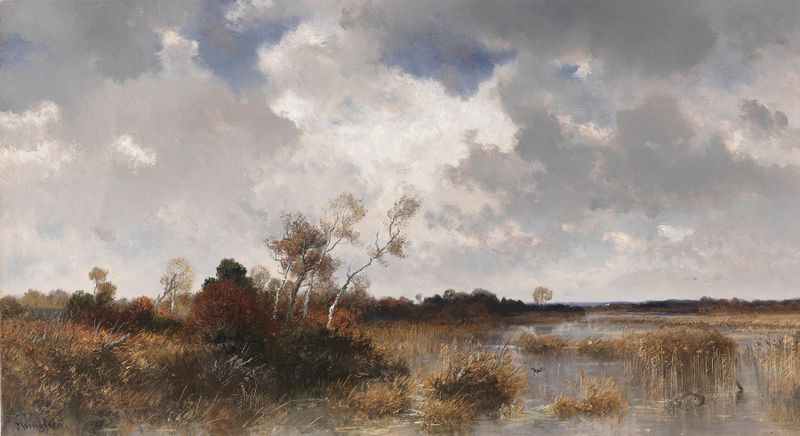
Mooslandschaft im Herbst
Josef Wenglein
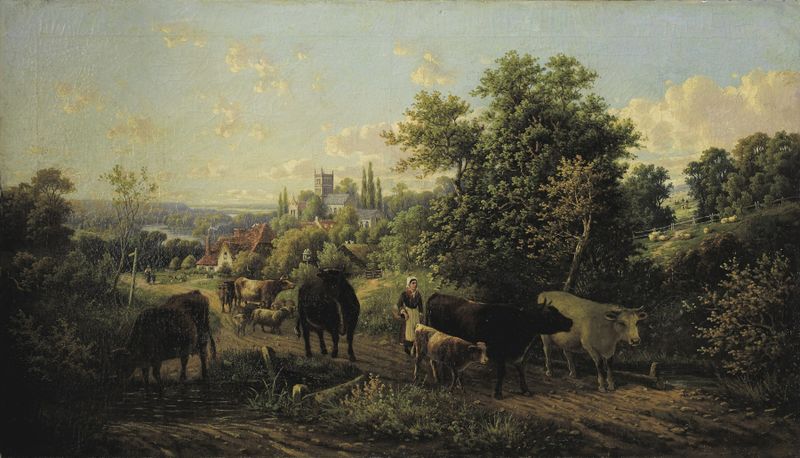
Landscape with Cattle
Josef Wenglein
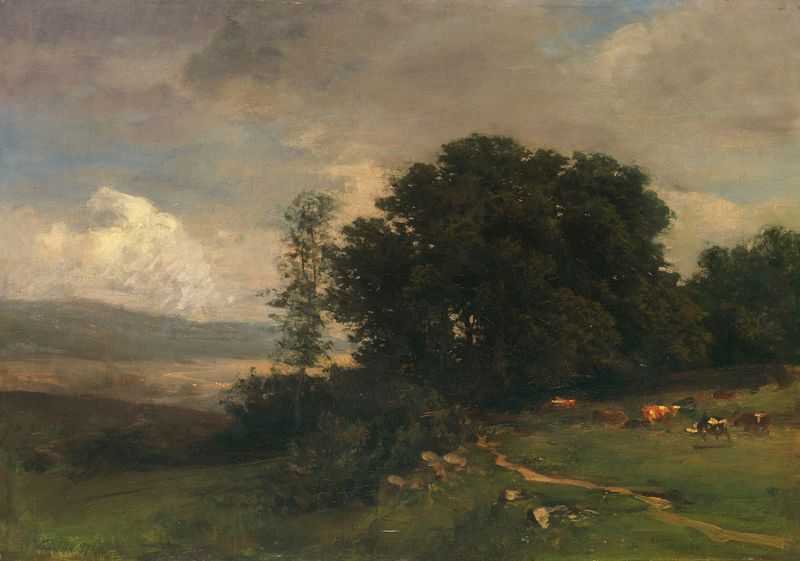
Blick von Buchberg auf Bad Tölz
Josef Wenglein
Im Ampermoos
Josef Wenglein





