
Kirche von Lyngby — History & Facts
What secret hides in the quiet of the canvas? In the stillness of Kirche von Lyngby, a sense of innocence lingers, inviting us to delve deeper into its serene embrace. Look to the left where the ancient church stands, its weathered spire piercing the cool, muted sky. The soft, diffused light bathes the scene in gentle shadows, revealing the delicate contours of the landscape. Notice how the colors harmonize—a palette of earthy greens and browns juxtaposed with the tranquil blues above, creating a sense of peaceful solitude.
The brushwork, subtle yet deliberate, invites the observer to feel the texture of time itself. Beneath this tranquil exterior lies a poignant contrast between nature and human existence. The church, a symbol of faith and community, is dwarfed by the expansive landscape, reminding us of our fleeting presence in the world. The empty path leading to the church suggests a journey not taken, while the surrounding trees stand vigilant, guardians of the past and witnesses to the passage of time.
Each element whispers stories of innocence lost and found, evoking a profound sense of nostalgia. In 1795, at a time when Romanticism was beginning to shape artistic expression, the painter found himself in a reflective phase, grappling with the interplay of nature and spirituality. Friedrich, deeply influenced by his personal experiences and the tumultuous socio-political climate of Europe, sought to capture the sublime beauty of the natural world. Kirche von Lyngby emerged from this introspective period, mirroring the artist's own quest for meaning amidst the evolving landscapes of both art and life.
More Artworks by Caspar David Friedrich
Browse all →
Wanderer above the Sea of Fog
Caspar David Friedrich
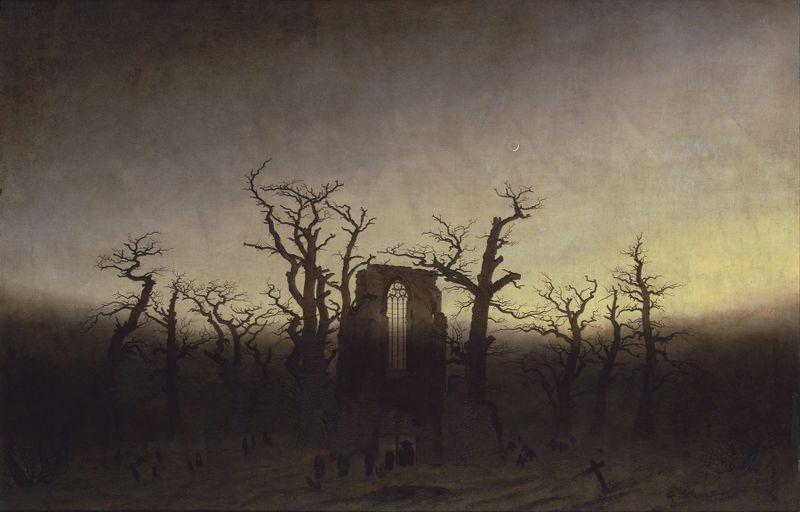
The Abbey in the Oakwood
Caspar David Friedrich
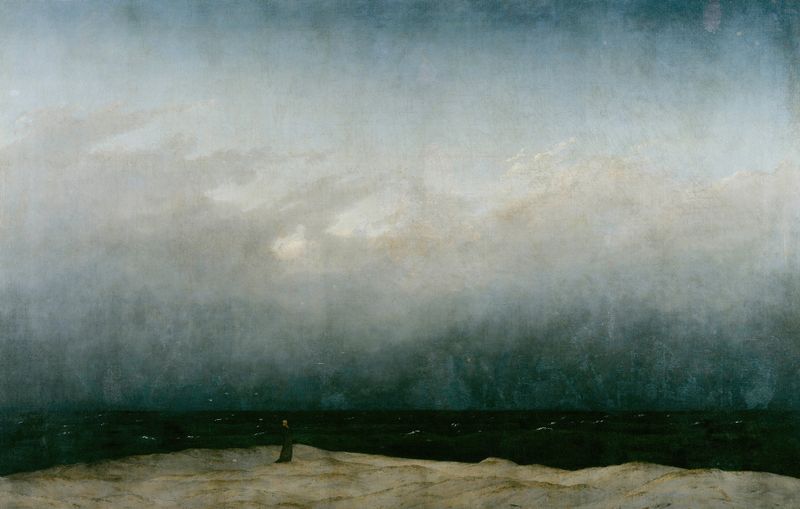
The Monk by the Sea
Caspar David Friedrich
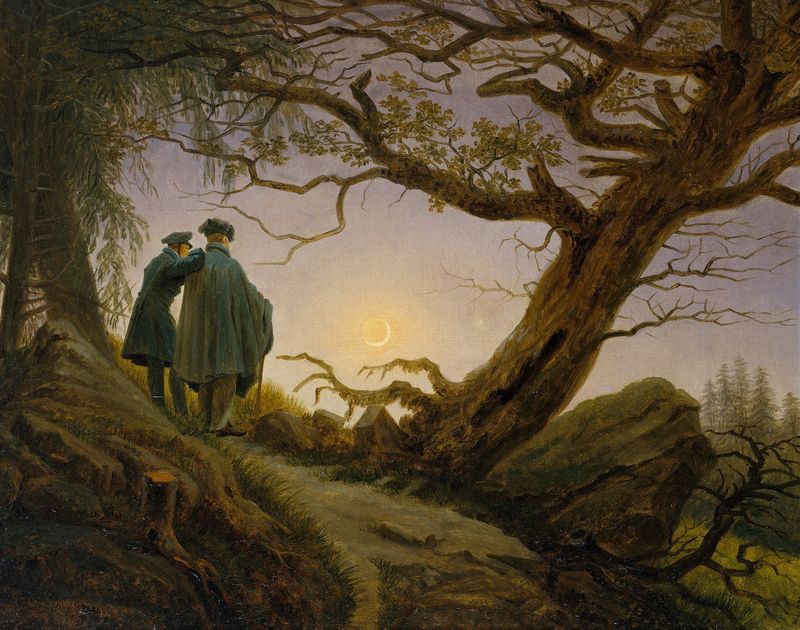
Two Men Contemplating the Moon
Caspar David Friedrich
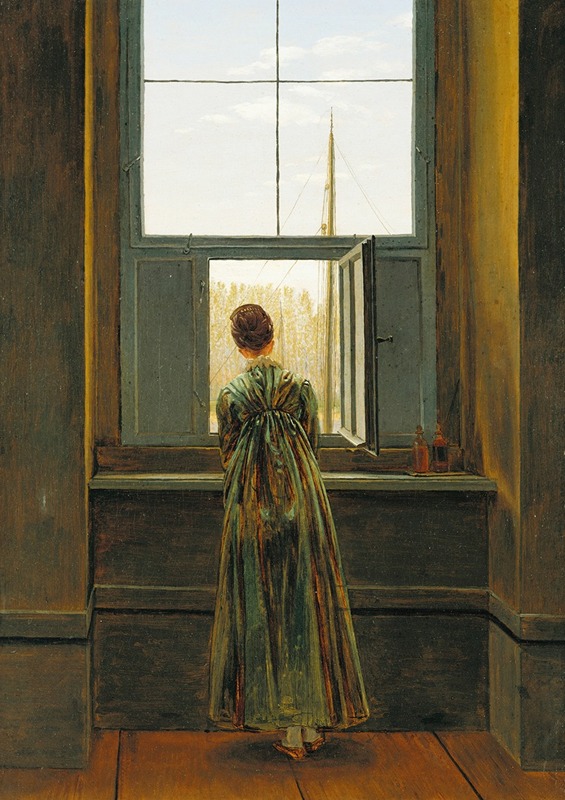
Woman at a Window
Caspar David Friedrich
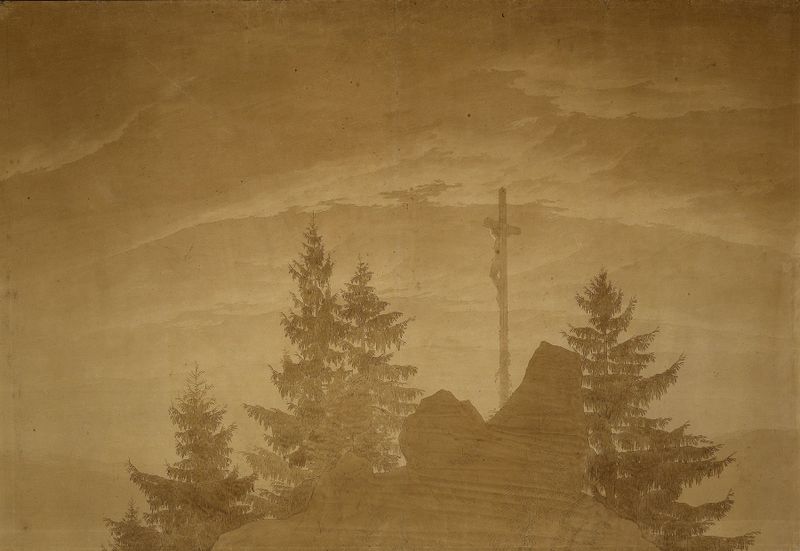
Cross in the Mountains
Caspar David Friedrich
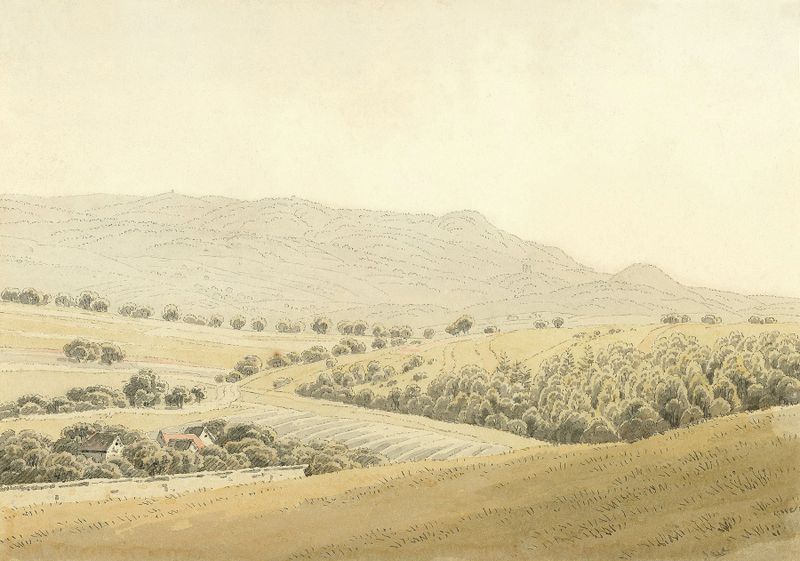
Mittelgebirgslandschaft
Caspar David Friedrich
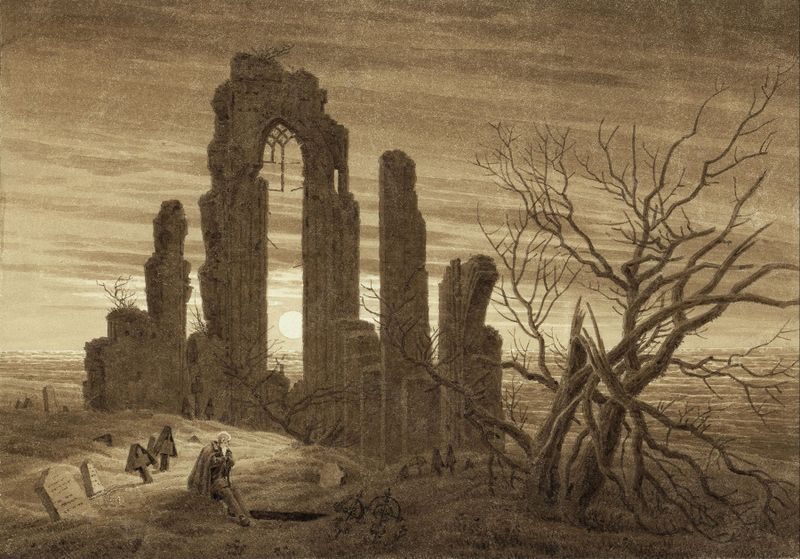
Winter – Night – Old Age and Death (from the times of day and ages of man cycle of 1803)
Caspar David Friedrich
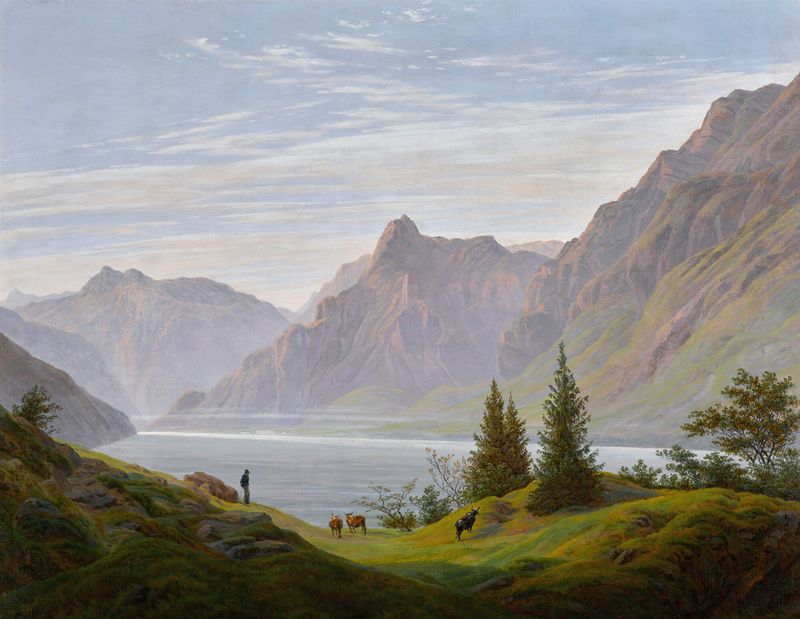
Landschaft mit gebirgsee, morgen
Caspar David Friedrich
Northern Sea in the Moonlight
Caspar David Friedrich





