
Kirchhofpforte — History & Facts
Who listens when art speaks of silence? In Kirchhofpforte, the tension of betrayal lingers in the stillness, inviting us to reflect on the unspoken narratives that dwell within the frame. Look to the left, where the weathered stones of a churchyard gate emerge from a misty, ethereal haze. The muted palette of grays and browns envelops the scene, while soft light filters through the clouds, illuminating the gate's intricate details, invoking a sense of reverence. Notice how the skeletal trees encroach upon the boundary, their twisted branches reaching with a haunting elegance, contrasting against the resolute structure.
This interplay of light and shadow hints at the fragility of life and the proximity of death. Beneath its tranquil surface, Kirchhofpforte conveys a deeper narrative of loss and abandonment. The gate stands as a metaphor for thresholds—between life and death, memory and oblivion. The absence of human figures amplifies this sense of solitude, suggesting a betrayal not only of expectation but of the very human connections that define existence.
Each element resonates with the idea of isolation, as if the setting itself mourns the departed souls. In 1822, Friedrich painted this work during a period marked by personal grief and the broader currents of Romanticism in art. Living in Germany, he was grappling with the loss of loved ones while also exploring the themes of nature and the sublime. This was a time when artists began to delve deeply into the emotional landscape of human experience, positioning the melancholic yet beautiful elements of our existence at the forefront of their art.
More Artworks by Caspar David Friedrich
Browse all →
Wanderer above the Sea of Fog
Caspar David Friedrich
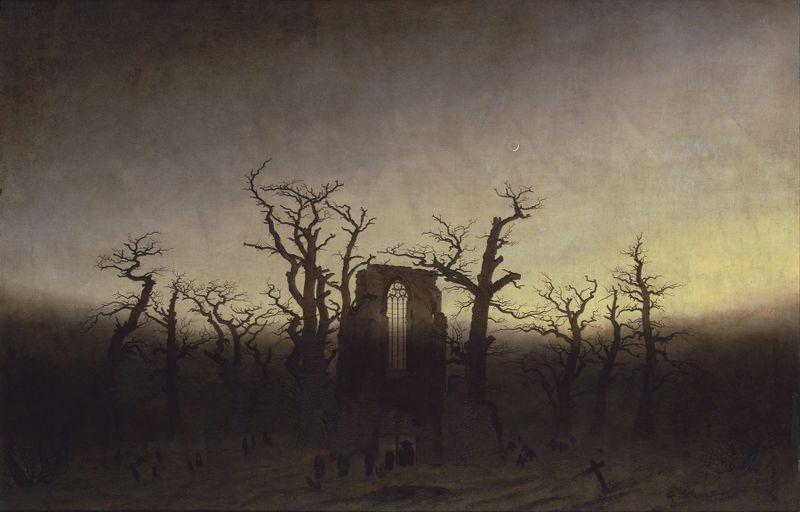
The Abbey in the Oakwood
Caspar David Friedrich
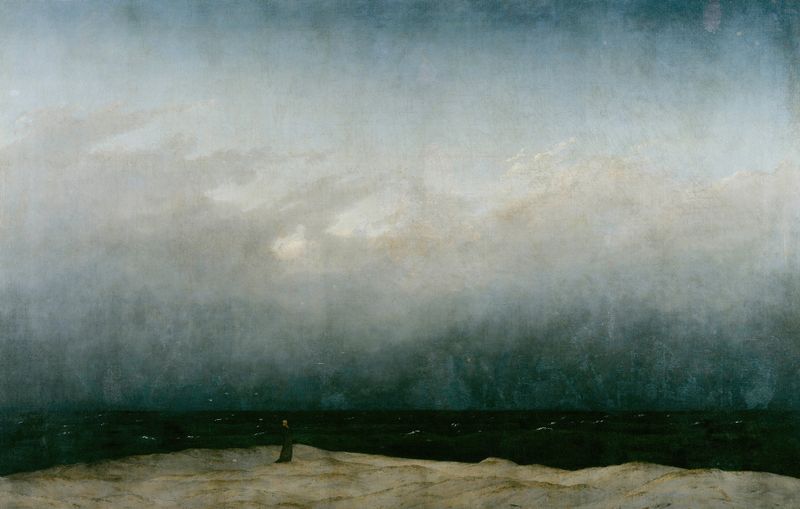
The Monk by the Sea
Caspar David Friedrich
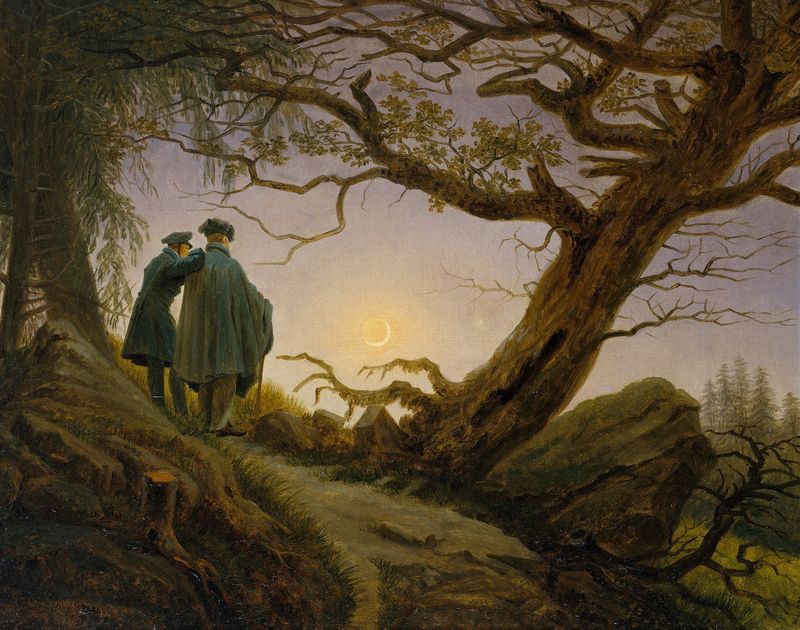
Two Men Contemplating the Moon
Caspar David Friedrich
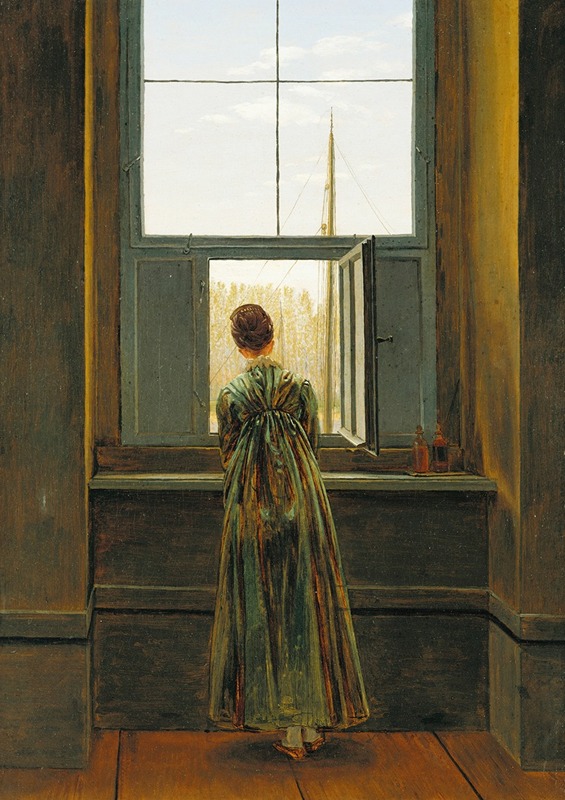
Woman at a Window
Caspar David Friedrich
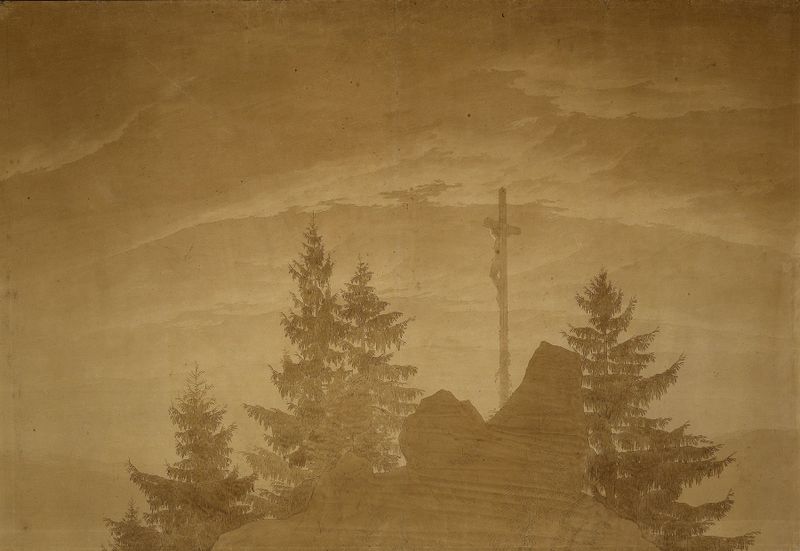
Cross in the Mountains
Caspar David Friedrich
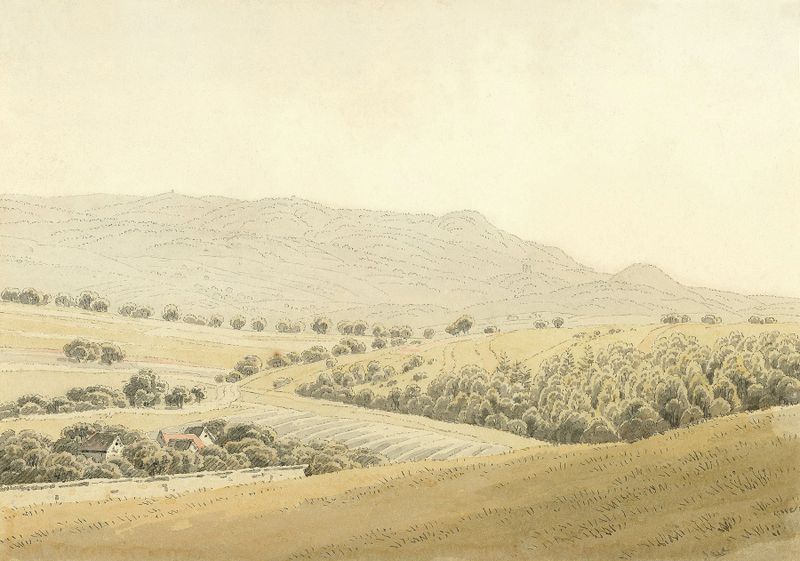
Mittelgebirgslandschaft
Caspar David Friedrich
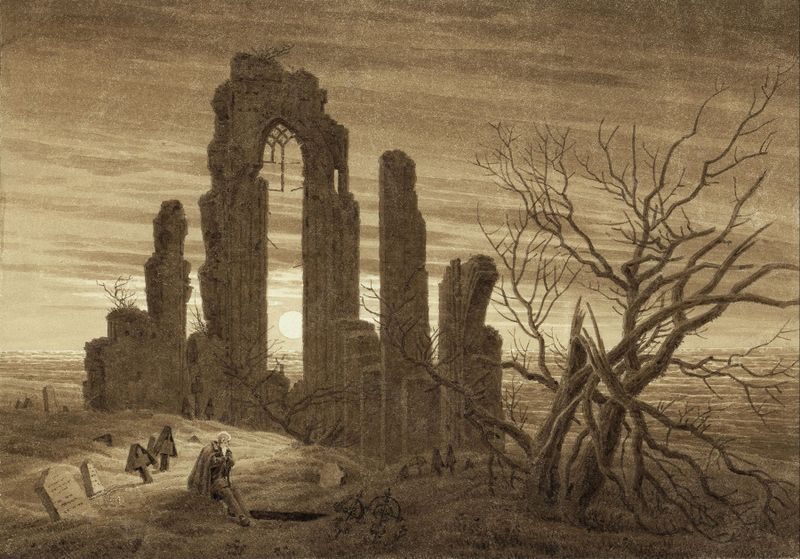
Winter – Night – Old Age and Death (from the times of day and ages of man cycle of 1803)
Caspar David Friedrich
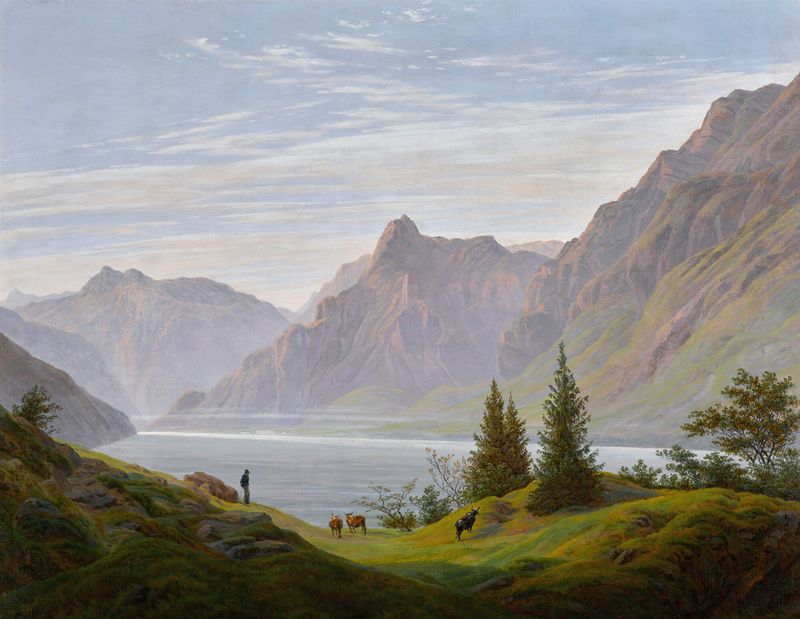
Landschaft mit gebirgsee, morgen
Caspar David Friedrich
Northern Sea in the Moonlight
Caspar David Friedrich





