Kirkstall Abbey, Yorkshire — History & Facts
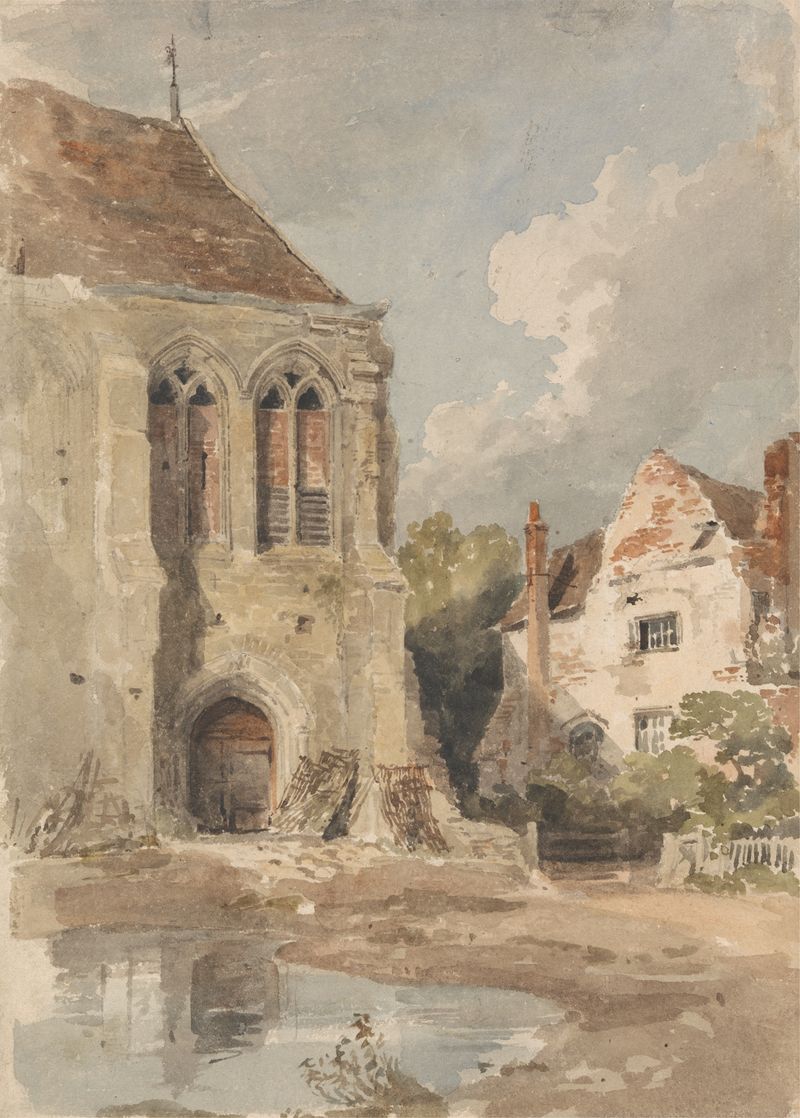
In the stillness of a moment, it encapsulates the longing tucked within the heart, yearning for a story to unfold. Each brushstroke echoes an unsung narrative, whispering of histories both lost and found, inviting the viewer to delve deeper into its essence. Focus on the soft interplay of light and shadow that bathes the ruins in a ghostly glow. The crumbling stone of Kirkstall Abbey stands resilient against the passage of time, its arches reaching toward an uncertain sky.
Notice how Long captures the delicate hues of green and blue, evoking the encroaching nature that embraces the remnants of human endeavor. The composition draws the eye into the labyrinth of these ancient walls, where every corner seems to hint at secrets of the past. As you explore the intricacies of the painting, consider the contrasts it embodies: the juxtaposition of nature and architecture, decay and beauty. Each vine creeping through the stone speaks of life reclaiming its territory, suggesting a yearning to bridge the gap between the temporal and the eternal.
The atmosphere hangs heavy with nostalgia, urging us to reflect on our own ties to history and the fleeting nature of existence. Painted during a time when the Romantic movement was influencing many artists, Long’s work encapsulates a sense of reverence for nature and antiquity. Although the exact date of creation remains uncertain, her engagement with themes of ruin and restoration aligns with the broader artistic conversations of her time, where the merging of landscape and architecture served as a poignant reminder of both human fragility and resilience.