St. Paul’s and Blackfriars Bridge — History & Facts
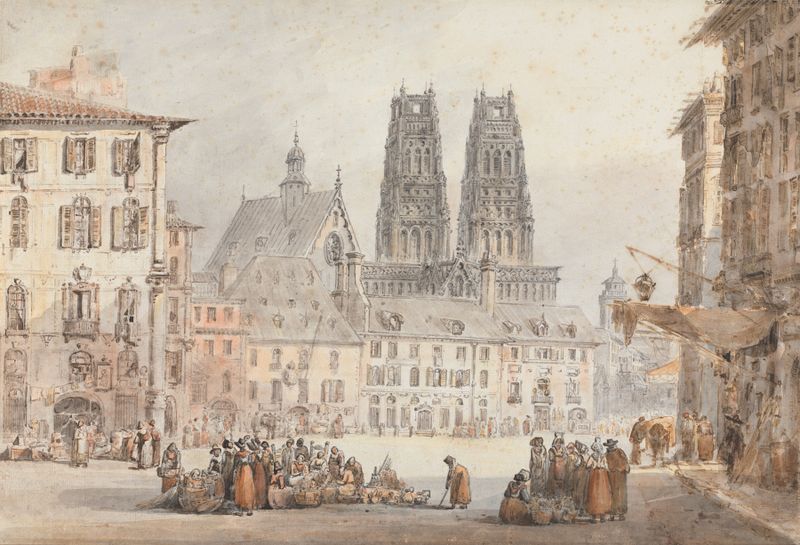
Is this a mirror — or a memory? In St. Paul’s and Blackfriars Bridge, a shimmering reflection invites contemplation of duality and permanence, capturing both the physical and the ephemeral in one serene frame. Focus first on the gentle sweep of the river, where the water forms a silken surface, perfectly mirroring the towering cathedral and the bridge above. Notice how the warm tones of the sunset filter through the clouds, bathing the scene in golden hues that dance against the cool blues of the water.
The composition draws the eye from the dynamic lines of the bridge to the majestic dome of St. Paul’s, creating a harmonious balance between man-made structure and the natural world. Delve deeper, and the contrast becomes striking: the solidity of stone and steel stands against the fluidity of the river, evoking a sense of transience. There’s a whisper of nostalgia in the way the light plays upon the water, suggesting the passage of time and the layers of history contained within the scene.
Each ripple might represent a moment lost yet reflected, merging past and present into a single, contemplative instant. Amelia Long painted this work during a time when the art world was evolving, exploring themes of modernity and urbanity in the late 19th and early 20th centuries. Working in London, she was part of a generation that sought to capture the changing landscape of the city, influenced by the rapid industrialization and the shifting relationship between nature and urban life.