Rouen — History & Facts
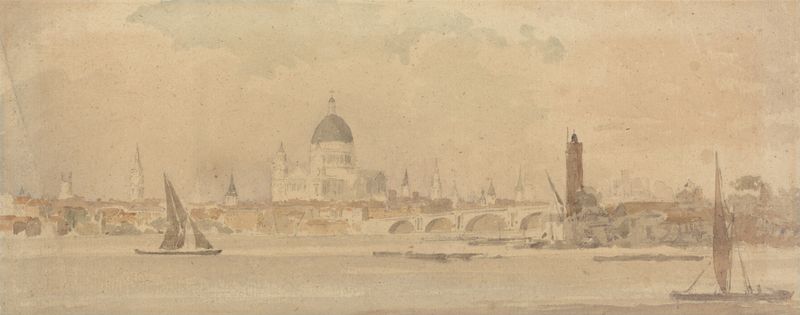
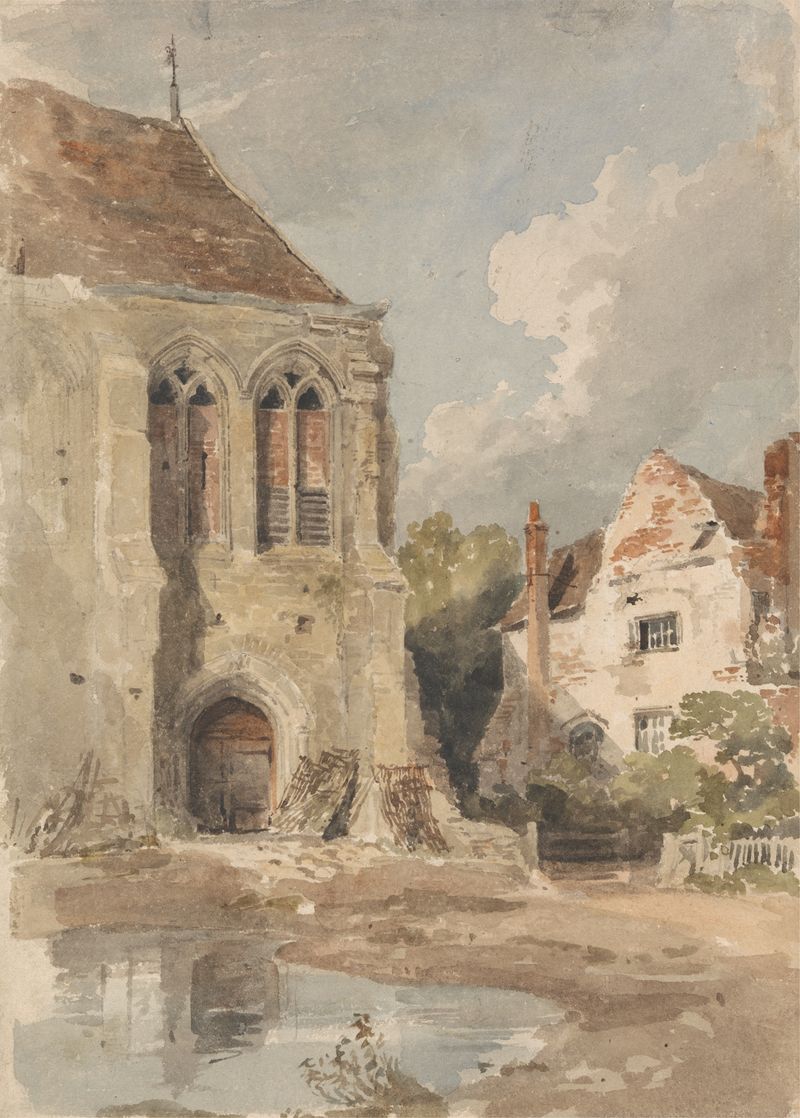
Did the painter know this moment would outlive them? In a world where time slips through our fingers like grains of sand, capturing the essence of a fleeting scene becomes a profound act of defiance against mortality. Focus on the gentle interplay of light and shadow in the foreground, where a series of delicate brushstrokes evoke the vibrant life of Rouen's streets. The warm hues of the setting sun cast a golden glow on the cobblestones, drawing your eye to the figures that meander through the scene. Notice how the spires of the cathedral rise majestically in the background, their intricate details contrasting sharply with the more spontaneous strokes applied to the lively crowd.
This clever use of focus guides the viewer's gaze from the bustling life below to the serene, almost sacred presence of the architecture above. Yet, within this idyllic tableau lies a subtle tension. The figures, engrossed in their evening routines, reflect a contrast between the vibrancy of life and the looming stillness of the great cathedral, an unyielding monument to time. Each individual, though animated in their pursuits, seems unknowingly tethered to the eternal, evoking a sense of simultaneous presence and isolation.
This duality invites contemplation on the transience of life and the permanence of art, as the painter captures a moment that feels both intimate and vast. In 1819, Amelia Long painted this piece during a time of artistic exploration and innovation in Europe. Living in Paris, she was influenced by the burgeoning Romantic movement that sought to celebrate individualism and emotion within art. As the world shifted and advanced, her work stood as a testament to the spirit of a time where artists sought to immortalize the beauty of the everyday, finding transcendence amid the ordinary.