
Knotwilgen in een weiland — History & Facts
In Knotwilgen in een weiland, the viewer is transported to a landscape where nature’s wildness is tamed into a harmonious composition. Look to the foreground where the gnarled, twisted willows rise majestically against a backdrop of earthy fields. The painter’s deft brushwork captures the texture of the bark, each stroke weaving together a tapestry of greens and browns that breathe life into the scene. Notice how the light dances over the foliage, creating a play of shadow and illumination that draws your eye further into the canvas, inviting you to explore the depth of the landscape. The painting speaks to the illusion of serenity found within nature's chaos.
The willows, though seemingly unruly, stand steadfast, embodying resilience against the winds of change. The interplay of light and shadow suggests fleeting moments—the ephemeral quality of time, evoking a sense of both tranquility and the inevitable march of nature's cycles. This contrast reflects the artist's commentary on the relationship between humanity and the wild, where beauty and disorder coexist in delicate balance. In 1895, Pieter Dupont painted Knotwilgen in een weiland while residing in the Netherlands, a period marked by a growing interest in the natural world and Impressionist techniques.
During this time, he sought to capture the essence of his surroundings, focusing on the play of light and the interplay of color. His work emerged amidst a rich cultural landscape, as artists began to break away from traditional forms to explore new expressions in landscape painting.
More Artworks by Pieter Dupont
Browse all →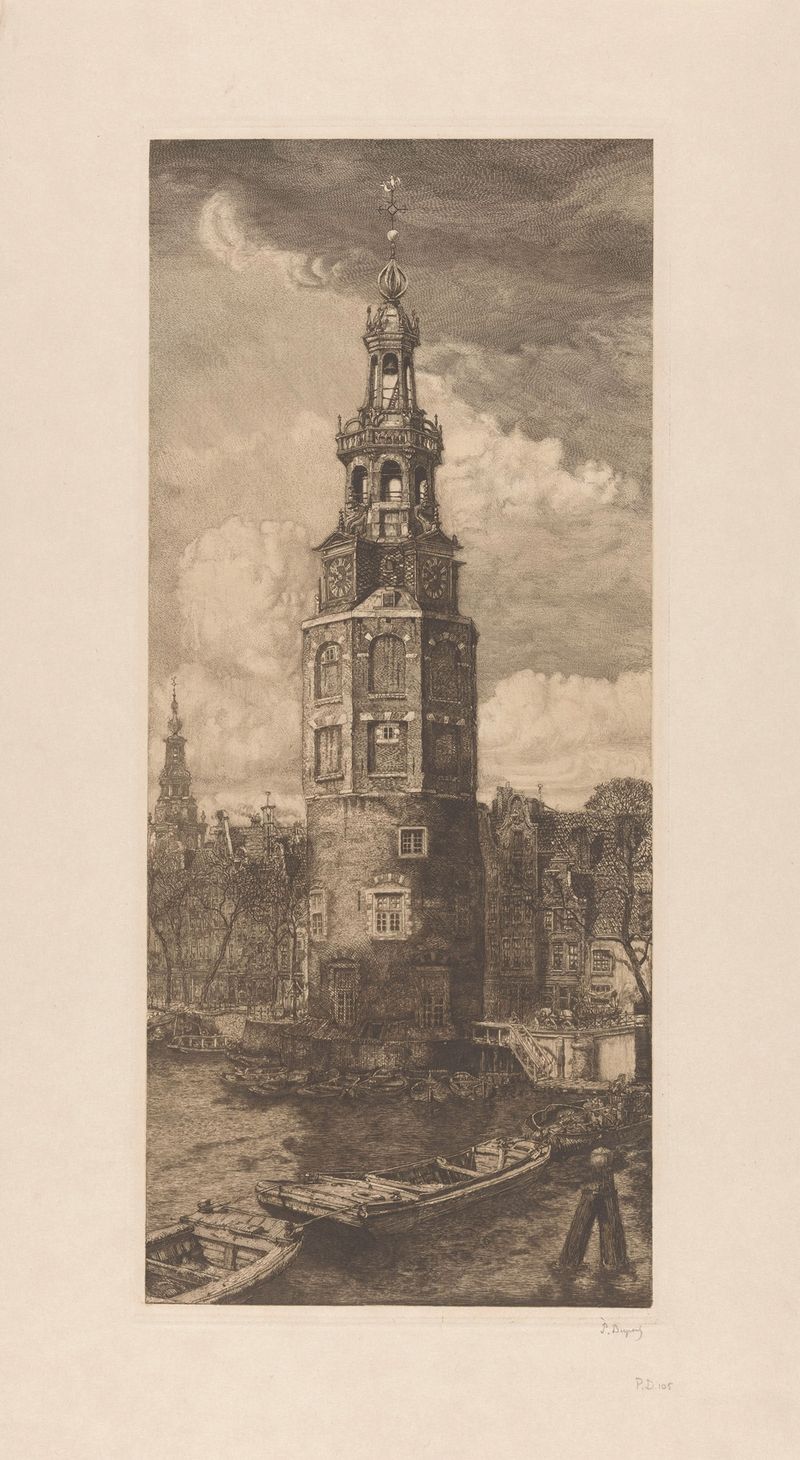
Montelbaanstoren aan de Oudeschans in Amsterdam
Pieter Dupont
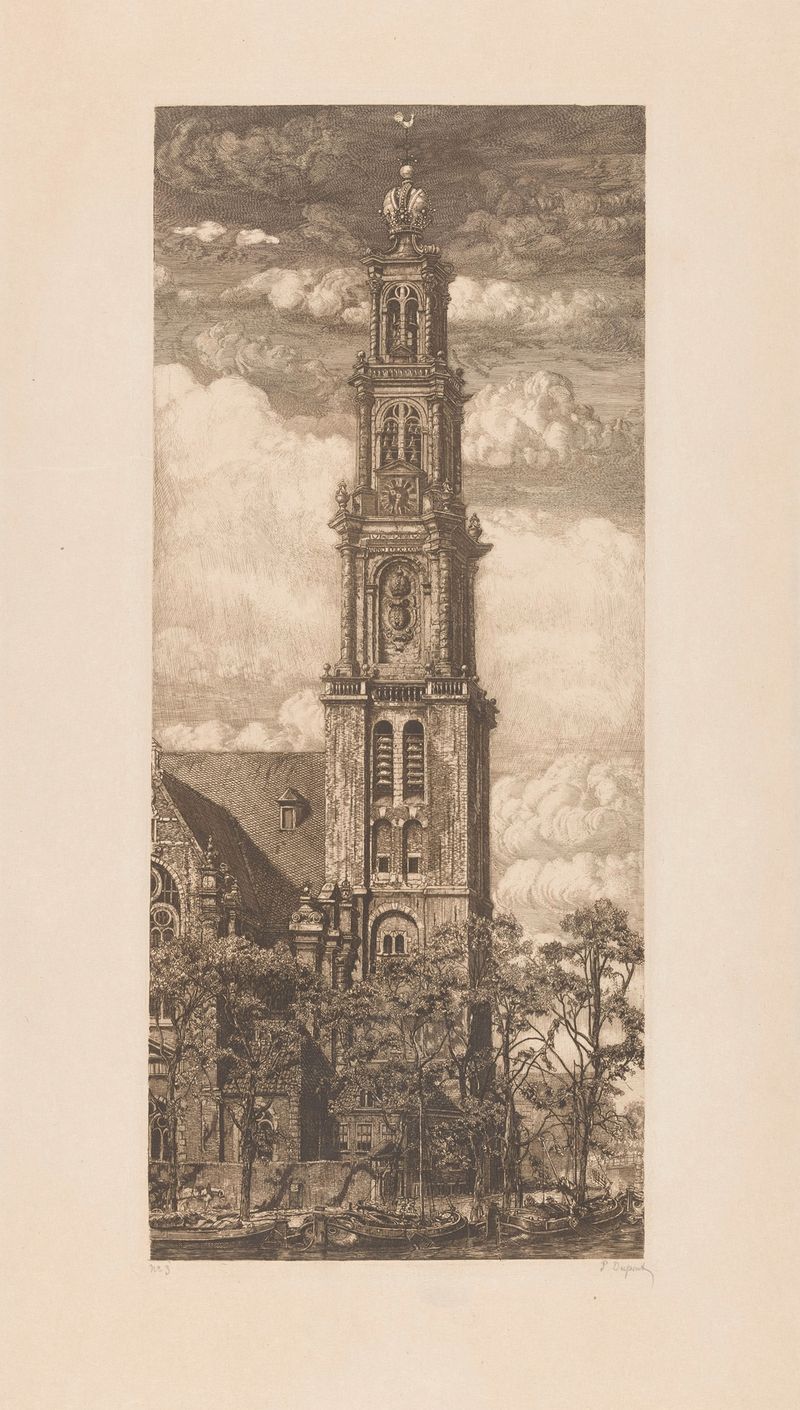
Westertoren in Amsterdam
Pieter Dupont
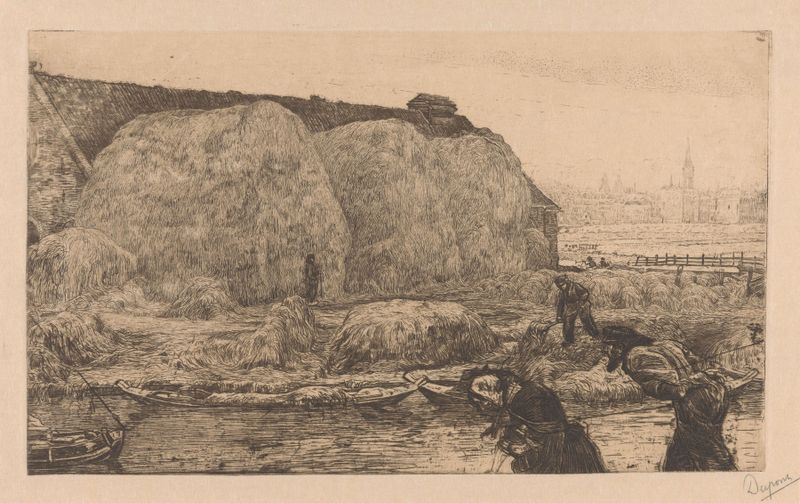
Boerderij met hooischelven aan het Jaagpad in Amsterdam
Pieter Dupont
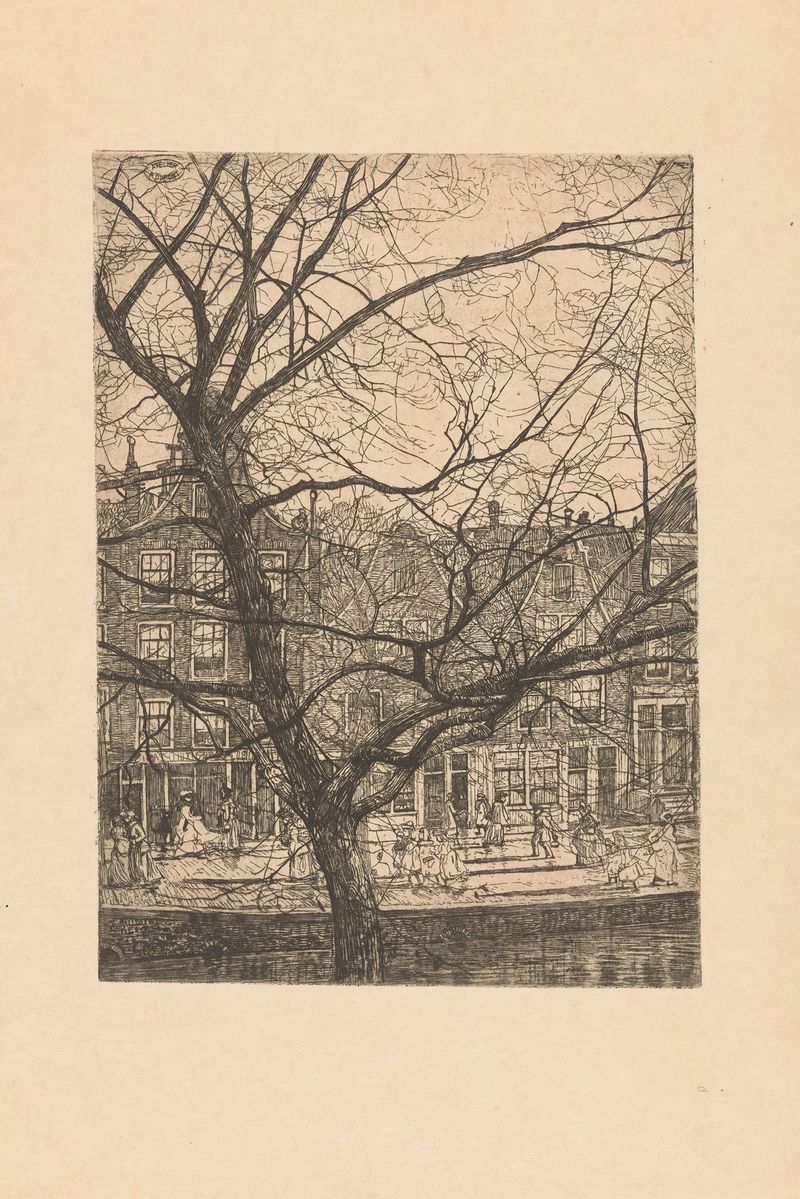
Grachtenhuizen met halsgevels in Amsterdam
Pieter Dupont
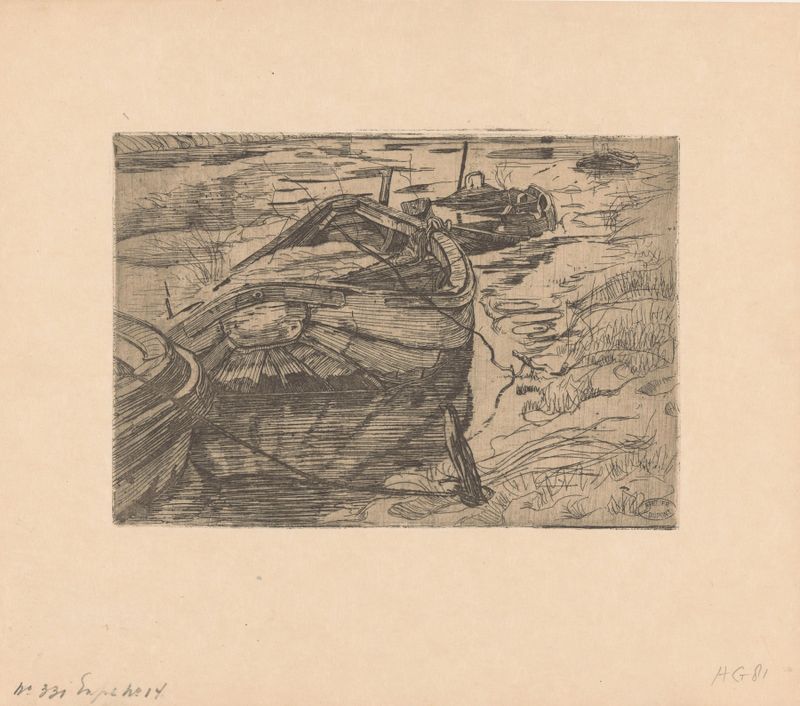
Afgemeerde roeiboten in een sloot
Pieter Dupont
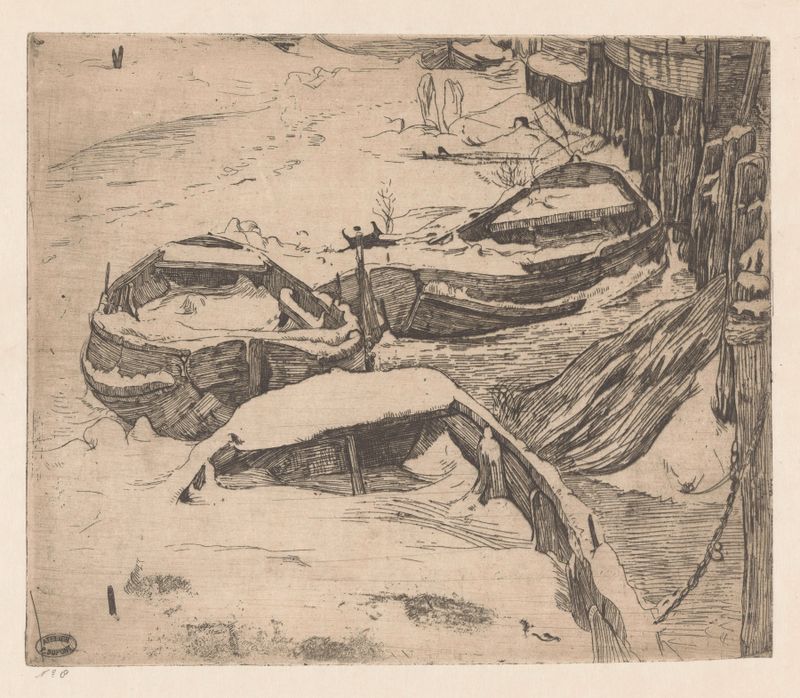
Drie besneeuwde roeiboten bij een wal
Pieter Dupont
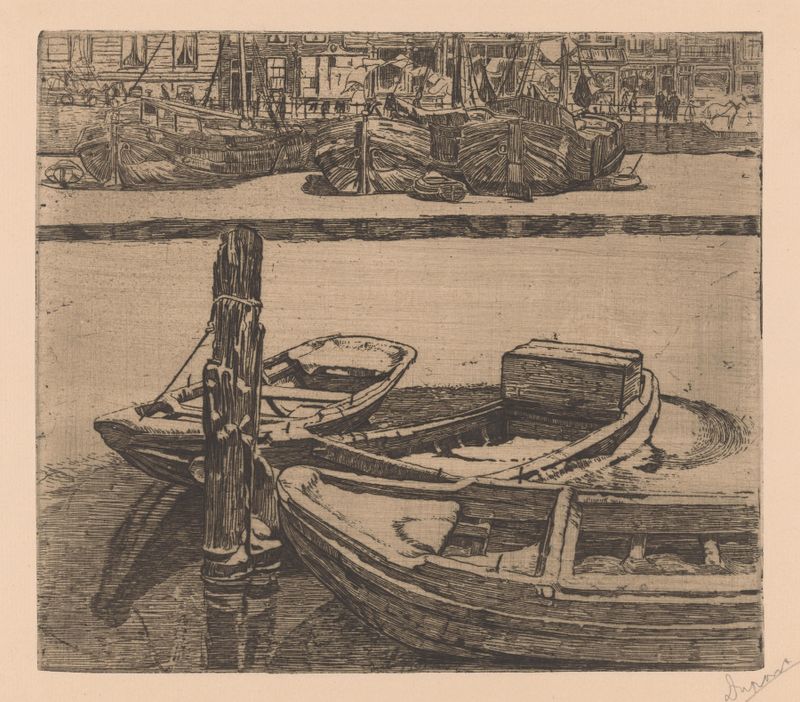
Schepen in het Damrak in Amsterdam
Pieter Dupont
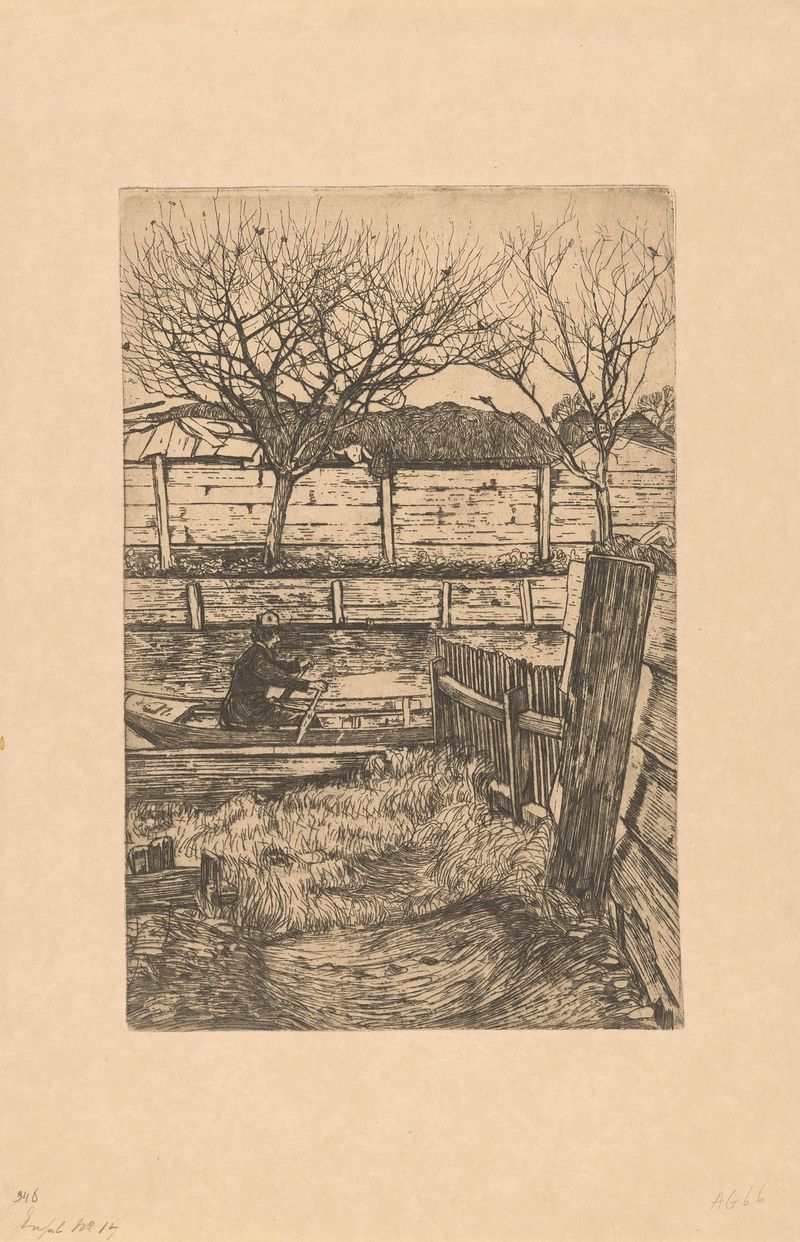
Man in een roeiboot, waarschijnlijk bij de Slatuinen in Amsterdam
Pieter Dupont
Magere Brug in Amsterdam
Pieter Dupont
Heuvelachtig landschap met korenvelden
Pieter Dupont





