
Koning Arthur met ridder en Keizer Karel de Grote met priester — History & Facts
Could beauty survive in a century of chaos? This question echoes amidst the rich layers of historical resonance found in the artwork before us. Look to the center of the canvas, where the regal figures of King Arthur and Emperor Charlemagne converge, their postures commanding yet contemplative. The artist’s intricate detailing draws our gaze first to the opulence of their garments, adorned with gold and deep, royal hues. Notice how the light dances across their faces, highlighting the wisdom in their expressions, while the subtle interplay of shadow adds depth to the scene, creating an almost three-dimensional presence.
Surrounding them, the accompanying priest serves as a bridge between the sacred and the secular, his robes a stark contrast to the warriors’ armor. Delve deeper and you will uncover the emotional tensions at play. The serene countenance of the priest juxtaposed with the bold stances of the two leaders suggests a conversation between faith and power, embodying the dichotomy of peace and conflict in a turbulent era. Each figure represents not just a historical character, but an archetype of duty, legacy, and memory, inviting the viewer to reflect on what it means to be a guardian of culture amid strife.
The painting’s composition, with its carefully arranged elements, speaks to a quest for unity in diversity, urging us to consider the ties that bind history. This artwork originates from a time of great change, painted between 1500 and 1549, likely amidst the cultural shifts of the Northern Renaissance. The artist remains unknown, perhaps a reflection of the collaborative spirit of the period, when individual genius often merged with collective tradition. It was a time of questioning, where the ideals of honor, faith, and the burdens of leadership resonated deeply in the world of art and society alike.
More Artworks by Unknown Artist
Browse all →
Ridder, Dood en Duivel
Unknown Artist
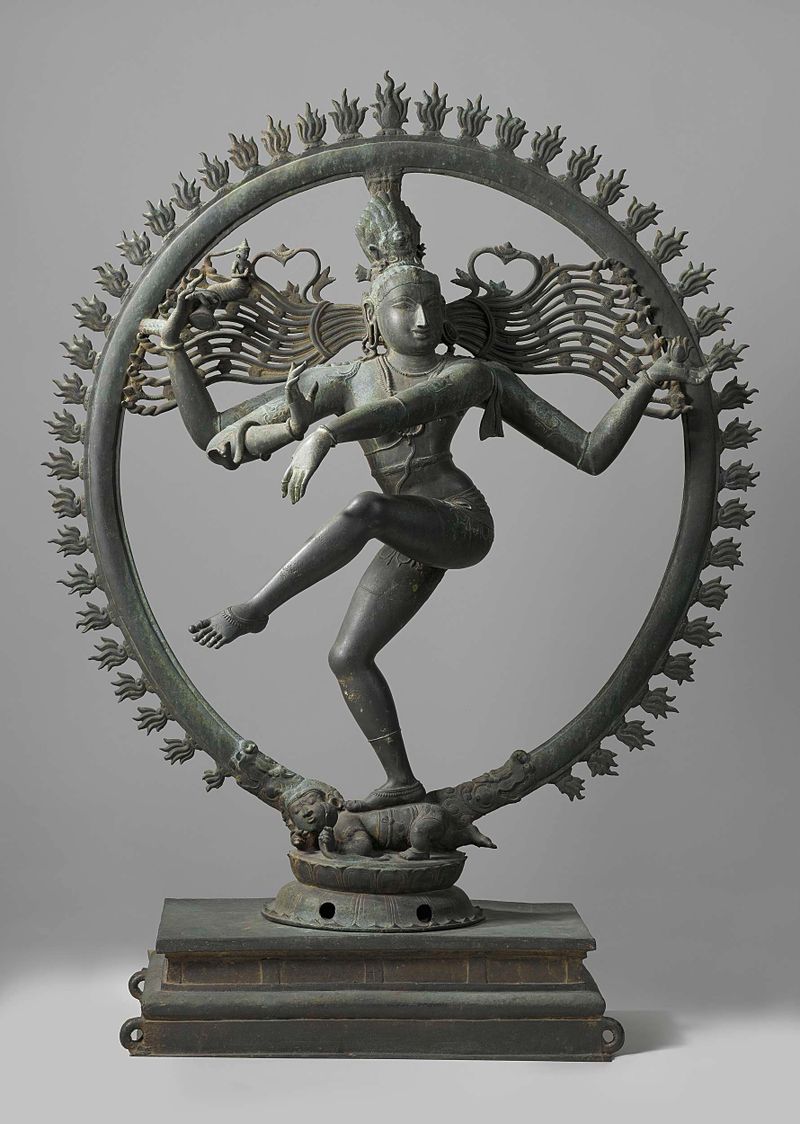
Shiva Nataraja
Unknown Artist
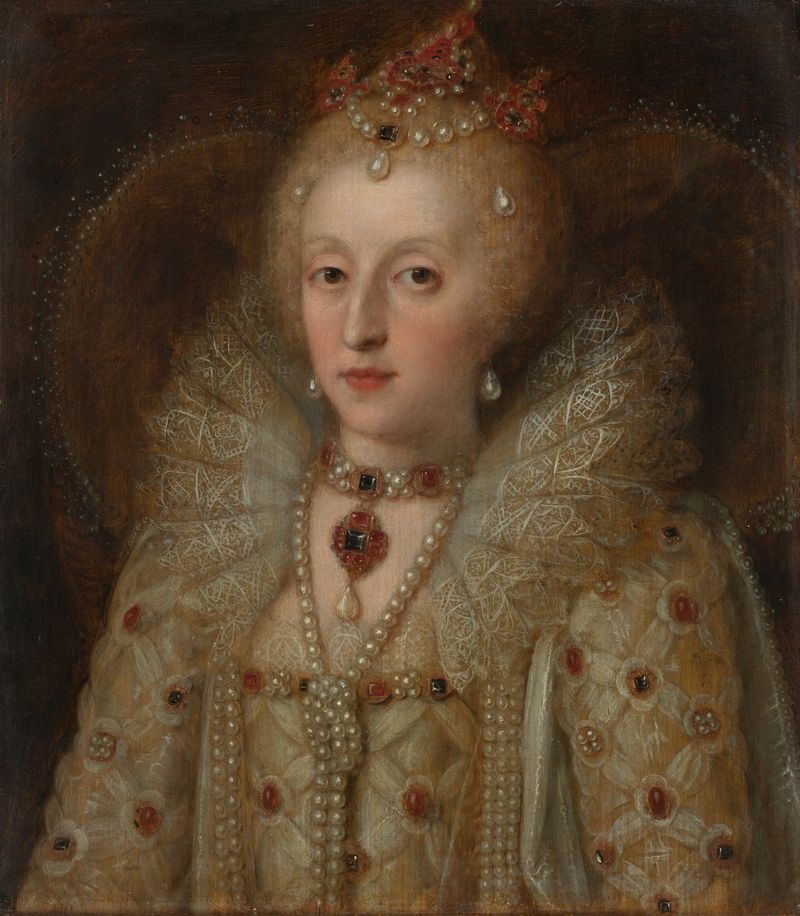
Portrait of Elizabeth I, Queen of England
Unknown Artist
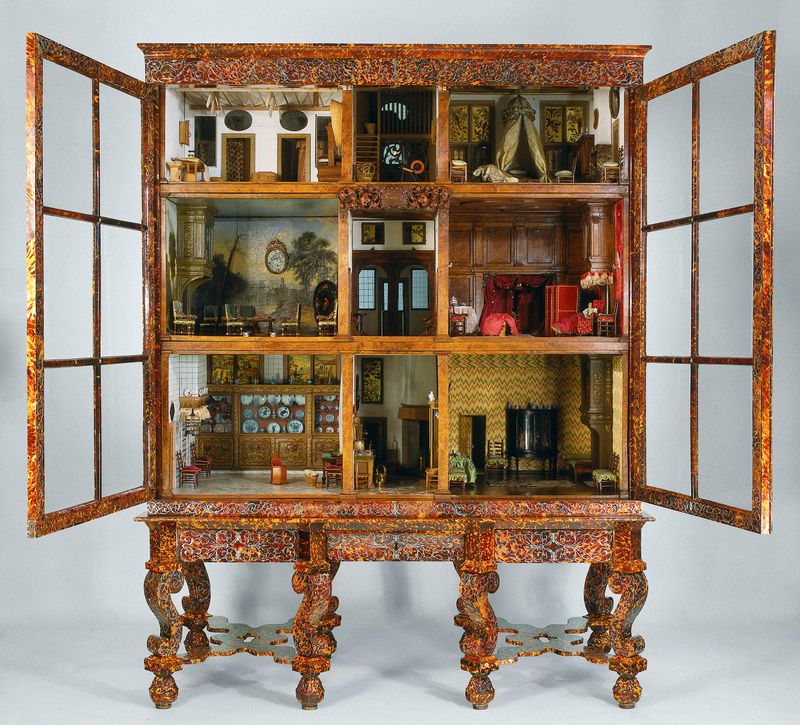
Dolls’ house of Petronella Oortman
Unknown Artist
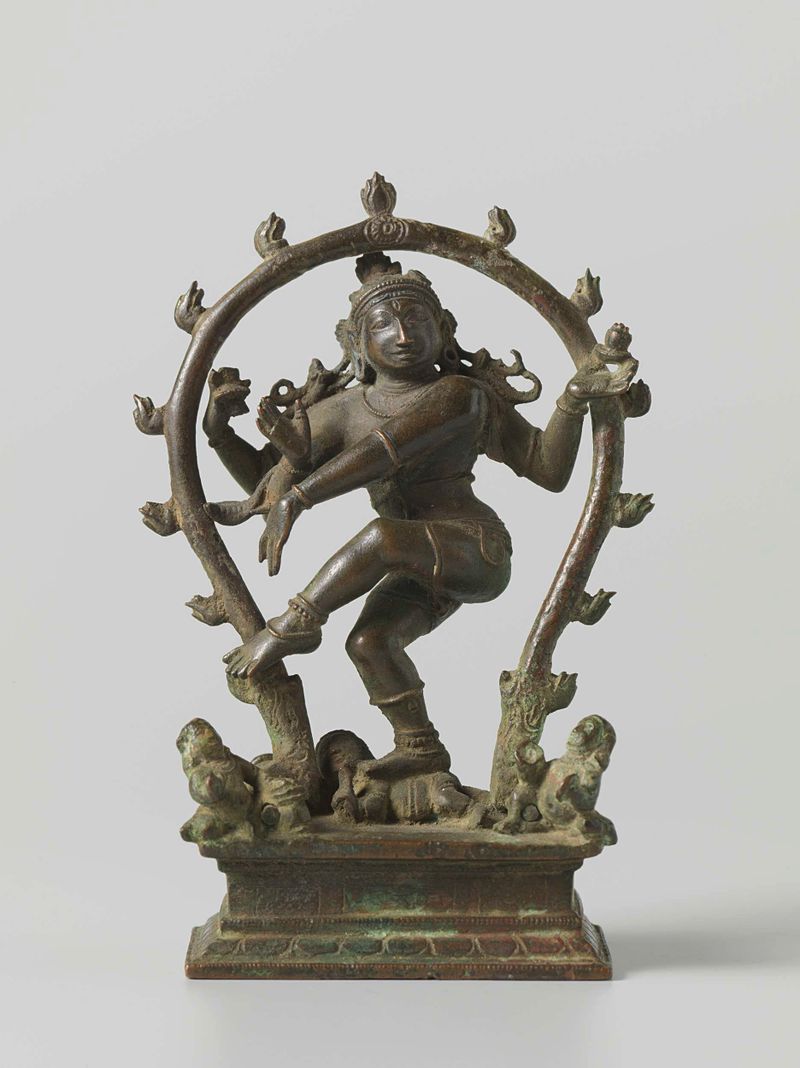
Shiva Nataraja
Unknown Artist

The Tale of Genji
Unknown Artist

The Tale of Genji
Unknown Artist

Cong
Unknown Artist
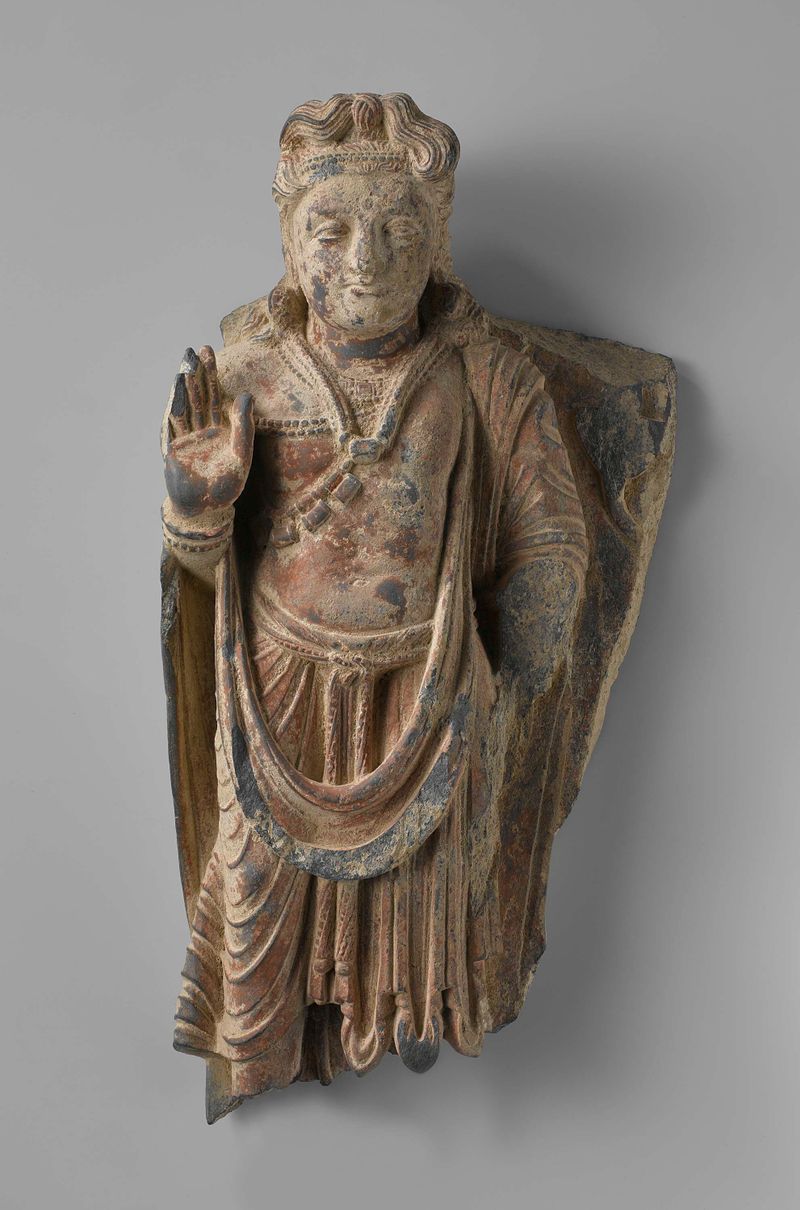
The bodhisattva Maitreya
Unknown Artist

Teabowl with a 'hare's fur' glaze
Unknown Artist
More Historical Art
Browse all →
The Night Watch Militia Company of District II under the Command of Captain Frans Banninck Cocq
Rembrandt van Rijn

Lincoln Memorial
Henry Bacon

The Third of May 1808
Francisco de Goya

Isaac and Rebecca, Known as ‘The Jewish Bride’
Rembrandt van Rijn

The Charge of the Mamelukes (1814)
Francisco de Goya

De vier ruiters van de apocalyps
Albrecht Dürer