
Kracht (Fortitudo) — History & Facts
In the throes of creation, the artist captures the fragility of human resolve, revealing deep yearnings that echo through centuries. Look closely at the center of the composition, where a figure stands poised, muscles taut and eyes focused. The intricate details of the garments suggest a sense of nobility while their billowing forms create a dynamic energy. Notice how the light gently illuminates the contours of the figure’s face, revealing both strength and vulnerability.
The palette, dominated by earthy tones, carries the weight of history while the delicate lines evoke a sense of immediacy and connection to the viewer. Delve into the interplay of power and tenderness within the painting. The strong stance and clenched fist symbolize determination, but the soft expression hints at an inner turmoil, a yearning for something greater. Each element, from the curling vines to the serene backdrop, intertwines to convey a narrative of struggle and hope, reflecting the human condition in its most raw form. In 1539, Hans Sebald Beham was actively engaged in the vibrant artistic developments of Renaissance Germany.
This work emerged during a period marked by political upheaval and religious reformation, as artists sought new ways to express complex emotions through their craft. Beham, influenced by the Northern Renaissance, navigated these currents, creating pieces that fused personal introspection with broader societal themes, making Kracht (Fortitudo) a testament to his artistic vision and the era's spirit.
More Artworks by Hans Sebald Beham
Browse all →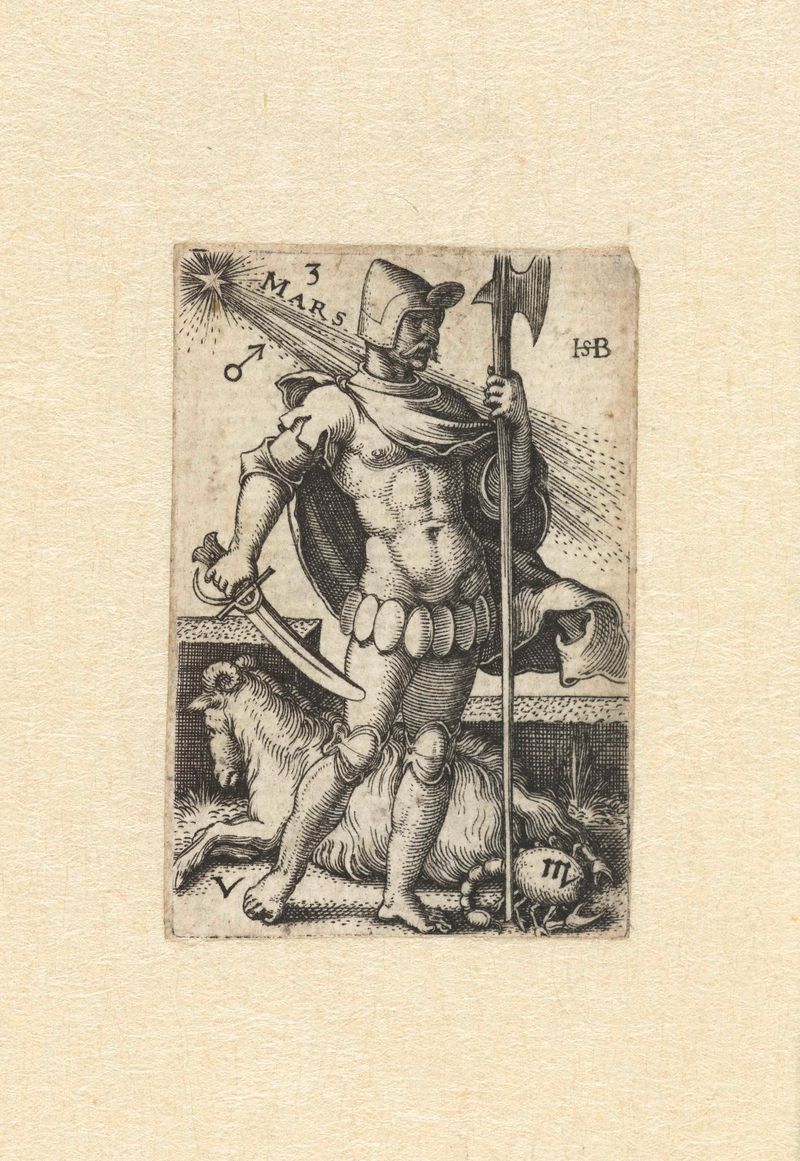
Mars met sterrenbeelden Ram en Schorpioen
Hans Sebald Beham

Achilles in gevecht met Hector
Hans Sebald Beham
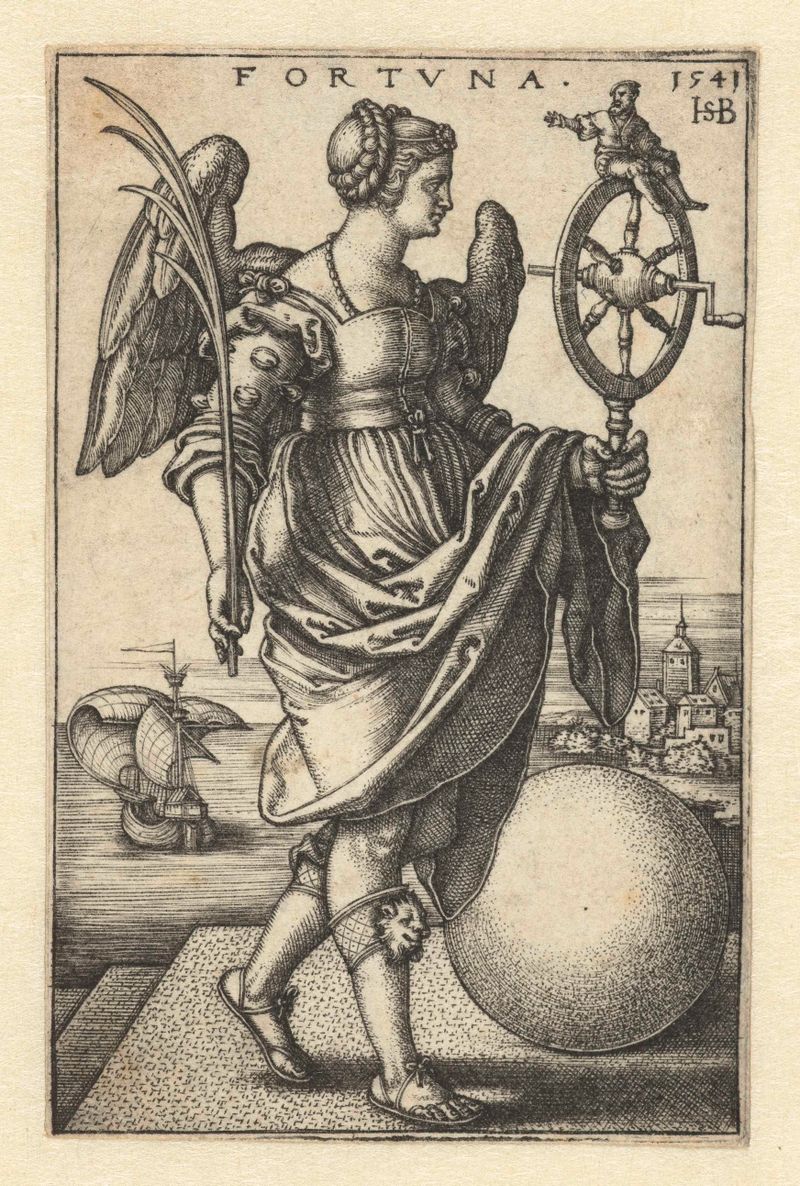
Fortuna
Hans Sebald Beham

Hercules worstelt met Antaeus
Hans Sebald Beham

Twee muzikanten met schalmey en doedelzak
Hans Sebald Beham

Voorzichtigheid (Prudentia)
Hans Sebald Beham

Hercules in gevecht met de Trojanen
Hans Sebald Beham
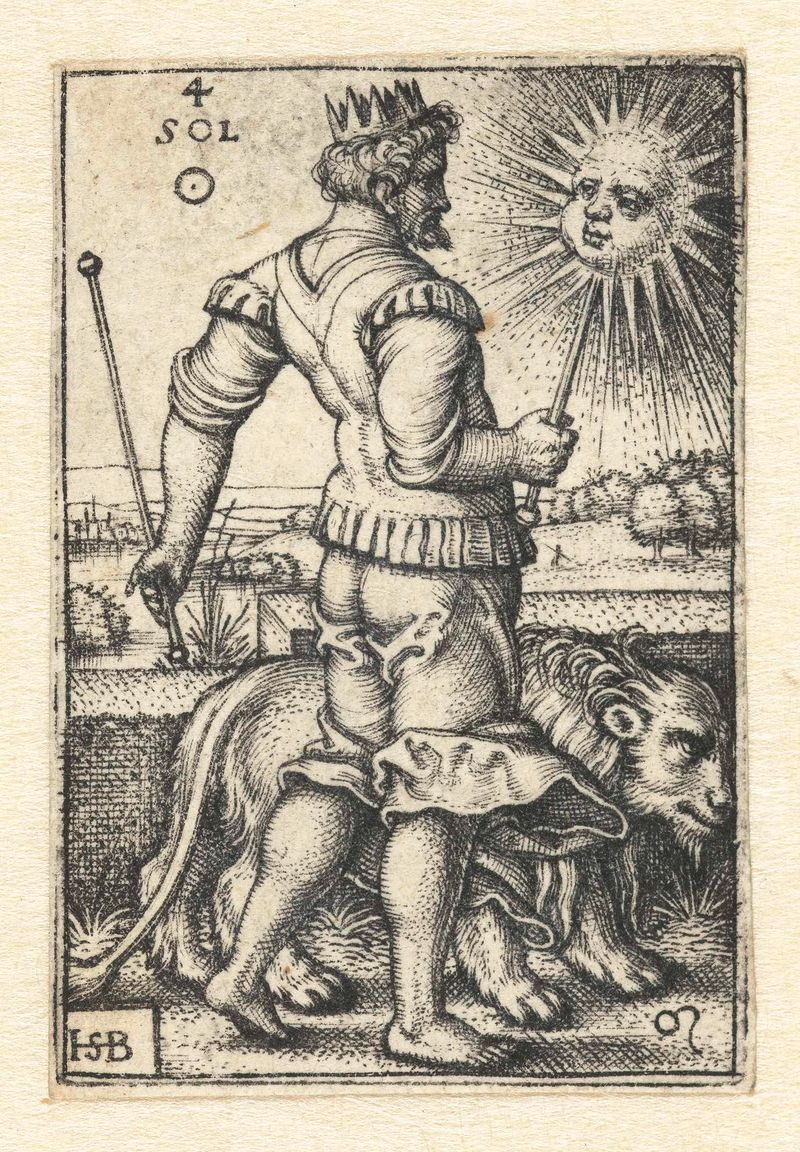
Apollo (Sol) met sterrenbeeld Leeuw
Hans Sebald Beham
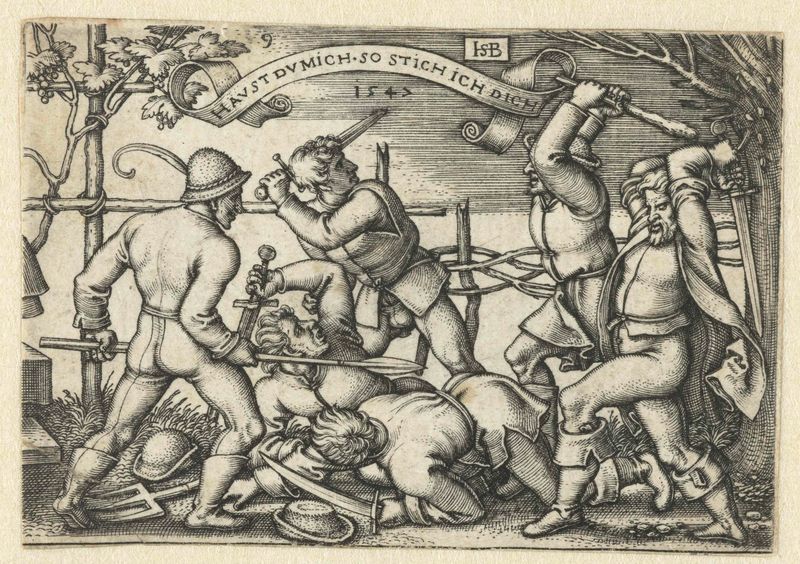
Vechtende boeren met zwaarden
Hans Sebald Beham
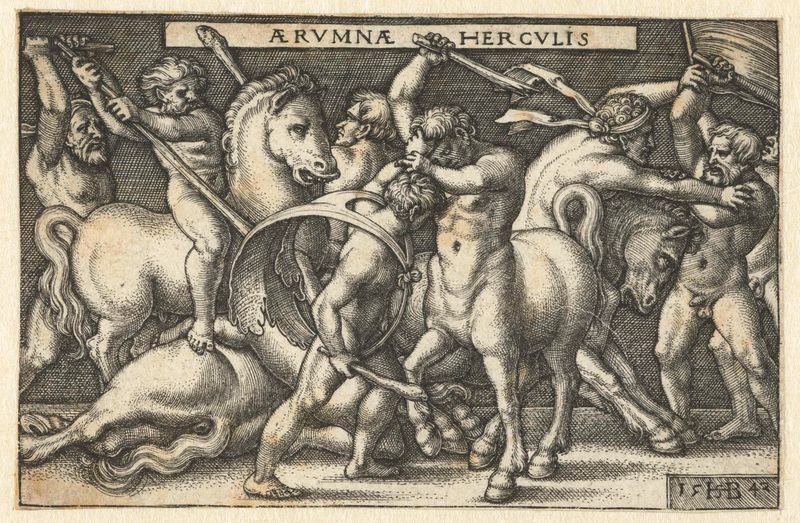
Hercules in gevecht met centaurs
Hans Sebald Beham





