
Kracht (Fortitudo) — History & Facts
In Hans Sebald Beham’s Kracht (Fortitudo), the brilliance of color elicits a profound emotional resonance, inviting viewers to ponder the complexities of strength and vulnerability. Look to the center of the composition where a figure of muscular fortitude stands proudly, adorned in rich hues that shimmer with an almost ethereal glow. The interplay of golds, deep reds, and lush greens creates a vivid tapestry, drawing your gaze to the intricate details of the armor and the texture of the skin. Notice how the contrasting light illuminates the contours of the figure's muscles, emphasizing both power and fragility, while the surrounding chaos of swirling forms hints at the turmoil that often accompanies true strength. Delve deeper into the symbolism woven throughout the piece.
The figure's clenched fist, juxtaposed with the soft gaze directed outward, embodies the struggle between external bravado and internal conflict. The chaotic elements in the background, rendered in darker tones, represent the trials one must confront while pursuing fortitude. This tension between beauty and turmoil suggests that the path to strength may be laced with pain and sacrifice, revealing a haunting truth about the human experience. In 1524, Beham was operating in a vibrant artistic milieu in Nuremberg, where the Northern Renaissance was flourishing.
His work reflected the complexities of the time, with themes of humanism and individual strength emerging in a rapidly changing world. Amidst the upheaval of art and societal shifts, Beham carved out a unique voice, merging meticulous technique with profound emotional depth in works like Kracht (Fortitudo).
More Artworks by Hans Sebald Beham
Browse all →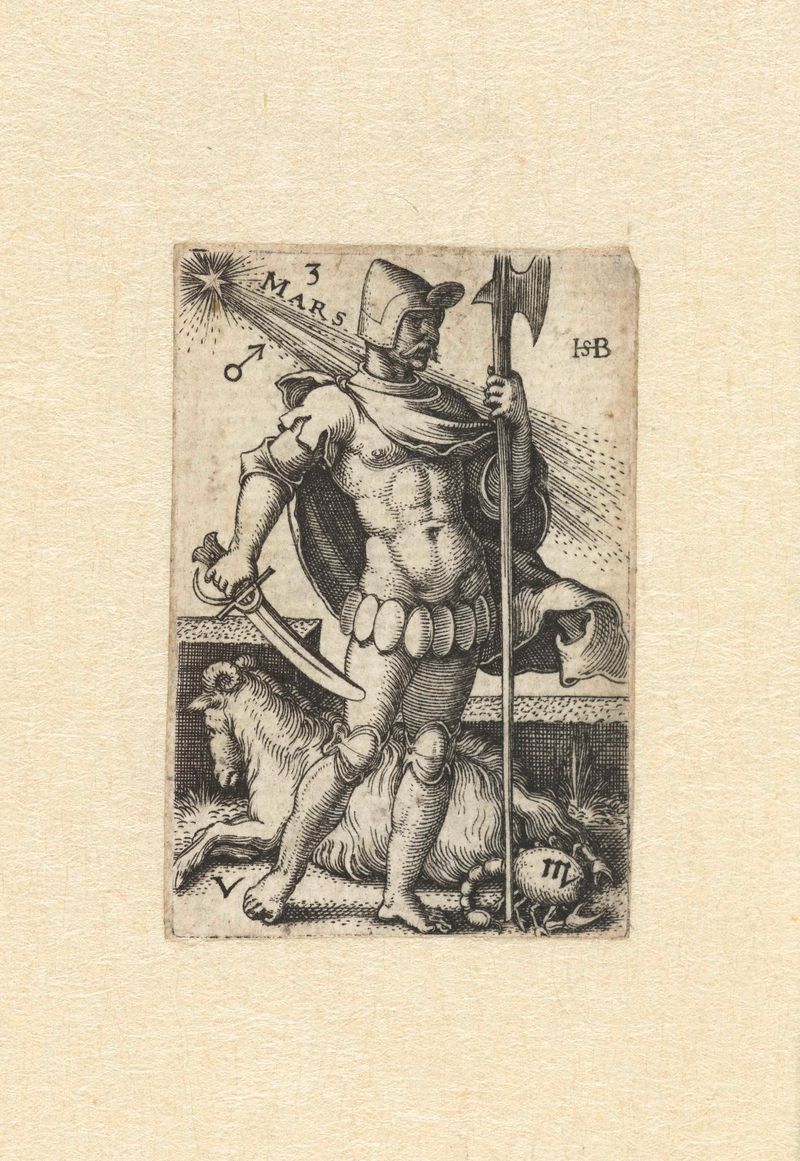
Mars met sterrenbeelden Ram en Schorpioen
Hans Sebald Beham

Achilles in gevecht met Hector
Hans Sebald Beham
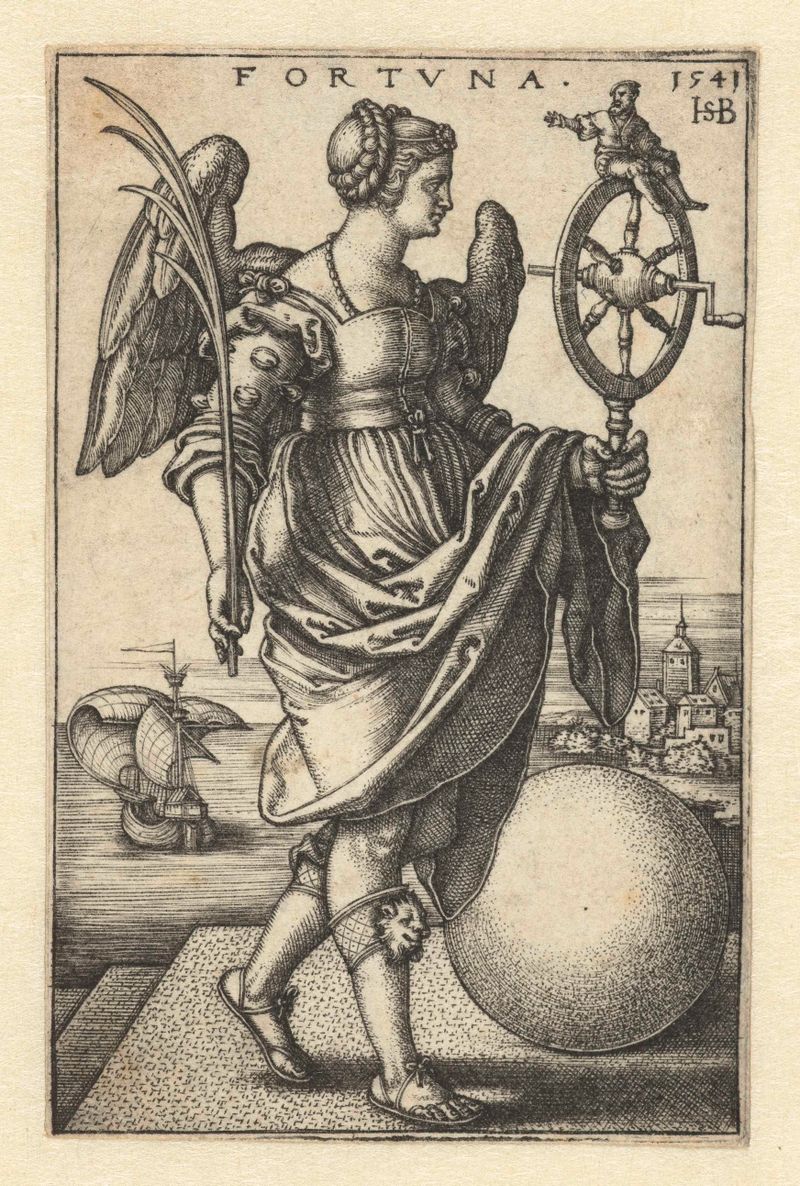
Fortuna
Hans Sebald Beham

Hercules worstelt met Antaeus
Hans Sebald Beham

Twee muzikanten met schalmey en doedelzak
Hans Sebald Beham

Voorzichtigheid (Prudentia)
Hans Sebald Beham

Hercules in gevecht met de Trojanen
Hans Sebald Beham
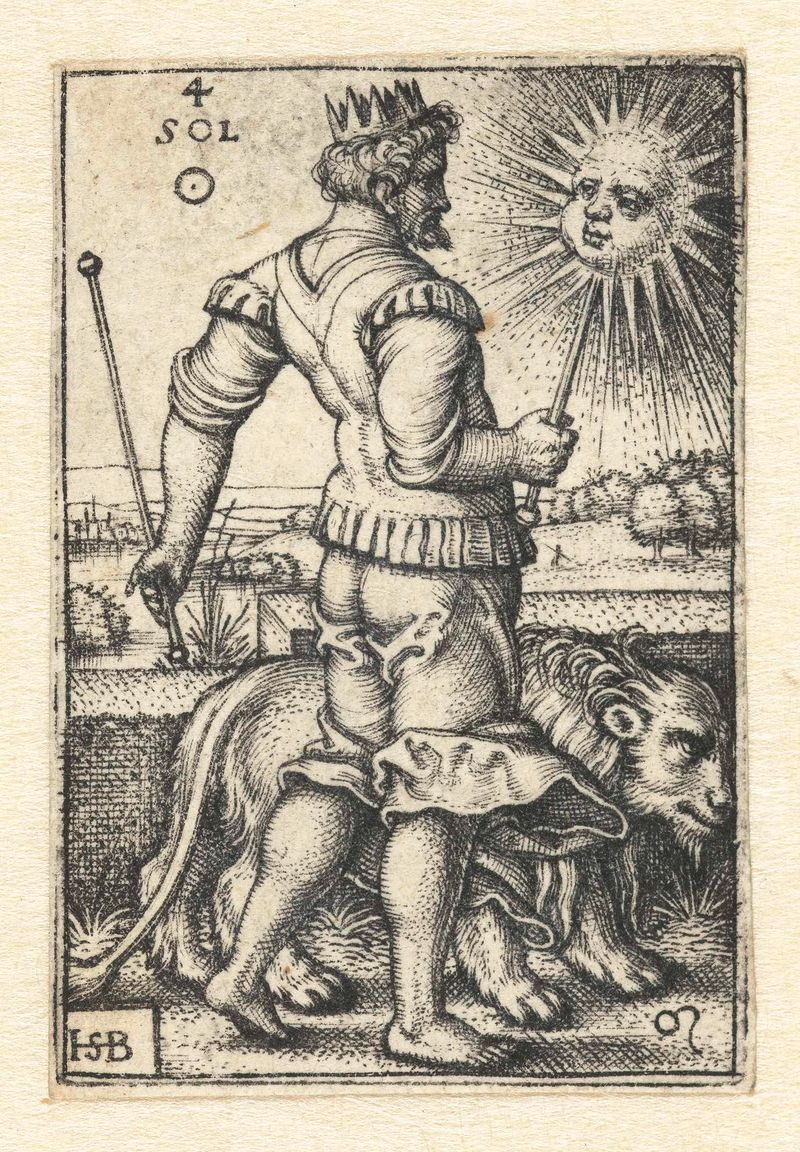
Apollo (Sol) met sterrenbeeld Leeuw
Hans Sebald Beham
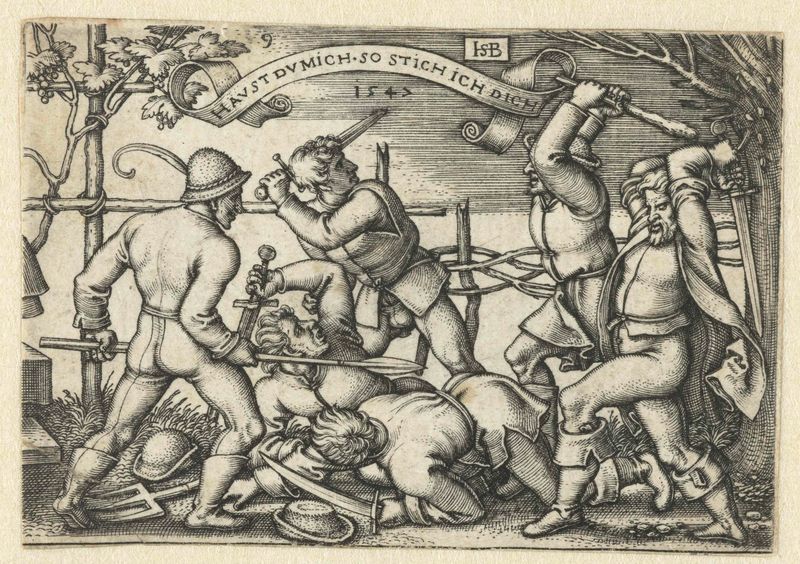
Vechtende boeren met zwaarden
Hans Sebald Beham
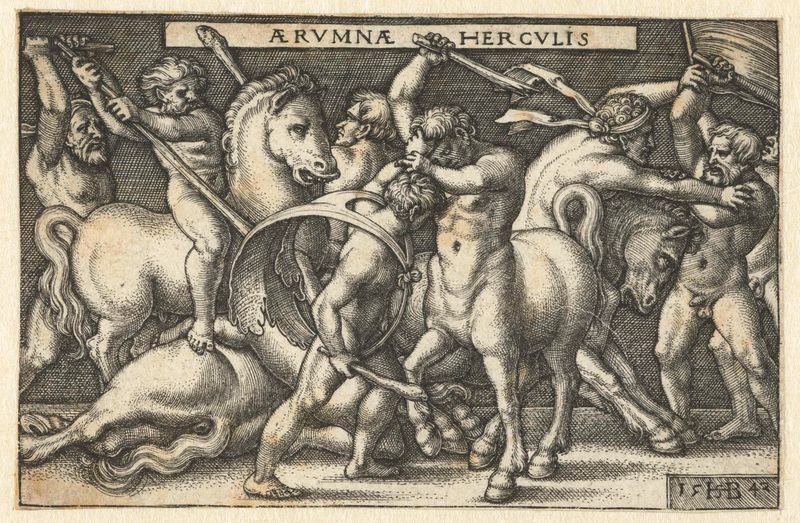
Hercules in gevecht met centaurs
Hans Sebald Beham





