
Kōto suruga-cho mitsu miseryakuzu — History & Facts
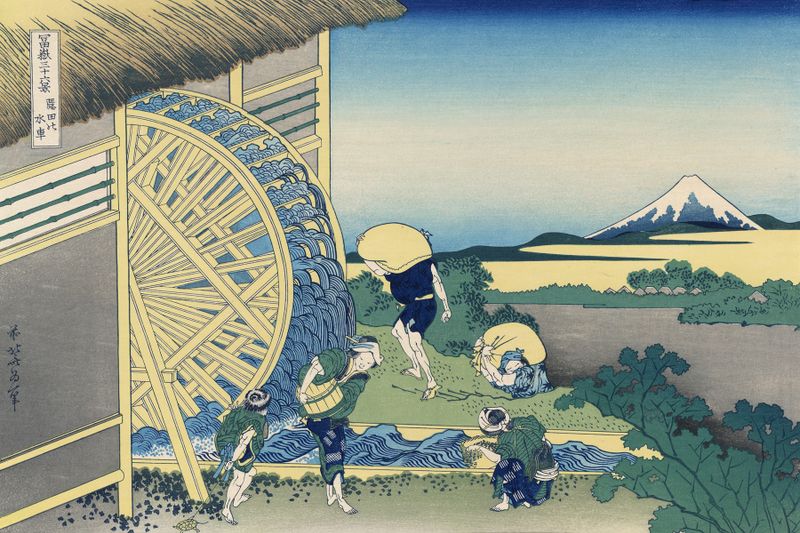
In the delicate interplay of beauty and despair, the quiet speaks volumes, urging us to peer deeper into the heart of fragility. Focus on the intricate patterns that pulse with life across the canvas. The meticulous details invite you to examine the way the colors harmonize—subtle blues and soft whites blending seamlessly, prompting a sense of serenity. Notice how the delicate brushwork captures both motion and stillness, evoking the fleeting nature of beauty itself.
The gentle curves and floral motifs draw your gaze from one element to another, ensuring that no part of the composition feels stagnant or forgotten. Yet, beneath this allure lies a complexity that challenges the viewer. The juxtaposition of vibrant blooms against a muted background hints at the transience of life, where beauty flourishes only for a moment before fading into the ether. Each blossom is a reminder of both joy and inevitable loss, a dance of existence and extinction.
The painting invites contemplation of our own experiences—how we cherish moments of beauty while grappling with what they ultimately signify. Katsushika Hokusai created this work during the Edo period, a time marked by a flourishing of artistic expression in Japan. The exact date remains uncertain, but the artist was well-established by the early 19th century, navigating a world increasingly influenced by both traditional Japanese aesthetics and Western art forms. This period of cultural exchange and personal exploration profoundly shaped Hokusai’s vision, allowing him to infuse his work with layered meanings that resonate with audiences even today.
More Artworks by Katsushika Hokusai
Browse all →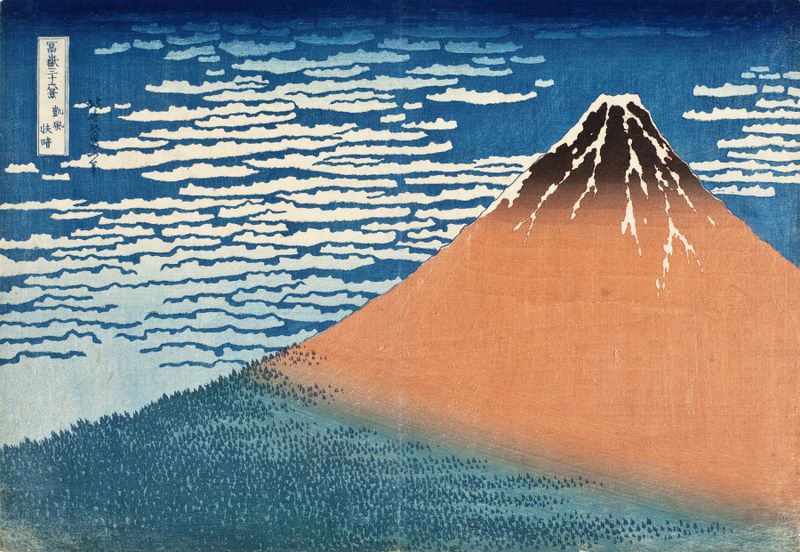
South Wind, Clear Dawn
Katsushika Hokusai

South Wind, Clear Weather
Katsushika Hokusai

Clear Weather with a Southerly Wind
Katsushika Hokusai
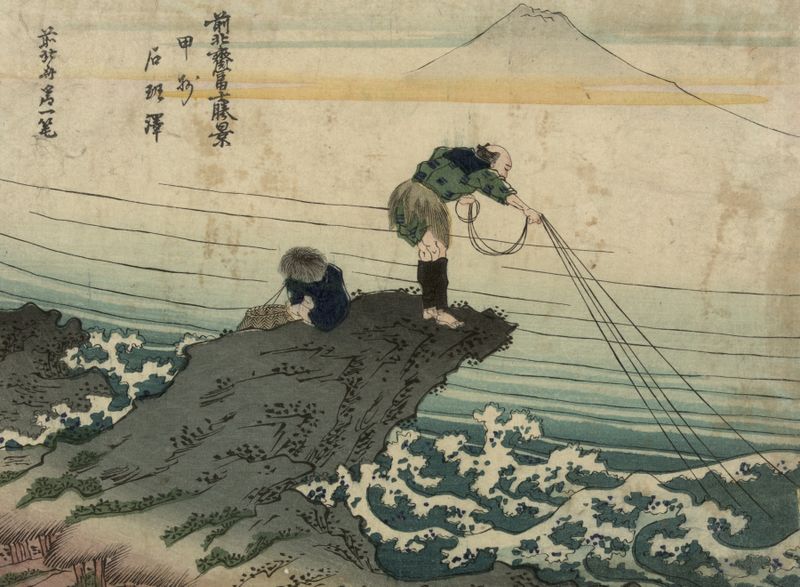
Kōshū kajikazawa
Katsushika Hokusai

Rainstorm beneath the Summit (Sanka Haku-u)
Katsushika Hokusai

Kōshū kajikazawa 2
Katsushika Hokusai
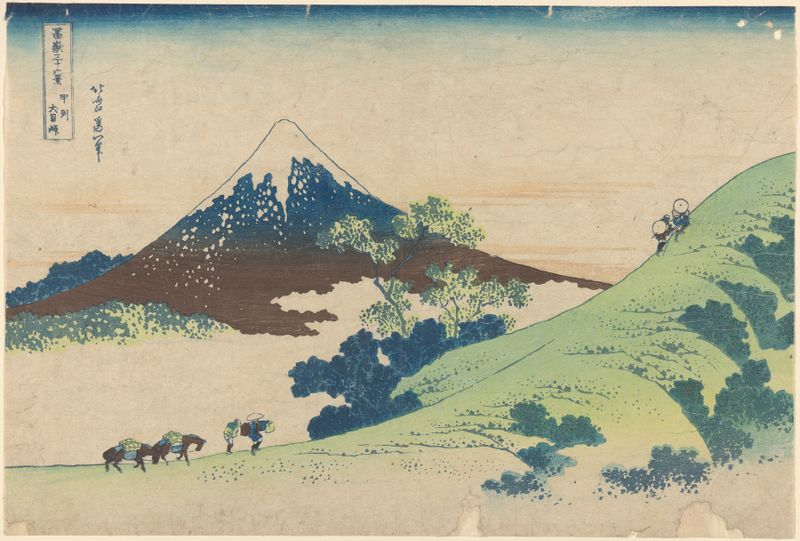
Inume Pass in Kai Province (Kôshû inume-tôge)
Katsushika Hokusai

Yoro Falls in Mino Province (Mino no Yoro no taki), from the series "A Tour of Waterfalls in Various Provinces (Shokoku taki meguri)"
Katsushika Hokusai
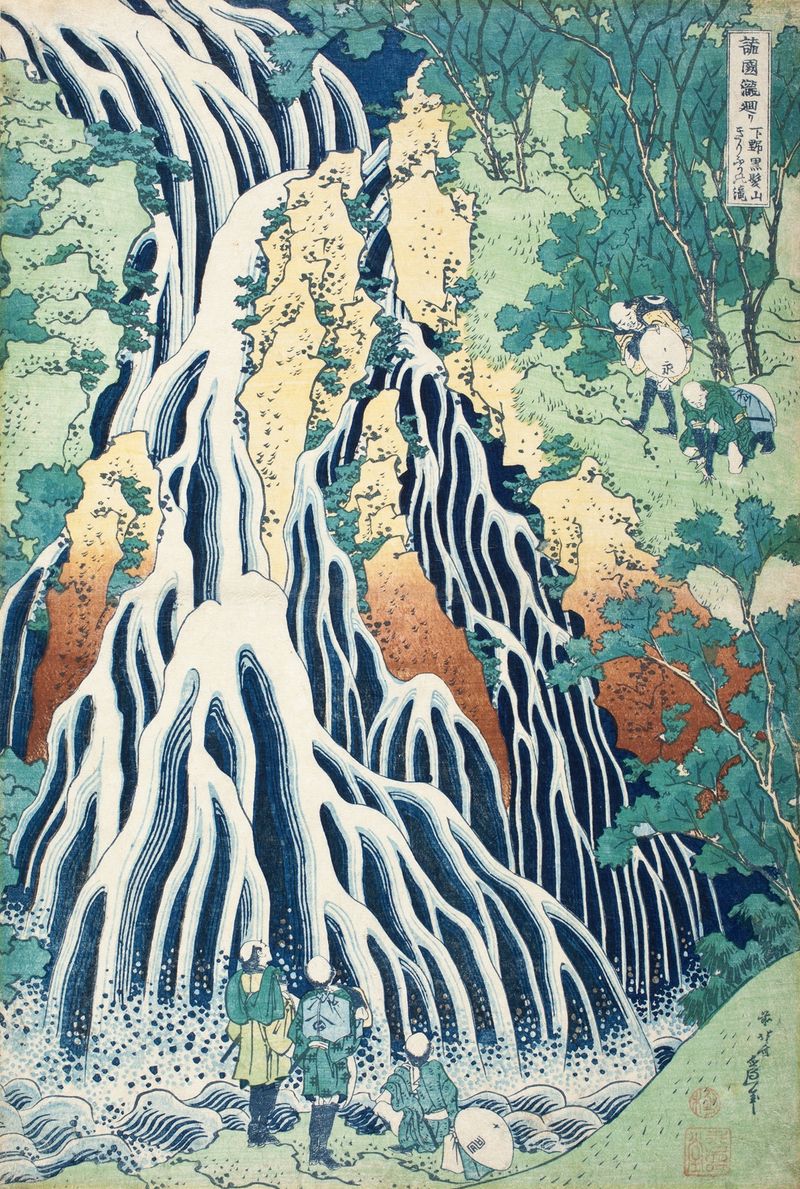
Falls of Kirifuri at Mt. Kurokami, Shimotsuke Province
Katsushika Hokusai
Onden no suisha
Katsushika Hokusai





