
Kustavilainen sotilas — History & Facts
What first catches the eye in Kustavilainen sotilas is the soldier’s almost theatrical pose—a stance that seems to straddle the line between parade ground discipline and the gentle humor of a character sketch. The figure stands upright, chest out, one hand confidently on his hip, the other resting on the hilt of a curved sabre. His uniform, rendered in brisk, fluid strokes of blue and cream, is adorned with a medal and a plume-topped hat, signaling both pride and a touch of pageantry.
The sparse background leaves all attention on the figure himself, whose wide-eyed expression and slightly flushed cheeks suggest a mix of resolve and self-consciousness, as if he’s aware of being watched or commemorated. The artist’s light, almost playful touch with watercolor and ink gives the scene a sense of immediacy, as if this moment was captured on the fly. Works like this, produced by Albert Edelfelt, belong to a tradition of 19th-century studies and costume sketches, often created as preparatory works or as explorations of national history and identity. The “Kustavilainen” reference ties the soldier to the Gustavian era, a period in Swedish and Finnish history marked by elaborate uniforms and shifting allegiances.
Such images were popular among artists and collectors interested in the romantic past and the visual storytelling of military life. Now part of the Finnish National Gallery’s collection, this piece is a reminder of how history and personality can be distilled into a single figure—inviting viewers to imagine the world behind the uniform, and to linger over the details that bring this anonymous soldier to life.
More Artworks by Albert Edelfelt

The Day of Rest
Albert Edelfelt
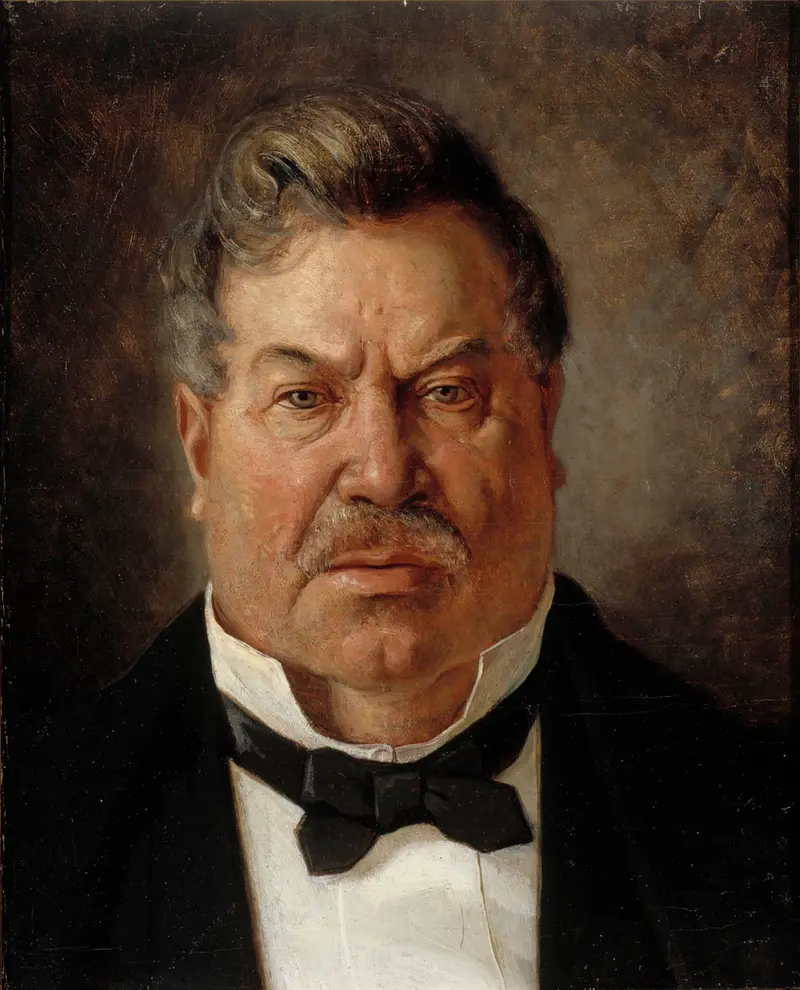
Portrait of August Streng
Albert Edelfelt
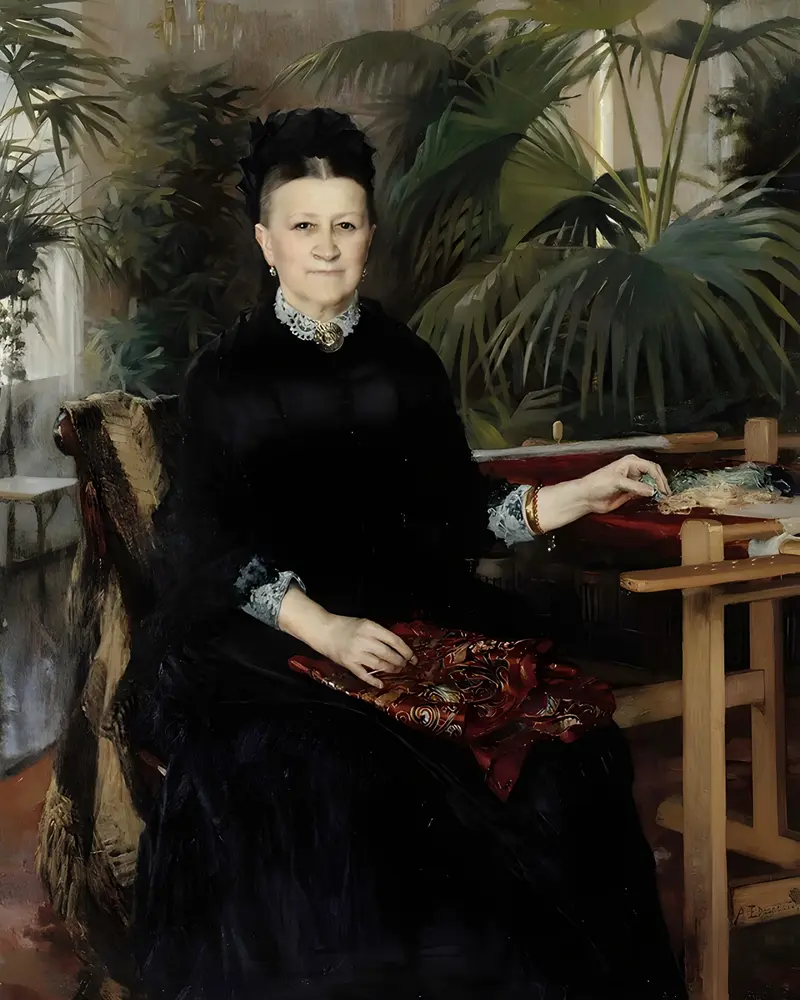
Portrait Of Mrs. Anna Sinebrychoff
Albert Edelfelt

The Poet, Larin Paraske
Albert Edelfelt

Parisian lady in a Peignoir
Albert Edelfelt
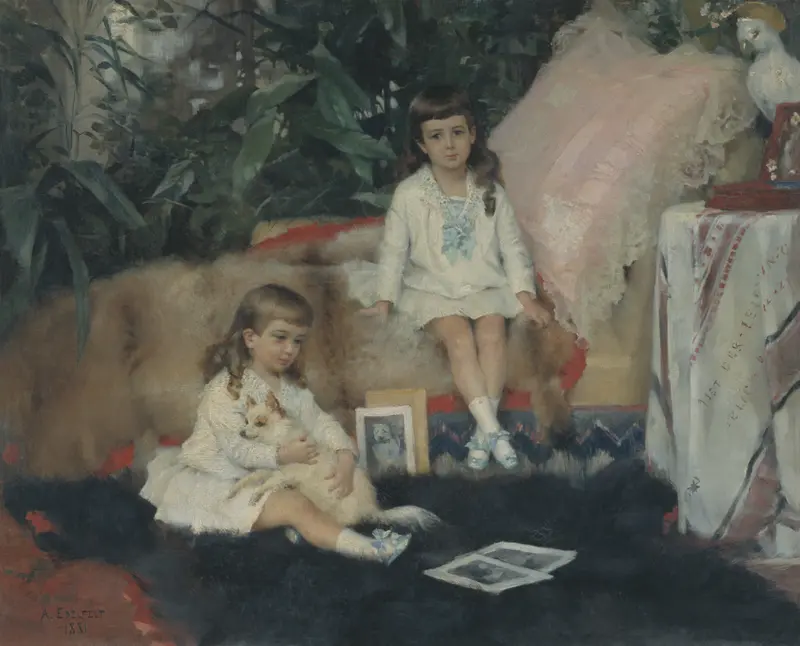
The Grand Dukes Boris and Kirill Vladimirovich as Children
Albert Edelfelt
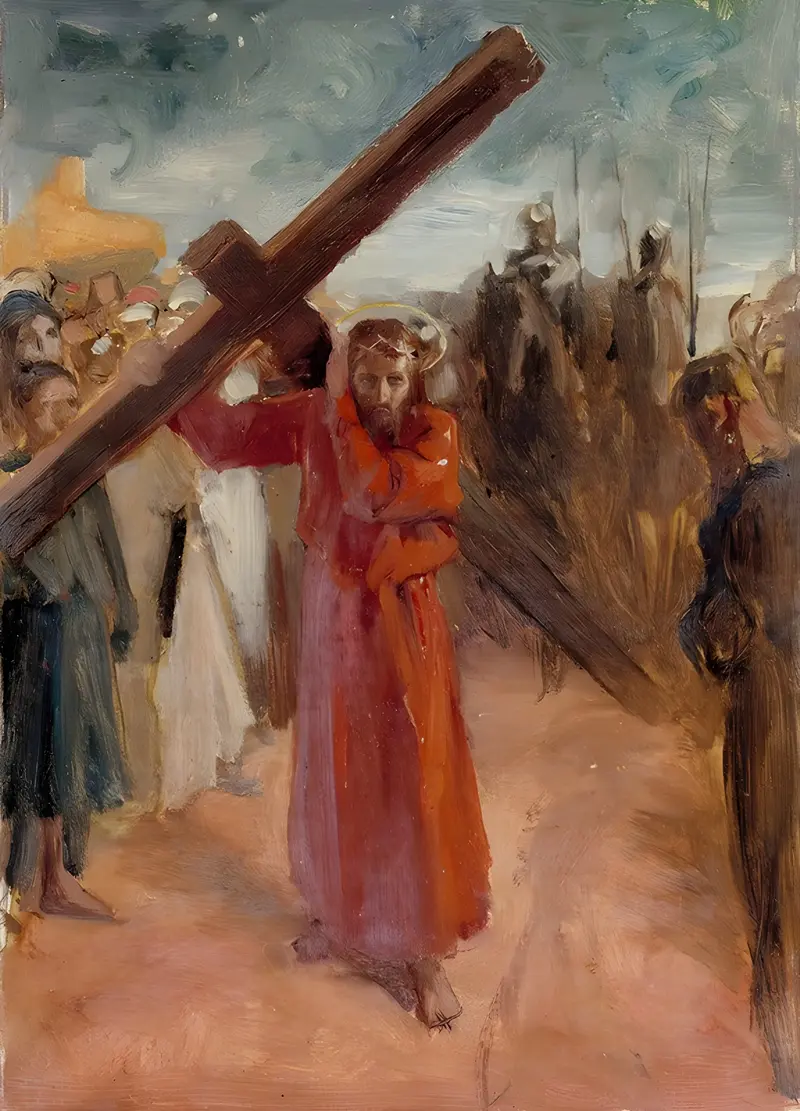
Christ Bears The Cross
Albert Edelfelt
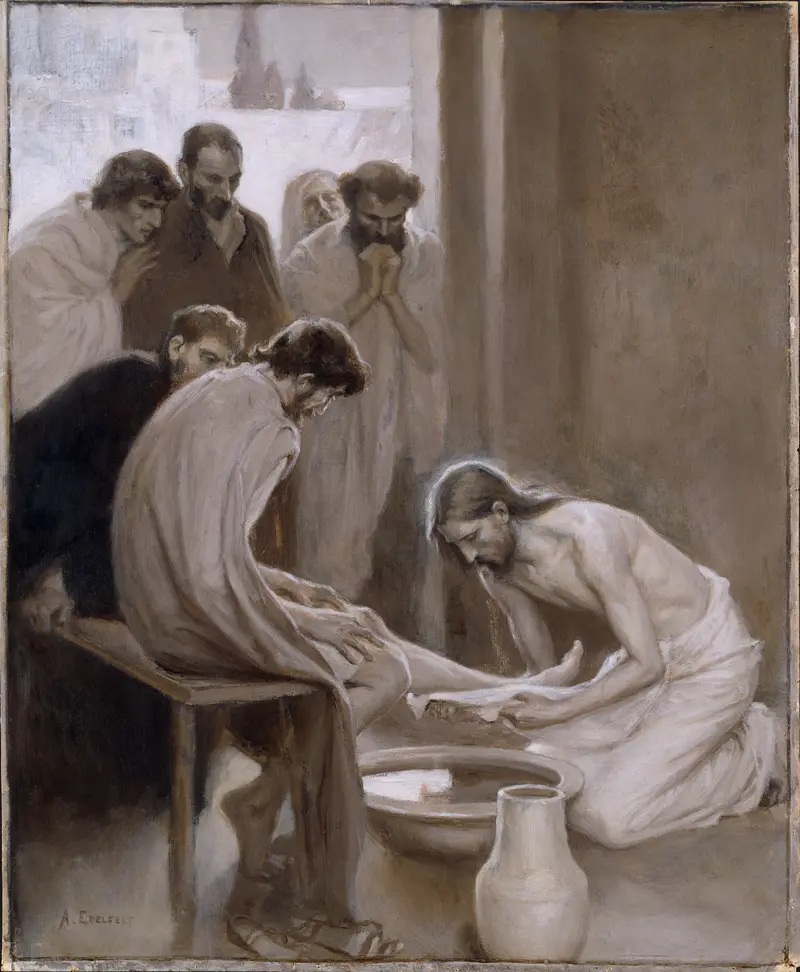
Jesus Washing the Feet of his Disciples
Albert Edelfelt

Larin Paraske with Kantele
Albert Edelfelt
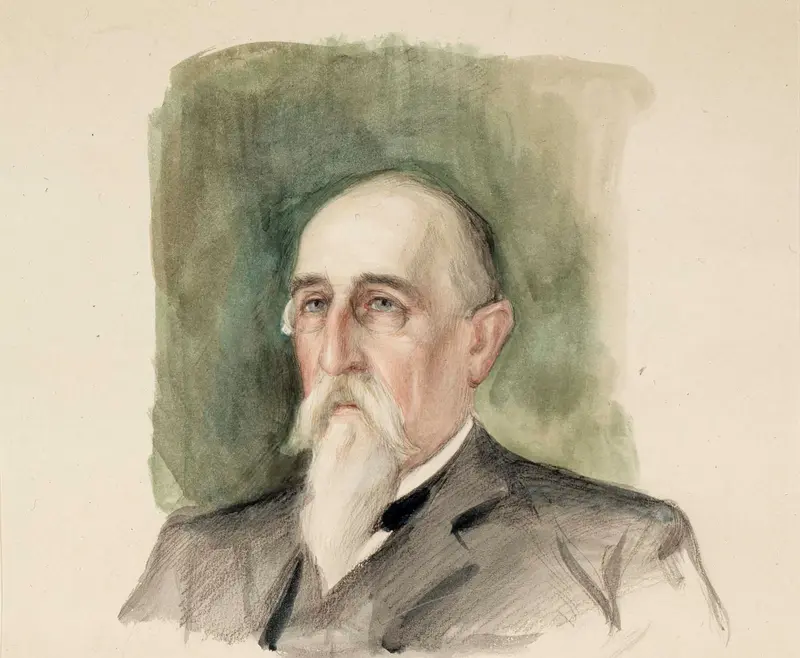
Leo Mechelin, Portrait Study
Albert Edelfelt





